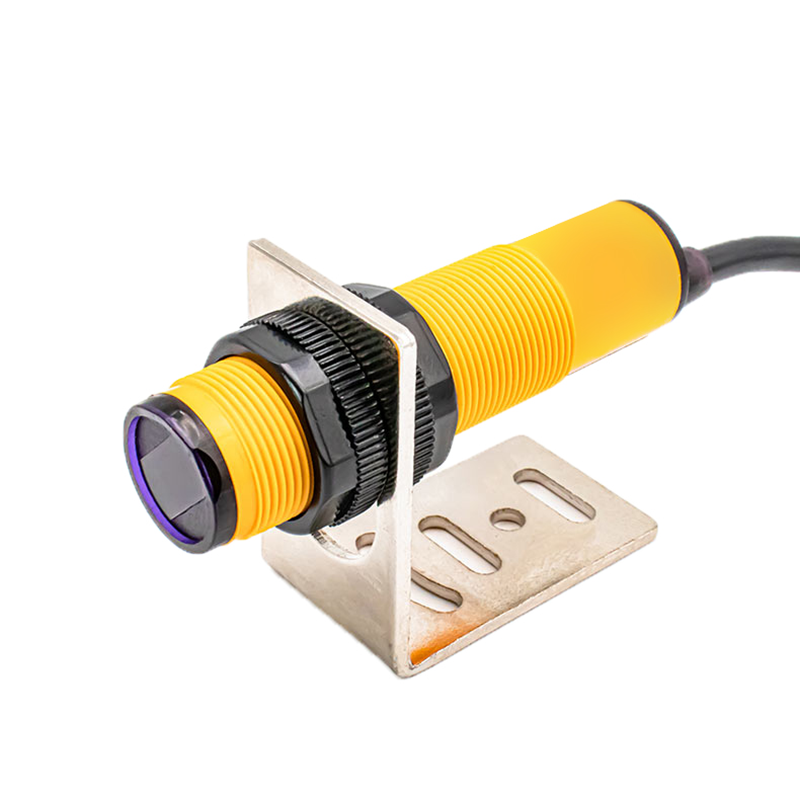
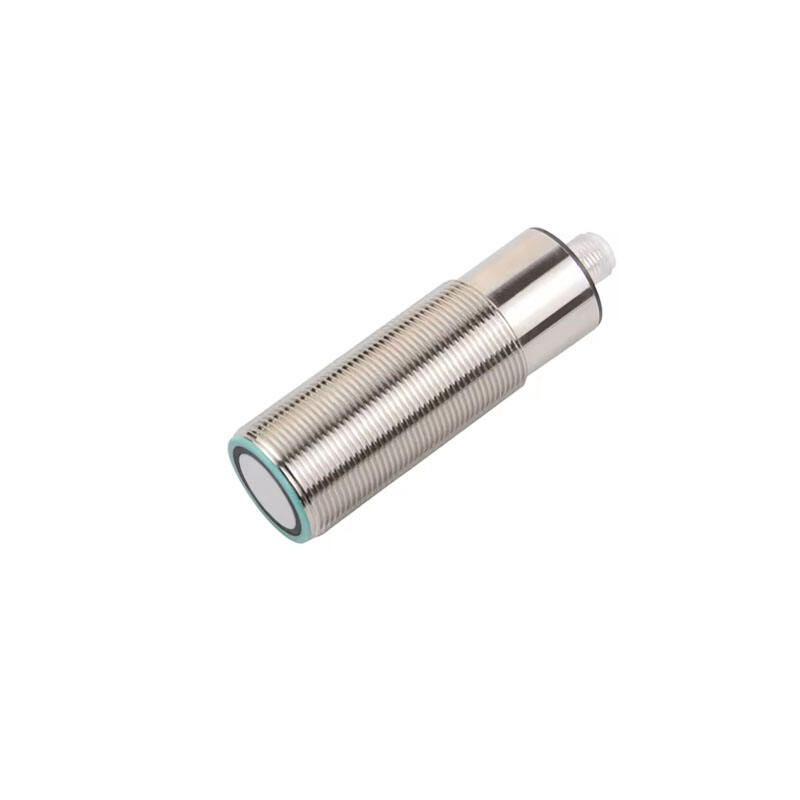
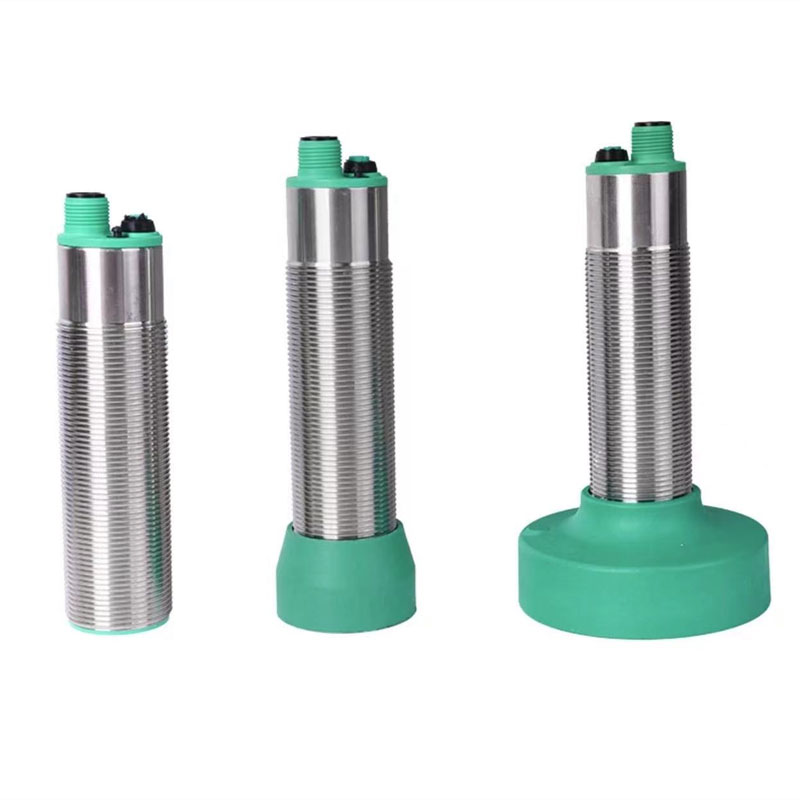
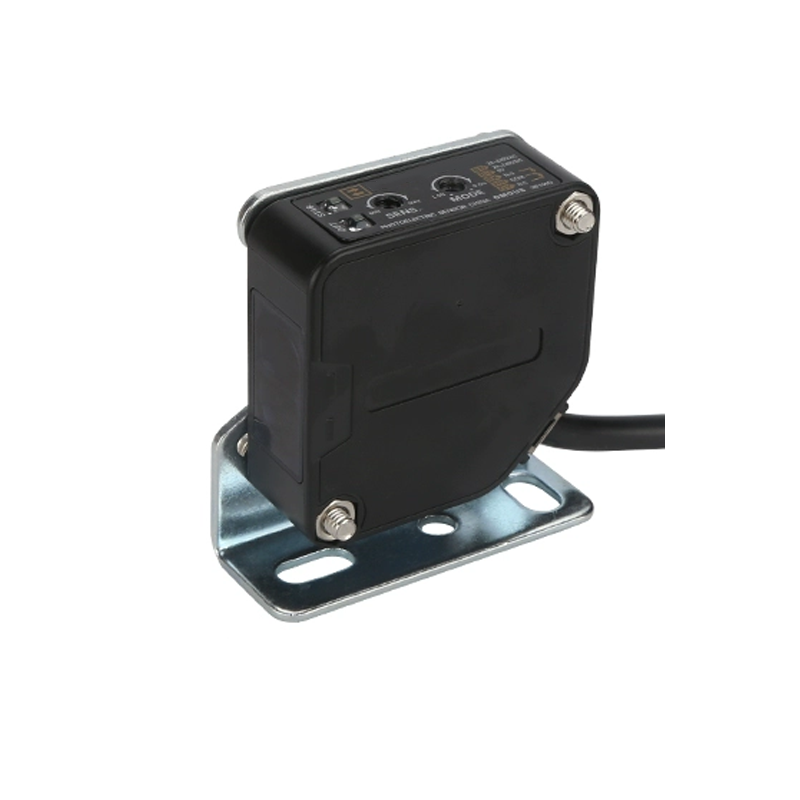
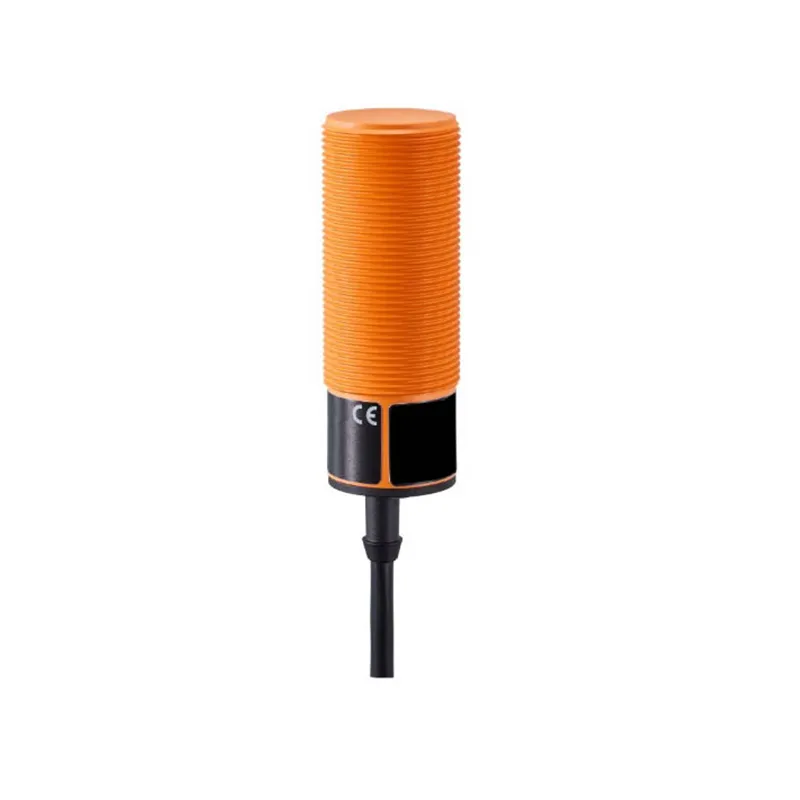
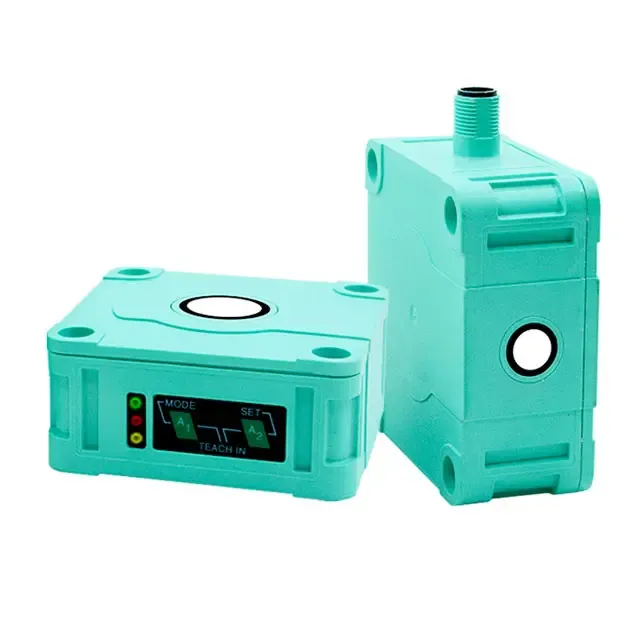
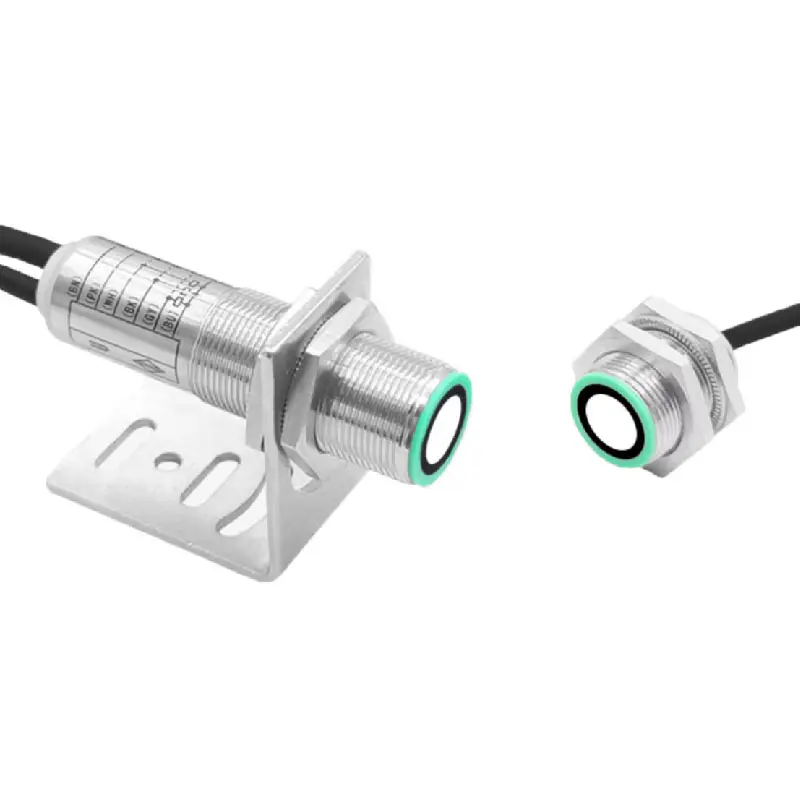
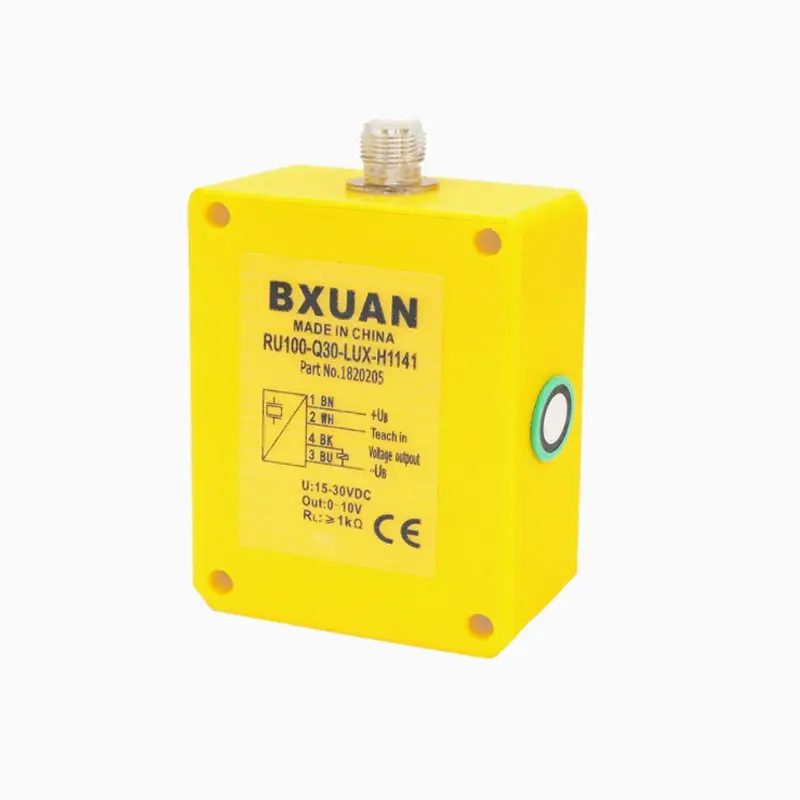
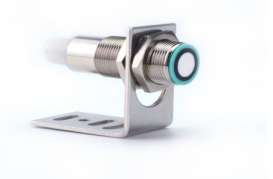
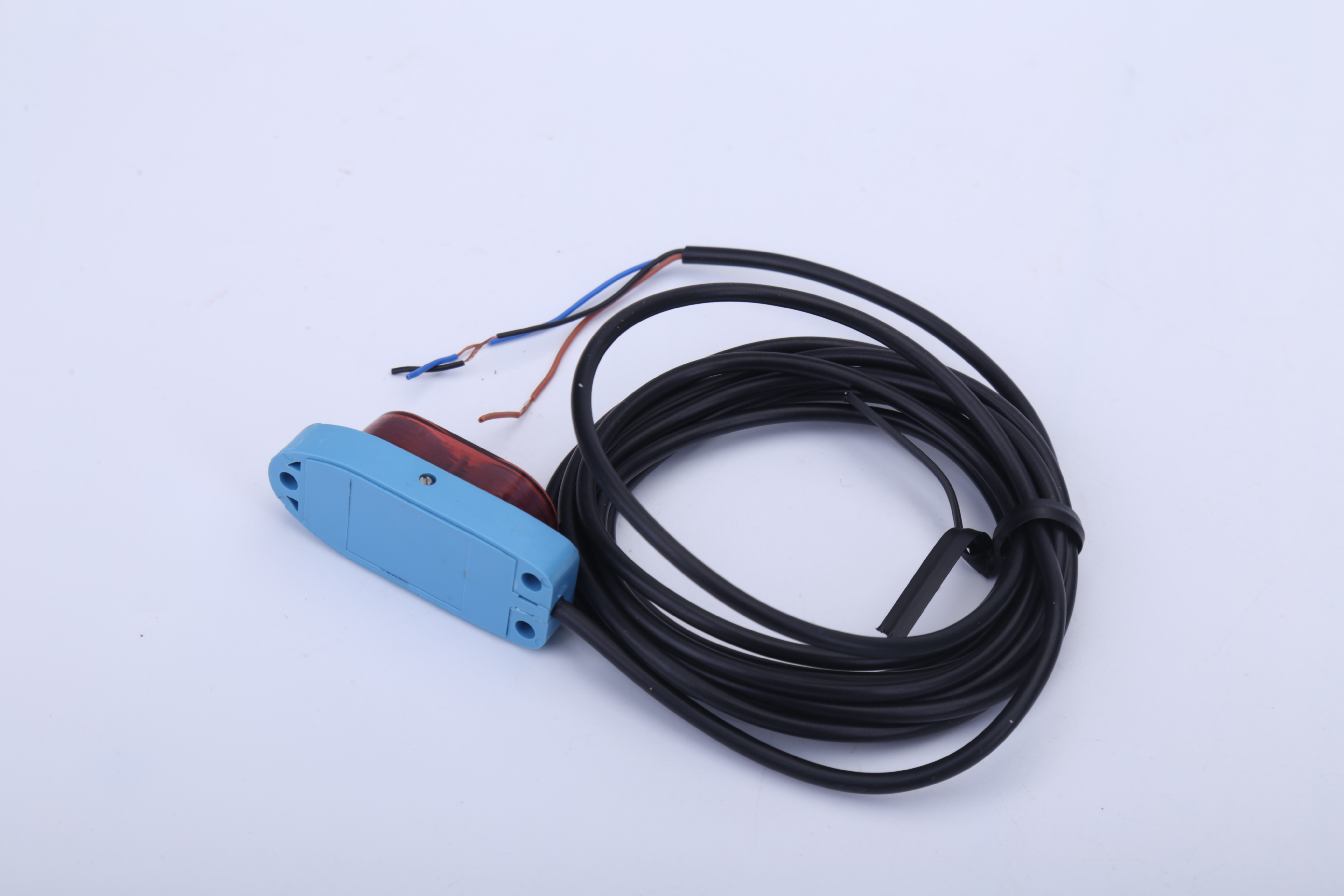
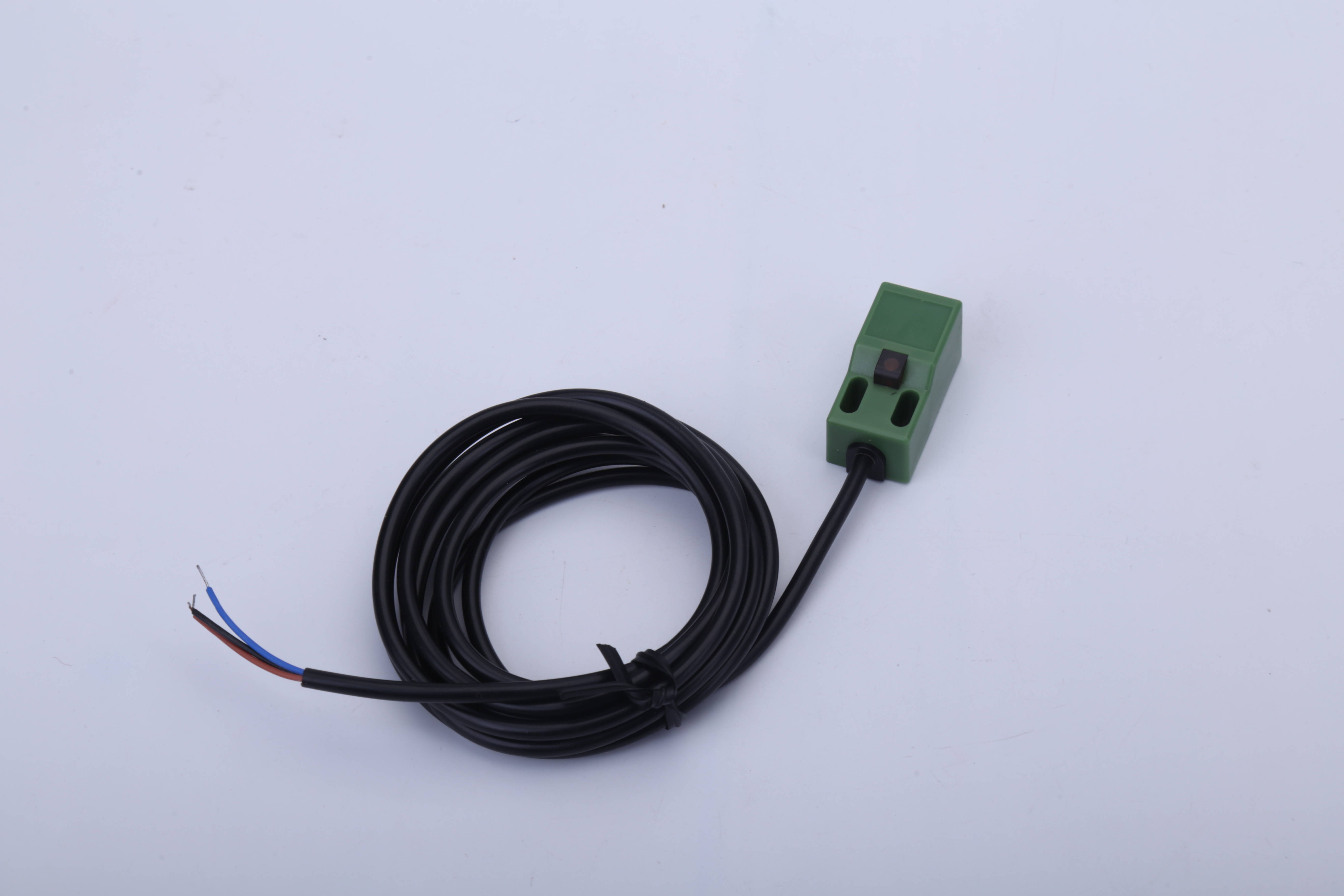
High-Precision Micro Optical Sensor: Advanced Measurement Solutions for Industrial Applications

Get a Free Quote

Our representative will contact you soon.
Email
Name
Company Name
Message
0/1000

micro optical sensor

A micro optical sensor is a sophisticated device that leverages advanced photonic technology to detect and measure various physical properties through light interaction. These miniaturized sensors integrate light emission, detection, and signal processing capabilities within a compact form factor, typically measuring just a few millimeters in size. The sensor operates by emitting specific wavelengths of light and analyzing changes in reflection, absorption, or transmission patterns when the light interacts with the target material or environment. The technology incorporates precision optical components, including micro-lenses, waveguides, and photodetectors, all working in concert to achieve high-accuracy measurements. These sensors excel in applications requiring non-contact measurement, such as industrial automation, medical diagnostics, and environmental monitoring. The device's ability to perform real-time analysis makes it invaluable in quality control processes, where instant feedback is crucial. Modern micro optical sensors often feature digital output capabilities, enabling seamless integration with control systems and data acquisition platforms. Their robust design ensures reliable operation in challenging environments, while their energy-efficient nature supports extended operation in battery-powered applications.

Popular Products

Micro optical sensors offer numerous compelling advantages that set them apart in the sensing technology landscape. Their miniature size enables integration into space-constrained applications without compromising performance. The non-contact measurement capability eliminates mechanical wear and extends operational lifetime, resulting in reduced maintenance costs and improved reliability. These sensors provide exceptional measurement accuracy, often achieving precision levels in the micrometer range, making them ideal for quality-critical applications. The fast response time, typically in milliseconds, enables real-time monitoring and immediate process adjustments. Energy efficiency is another key benefit, as these sensors consume minimal power while maintaining high performance. The absence of moving parts significantly reduces the risk of mechanical failure, ensuring consistent operation in demanding environments. Their digital output capability simplifies system integration and enables advanced data analysis. The sensors' immunity to electromagnetic interference makes them suitable for use in environments with strong electrical fields. Their versatility allows for measurement of multiple parameters, including distance, position, color, and material properties, using a single sensor platform. The non-invasive nature of optical sensing makes these devices particularly valuable in sterile or sensitive environments, such as medical applications or clean room manufacturing. Their compact design also reduces installation complexity and costs, while their solid-state construction ensures long-term stability and minimal drift in measurements.

Tips And Tricks

Proximity Switch vs. Limit Switch: Which One to Choose?

21

Jul

Proximity Switch vs. Limit Switch: Which One to Choose?

Understanding the Functionality of Modern Switches in Industrial Automation In industrial automation and control systems, choosing the right switch can significantly impact efficiency, safety, and overall system reliability. Two of the most commonly ...
View More
Ultrasonic Sensors in Distance Measurement: Accuracy and Reliability

04

Aug

Ultrasonic Sensors in Distance Measurement: Accuracy and Reliability

Why Ultrasonic Sensors Are Preferred for Distance Measurement Enhancing Measurement Precision in Challenging Conditions Ultrasonic Sensors use time-of-flight of sound pulses to determine distances accurately, making them highly effective in environm...
View More
 The Advantages of Ultrasonic Sensors in Harsh Environments

04

Aug

The Advantages of Ultrasonic Sensors in Harsh Environments

Why Ultrasonic Sensors Thrive in Harsh Conditions Robustness Against Dust and Dirt Ultrasonic Sensors operate by emitting sound waves and measuring their echoes, so they are less affected by dust and dirt compared to optical or infrared sensors. Sin...
View More
How Does a Proximity Sensor Improve Safety and Efficiency?

28

Sep

How Does a Proximity Sensor Improve Safety and Efficiency?

Understanding the Revolutionary Impact of Proximity Detection Technology In today's rapidly evolving industrial landscape, proximity sensors have emerged as a cornerstone of automated safety and operational efficiency. These sophisticated devices ser...
View More

Get a Free Quote

Our representative will contact you soon.
Email
Name
Company Name
Message
0/1000

micro optical sensor

Advanced Measurement Precision and Reliability

Advanced Measurement Precision and Reliability

The micro optical sensor achieves unprecedented measurement precision through its advanced optical design and sophisticated signal processing algorithms. The sensor utilizes high-quality micro-lenses and specialized photodetectors to capture subtle variations in light patterns with exceptional accuracy. This precision is maintained across a wide dynamic range, enabling reliable measurements in various operating conditions. The sensor's built-in temperature compensation ensures measurement stability despite environmental fluctuations, while its auto-calibration feature maintains accuracy over extended periods. The integration of multiple redundant detection channels enhances measurement reliability and enables self-diagnosis capabilities. These features combine to deliver consistently accurate results, making the sensor an ideal choice for applications where precision is paramount.
Versatile Integration and Connectivity

Versatile Integration and Connectivity

The sensor's comprehensive connectivity options and integration capabilities make it exceptionally versatile in modern automation systems. It features industry-standard digital interfaces, including RS-485 and Ethernet, enabling seamless communication with existing control systems. The compact form factor and flexible mounting options simplify installation in various applications. Built-in processing capabilities allow for on-device data analysis, reducing the load on external systems. The sensor supports multiple communication protocols, facilitating integration with different automation platforms. Its modular design enables customization for specific application requirements while maintaining standardized connectivity options.
Enhanced Environmental Resilience

Enhanced Environmental Resilience

Engineered for durability, the micro optical sensor incorporates multiple features that ensure reliable operation in challenging environments. The sealed housing provides IP67 protection against dust and water ingress, while the robust optical design maintains performance even in high-vibration conditions. Advanced filtering techniques eliminate the impact of ambient light variations on measurement accuracy. The sensor's operating temperature range extends from -40°C to +85°C, making it suitable for both indoor and outdoor applications. Special coating technologies protect the optical elements from contamination and environmental factors, ensuring long-term measurement stability. The sensor's resilient design reduces maintenance requirements and extends operational lifetime in industrial settings.
High-Precision Micro Optical Sensor: Advanced Measurement Solutions for Industrial Applications

Get a Free Quote

Our representative will contact you soon.
Email
Name
Company Name
Message
0/1000