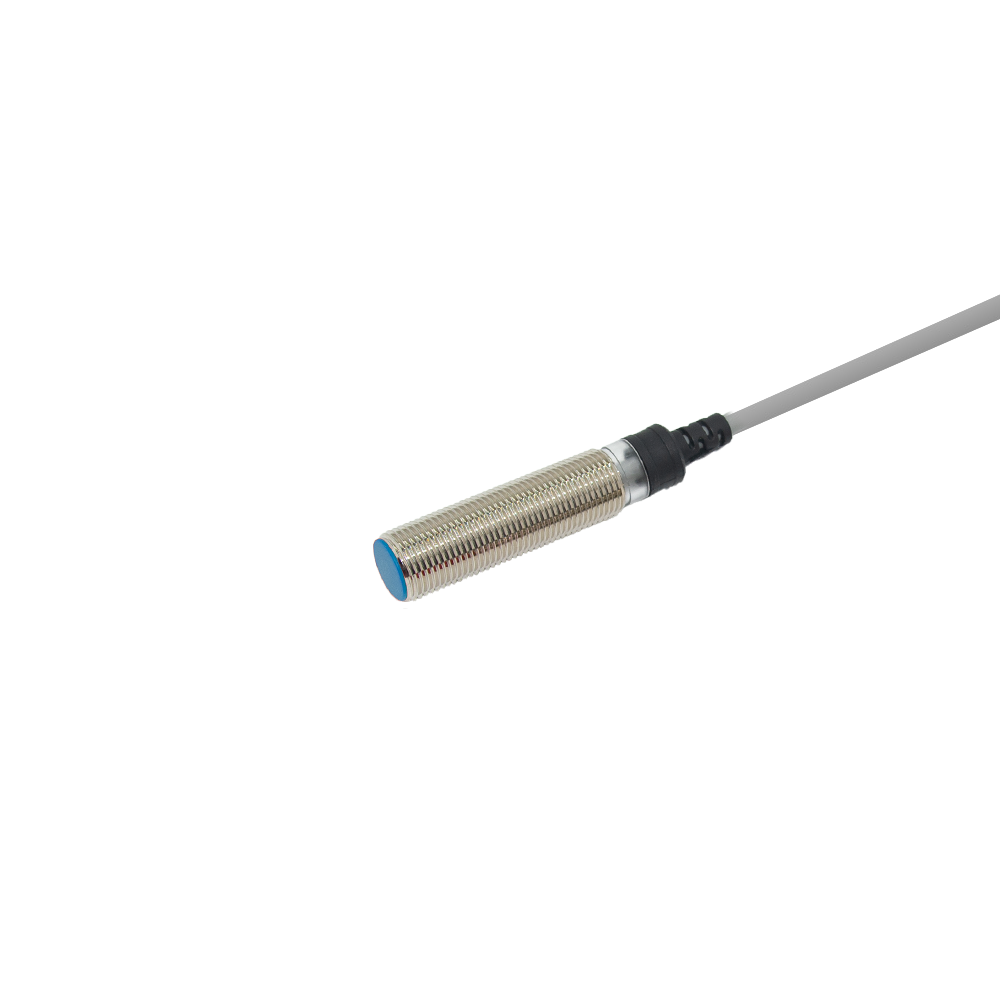
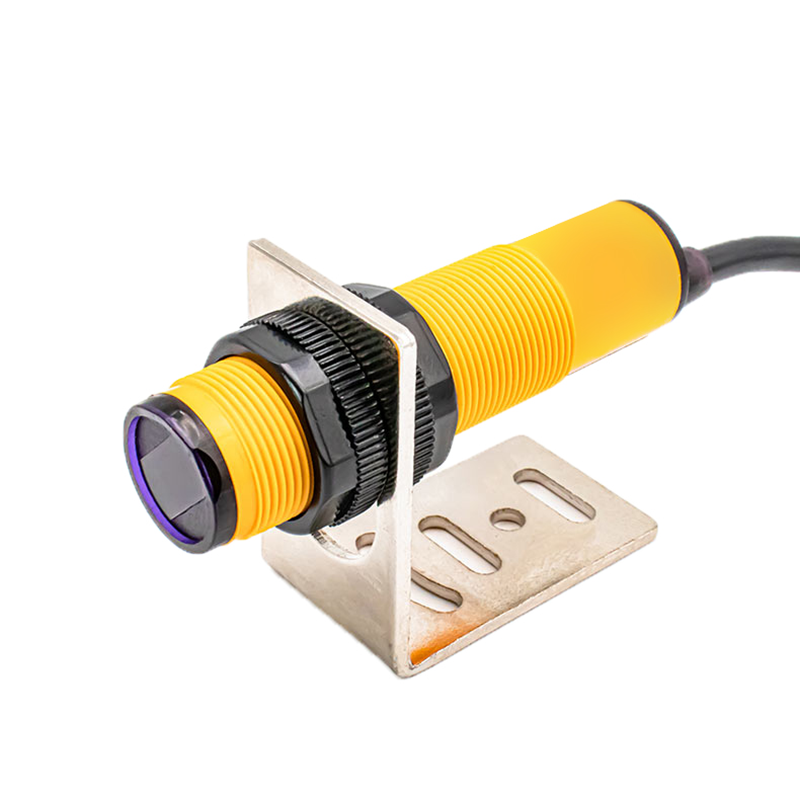
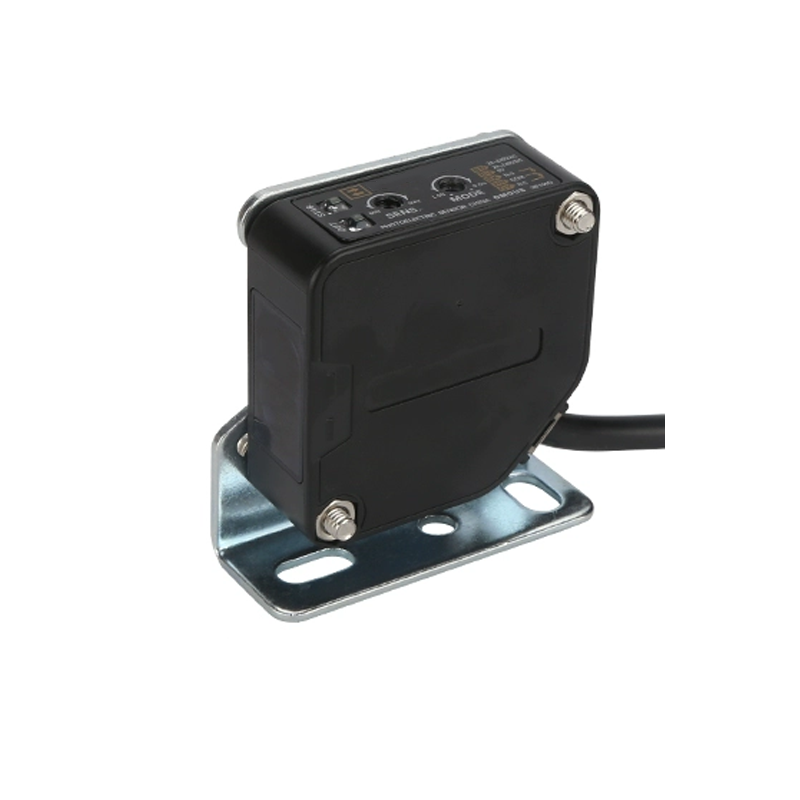
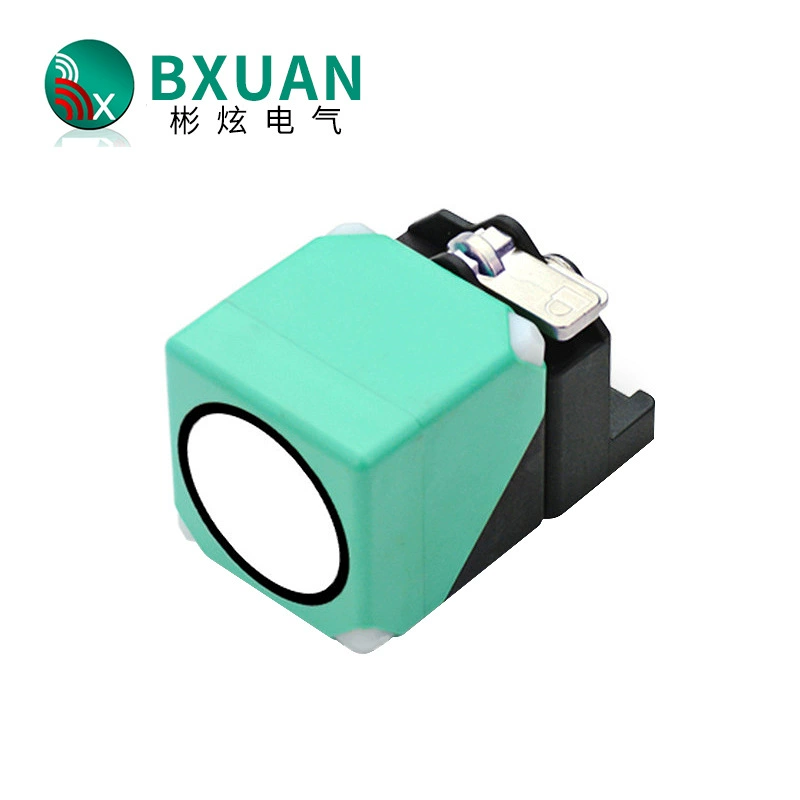
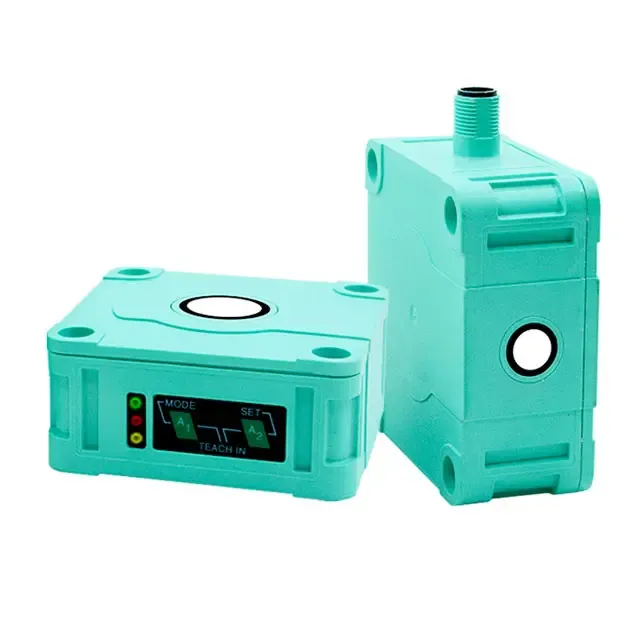
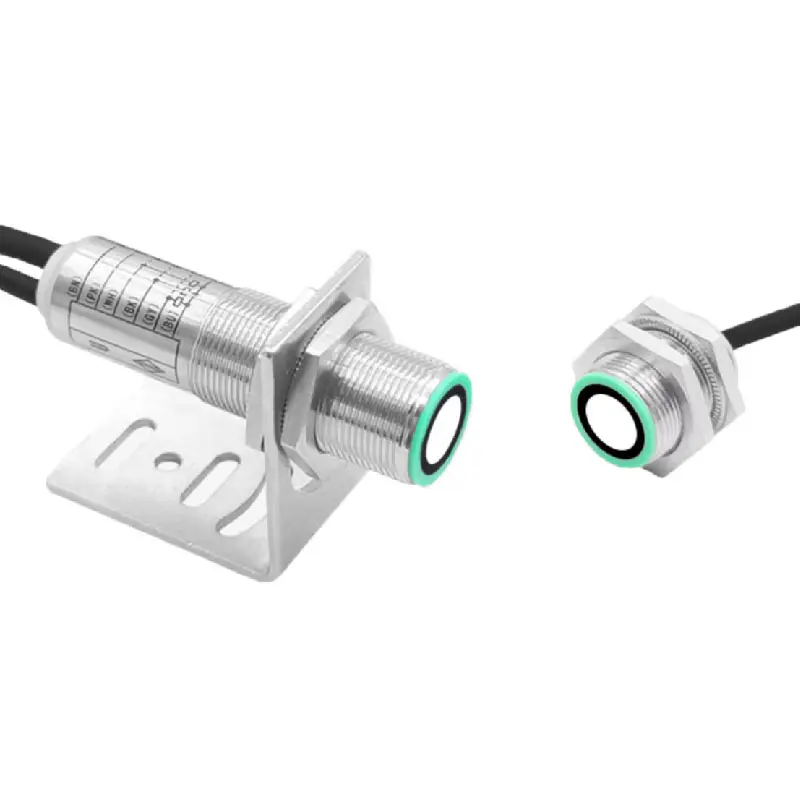
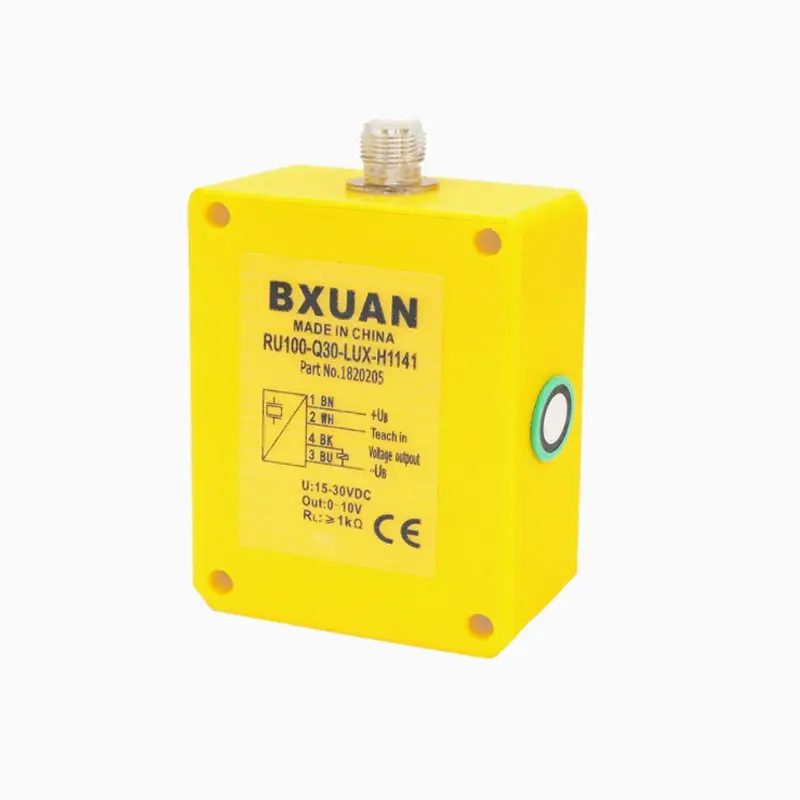
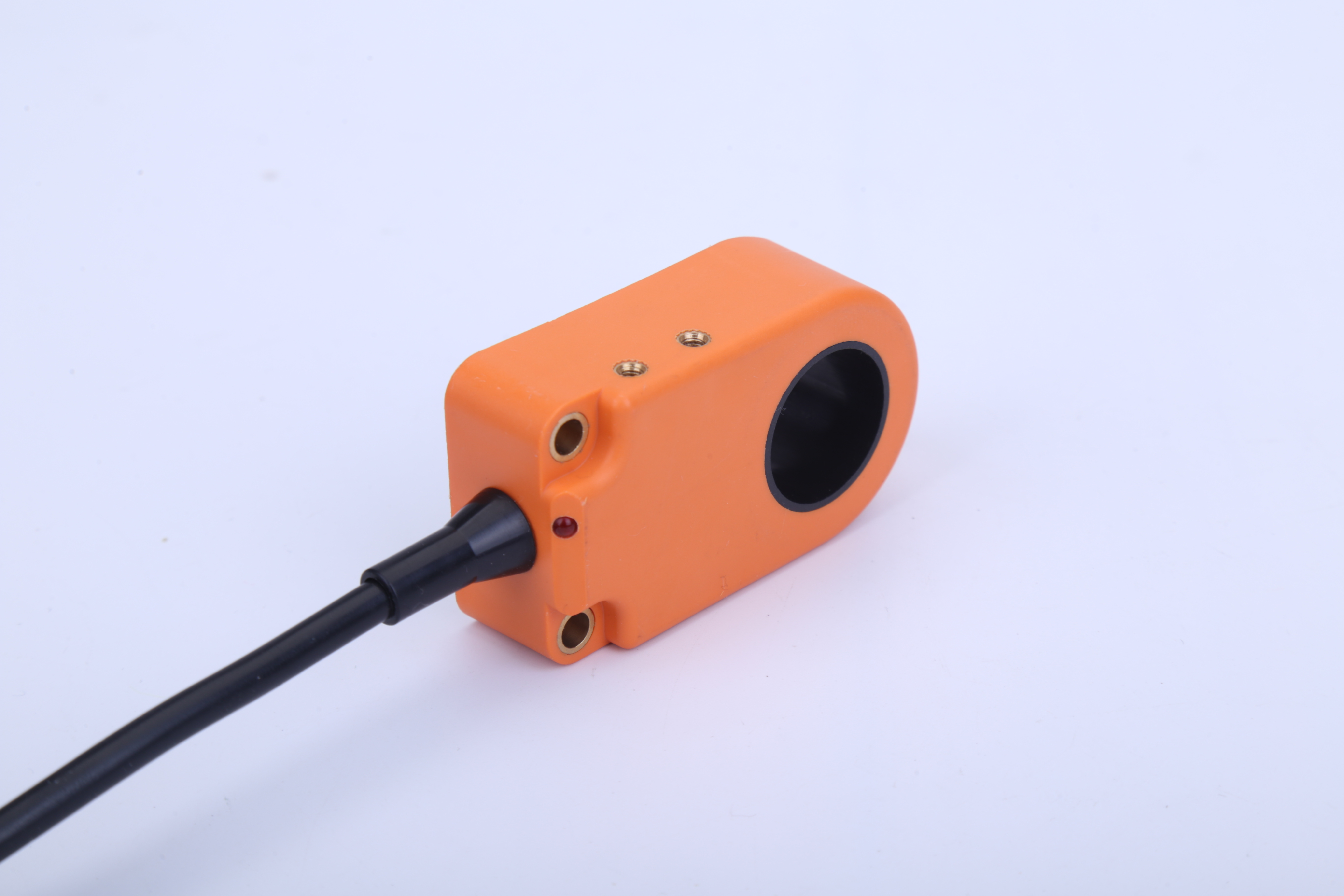
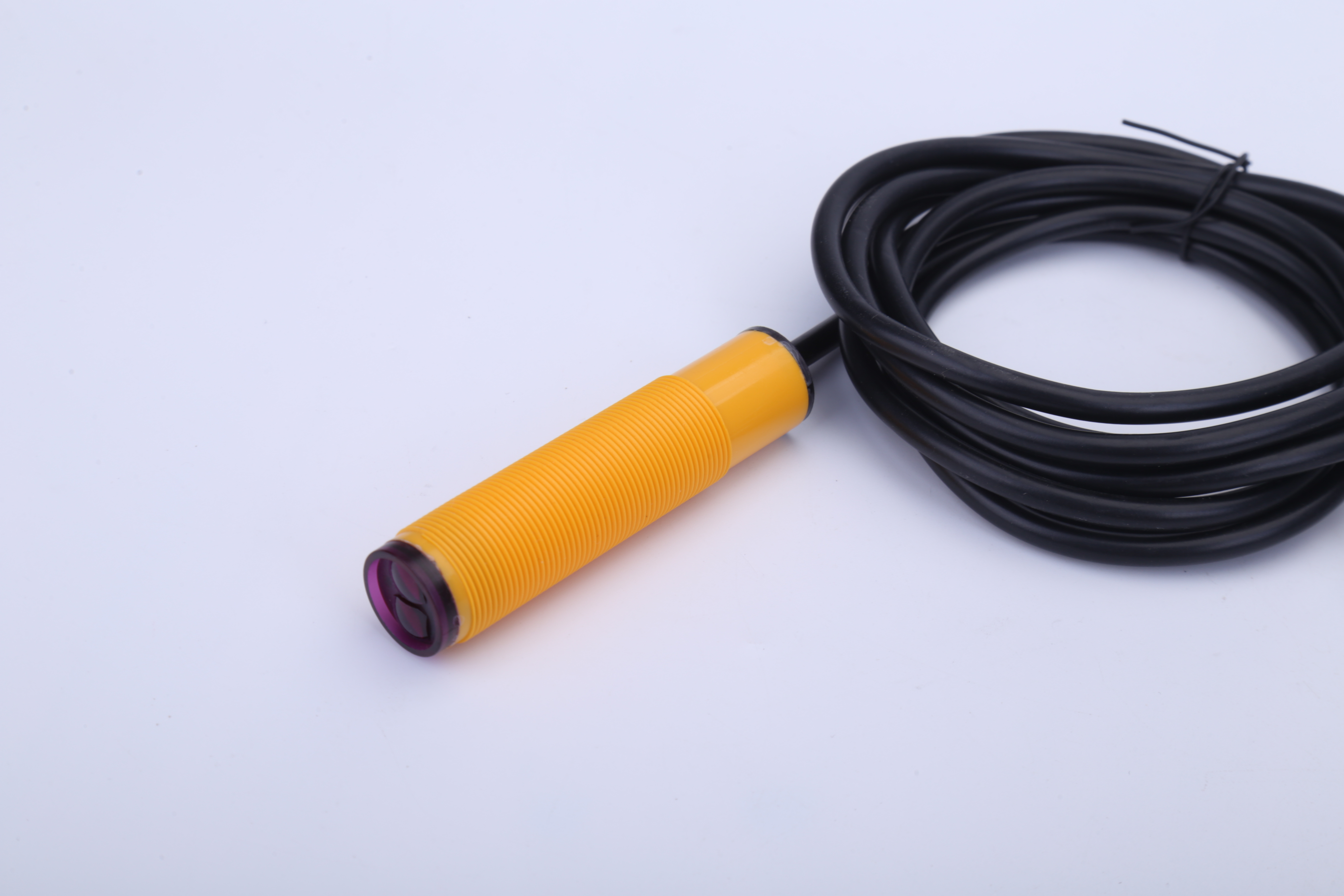
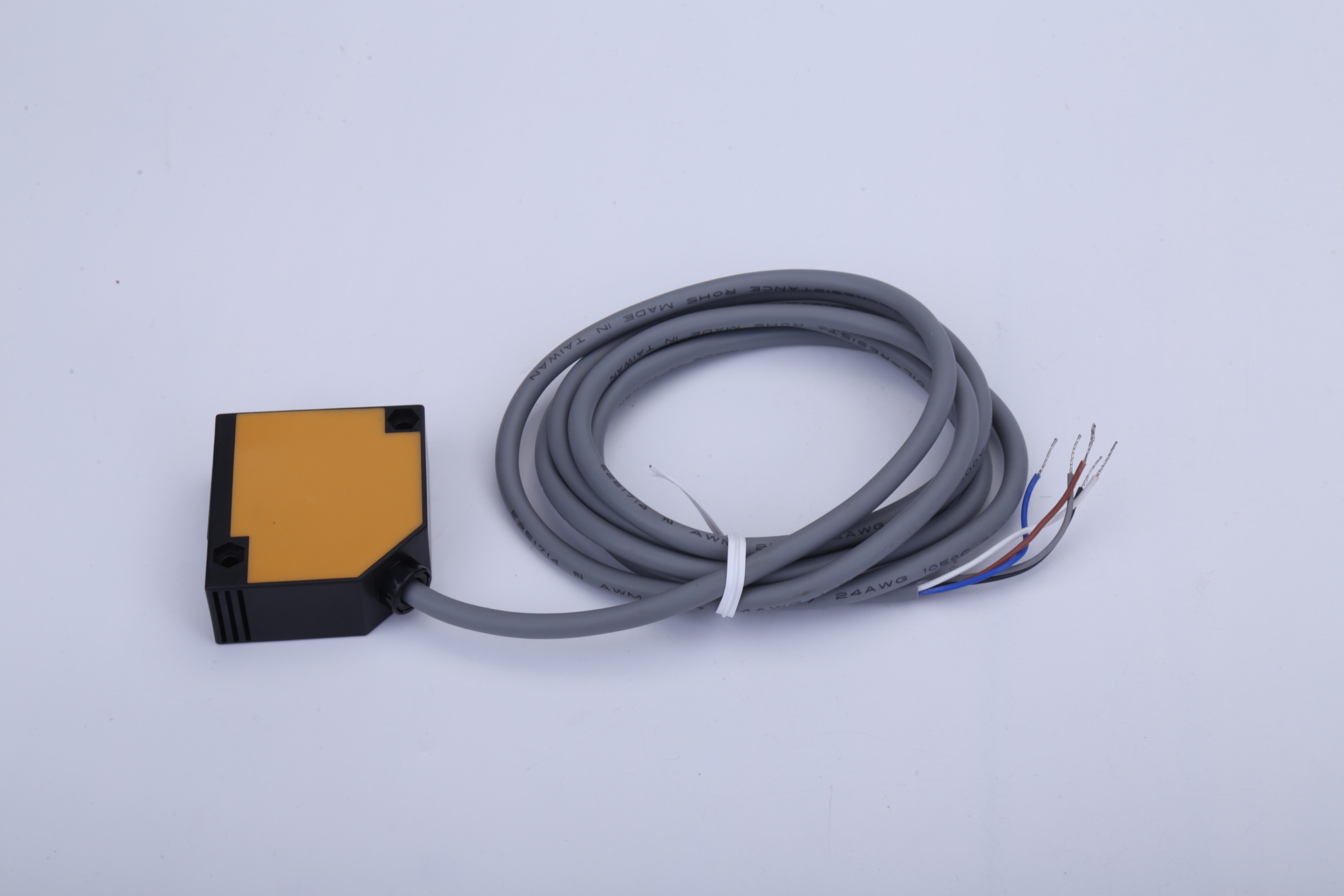
Industrial Optical Sensors: Advanced Detection Solutions for Smart Manufacturing

Get a Free Quote

Our representative will contact you soon.
Email
Name
Company Name
Message
0/1000

industrial optical sensor

Industrial optical sensors represent a cornerstone of modern automation and process control, combining advanced photonic technology with precision measurement capabilities. These sophisticated devices utilize light-based detection methods to monitor and measure various physical parameters in industrial environments. Operating through the principles of light emission and reception, these sensors can detect presence, distance, color, and other object properties with exceptional accuracy. The technology employs various light sources, including LED, laser, and infrared, coupled with photoelectric receivers that translate light signals into electrical outputs. Industrial optical sensors excel in both discrete and continuous measurement applications, offering non-contact sensing solutions that prevent wear and contamination. They can operate in harsh industrial environments, withstanding extreme temperatures, vibrations, and electromagnetic interference. The sensors interface seamlessly with industrial control systems through standardized outputs, enabling real-time monitoring and process optimization. Their applications span across multiple industries, from manufacturing and packaging to quality control and safety systems. Modern optical sensors often incorporate smart features like self-diagnostics, digital filtering, and programmable parameters, ensuring reliable operation and easy maintenance. These devices play a crucial role in Industry 4.0 initiatives, contributing to automated decision-making and predictive maintenance strategies.

New Product Recommendations

Industrial optical sensors offer numerous compelling advantages that make them indispensable in modern industrial applications. First and foremost, their non-contact operation eliminates mechanical wear and extends operational lifespan, resulting in reduced maintenance costs and improved reliability. These sensors provide exceptional accuracy and repeatability, crucial for precise measurements in quality control and manufacturing processes. The high-speed response time of optical sensors enables real-time monitoring and instant decision-making, essential for fast-moving production lines. Their versatility allows for detection of various parameters, from simple presence detection to complex measurements of size, position, and color. The robust design of industrial optical sensors ensures consistent performance in challenging environments, including areas with dust, moisture, or temperature variations. These sensors are particularly valuable in safety applications, creating invisible light barriers that protect workers and equipment. The easy installation and configuration process reduces setup time and costs, while their compact size allows for flexible mounting options in space-constrained areas. Modern optical sensors feature advanced diagnostic capabilities, helping prevent unexpected downtime through early warning systems. Their energy efficiency contributes to reduced operational costs, while their digital outputs enable seamless integration with modern control systems. The absence of moving parts minimizes maintenance requirements and increases reliability. Furthermore, these sensors support remote monitoring and configuration, aligning with Industry 4.0 principles and enabling predictive maintenance strategies. Their scalability and adaptability make them suitable for both simple and complex applications, providing a future-proof solution for evolving industrial needs.

Tips And Tricks

Ultrasonic Sensors in Distance Measurement: Accuracy and Reliability

04

Aug

Ultrasonic Sensors in Distance Measurement: Accuracy and Reliability

Why Ultrasonic Sensors Are Preferred for Distance Measurement Enhancing Measurement Precision in Challenging Conditions Ultrasonic Sensors use time-of-flight of sound pulses to determine distances accurately, making them highly effective in environm...
View More
 The Advantages of Ultrasonic Sensors in Harsh Environments

04

Aug

The Advantages of Ultrasonic Sensors in Harsh Environments

Why Ultrasonic Sensors Thrive in Harsh Conditions Robustness Against Dust and Dirt Ultrasonic Sensors operate by emitting sound waves and measuring their echoes, so they are less affected by dust and dirt compared to optical or infrared sensors. Sin...
View More
How Does an Ultrasonic Sensor Improve Distance Measurement?

28

Sep

How Does an Ultrasonic Sensor Improve Distance Measurement?

Understanding the Evolution of Distance Measurement Technology The landscape of distance measurement has been revolutionized by the emergence of ultrasonic sensor technology. These sophisticated devices have transformed how industries and everyday ap...
View More
How Does a Proximity Sensor Improve Safety and Efficiency?

28

Sep

How Does a Proximity Sensor Improve Safety and Efficiency?

Understanding the Revolutionary Impact of Proximity Detection Technology In today's rapidly evolving industrial landscape, proximity sensors have emerged as a cornerstone of automated safety and operational efficiency. These sophisticated devices ser...
View More

Get a Free Quote

Our representative will contact you soon.
Email
Name
Company Name
Message
0/1000

industrial optical sensor

Advanced Detection Capabilities

Advanced Detection Capabilities

Industrial optical sensors excel in their sophisticated detection capabilities, utilizing cutting-edge photonic technology to achieve unprecedented levels of accuracy and versatility. These sensors employ advanced light-based detection methods, including laser, LED, and infrared technologies, enabling them to perform complex measurements with microscopic precision. The ability to detect multiple parameters simultaneously, such as position, distance, color, and transparency, makes them invaluable in quality control applications. The sensors incorporate intelligent processing algorithms that filter out environmental noise and compensate for ambient light variations, ensuring reliable measurements under varying conditions. Their high-resolution capabilities allow for detection of minute changes in object properties, crucial for precision manufacturing and sorting applications. The integration of smart features enables automatic calibration and adjustment, maintaining optimal performance without manual intervention.
Robust Environmental Resistance

Robust Environmental Resistance

The exceptional environmental resistance of industrial optical sensors sets them apart in demanding industrial applications. These sensors are engineered with IP67 or IP68 rated enclosures, providing complete protection against dust and water ingress. Their robust construction includes reinforced housings and specialized optical components that withstand extreme temperatures, from sub-zero to high-heat environments. The sensors maintain stable performance despite exposure to vibrations, shock, and electromagnetic interference, common in industrial settings. Advanced temperature compensation mechanisms ensure consistent measurements across varying environmental conditions. The optical elements are treated with special coatings that resist scratches and chemical exposure, maintaining clear optical paths for extended periods. This environmental resilience translates to reduced maintenance requirements and increased operational reliability in harsh industrial conditions.
Smart Integration Capabilities

Smart Integration Capabilities

The smart integration capabilities of industrial optical sensors represent a significant advancement in industrial automation. These sensors feature comprehensive communication protocols, including IO-Link, Ethernet/IP, and Profinet, enabling seamless integration with existing industrial networks. Their intelligent interfaces support real-time data exchange and remote configuration, facilitating efficient process control and monitoring. The sensors include built-in diagnostic functions that continuously monitor their operational status and performance metrics, enabling predictive maintenance strategies. Advanced data processing capabilities allow for on-sensor analytics, reducing the load on central control systems. The ability to store and manage multiple configuration profiles enables quick changeovers in flexible manufacturing environments. These integration features make the sensors key components in smart factory initiatives, supporting data-driven decision-making and automated process optimization.
Industrial Optical Sensors: Advanced Detection Solutions for Smart Manufacturing

Get a Free Quote

Our representative will contact you soon.
Email
Name
Company Name
Message
0/1000