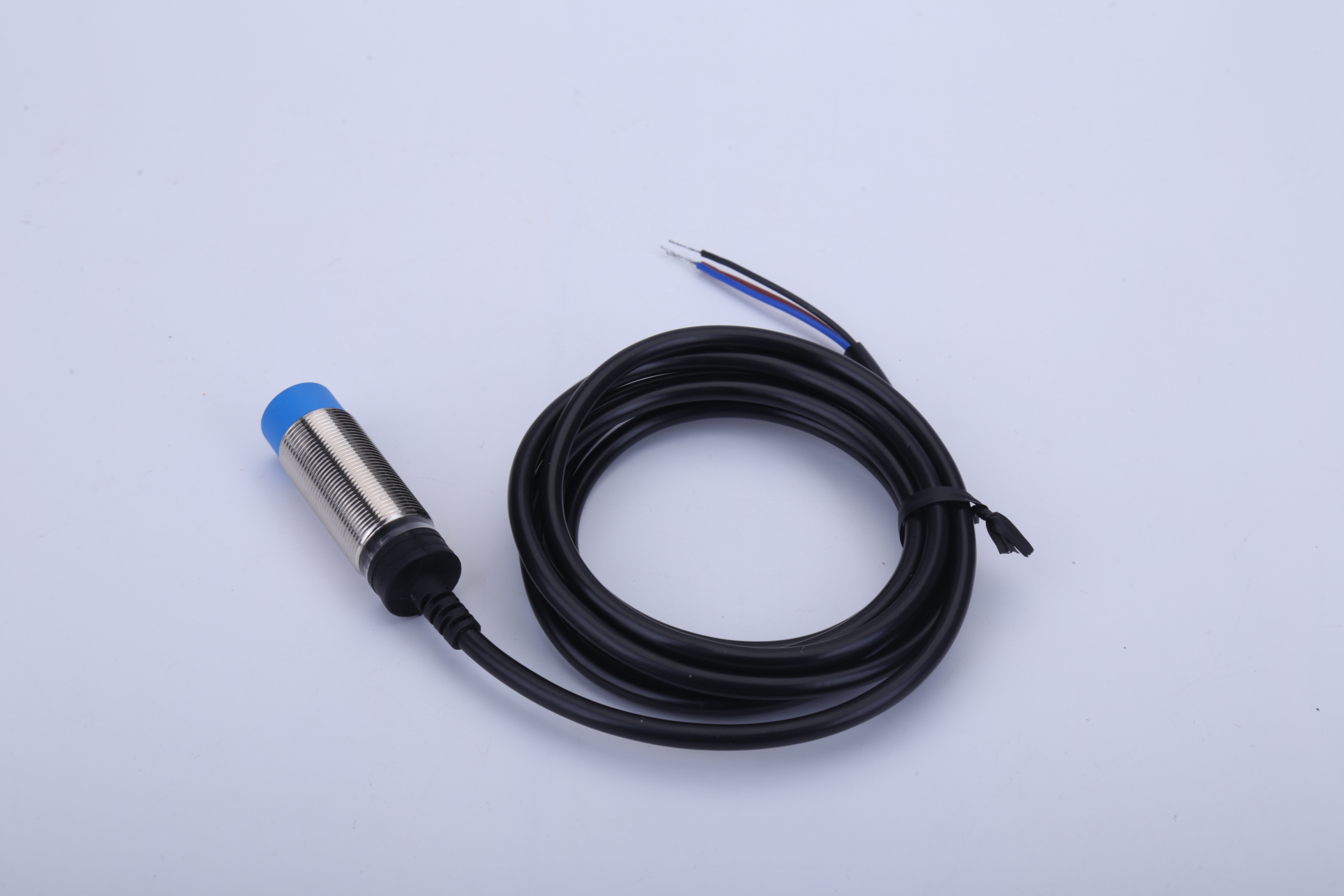
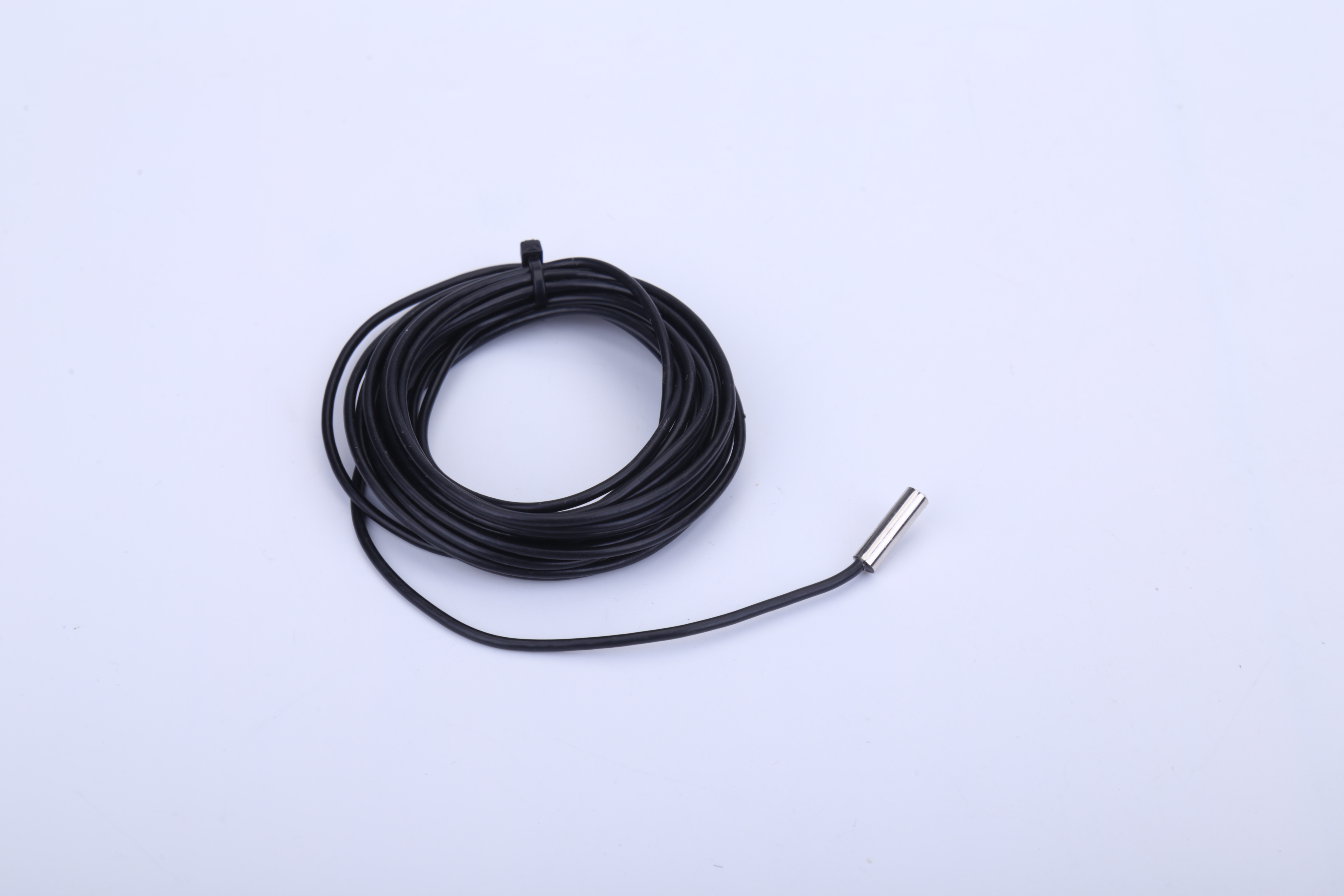
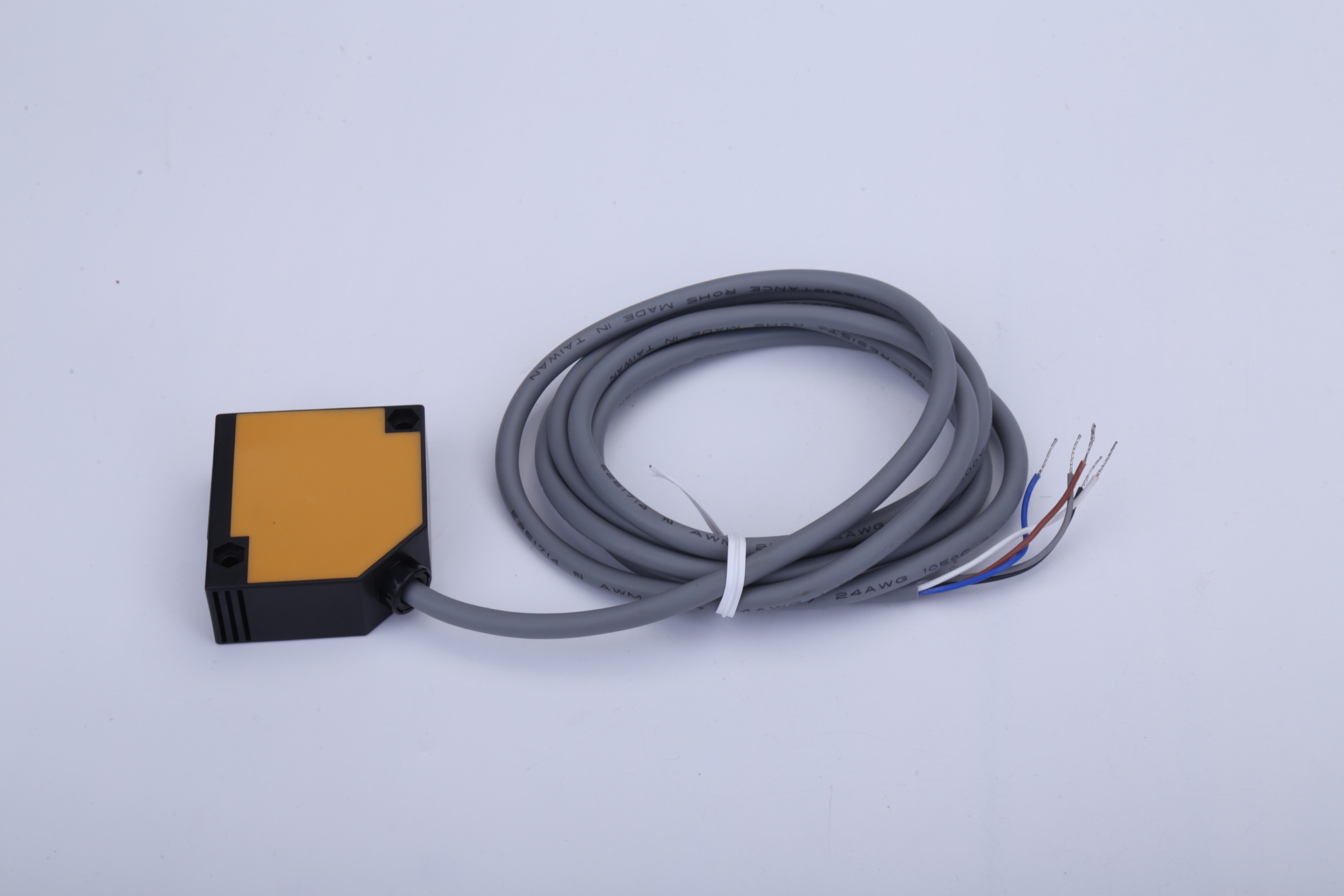
Inductive Proximity Sensors: Advanced Detection Technology for Industrial Automation

Get a Free Quote

Our representative will contact you soon.
Email
Name
Company Name
Message
0/1000

inductive type proximity sensor

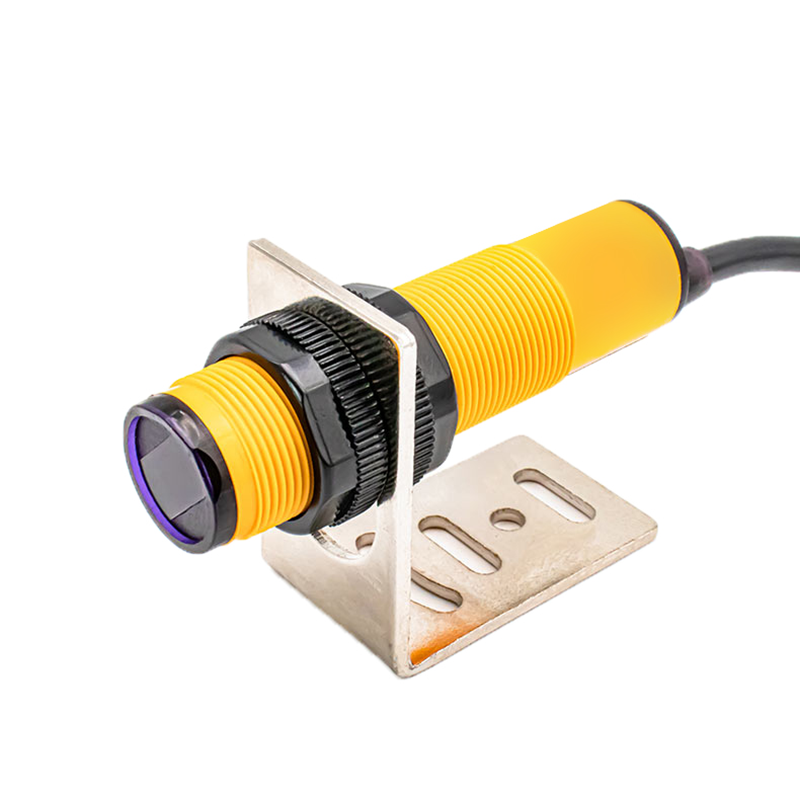
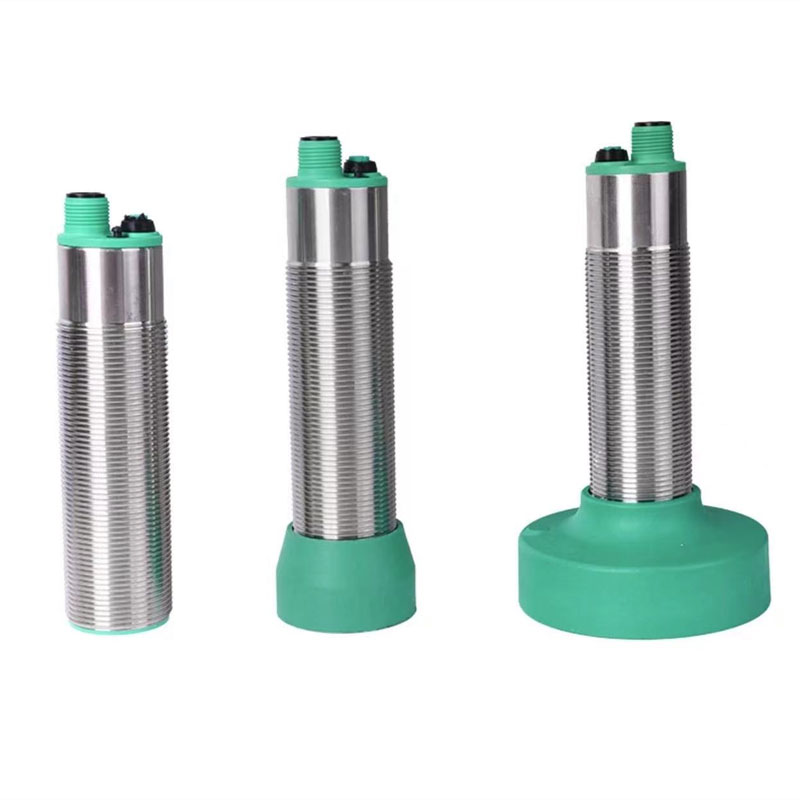
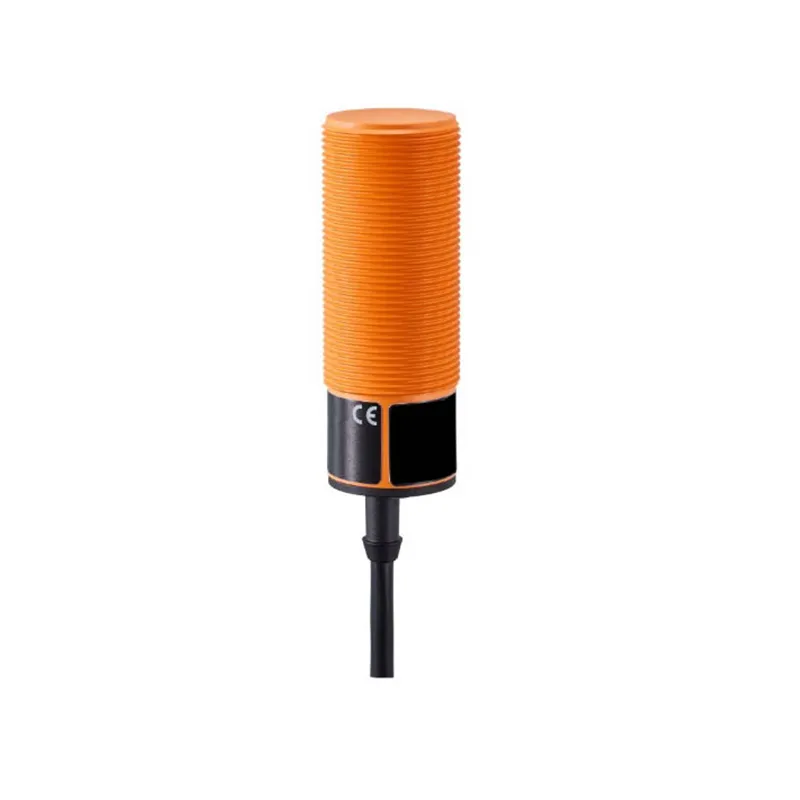
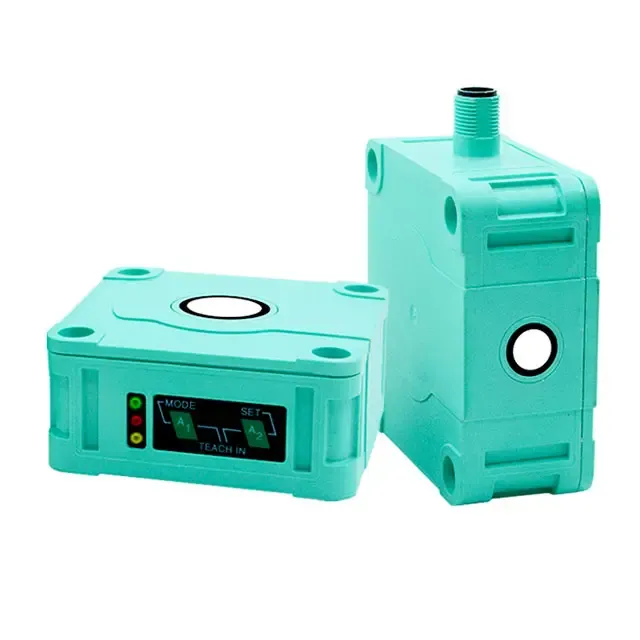
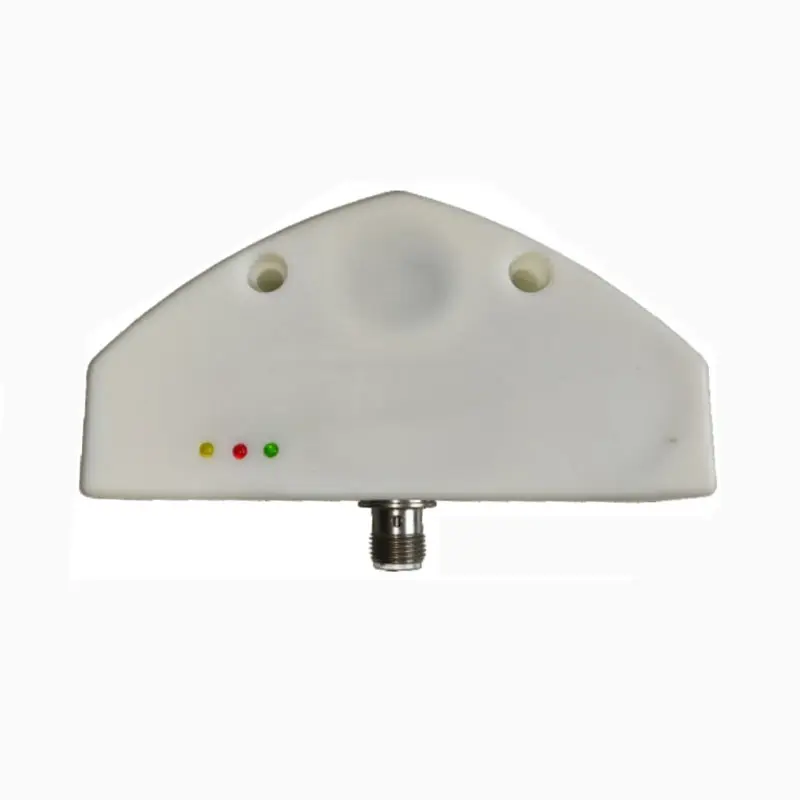
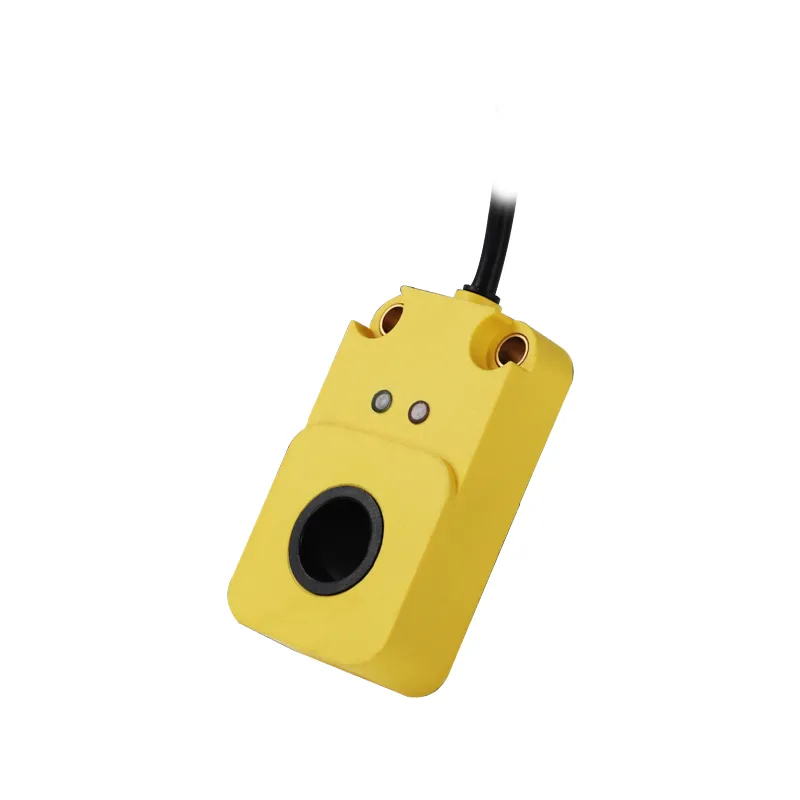
Inductive type proximity sensors are sophisticated non-contact detection devices that operate based on electromagnetic principles to detect metallic objects. These sensors generate a high-frequency electromagnetic field that interacts with conductive targets, causing changes in the field when metal objects enter the sensing zone. The sensor's oscillator creates an electromagnetic field through a ferrite core and coil arrangement, and when a metallic target approaches, eddy currents are induced in the target, resulting in a loss of energy in the oscillator circuit. This energy loss triggers the sensor's output to change state, indicating the presence of the target. Modern inductive proximity sensors feature advanced circuitry that ensures stable operation across varying environmental conditions, including temperature fluctuations and electromagnetic interference. They are particularly valuable in industrial automation, manufacturing processes, and quality control applications. The sensors offer exceptional reliability with no moving parts, making them highly durable and maintenance-free. Their fast response times, typically in microseconds, enable precise detection in high-speed applications. These sensors are available in various form factors, sensing ranges, and output configurations to accommodate different installation requirements and control system interfaces. The technology has evolved to include enhanced features such as extended sensing ranges, improved temperature stability, and advanced diagnostic capabilities.

New Product Recommendations

Inductive type proximity sensors offer numerous practical benefits that make them indispensable in modern industrial applications. Their non-contact operation eliminates mechanical wear and tear, resulting in exceptional longevity and minimal maintenance requirements. This contactless detection method also prevents damage to both the sensor and the target object, ensuring consistent performance over extended periods. These sensors excel in harsh industrial environments, maintaining reliable operation despite exposure to dust, dirt, oil, and other contaminants. Their immunity to environmental factors makes them ideal for challenging applications where optical or mechanical sensors might fail. The solid-state construction ensures outstanding durability, with many units operating continuously for years without requiring replacement. Response times are remarkably fast, allowing for precise detection in high-speed production lines and automated systems. Installation and setup are straightforward, with no complex calibration procedures required in most cases. These sensors provide consistent accuracy regardless of target speed or approach direction, making them highly reliable for positioning and presence detection applications. They offer excellent repeatability, ensuring consistent detection points across multiple operations. The sensors require minimal power consumption and can operate from standard industrial power supplies. Their compact size allows for installation in confined spaces, while their robust construction withstands vibration and mechanical shock. Modern inductive sensors often include built-in protection against short circuits, reverse polarity, and voltage spikes, enhancing their reliability in industrial settings. They can function effectively across a wide temperature range and are unaffected by ambient light conditions.

Tips And Tricks

Proximity Switch vs. Limit Switch: Which One to Choose?

21

Jul

Proximity Switch vs. Limit Switch: Which One to Choose?

Understanding the Functionality of Modern Switches in Industrial Automation In industrial automation and control systems, choosing the right switch can significantly impact efficiency, safety, and overall system reliability. Two of the most commonly ...
View More
How Does an Ultrasonic Sensor Improve Distance Measurement?

28

Sep

How Does an Ultrasonic Sensor Improve Distance Measurement?

Understanding the Evolution of Distance Measurement Technology The landscape of distance measurement has been revolutionized by the emergence of ultrasonic sensor technology. These sophisticated devices have transformed how industries and everyday ap...
View More
Why Choose an Ultrasonic Sensor for Industrial Applications?

28

Sep

Why Choose an Ultrasonic Sensor for Industrial Applications?

Revolutionizing Industrial Sensing Technology with Ultrasonic Solutions Modern industrial processes demand precise, reliable, and versatile sensing technologies to maintain operational excellence. Ultrasonic sensors have emerged as a cornerstone tech...
View More
Why Is a Proximity Sensor Essential in Automation Systems?

28

Sep

Why Is a Proximity Sensor Essential in Automation Systems?

Understanding the Foundation of Modern Industrial Automation In the rapidly evolving landscape of industrial automation, proximity sensors have emerged as fundamental components that drive efficiency, safety, and precision in manufacturing processes....
View More

Get a Free Quote

Our representative will contact you soon.
Email
Name
Company Name
Message
0/1000

inductive type proximity sensor

Superior Environmental Resistance

Superior Environmental Resistance

Inductive type proximity sensors demonstrate exceptional resilience in challenging industrial environments, setting them apart from other sensing technologies. Their sealed construction, typically rated IP67 or higher, provides complete protection against dust ingress and temporary immersion in water. This robust environmental protection enables reliable operation in applications exposed to cutting fluids, lubricants, and other industrial contaminants. The sensors maintain consistent performance across wide temperature ranges, typically from -25°C to +70°C, making them suitable for both indoor and outdoor installations. Their immunity to electromagnetic interference ensures reliable operation near welding equipment, motor drives, and other sources of electrical noise. The sensing face can be constructed from durable materials like stainless steel or chemical-resistant plastics, providing excellent resistance to aggressive chemicals and mechanical impact.
Enhanced Detection Capabilities

Enhanced Detection Capabilities

The advanced sensing technology incorporated in modern inductive proximity sensors delivers superior detection capabilities that benefit numerous industrial applications. These sensors offer precise switching points with minimal hysteresis, ensuring accurate and repeatable target detection. The sensing range remains stable despite temperature variations and supply voltage fluctuations, maintaining consistent performance under varying conditions. Advanced models feature increased sensing distances compared to traditional designs, allowing for greater mounting flexibility and improved machine design options. The sensors can detect any metallic target, with correction factors available for different materials, enabling versatile application across various industries. Their high switching frequency capabilities, often exceeding 2000 Hz, make them ideal for high-speed counting and positioning applications. The ability to detect targets through non-metallic materials adds flexibility in mounting options and protection strategies.
Integrated Diagnostic Features

Integrated Diagnostic Features

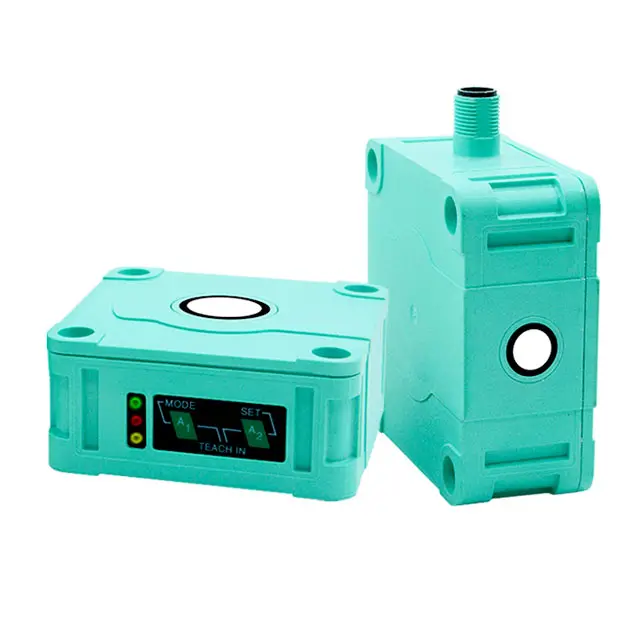
Modern inductive proximity sensors incorporate sophisticated diagnostic capabilities that enhance their value in industrial automation systems. These features include LED status indicators that provide instant visual feedback on sensor operation, target detection, and potential issues. Many models offer self-monitoring capabilities that can detect internal malfunctions, short circuits, or connection problems, preventing unexpected downtime. Advanced units include temperature monitoring and compensation circuits that maintain consistent performance across their operating range. Some sensors feature programmable switching points and hysteresis settings, allowing customization for specific application requirements. Integrated surge protection and reverse polarity protection safeguard the sensor against common electrical faults. The ability to communicate diagnostic information to control systems enables predictive maintenance strategies and reduces unexpected failures.
Inductive Proximity Sensors: Advanced Detection Technology for Industrial Automation

Get a Free Quote

Our representative will contact you soon.
Email
Name
Company Name
Message
0/1000