Capacitive Proximity Sensor Pricing: Complete Guide to Cost-Effective Industrial Sensing Solutions

Get a Free Quote

Our representative will contact you soon.
Email
Name
Company Name
Message
0/1000

capacitive proximity sensor price

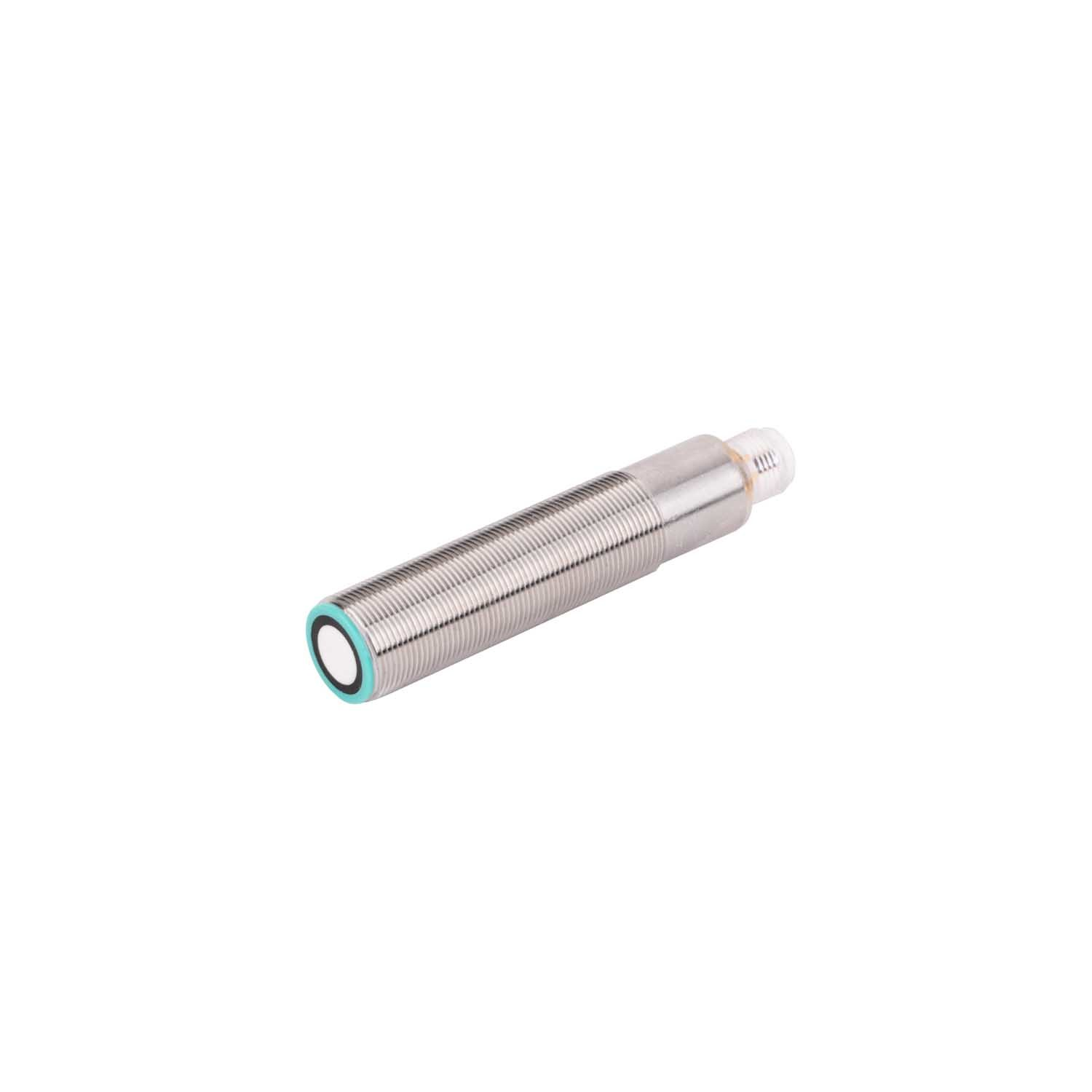
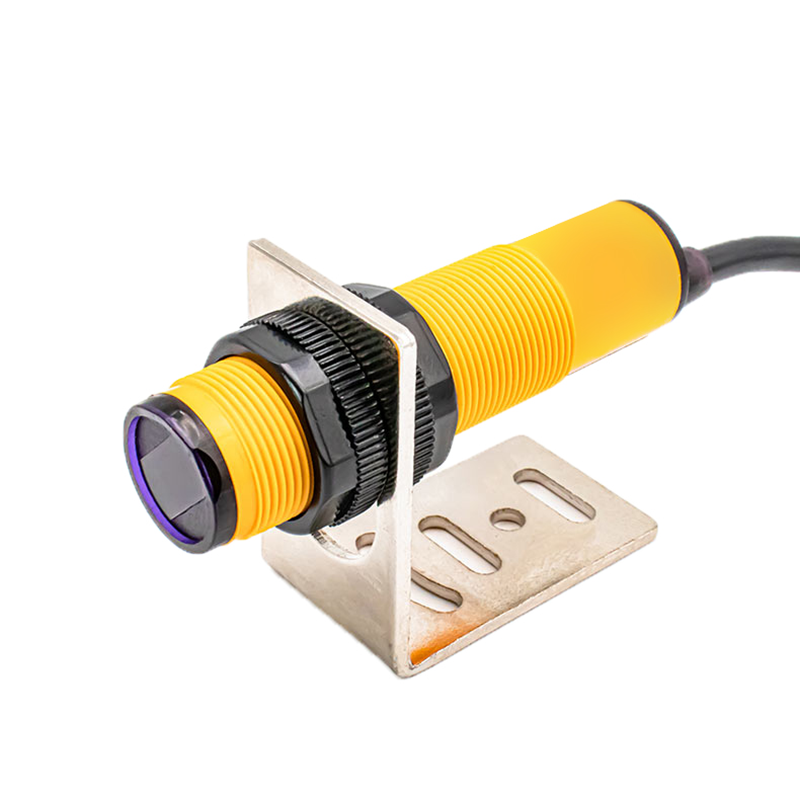
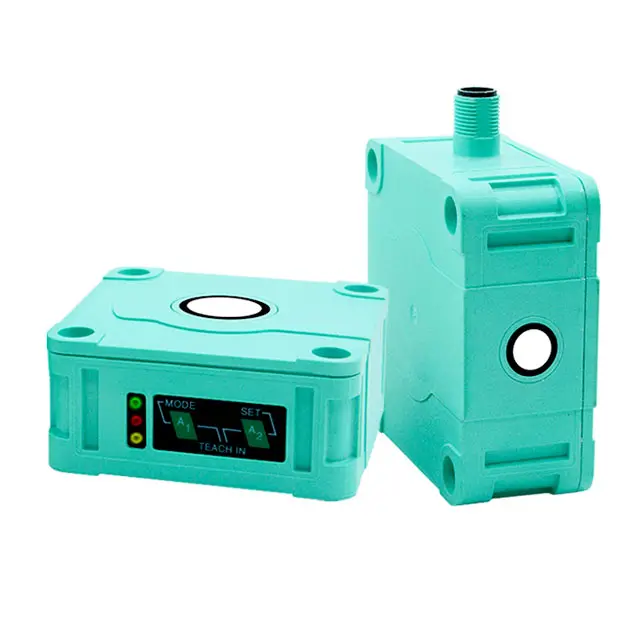
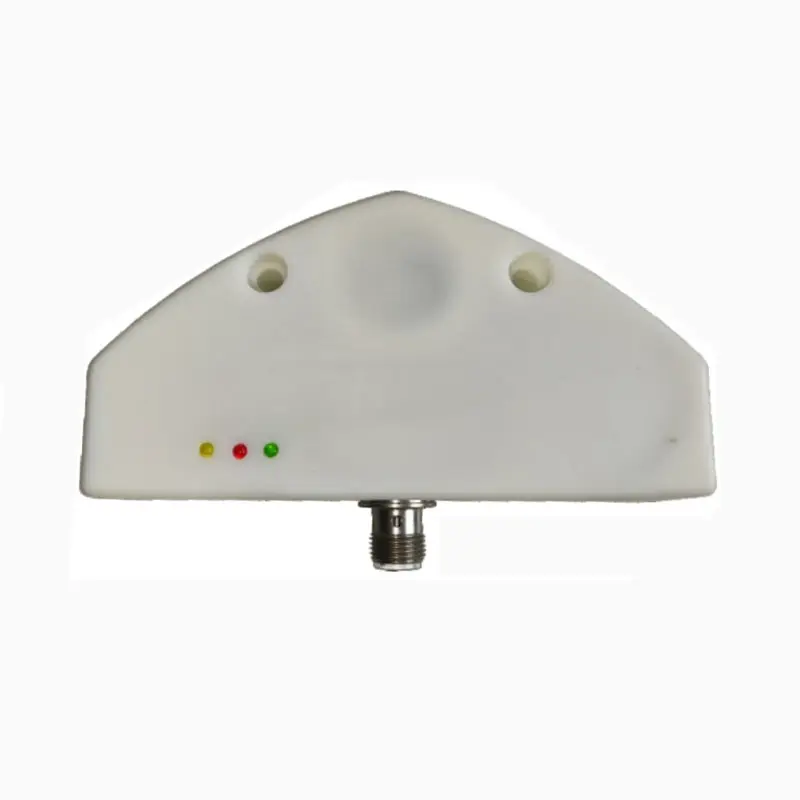
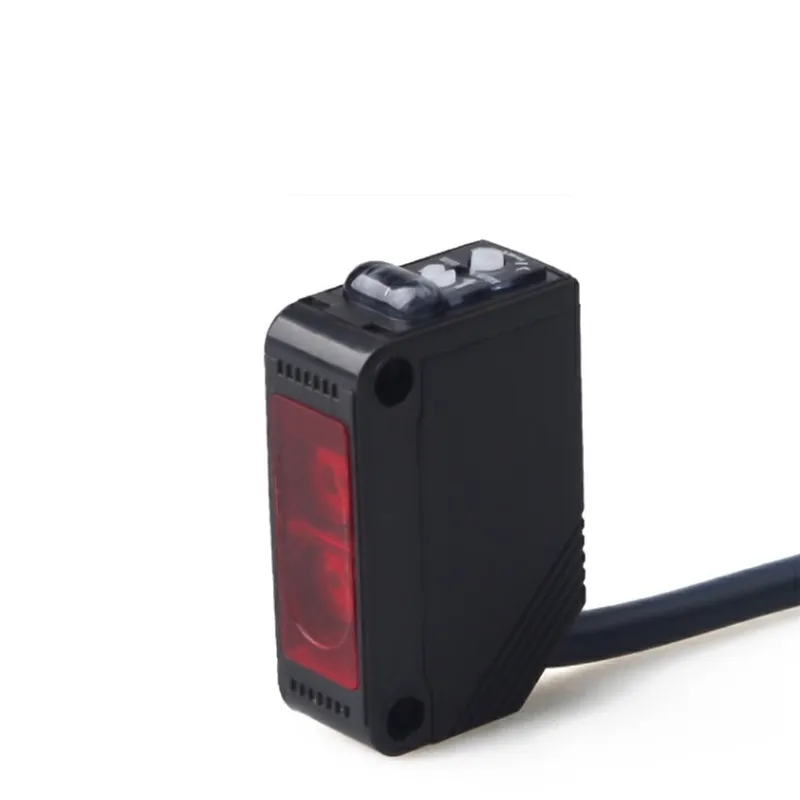
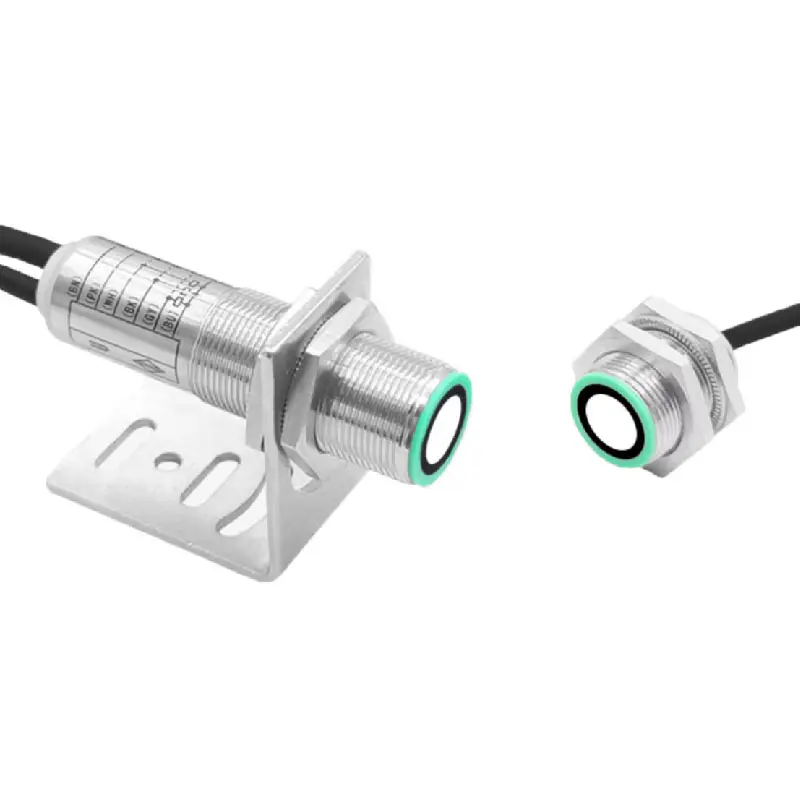
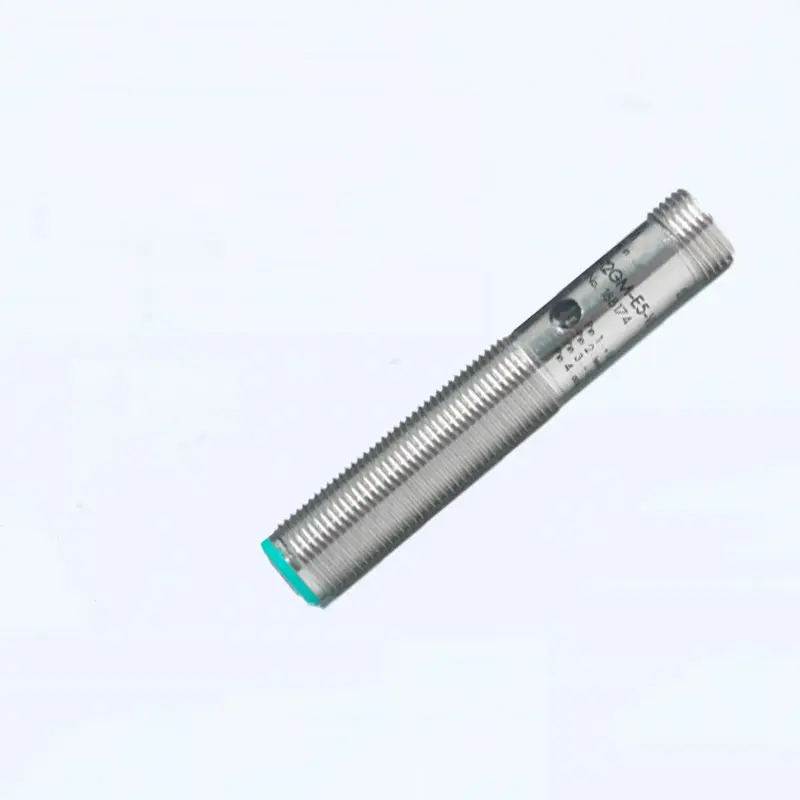
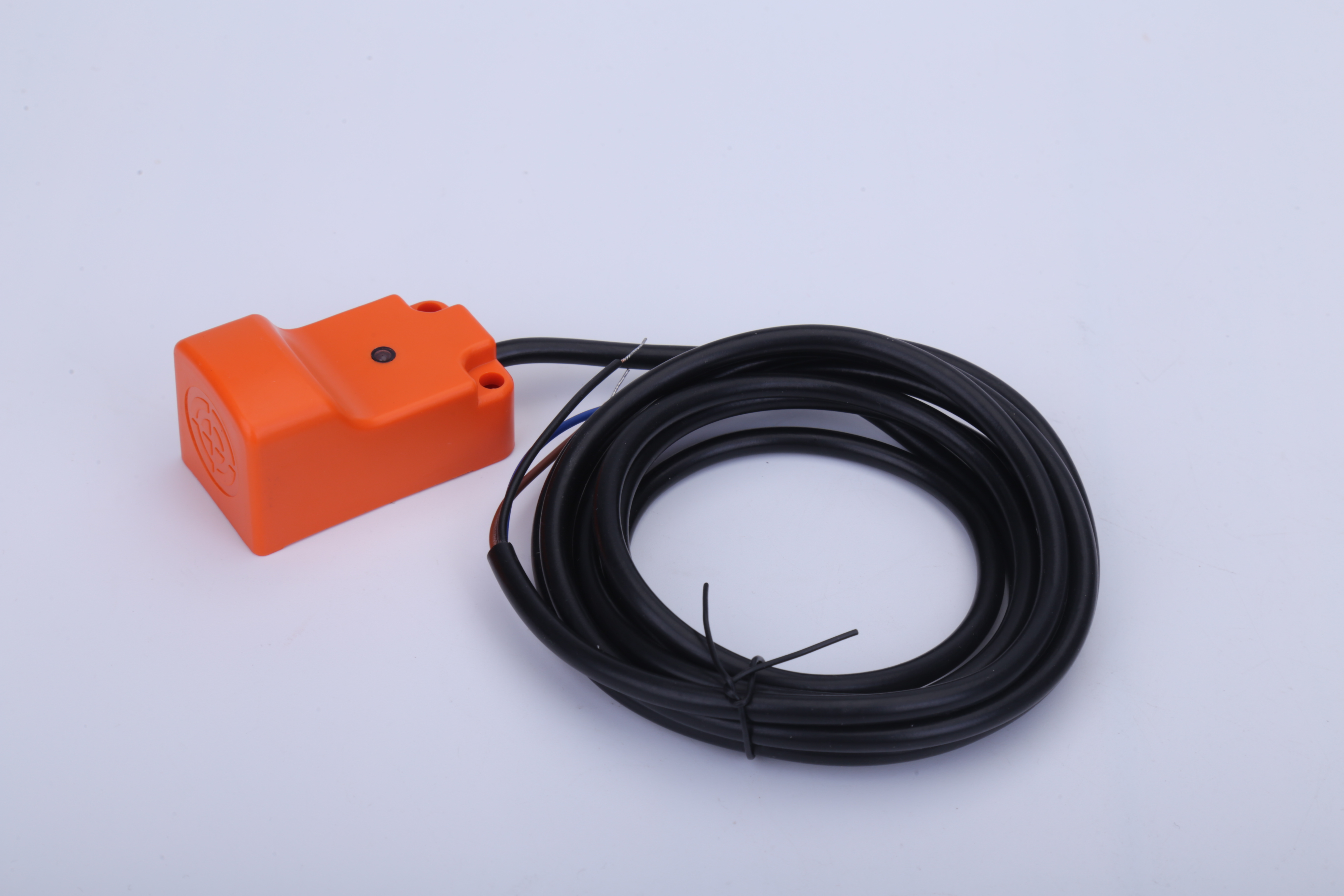
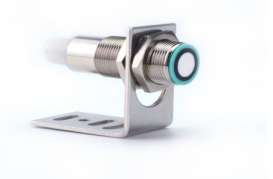
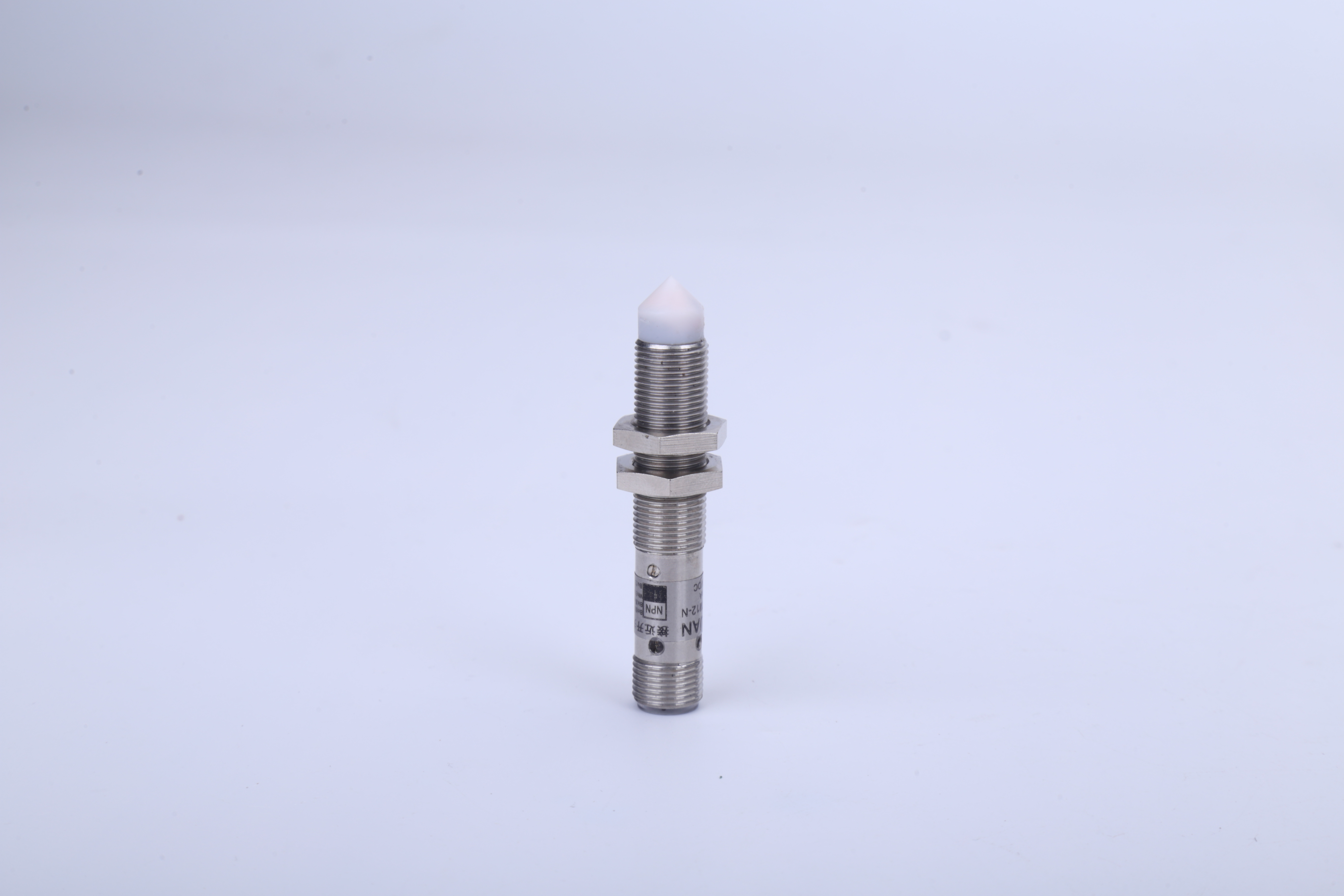
Capacitive proximity sensor pricing encompasses a range of options that reflect the advanced technology and versatility of these essential industrial components. These sensors, typically ranging from $20 to $200 depending on specifications, offer non-contact detection capabilities through electrical field changes. The price variation is influenced by factors such as sensing range, environmental protection rating, and output configurations. Entry-level sensors suitable for basic presence detection might fall in the lower price bracket, while high-end models with enhanced features such as adjustable sensitivity, digital displays, and industrial communication protocols command premium prices. The cost structure also considers the sensor's construction quality, with industrial-grade units featuring robust housings and superior environmental protection costing more than basic models. Many manufacturers offer different price points based on quantity purchases, with bulk orders typically receiving significant discounts. The investment in these sensors often proves cost-effective when considering their long-term reliability, minimal maintenance requirements, and critical role in automated systems.

New Products

The pricing structure of capacitive proximity sensors offers several compelling advantages that justify their investment. First, the scalable pricing model allows businesses to choose sensors that precisely match their application requirements and budget constraints. Entry-level sensors provide excellent value for basic applications, while premium models offer advanced features for more demanding environments. The cost-to-performance ratio is particularly favorable when considering the sensors' long operational life and minimal maintenance requirements. Unlike mechanical switches, these sensors have no moving parts to wear out, resulting in reduced replacement costs over time. The pricing also reflects the sensors' versatility across different applications, from level detection to material handling, making them a cost-effective solution for various industrial needs. Many manufacturers offer warranty coverage and technical support as part of the purchase price, adding value to the investment. The ability to detect multiple material types without physical contact reduces the risk of damage to both the sensor and the target object, leading to lower maintenance and replacement costs. Additionally, the energy efficiency of these sensors contributes to lower operating costs compared to alternative sensing technologies. The availability of different price points also enables businesses to standardize their sensor selection across multiple applications, potentially leading to volume pricing benefits and simplified maintenance procedures.

Latest News

Ultrasonic Sensor Applications: Level Measurement and Beyond

19

Jun

Ultrasonic Sensor Applications: Level Measurement and Beyond

Non-Contact Ultrasonic Level Measurement in Industrial Applications Continuous Liquid and Solid Level Monitoring Ultrasonic level measurement Such methods are advanced to prevent the necessity of physical contact with the contents. It functions...
View More
Top Benefits of Using Photoelectric Switches in Automation

19

Jun

Top Benefits of Using Photoelectric Switches in Automation

Enhanced Reliability in Harsh Industrial EnvironmentsDurability Against Dust and MoistureBrialliance Photoelectric switches are built to withstand harsh industrial conditions with rugged housing preventing dust and moisture penetration. These ca...
View More
 The Advantages of Ultrasonic Sensors in Harsh Environments

04

Aug

The Advantages of Ultrasonic Sensors in Harsh Environments

Why Ultrasonic Sensors Thrive in Harsh Conditions Robustness Against Dust and Dirt Ultrasonic Sensors operate by emitting sound waves and measuring their echoes, so they are less affected by dust and dirt compared to optical or infrared sensors. Sin...
View More
Ultrasonic Sensor Calibration: Ensuring Precise Measurements

04

Aug

Ultrasonic Sensor Calibration: Ensuring Precise Measurements

The Significance of Calibration in Ultrasonic Sensing Importance of Accurate Ranging in Ultrasonic Sensing Ultrasonic sensing relies on emitting sound waves and measuring reflections to determine distances. Calibration ensures that the time-of-fligh...
View More

Get a Free Quote

Our representative will contact you soon.
Email
Name
Company Name
Message
0/1000

capacitive proximity sensor price

Cost-Effective Performance Scaling

Cost-Effective Performance Scaling

The capacitive proximity sensor market offers a tiered pricing structure that effectively scales with performance requirements. Basic models starting around $20-30 provide reliable non-contact detection for straightforward applications, while mid-range options ($50-100) incorporate additional features such as increased sensing ranges and improved environmental protection. Premium models ($100-200+) offer advanced capabilities including programmable sensitivity, multiple output options, and comprehensive diagnostic features. This scalable pricing model ensures businesses can select sensors that precisely match their technical requirements and budget constraints, avoiding unnecessary expenditure on features they don't need while maintaining access to advanced capabilities when required.
Long-Term Value Proposition

Long-Term Value Proposition

The price point of capacitive proximity sensors represents an excellent long-term value proposition when considering their total cost of ownership. These sensors typically offer operational lifespans of 5-10 years or more under normal conditions, with minimal maintenance requirements. The absence of mechanical wear components significantly reduces replacement frequency compared to traditional mechanical switches. Additionally, many manufacturers include extended warranty coverage and technical support in the purchase price, further enhancing the value proposition. The energy-efficient operation of these sensors, typically consuming less than 200mA of current, contributes to lower operating costs over their lifetime.
Volume Pricing Benefits

Volume Pricing Benefits

The pricing structure for capacitive proximity sensors includes significant advantages for volume purchases, making them particularly attractive for large-scale industrial applications. Bulk order discounts can reduce unit costs by 15-30% or more, depending on quantity and manufacturer. Many suppliers offer tiered pricing programs that lock in discounted rates for scheduled deliveries, helping businesses manage their inventory costs effectively. Additional value-added services such as custom calibration, specialized mounting options, and application-specific modifications are often available at reduced rates for volume customers. This pricing model enables businesses to standardize their sensor selection across multiple applications while maintaining cost-effectiveness.
Capacitive Proximity Sensor Pricing: Complete Guide to Cost-Effective Industrial Sensing Solutions

Get a Free Quote

Our representative will contact you soon.
Email
Name
Company Name
Message
0/1000