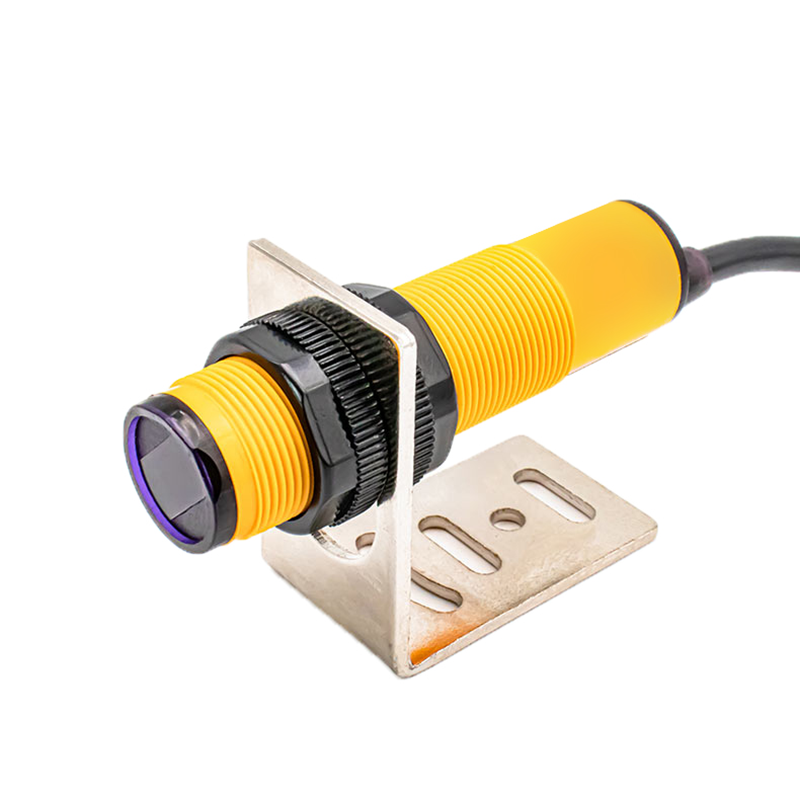
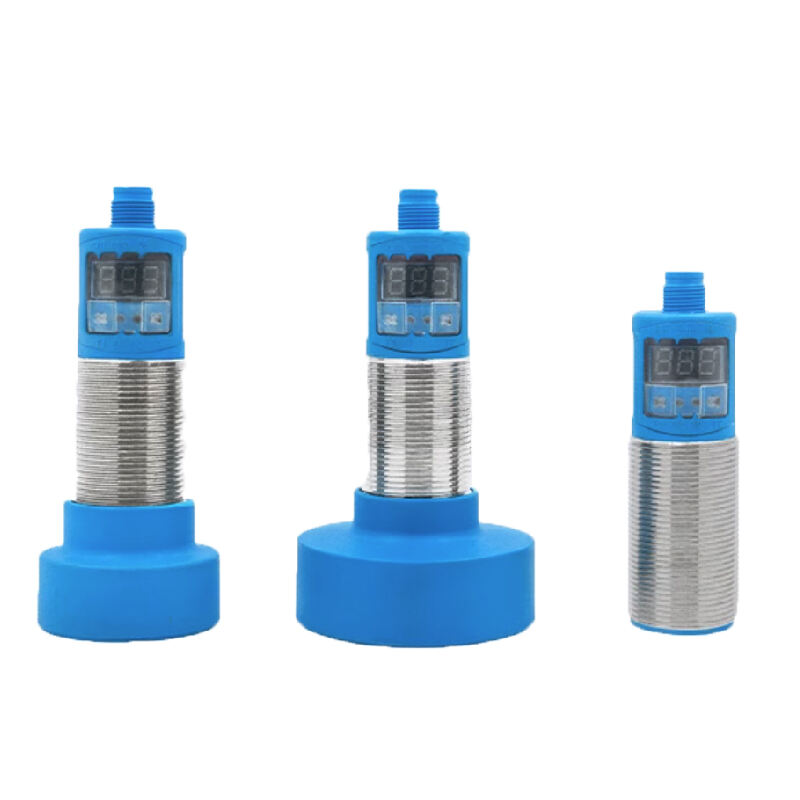
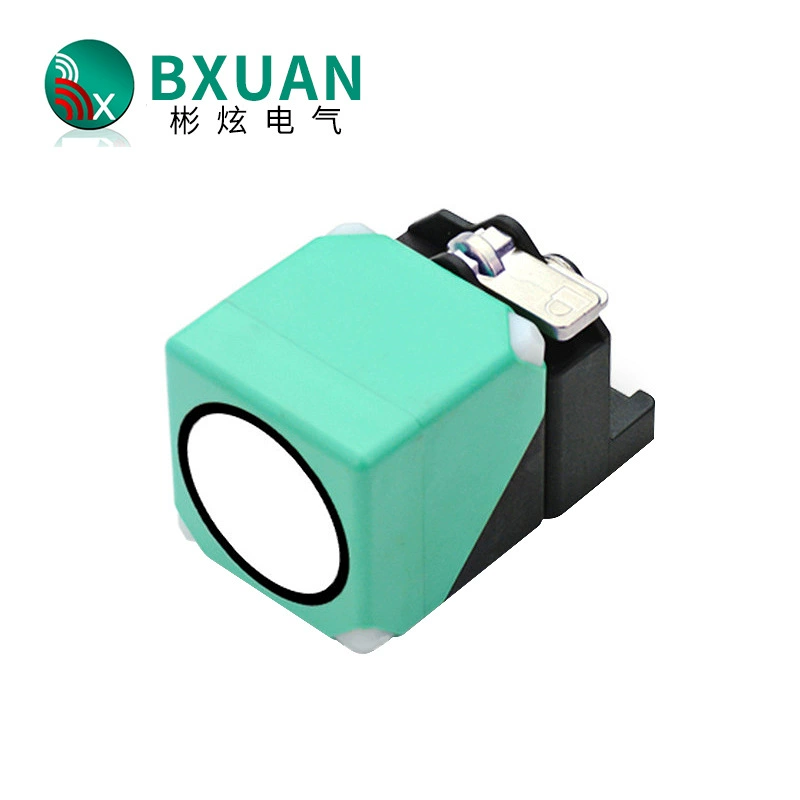
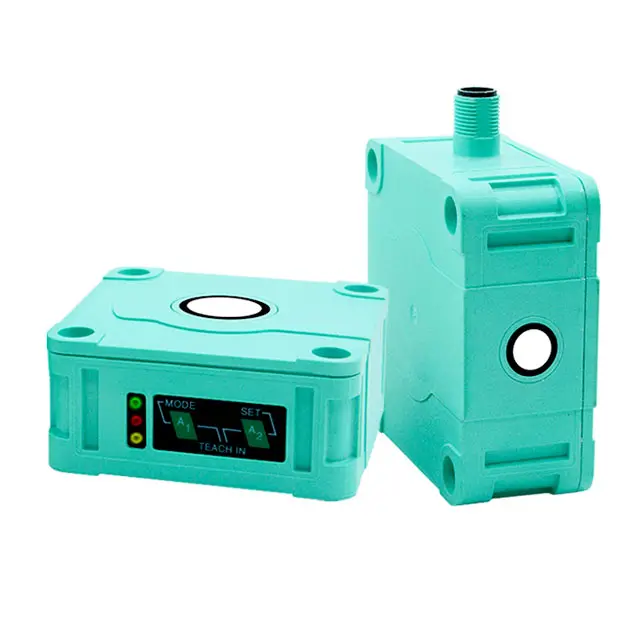
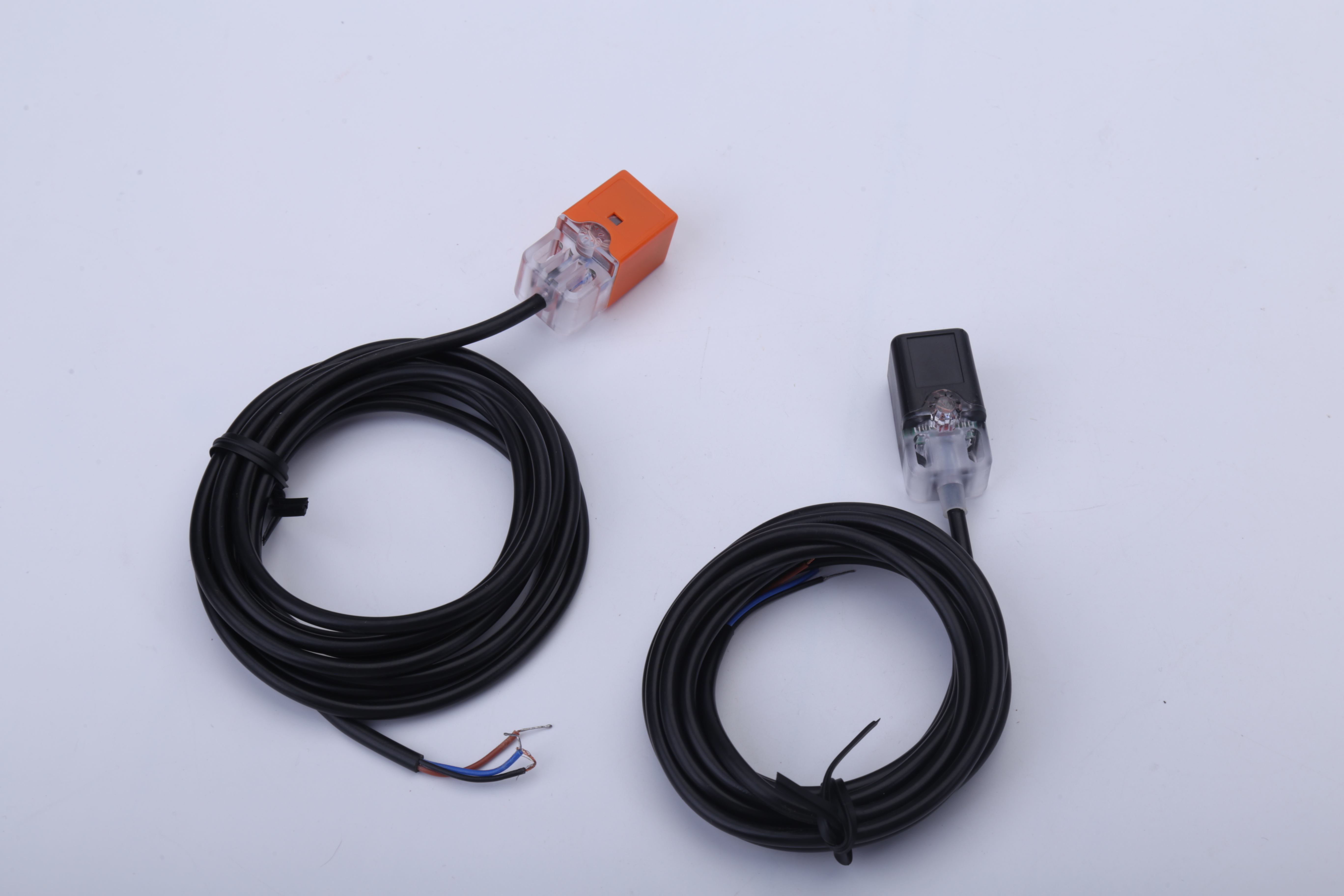
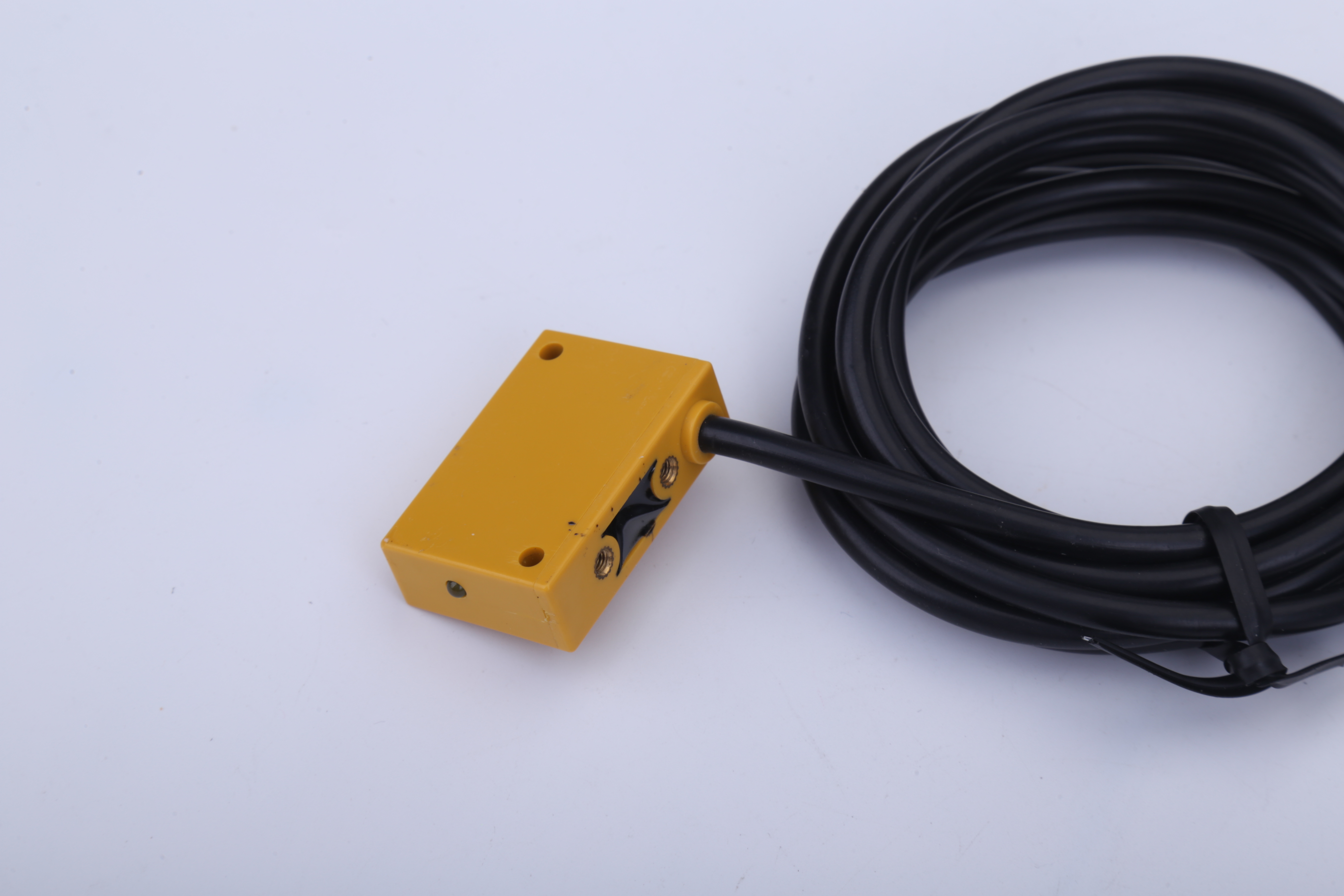
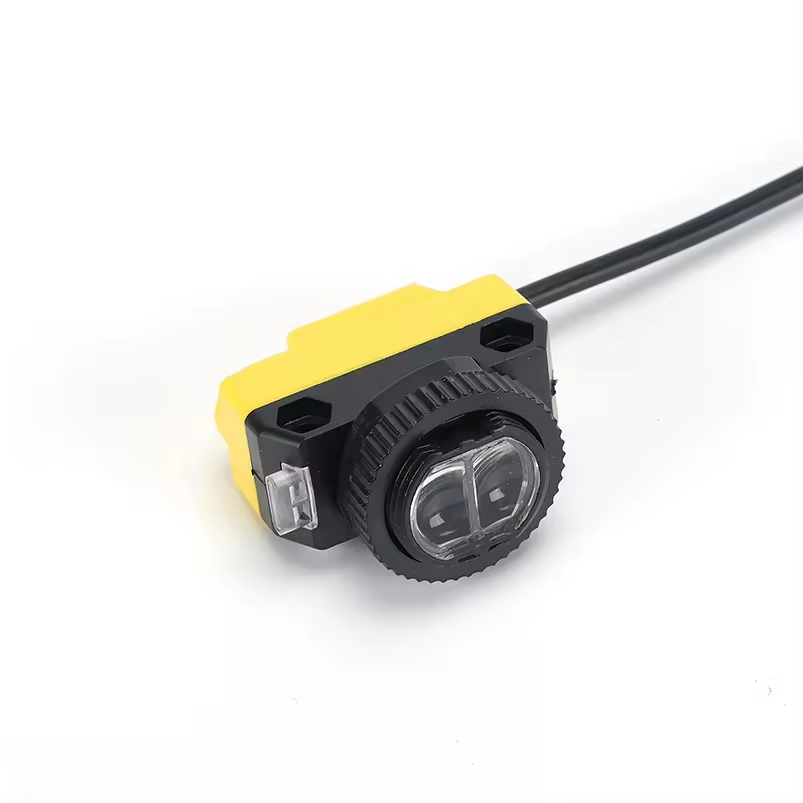
High-Precision Micro Proximity Sensors: Advanced Detection Solutions for Industrial Applications

Get a Free Quote

Our representative will contact you soon.
Email
Name
Company Name
Message
0/1000

micro proximity sensor

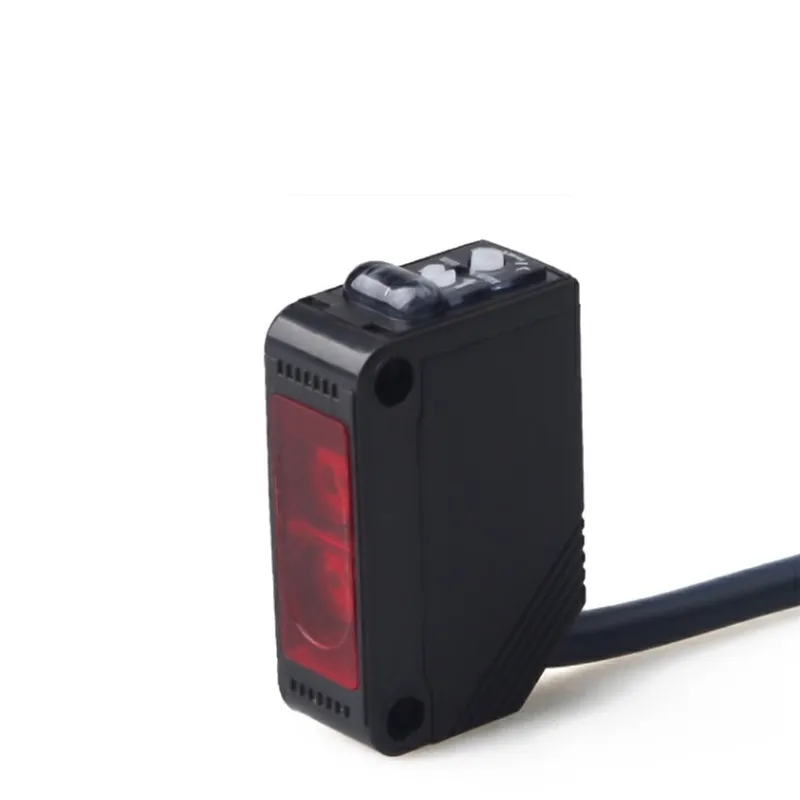
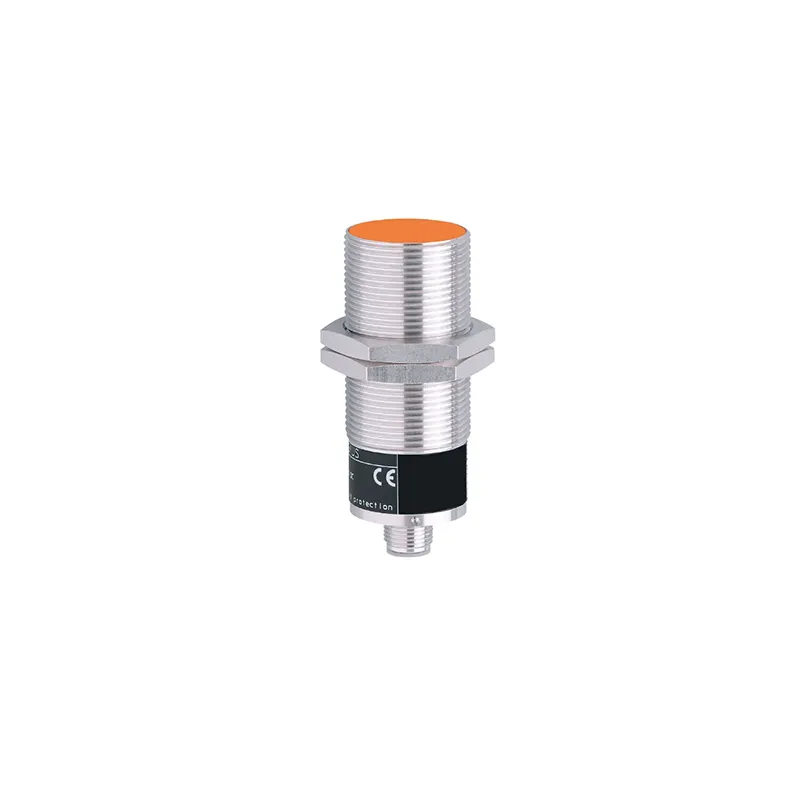
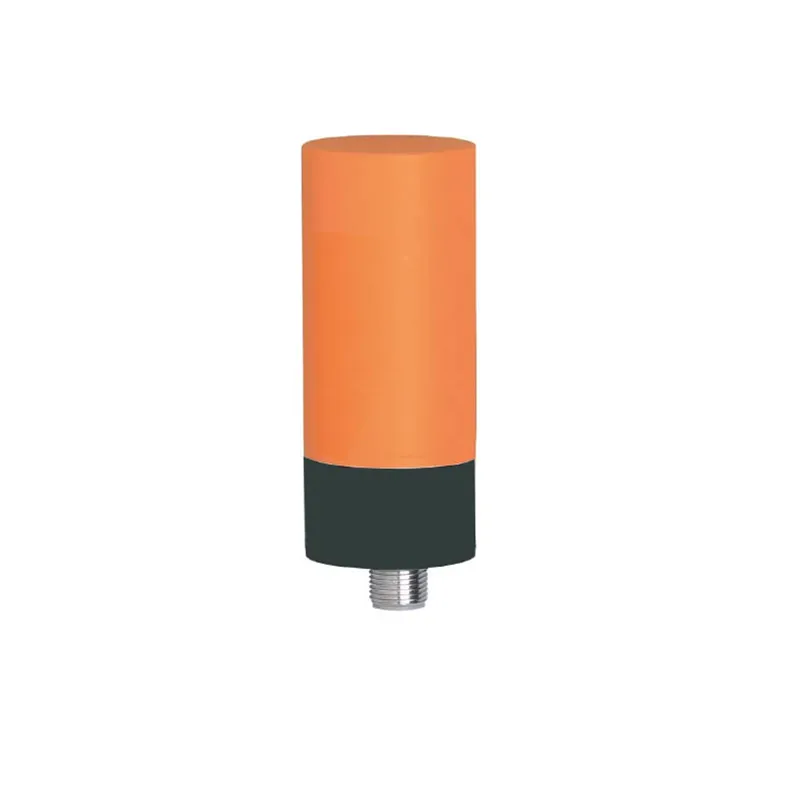
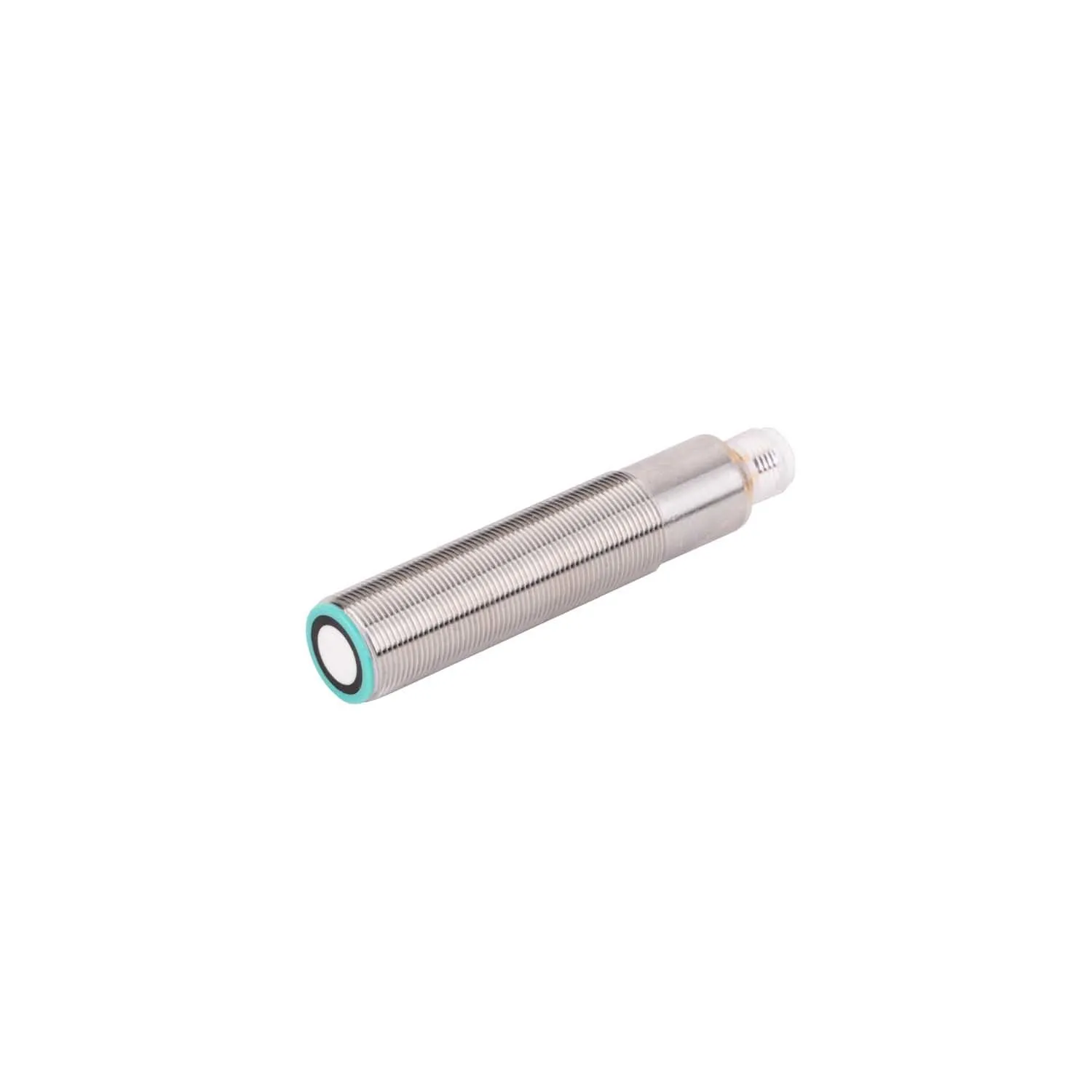
A micro proximity sensor is an advanced electronic device that detects the presence or absence of objects without physical contact. Operating through electromagnetic fields, infrared radiation, or optical technology, these compact sensors offer exceptional precision in confined spaces. The sensor emits a signal and measures changes in the return signal when objects enter its detection zone. With dimensions often smaller than 5mm, these sensors excel in applications requiring minimal space while maintaining high accuracy. They operate effectively at distances ranging from a few micrometers to several millimeters, making them ideal for precise positioning tasks. The technology incorporates sophisticated circuitry that enables rapid response times, typically in microseconds, and provides stable, reliable detection even in challenging environmental conditions. Micro proximity sensors find extensive use in automated manufacturing, robotics, automotive systems, consumer electronics, and medical devices. They can detect various materials, including metals, plastics, and organic substances, depending on the sensing technology employed. Modern versions often include features like temperature compensation, integrated signal processing, and digital outputs for seamless integration with control systems.

New Product Releases

Micro proximity sensors offer numerous compelling advantages that make them indispensable in modern applications. Their compact size allows for installation in extremely tight spaces, making them perfect for miniaturized equipment and devices where traditional sensors would be impractical. These sensors provide exceptional reliability with no moving parts to wear out, significantly reducing maintenance requirements and extending operational life. The non-contact detection method eliminates mechanical wear and potential damage to both the sensor and the target object. Their fast response time enables real-time monitoring and control, crucial for high-speed manufacturing processes and precision applications. The sensors maintain consistent accuracy over time, unaffected by environmental factors like dust, humidity, or moderate temperature variations. Power efficiency is another key benefit, as these sensors typically operate with low current consumption, making them suitable for battery-powered devices. Integration capabilities are outstanding, with many models offering digital outputs and standardized communication protocols that simplify connection to control systems. The versatility of micro proximity sensors allows them to work with various target materials, eliminating the need for multiple sensor types in mixed-material applications. Their solid-state construction ensures durability and resistance to vibration and shock, making them reliable in industrial environments. The sensors also offer adjustable sensitivity and detection ranges, providing flexibility in different applications while maintaining precise detection capabilities.

Practical Tips

Top Benefits of Using Photoelectric Switches in Automation

19

Jun

Top Benefits of Using Photoelectric Switches in Automation

Enhanced Reliability in Harsh Industrial EnvironmentsDurability Against Dust and MoistureBrialliance Photoelectric switches are built to withstand harsh industrial conditions with rugged housing preventing dust and moisture penetration. These ca...
View More
Best Proximity Switches for Harsh Environments & Heavy Duty

21

Jul

Best Proximity Switches for Harsh Environments & Heavy Duty

Reliable Performance in Demanding Industrial Conditions In harsh and demanding industrial environments, equipment reliability becomes paramount. Proximity switch technology plays a vital role in maintaining safety and efficiency, particularly in area...
View More
Troubleshooting Common Proximity Switch Issues & Fixes

21

Jul

Troubleshooting Common Proximity Switch Issues & Fixes

Ensuring Reliable Functionality in Industrial Automation In modern industrial systems, the proximity switch has become an essential sensing device for detecting the presence or absence of objects without physical contact. Whether used in manufacturin...
View More
 Exploring the Latest Innovations in Ultrasonic Sensing

04

Aug

Exploring the Latest Innovations in Ultrasonic Sensing

The Cutting Edge of Sound-Based Detection Technology Ultrasonic sensing continues to revolutionize industries with groundbreaking advancements that push the boundaries of non-contact measurement. These innovations in ultrasonic sensing address longs...
View More

Get a Free Quote

Our representative will contact you soon.
Email
Name
Company Name
Message
0/1000

micro proximity sensor

Unprecedented Detection Precision

Unprecedented Detection Precision

Micro proximity sensors achieve remarkable detection precision through advanced sensing technologies and sophisticated signal processing. The sensors can detect objects with accuracy down to micrometers, maintaining this precision consistently across their operational lifetime. This level of accuracy is achieved through integrated compensation mechanisms that account for environmental variations and potential interference sources. The sensing element's design incorporates state-of-the-art materials and manufacturing techniques that ensure stable performance across varying conditions. This precision makes these sensors invaluable in applications requiring exact positioning, such as semiconductor manufacturing, medical instruments, and high-precision assembly lines.
Advanced Integration Capabilities

Advanced Integration Capabilities

The integration capabilities of micro proximity sensors represent a significant advancement in sensor technology. These devices feature built-in signal conditioning, temperature compensation, and digital processing capabilities that enable seamless integration with modern control systems. The sensors support various communication protocols, including I2C, SPI, and standard digital outputs, making them compatible with most industrial automation systems. Their plug-and-play nature significantly reduces installation time and complexity, while built-in diagnostics and self-calibration features ensure optimal performance with minimal setup requirements. This level of integration capability makes them ideal for Industry 4.0 applications and smart manufacturing environments.
Environmental Adaptability

Environmental Adaptability

The environmental adaptability of micro proximity sensors sets them apart in challenging industrial applications. These sensors maintain reliable operation across a wide temperature range, typically from -40°C to +85°C, without compromising detection accuracy. Their sealed construction provides excellent protection against dust, moisture, and chemical exposure, meeting IP67 or higher protection standards. The sensors incorporate advanced electromagnetic shielding that ensures stable operation in environments with high electromagnetic interference. This robustness is achieved without sacrificing the sensor's compact size or performance characteristics, making them suitable for harsh industrial environments while maintaining precise detection capabilities.
High-Precision Micro Proximity Sensors: Advanced Detection Solutions for Industrial Applications

Get a Free Quote

Our representative will contact you soon.
Email
Name
Company Name
Message
0/1000