 EN
EN

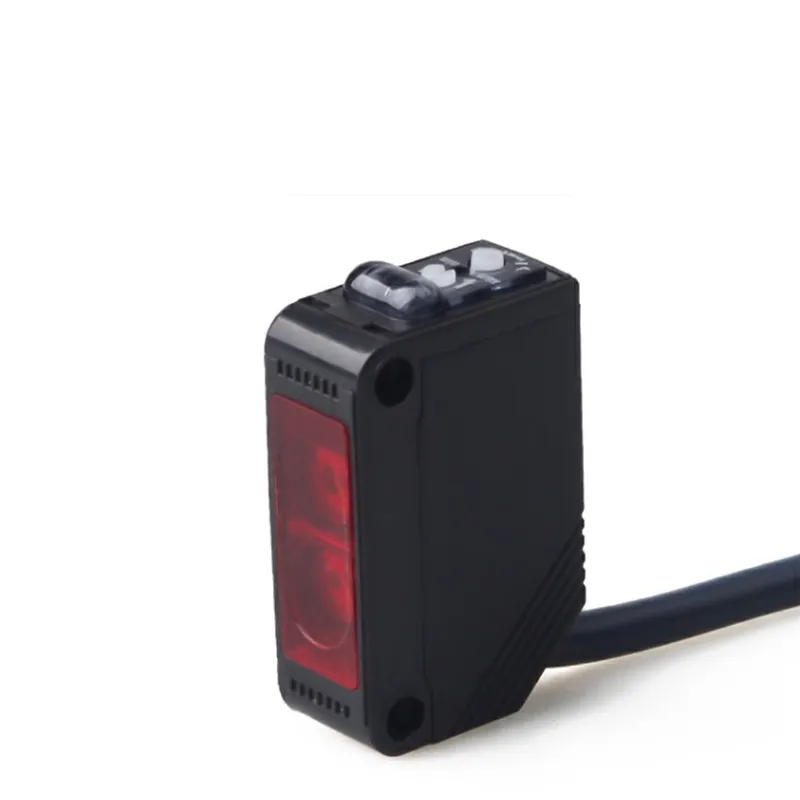
শিল্প স্বয়ংক্রিয়করণ প্রক্রিয়ায় নির্ভুল সনাক্তকরণ ব্যবস্থার উপর অত্যধিক নির্ভরশীলতা রয়েছে, যা বস্তুগুলিকে ধারাবাহিকভাবে সনাক্ত করতে, দূরত্ব পরিমাপ করতে এবং উৎপাদন প্রক্রিয়াগুলি শারীরিক যোগাযোগ ছাড়াই নজরদারি করতে সক্ষম। ফটোইলেকট্রিক সুইচ সেন্সর বর্তমানে উপলব্ধ সবচেয়ে বহুমুখী ও নির্ভরযোগ্য সনাক্তকরণ প্রযুক্তির মধ্যে একটি, যা বিভিন্ন ধরনের উৎপাদন পরিবেশে উৎকৃষ্ট কার্যকারিতা প্রদান করে। এই উন্নত ডিভাইসগুলি আলো-ভিত্তিক প্রযুক্তি ব্যবহার করে বস্তুর উপস্থিতি, অনুপস্থিতি বা অবস্থান সনাক্ত করে—অত্যন্ত নির্ভুলতা ও গতিতে। যেখানে যান্ত্রিক সুইচগুলি শারীরিক যোগাযোগের প্রয়োজন হয় এবং ক্ষয়ের ঝুঁকির মুখে থাকে, সেখানে ফটোইলেকট্রিক সুইচ সেন্সর সিস্টেমগুলি যোগাযোগবিহীনভাবে কাজ করে, যার ফলে এদের কার্যকাল উল্লেখযোগ্যভাবে বৃদ্ধি পায় এবং একইসাথে সনাক্তকরণের সামঞ্জস্যপূর্ণ কার্যকারিতা বজায় থাকে। উন্নত অপটিক্যাল উপাদান এবং বুদ্ধিমান সিগন্যাল প্রক্রিয়াকরণ প্রযুক্তির একীভূতকরণের মাধ্যমে এই সেন্সরগুলি উচ্চ-গতির সনাক্তকরণ ক্ষমতা প্রয়োজনীয় আধুনিক শিল্প অ্যাপ্লিকেশনগুলির জন্য অপরিহার্য হয়ে উঠেছে।
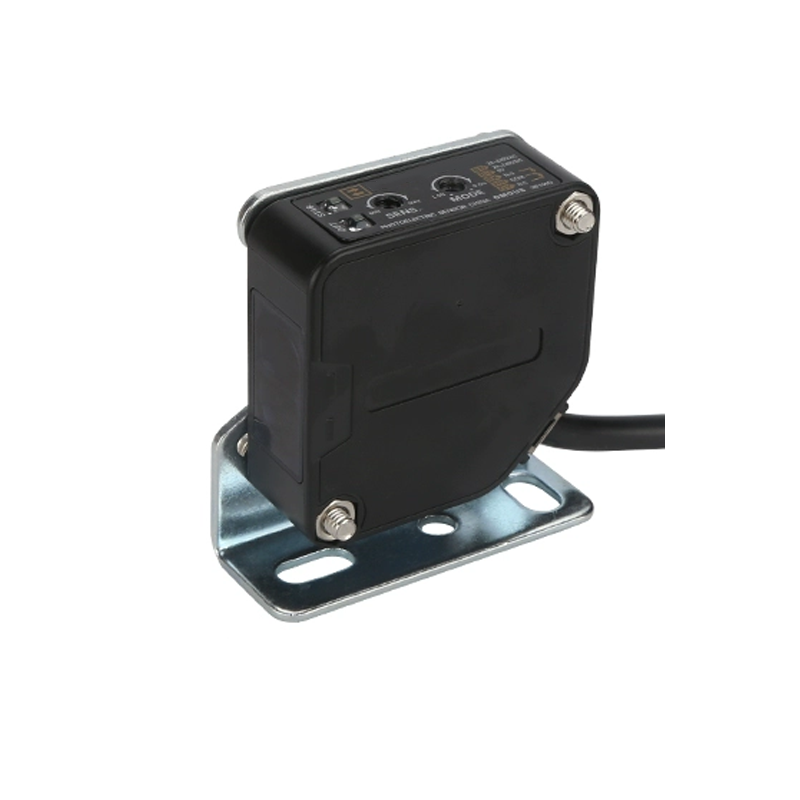
ফটোইলেকট্রিক সুইচ সেন্সর প্রযুক্তি বোঝা
মৌলিক চালু নীতি
ফটোইলেকট্রিক সুইচ সেন্সরের মূল কার্যকারিতা হল আলোর সংকেত নির্গমন, সংক্রমণ এবং গ্রহণের উপর ভিত্তি করে কোনো বস্তুর উপস্থিতি বা বৈশিষ্ট্য নির্ধারণ করা। এই যন্ত্রগুলি সাধারণত তিনটি প্রধান উপাদান নিয়ে গঠিত: একটি আলোক উৎস, আলোক রশ্মি আকৃতি নির্ধারণের জন্য আলোকিক উপাদান, এবং একটি ফটোডিটেক্টর যা গৃহীত আলোক সংকেতকে বৈদ্যুতিক সংকেতে রূপান্তরিত করে। আলোক উৎসটি সাধারণত একটি LED বা লেজার ডায়োড হয়, যা একটি ফোকাসড রশ্মি নির্গমন করে যা সনাক্তকরণ অঞ্চলের মধ্য দিয়ে প্রবাহিত হয়। যখন কোনো বস্তু এই আলোকিক ক্ষেত্রে প্রবেশ করে, তখন তা আলোক রশ্মিকে প্রতিফলিত করে, শোষণ করে অথবা বাধাগ্রস্ত করে, ফলে ফটোডিটেক্টরের আউটপুট সংকেতে একটি পরিমাপযোগ্য পরিবর্তন ঘটে। এই মৌলিক নীতিটি ফটোইলেকট্রিক সুইচ সেন্সরকে কোনো যান্ত্রিক সংযোগ ছাড়াই বস্তু সনাক্ত করার সক্ষমতা প্রদান করে।
আধুনিক ফটোইলেকট্রিক সুইচ সেন্সর ডিজাইনগুলিতে উন্নত সিগন্যাল প্রসেসিং অ্যালগরিদম অন্তর্ভুক্ত করা হয়েছে যা গৃহীত আলোর তীব্রতা, সময়কাল এবং বর্ণালীগত বৈশিষ্ট্যগুলি বিশ্লেষণ করে সঠিক সনাক্তকরণ সিদ্ধান্ত গ্রহণ করে। সিস্টেমটি নিরন্তর বেসলাইন আলোর মাত্রা পর্যবেক্ষণ করে এবং লক্ষ্যবস্তু ও পরিবেশগত পরিবর্তনগুলির মধ্যে পার্থক্য করার জন্য বুদ্ধিমান থ্রেশহোল্ড প্রয়োগ করে। উন্নত মডেলগুলিতে স্বয়ংক্রিয় গেইন নিয়ন্ত্রণ এবং পরিবেশগত আলো কমপেনসেশন বৈশিষ্ট্য রয়েছে, যা বিভিন্ন আলোক পরিস্থিতিতে নির্ভরযোগ্য কার্যকারিতা নিশ্চিত করে। এই প্রযুক্তিগত ভিত্তির উপর ভিত্তি করে ফটোইলেকট্রিক সুইচ সেন্সর সিস্টেমগুলি মাইক্রোসেকেন্ডে পরিমাপযোগ্য সনাক্তকরণ নির্ভুলতা এবং মিলিমিটারের ভগ্নাংশের মধ্যে অবস্থান নির্ভুলতা অর্জন করতে পারে।
আলোক উৎস প্রযুক্তি এবং বৈশিষ্ট্য
উপযুক্ত আলোক উৎসের নির্বাচন ফটোইলেকট্রিক সুইচ সেন্সরের কার্যকারিতা এবং প্রয়োগের উপযুক্ততাকে উল্লেখযোগ্যভাবে প্রভাবিত করে। লাল LED উৎসগুলি সারিবদ্ধকরণ ও সমস্যা নির্ণয়ের জন্য চমৎকার দৃশ্যমানতা প্রদান করে এবং অধিকাংশ শিল্প প্রয়োগের জন্য যথেষ্ট সনাক্তকরণ পরিসরও প্রদান করে। ইনফ্রারেড LED-গুলি মানুষের দৃশ্যমান ধারণার বাইরে কাজ করে, যার ফলে এগুলি এমন প্রয়োগের জন্য আদর্শ যেখানে দৃশ্যমান আলো প্রক্রিয়াগুলিকে বা কর্মীদের আরামদায়কতাকে ব্যাহত করতে পারে। লেজার ডায়োডগুলি অত্যন্ত সমান্তরাল আলোক রশ্মি প্রদান করে যার অসাধারণ ফোকাসিং ক্ষমতা রয়েছে, যা দীর্ঘ পরিসরের সনাক্তকরণ এবং ন্যূনতম রশ্মি বিচ্ছুরণ প্রয়োজনীয় নির্ভুল অবস্থান নির্ধারণের প্রয়োগগুলিকে সক্ষম করে।
প্রতিটি আলোক উৎস প্রযুক্তি নির্দিষ্ট ফটোইলেকট্রিক সুইচ সেন্সর অ্যাপ্লিকেশনের জন্য বিশিষ্ট সুবিধা প্রদান করে। লাল LED-গুলি সাধারণত কয়েক মিটার পর্যন্ত সনাক্তকরণ পরিসর প্রদান করে এবং সাধারণ বস্তু সনাক্তকরণ কাজের জন্য উপযুক্ত বিস্তৃত বীম কোণ রাখে। ইনফ্রারেড উৎসগুলি স্বচ্ছ বা আংশিকভাবে স্বচ্ছ উপাদান সংক্রান্ত অ্যাপ্লিকেশনে উত্তম কাজ করে, যেখানে দৃশ্যমান আলো বিশ্বস্ত সনাক্তকরণ প্রদান করতে পারে না। লেজার-ভিত্তিক ফটোইলেকট্রিক সুইচ সেন্সর সিস্টেমগুলি ১০০ মিটারের বেশি সনাক্তকরণ দূরত্ব অর্জন করতে পারে এবং একইসাথে সাধারণ LED উৎসের তুলনায় ছোট বীম ব্যাস বজায় রাখে। আলোক উৎসের পছন্দটি শক্তি খরচকেও প্রভাবিত করে, যেখানে LED-ভিত্তিক সিস্টেমগুলি সাধারণত লেজার-ভিত্তিক বিকল্পগুলির তুলনায় কম শক্তি প্রয়োজন এবং দীর্ঘতর কার্যকাল প্রদান করে।
সনাক্তকরণ মোড এবং কনফিগারেশন বিকল্পসমূহ
থ্রু-বীম সনাক্তকরণ সিস্টেম
থ্রু-বীম ফটোইলেকট্রিক সুইচ সেন্সর কনফিগারেশনগুলি সবচেয়ে সরল এবং নির্ভরযোগ্য সনাক্তকরণ পদ্ধতির প্রতিনিধিত্ব করে, যা পৃথক ট্রান্সমিটার এবং রিসিভার ইউনিট ব্যবহার করে যেগুলো একে অপরের বিপরীত দিকে স্থাপন করা হয়। ট্রান্সমিটারটি চিরকাল রিসিভারের দিকে একটি আলোক বীম নিরন্তরভাবে উৎসর্জন করে, ফলে সনাক্তকরণ অঞ্চলের মধ্য দিয়ে একটি আলোক বাধা সৃষ্টি হয়। যখন কোনও বস্তু ট্রান্সমিটার এবং রিসিভারের মধ্য দিয়ে অতিক্রম করে, তখন তা আলোক বীমটি বাধাগ্রস্ত করে, যার ফলে রিসিভারের সংকেত সনাক্তকরণ সীমার নীচে নেমে যায় এবং সেন্সর আউটপুট ট্রিগার হয়। এই কনফিগারেশনটি দীর্ঘতম সনাক্তকরণ পরিসর এবং সর্বোচ্চ নির্ভরযোগ্যতা প্রদান করে, কারণ এই সিস্টেমটি আলোক বাধার উপর ভিত্তি করে কাজ করে, প্রতিফলনের উপর নয়।
থ্রু-বীম ফটোইলেকট্রিক সুইচ সেন্সর বিন্যাসটি পৃষ্ঠের বৈচিত্র্য, রং এবং টেক্সচারের প্রতি অসাধারণ প্রতিরোধ ক্ষমতা প্রদর্শন করে, কারণ সনাক্তকরণ শুধুমাত্র বীম বাধার উপর নির্ভর করে। এটি অত্যন্ত প্রতিফলিত, শোষক বা অনিয়মিত পৃষ্ঠযুক্ত বস্তুগুলি সনাক্ত করার জন্য আদর্শ, যেগুলি অন্যান্য সনাক্তকরণ পদ্ধতিগুলিকে চ্যালেঞ্জ করতে পারে। থ্রু-বীম সিস্টেমগুলি দ্রুততম প্রতিক্রিয়া সময়ও প্রদান করে, কারণ অপটিক্যাল পাথটি বস্তু সনাক্তকরণের ঘটনা ছাড়া স্থির থাকে। ইনস্টলেশনের বিবেচ্য বিষয়গুলির মধ্যে রয়েছে ট্রান্সমিটার ও রিসিভার ইউনিটগুলির মধ্যে সঠিক সাইন-আপ এবং অপটিক্যাল পাথকে অবরুদ্ধ করতে পারে এমন পরিবেশগত উৎসগুলি থেকে রক্ষা করা। এই সিস্টেমগুলি ছোট বস্তু সনাক্তকরণ, গণনা কাজ এবং উচ্চ-গতির উৎপাদন লাইন মনিটরিং প্রয়োজনীয় অ্যাপ্লিকেশনগুলিতে উৎকৃষ্ট কাজ করে।
রিট্রোরিফ্লেক্টিভ সনাক্তকরণ নীতি
রিট্রো-রিফ্লেক্টিভ ফটোইলেকট্রিক সুইচ সেন্সর সিস্টেমগুলি একটি একক হাউজিংয়ে ট্রান্সমিটার এবং রিসিভারকে একত্রিত করে, যখন সেন্সর ইউনিটের বিপরীত দিকে একটি বিশেষায়িত রিফ্লেক্টর ব্যবহার করা হয়। প্রেরিত আলোক রশ্মি রিট্রো-রিফ্লেক্টরের দিকে যায়, যা আলোক রশ্মিকে একই অপটিক্যাল পথে সেন্সরের রিসিভারের দিকে সরাসরি ফিরিয়ে দেয়। এই বিন্যাসটি শুধুমাত্র একটি ডিভাইসে বৈদ্যুতিক সংযোগ প্রয়োজন করে, ফলে ইনস্টলেশন সহজ হয় এবং থ্রু-বীম ডিটেকশনের অনেকগুলি সুবিধা বজায় থাকে। যখন কোনও বস্তু ডিটেকশন জোনে প্রবেশ করে, তখন তা সেন্সর এবং রিফ্লেক্টরের মধ্যবর্তী আলোক পথকে বাধাগুলি দেয়, যার ফলে গৃহীত আলোর তীব্রতায় হ্রাস ঘটে এবং ডিটেকশন আউটপুট ট্রিগার হয়।
রিট্রো-রিফ্লেক্টিভ ফটোইলেকট্রিক সুইচ সেন্সর ডিজাইনটি অপারদর্শী বস্তুগুলির জন্য চমৎকার সনাক্তকরণ বিশ্বস্ততা প্রদান করে, যার সাথে ডিফিউজ রিফ্লেকশন সিস্টেমগুলির তুলনায় দীর্ঘতর সনাক্তকরণ পরিসরও প্রদান করে। এই সেন্সরগুলি বিশেষভাবে কনভেয়ার সিস্টেমে বস্তুগুলি সনাক্ত করতে, দরজার অবস্থান মনিটর করতে এবং এমন গণনা অ্যাপ্লিকেশনগুলিতে কাজ করে যেখানে বস্তুগুলি একটি সংজ্ঞায়িত সনাক্তকরণ অঞ্চলের মধ্য দিয়ে অতিক্রম করে। উন্নত রিট্রো-রিফ্লেক্টিভ মডেলগুলিতে পোলারাইজিং ফিল্টার অন্তর্ভুক্ত থাকে যা আলোর তীব্রতা নয়, বরং আলোর পোলারাইজেশনের পরিবর্তন বিশ্লেষণ করে কাচ বা প্লাস্টিকের মতো স্বচ্ছ উপাদানগুলি সনাক্ত করতে সক্ষম হয়। এই ক্ষমতাটি এটিকে ফটোইলেকট্রিক সুইচ সেনসর স্পষ্ট পাত্র বা সুরক্ষা বাধা সহ প্যাকেজিং অ্যাপ্লিকেশনের জন্য উপযুক্ত করে তোলে।
শিল্প প্রয়োগ এবং কর্মক্ষমতার সুবিধা
উৎপাদন প্রক্রিয়া একীকরণ
উৎপাদন সুবিধাগুলি বহুসংখ্যক উৎপাদন প্রক্রিয়ায় ফটোইলেকট্রিক সুইচ সেন্সর প্রযুক্তি ব্যবহার করে, যেখানে সঠিক বস্তু সনাক্তকরণ সরাসরি পণ্যের মান এবং কার্যকারিতা দক্ষতাকে প্রভাবিত করে। অ্যাসেম্বলি লাইনের অ্যাপ্লিকেশনগুলি এই সেন্সরগুলিকে উপাদানের উপস্থিতি যাচাই করতে, যথাযথ অংশের অভিমুখ সনাক্ত করতে এবং সঠিক সময়ে স্বয়ংক্রিয় হ্যান্ডলিং সরঞ্জাম ট্রিগার করতে নির্ভর করে। ফটোইলেকট্রিক সুইচ সেন্সরের যোগাযোগবিহীন কার্যপদ্ধতি যান্ত্রিক ক্ষয় এড়ায় এবং দীর্ঘ সময় ধরে চলমান উৎপাদন প্রক্রিয়ায় সুস্থির সনাক্তকরণ কর্মক্ষমতা প্রদান করে। উচ্চ-গতির উৎপাদন প্রক্রিয়াগুলি বিশেষভাবে আলোকিক সনাক্তকরণের মাধ্যমে অর্জনযোগ্য দ্রুত প্রতিক্রিয়া সময় থেকে উপকৃত হয়, যা বাস্তব সময়ের প্রক্রিয়া নিয়ন্ত্রণ এবং মান নিশ্চিতকরণকে সক্ষম করে।
মান নিয়ন্ত্রণ স্টেশনগুলি পণ্যের মাত্রা পরীক্ষা করতে, পৃষ্ঠের ত্রুটি সনাক্ত করতে এবং উৎপাদন প্রবাহ বাধাগ্রস্ত না করেই প্যাকেজিংয়ের অখণ্ডতা যাচাই করতে ফটোইলেকট্রিক সুইচ সেন্সর সিস্টেম একীভূত করে। এই সেন্সরগুলি পণ্যের উচ্চতা, প্রস্থ বা দৈর্ঘ্যের পরিবর্তন সনাক্ত করতে পারে, যা উৎপাদনজনিত ত্রুটি বা অপ্রকৃত সংযোজনের ইঙ্গিত দিতে পারে। স্বয়ংক্রিয় শ্রেণিবিভাজন সিস্টেমগুলি আকার, রং বা স্বচ্ছতা বৈশিষ্ট্য অনুযায়ী পণ্যগুলিকে শ্রেণিবদ্ধ করতে একাধিক ফটোইলেকট্রিক সুইচ সেন্সর ইউনিট ব্যবহার করে। স্বচ্ছ উপকরণ সনাক্ত করার ক্ষমতার জন্য এই সেন্সরগুলি ফার্মাসিউটিক্যাল ও খাদ্য প্যাকেজিং প্রয়োগে মূল্যবান, যেখানে ঐতিহ্যগত যান্ত্রিক সেন্সরগুলি কাচ বা প্লাস্টিকের পাত্রগুলির বিশ্বস্ত সনাক্তকরণ প্রদান করতে পারে না।
নিরাপত্তা এবং নিরাপত্তা প্রয়োগ
শিল্পক্ষেত্রের নিরাপত্তা ব্যবস্থাগুলি বিপজ্জনক সরঞ্জামের চারপাশে সুরক্ষা বাধা তৈরি করতে এবং নিষিদ্ধ অঞ্চলে কর্মীদের প্রবেশ নিয়ন্ত্রণ করতে ফটোইলেকট্রিক সুইচ সেন্সর প্রযুক্তি অন্তর্ভুক্ত করে। নিরাপত্তা আলোক পর্দা (সেফটি লাইট কার্টেন) বিপজ্জনক মেশিন অপারেটিং অঞ্চলে যেকোনো অনধিকৃত প্রবেশ সনাক্ত করতে ফটোইলেকট্রিক সেন্সরের অ্যারে ব্যবহার করে, যা তৎক্ষণাৎ সরঞ্জামের কার্যক্রম বন্ধ করে দেয় এবং আঘাত প্রতিরোধ করে। এই ব্যবস্থাগুলি অদৃশ্য সুরক্ষা বাধা প্রদান করে যা উৎপাদন প্রক্রিয়ায় বাধা না দিয়ে উপকরণ প্রবাহ অব্যাহত রাখে এবং অপারেটরদের নিরাপত্তা নিশ্চিত করে—এটি শারীরিক সুরক্ষা বাধার তুলনায় একটি উন্নত পদ্ধতি, যা উৎপাদন প্রক্রিয়াকে বাধাগ্রস্ত করতে পারে। ফটোইলেকট্রিক সুইচ সেন্সর প্রযুক্তি কর্মীদের উচ্চ-গতির মেশিন থেকে রক্ষা করার জন্য আবশ্যকীয় দ্রুত সনাক্তকরণ ও প্রতিক্রিয়া সময় সক্ষম করে।
পরিধি নিরাপত্তা অ্যাপ্লিকেশনগুলিতে সুবিধা বা সরঞ্জামে অননুমোদিত প্রবেশের সনাক্তকরণের জন্য ফটোইলেকট্রিক সুইচ সেন্সর সিস্টেম ব্যবহার করা হয়। থ্রু-বীম কনফিগারেশনগুলি অদৃশ্য বাধা রেখা তৈরি করে যা অপরিচিত ব্যক্তির দ্বারা বাধাগুলি বিচ্ছিন্ন হলে অ্যালার্ম ট্রিগার করে, অথচ এগুলি সাধারণ পর্যবেক্ষণের জন্য অদৃশ্য থাকে। অভ্যন্তরীণ নিরাপত্তা সিস্টেমগুলিতে দরজা, নালা এবং সংবেদনশীল এলাকাগুলি মনিটর করার জন্য রেট্রোরিফ্লেক্টিভ ফটোইলেকট্রিক সেন্সর ব্যবহার করা হয়, যার জন্য জটিল ওয়্যারিং ইনস্টলেশনের প্রয়োজন হয় না। আধুনিক ফটোইলেকট্রিক সুইচ সেন্সর ডিজাইনের বিশ্বস্ততা এবং পরিবেশগত প্রতিরোধ ক্ষমতা এগুলিকে বাইরের নিরাপত্তা অ্যাপ্লিকেশনের জন্য উপযুক্ত করে তোলে, যেখানে আবহাওয়াগত অবস্থা অন্যান্য সনাক্তকরণ প্রযুক্তিগুলিকে প্রভাবিত করতে পারে।
প্রযুক্তিগত বিনির্দেশ এবং নির্বাচন মানদণ্ড
কার্যকারিতা প্যারামিটার এবং রেটিং
উপযুক্ত ফটোইলেকট্রিক সুইচ সেন্সর নির্বাচন করতে হলে সনাক্তকরণ কর্মক্ষমতা এবং সিস্টেমের বিশ্বস্ততাকে সরাসরি প্রভাবিত করে এমন প্রযুক্তিগত বিশেষীকরণগুলির সাবধানতার সাথে মূল্যায়ন করা আবশ্যক। সনাক্তকরণ পরিসরের বিশেষীকরণগুলি ইঙ্গিত করে যে, অপ্টিমাল অবস্থায় স্ট্যান্ডার্ড পরীক্ষামূলক টার্গেটগুলিকে সেন্সর কত দূরত্ব পর্যন্ত বিশ্বস্তভাবে সনাক্ত করতে পারে। তবে, প্রকৃত সনাক্তকরণ পরিসর টার্গেটের বৈশিষ্ট্য, পরিবেশগত অবস্থা এবং প্রয়োজনীয় সনাক্তকরণ বিশ্বস্ততার উপর নির্ভর করে উল্লেখযোগ্যভাবে পরিবর্তিত হয়। প্রতিক্রিয়া সময়ের বিশেষীকরণগুলি নির্ধারণ করে যে, ফটোইলেকট্রিক সুইচ সেন্সরটি কত দ্রুত টার্গেটের উপস্থিতি সনাক্ত করতে পারে এবং তার আউটপুট সিগন্যাল আপডেট করতে পারে; এটি উচ্চ-গতির অ্যাপ্লিকেশনগুলির জন্য অত্যন্ত গুরুত্বপূর্ণ, যেখানে বিলম্বিত সনাক্তকরণ প্রক্রিয়াগত ত্রুটির কারণ হতে পারে।
কার্যকরী ভোল্টেজ পরিসর এবং কারেন্ট খরচের বিশেষকরণগুলি বিদ্যমান নিয়ন্ত্রণ সিস্টেমের সাথে সামঞ্জস্যতা এবং বিদ্যুৎ সরবরাহের প্রয়োজনীয়তা নির্ধারণ করে। অনেক ফটোইলেকট্রিক সুইচ সেন্সর মডেল ইউনিভার্সাল ভোল্টেজ ইনপুট প্রদান করে যা এসি এবং ডিসি উভয় ধরনের বিদ্যুৎ উৎসকে গ্রহণ করে, যা বিভিন্ন বৈদ্যুতিক সিস্টেমে এর একীকরণকে সহজতর করে। আউটপুট কনফিগারেশনগুলিতে এনপিএন, পিএনপিএন, রিলে যোগাযোগ, এবং অ্যানালগ সিগন্যাল সহ বিভিন্ন ধরনের সুইচিং অন্তর্ভুক্ত রয়েছে, যা নির্দিষ্ট নিয়ন্ত্রণ সিস্টেমের প্রয়োজনীয়তা মেটাতে সক্ষম। পরিবেশগত রেটিং—যেমন তাপমাত্রা পরিসর, আর্দ্রতা সহনশীলতা এবং প্রবেশ সুরক্ষা স্তর—এগুলি কঠোর শিল্প পরিবেশে নির্ভরযোগ্য কার্যকারিতা নিশ্চিত করে, যেখানে কম দৃঢ় সেন্সর প্রযুক্তিগুলি ক্ষতিগ্রস্ত হতে পারে।
পরিবেশগত দিক এবং টেকসইতা
শিল্প পরিবেশে অসংখ্য চ্যালেঞ্জ রয়েছে যা আলোক-ইলেকট্রিক সুইচ সেন্সরের কর্মক্ষমতা এবং দীর্ঘায়ুকে প্রভাবিত করে, যার জন্য সেন্সর নির্বাচনের সময় পরিবেশগত বিষয়গুলির যত্ন সহকারে বিবেচনা করা প্রয়োজন। তাপমাত্রার তারতম্য অপটিক্যাল উপাদানের সারিবদ্ধকরণ, ইলেকট্রনিক সার্কিটের স্থিতিশীলতা এবং আবাসন উপাদানের বৈশিষ্ট্যগুলিকে প্রভাবিত করতে পারে, যা নির্ভরযোগ্য অপারেশনের জন্য তাপমাত্রার রেটিংকে গুরুত্বপূর্ণ করে তোলে। আর্দ্রতা এবং ঘনীভবন অপটিক্যাল পৃষ্ঠগুলিকে কুয়াশাচ্ছন্ন করতে পারে বা বৈদ্যুতিক অন্তরণ ভাঙ্গনের কারণ হতে পারে, যার ফলে উপযুক্ত সিলিং এবং সুরক্ষা ব্যবস্থার প্রয়োজন হয়। শিল্প প্রক্রিয়া থেকে রাসায়নিক এক্সপোজার সেন্সর হাউজিং বা অপটিক্যাল উপাদানগুলিকে হ্রাস করতে পারে, নির্দিষ্ট অ্যাপ্লিকেশনের জন্য রাসায়নিকভাবে প্রতিরোধী উপকরণের প্রয়োজন হয়।
কম্পন ও আঘাত প্রতিরোধের রেটিংগুলি ইঙ্গিত করে যে, শিল্প পরিবেশে সাধারণত দেখা যায় এমন যান্ত্রিক চাপের অধীনে ফটোইলেকট্রিক সুইচ সেন্সরটি কীভাবে সঠিক সাইন-আপ এবং কার্যকারিতা বজায় রাখতে পারে। ধূলিকণা ও অবশিষ্ট উপাদানগুলি আলোকিক পৃষ্ঠে জমা হতে পারে, যার ফলে সনাক্তকরণের নির্ভুলতা কমে যায় এবং নিয়মিত রক্ষণাবেক্ষণ বা স্বয়ং-পরিষ্কারকারী ক্ষমতার প্রয়োজন হয়। নিকটবর্তী বৈদ্যুতিক সরঞ্জাম থেকে তড়িৎচৌম্বকীয় ব্যাঘাত (EMI) সেন্সরের ইলেকট্রনিক্সকে প্রভাবিত করতে পারে, ফলে EMC অনুমোদন এবং ব্যাঘাত-রোধী ঢালাই বিষয়গুলি গুরুত্বপূর্ণ বিবেচনার বিষয় হয়ে ওঠে। আধুনিক ফটোইলেকট্রিক সুইচ সেন্সরের ডিজাইনগুলিতে দৃঢ় আবাসন, উন্নত সীলিং প্রযুক্তি এবং ব্যাঘাত-প্রতিরোধী ইলেকট্রনিক্স অন্তর্ভুক্ত করা হয়েছে যাতে বিভিন্ন শিল্প পরিবেশে নির্ভরযোগ্য কার্যকারিতা নিশ্চিত করা যায়।
ইনস্টলেশনের সেরা অনুশীলন এবং অপ্টিমাইজেশন
মাউন্টিং ও সাইন-আপ পদ্ধতি
সঠিক ইনস্টলেশন ফটোইলেকট্রিক সুইচ সেন্সরের পারফরম্যান্স এবং দীর্ঘমেয়াদী বিশ্বস্ততাকে উল্লেখযোগ্যভাবে প্রভাবিত করে, যার জন্য মাউন্টিং স্থিতিশীলতা, অপটিক্যাল অ্যালাইনমেন্ট এবং পরিবেশগত সুরক্ষা নিয়ে মনোযোগ দেওয়া আবশ্যক। সেন্সর মাউন্টিং সিস্টেমগুলির এমন কঠিন সমর্থন প্রদান করতে হবে যা সরণ বা কম্পনজনিত অ্যালাইনমেন্ট বিচ্যুতি রোধ করে, কিন্তু রক্ষণাবেক্ষণ ও সামঞ্জস্যকরণের জন্য প্রবেশাধিকার বজাযা রাখে। থ্রু-বীম সিস্টেমগুলির জন্য সর্বোচ্চ সনাক্তকরণ পরিসর এবং বিশ্বস্ততা অর্জনের জন্য ট্রান্সমিটার ও রিসিভার ইউনিটগুলির মধ্যে নির্ভুল অ্যালাইনমেন্ট আবশ্যক। যান্ত্রিক সামঞ্জস্যকরণ ব্যবস্থাগুলি ইনস্টলেশন এবং পরবর্তী রক্ষণাবেক্ষণ প্রক্রিয়ায় অপটিক্যাল অ্যালাইনমেন্টের সূক্ষ্ম সামঞ্জস্য সম্ভব করে তোলে।
কেবল রাউটিং এবং বৈদ্যুতিক সংযোগগুলির যান্ত্রিক ক্ষতি, আর্দ্রতা প্রবেশ এবং তড়িৎচৌম্বকীয় ব্যাঘাত থেকে সুরক্ষা প্রয়োজন, যা ফটোইলেকট্রিক সুইচ সেন্সরের কার্যকারিতাকে প্রভাবিত করতে পারে। উপযুক্ত গ্রাউন্ডিং পদ্ধতিগুলি বৈদ্যুতিক শব্দ কমায় এবং সংকেতের অখণ্ডতা উন্নত করে, যা বিশেষ করে অ্যানালগ আউটপুট সেন্সর বা উচ্চ-ক্ষমতা বৈদ্যুতিক সরঞ্জামের কাছাকাছি ইনস্টলেশনের ক্ষেত্রে গুরুত্বপূর্ণ। কন্ডুইট সিস্টেম এবং কেবল স্ট্রেন রিলিফ বৈদ্যুতিক সংযোগগুলির উপর যান্ত্রিক চাপ রোধ করে, যা আংশিক ব্যর্থতা বা সংকেত ক্ষয় ঘটাতে পারে। নিয়মিত পরিদর্শন এবং রক্ষণাবেক্ষণের সূচিবদ্ধ পরিকল্পনা চলমান অপ্টিমাল কার্যকারিতা নিশ্চিত করে এবং উৎপাদন প্রক্রিয়াগুলিকে প্রভাবিত করার আগেই সম্ভাব্য সমস্যাগুলির প্রাথমিক সনাক্তকরণ নিশ্চিত করে।
ক্যালিব্রেশন এবং কর্মক্ষমতা যাচাইকরণ
প্রাথমিক ক্যালিব্রেশন পদ্ধতিগুলি নির্দিষ্ট ফটোইলেকট্রিক সুইচ সেন্সর অ্যাপ্লিকেশন এবং লক্ষ্য বৈশিষ্ট্যগুলির জন্য অপটিমাল সনাক্তকরণ থ্রেশহোল্ড এবং সংবেদনশীলতা সেটিংস প্রতিষ্ঠা করে। অনেক আধুনিক সেন্সরে স্বয়ংক্রিয় ক্যালিব্রেশন মোড রয়েছে যা লক্ষ্য প্রতিফলনশীলতা এবং পরিবেশগত আলোকিত অবস্থার বিশ্লেষণ করে উপযুক্ত সনাক্তকরণ প্যারামিটারগুলি নির্ধারণ করে। ম্যানুয়াল ক্যালিব্রেশন কম-কনট্রাস্ট লক্ষ্য বা পরিবর্তনশীল পরিবেশগত অবস্থার সাথে জড়িত চ্যালেঞ্জিং অ্যাপ্লিকেশনগুলির জন্য সনাক্তকরণ সংবেদনশীলতা সূক্ষ্ম-সামঞ্জস্য করার অনুমতি দেয়। নিয়মিত ক্যালিব্রেশন যাচাইকরণ নিশ্চিত করে যে সিস্টেমের অবস্থা সময়ের সাথে পরিবর্তিত হওয়ার সাথে সাথে অপটিমাল কার্যকারিতা অব্যাহত থাকে।
পারফরম্যান্স পরীক্ষার প্রোটোকলগুলি সাধারণ উৎপাদনের সময় বিভিন্ন কার্যকরী অবস্থার অধীনে সনাক্তকরণের নির্ভুলতা, প্রতিক্রিয়া সময় এবং বিশ্বস্ততা যাচাই করা উচিত। পরীক্ষা পদ্ধতিগুলি সাধারণত বিভিন্ন লক্ষ্য উপাদানের জন্য সনাক্তকরণ দূরত্ব পরিমাপ করে, ন্যূনতম আকারের লক্ষ্যগুলির সুস্পষ্ট সনাক্তকরণ যাচাই করে এবং প্রত্যাশিত পরিবেশগত পরিবর্তনের অধীনে সঠিক কার্যকারিতা নিশ্চিত করে। ক্যালিব্রেশন সেটিংস এবং পারফরম্যান্স পরীক্ষার ফলাফলের ডকুমেন্টেশন ট্রাবলশুটিং এবং রক্ষণাবেক্ষণ কার্যক্রমের জন্য বেসলাইন রেফারেন্স প্রদান করে। প্রতিরোধমূলক রক্ষণাবেক্ষণ প্রোগ্রামগুলিতে আলোকিক পৃষ্ঠগুলির নিয়মিত পরিষ্কার করা, যান্ত্রিক সমায়োজনের যাচাইকরণ এবং ক্ষয় বা অবনতির লক্ষণ প্রদর্শনকারী উপাদানগুলির প্রতিস্থাপন অন্তর্ভুক্ত থাকে।
উন্নত বৈশিষ্ট্য এবং স্মার্ট ইন্টিগ্রেশন
ডিজিটাল যোগাযোগ এবং নেটওয়ার্কিং
আধুনিক ফটোইলেকট্রিক সুইচ সেন্সর সিস্টেমগুলি ক্রমবর্ধমানভাবে ডিজিটাল যোগাযোগ ক্ষমতা অন্তর্ভুক্ত করছে, যা শিল্প নেটওয়ার্ক এবং বুদ্ধিমান নিয়ন্ত্রণ সিস্টেমের সাথে একীভূত হওয়ার অনুমতি দেয়। IO-Link সংযোগ দ্বিমুখী ডিজিটাল যোগাযোগ প্রদান করে, যার মাধ্যমে বাস্তব সময়ে প্যারামিটার সামঞ্জস্য, রোগনির্ণয় তথ্য পুনরুদ্ধার এবং সেন্সরের শারীরিক অ্যাক্সেস ছাড়াই দূরবর্তী কনফিগারেশন পরিবর্তন সম্ভব হয়। এই ক্ষমতা রক্ষণাবেক্ষণের সময় উল্লেখযোগ্যভাবে কমায় এবং সেন্সরের কর্মক্ষমতা ডেটা ও কার্যক্রমের শর্তাবলীর উপর ভিত্তি করে ভবিষ্যদ্বাণীমূলক রক্ষণাবেক্ষণ কৌশল বাস্তবায়নের অনুমতি দেয়।
ইথারনেট-ভিত্তিক নেটওয়ার্কিং প্রোটোকলগুলি ফটোইলেকট্রিক সুইচ সেন্সরের এন্টারপ্রাইজ-স্তরের নিয়ন্ত্রণ সিস্টেম এবং ডেটা অর্জন নেটওয়ার্কের সাথে একীভূতকরণকে সক্ষম করে। এই উন্নত সেন্সরগুলি বিস্তারিত কার্যক্রম পরিসংখ্যান, সতর্কতা বার্তা এবং কার্যকারিতা প্রবণতা সংক্রান্ত তথ্য প্রদান করতে পারে, যা ডেটা-ভিত্তিক রক্ষণাবেক্ষণ সিদ্ধান্ত গ্রহণ এবং প্রক্রিয়া অপ্টিমাইজেশনকে সমর্থন করে। ওয়্যারলেস যোগাযোগের বিকল্পগুলি এমন অ্যাপ্লিকেশনগুলিতে ভৌত কেবল সংযোগের প্রয়োজনীয়তা অপসারণ করে যেখানে ওয়্যারিং ইনস্টলেশন কঠিন বা অব্যবহার্য। স্মার্ট ফটোইলেকট্রিক সুইচ সেন্সর সিস্টেমগুলি পরিবেশগত শর্ত এবং শেখা টার্গেট বৈশিষ্ট্যের ভিত্তিতে কার্যক্রমের প্যারামিটারগুলি স্বায়ত্তশাসিতভাবে সামঞ্জস্য করতে পারে, যার ফলে হস্তচালিত হস্তক্ষেপ ছাড়াই কার্যকারিতা অপ্টিমাইজ হয়।
ডায়াগনস্টিক এবং মনিটরিং ক্ষমতা
বুদ্ধিমান ফটোইলেকট্রিক সুইচ সেন্সরের ডিজাইনগুলিতে ব্যাপক ডায়াগনস্টিক সিস্টেম অন্তর্ভুক্ত করা হয় যা ক্রমাগত কার্যক্রমের পরামিতিগুলি পর্যবেক্ষণ করে এবং সম্ভাব্য সমস্যার প্রাথমিক সতর্কতা প্রদান করে। সিগন্যাল শক্তির নির্দেশকগুলি রক্ষণাবেক্ষণ কর্মীদের আলোক সিস্টেমের পরিষ্কারতা এবং সঠিক সাইন-আপ মূল্যায়ন করতে সাহায্য করে, যার ফলে সনাক্তকরণের বিশ্বস্ততা হ্রাস পাওয়ার আগেই প্রাক-সক্রিয় রক্ষণাবেক্ষণ সম্ভব হয়। তাপমাত্রা পর্যবেক্ষণ নির্দিষ্ট সীমার মধ্যে কার্যকর হওয়া নিশ্চিত করে এবং পরিবেশগত অবস্থা যখন কার্যকারিতা প্রভাবিত করতে পারে এমন সমালোচনামূলক সীমা নিকটবর্তী হয় তখন সতর্কতা প্রদান করে।
উন্নত ডায়াগনস্টিক বৈশিষ্ট্যগুলির মধ্যে দূষণ সনাক্তকরণ অ্যালগরিদম অন্তর্ভুক্ত রয়েছে, যা অস্থায়ী অবরোধ এবং পরিষ্কার করা বা উপাদান প্রতিস্থাপন করার প্রয়োজন হয় এমন স্থায়ী অপটিক্যাল পৃষ্ঠের ক্ষয় পার্থক্য করে। সনাক্তকরণ ঘটনাগুলির পরিসংখ্যানিক বিশ্লেষণ লক্ষ্য বৈশিষ্ট্য বা পরিবেশগত অবস্থার ধীরে ধীরে পরিবর্তনগুলি চিহ্নিত করতে পারে, যা সম্ভাব্য প্রক্রিয়া-সংক্রান্ত সমস্যার প্রারম্ভিক নির্দেশক হতে পারে। দূরবর্তী নজরদারি ক্ষমতা রক্ষণাবেক্ষণ দলকে কেন্দ্রীয় নিয়ন্ত্রণ সুবিধা থেকে একাধিক অবস্থানে ফটোইলেকট্রিক সুইচ সেন্সরের অবস্থা মূল্যায়ন করতে সক্ষম করে, যার ফলে রক্ষণাবেক্ষণের দক্ষতা বৃদ্ধি পায় এবং অপরিকল্পিত ডাউনটাইম কমে। এই স্মার্ট বৈশিষ্ট্যগুলি ফটোইলেকট্রিক সেন্সরগুলিকে সহজ সুইচিং ডিভাইস থেকে বুদ্ধিমান সিস্টেম উপাদানে রূপান্তরিত করে, যা সামগ্রিক উৎপাদন অপ্টিমাইজেশন এবং বিশ্বস্ততা উন্নয়নে অবদান রাখে।
FAQ
ফটোইলেকট্রিক সুইচ সেন্সরগুলির সাধারণ সনাক্তকরণ পরিসর কত?
সনাক্তকরণ পরিসরগুলি সেন্সরের ধরন ও কনফিগারেশনের উপর নির্ভর করে ব্যাপকভাবে পরিবর্তিত হয়; থ্রু-বীম সিস্টেমগুলি ১০০ মিটার বা তার বেশি পর্যন্ত দীর্ঘতম পরিসর অর্জন করে, অন্যদিকে ডিফিউজ রিফ্লেকশন সেন্সরগুলি সাধারণত ২-৩ মিটারের মধ্যে কাজ করে। আসল সনাক্তকরণ পরিসর লক্ষ্যবস্তুর বৈশিষ্ট্য, পরিবেশগত আলোকিত অবস্থা এবং প্রয়োজনীয় সনাক্তকরণ নির্ভরযোগ্যতার উপর নির্ভর করে। রেট্রোরিফ্লেক্টিভ ফটোইলেকট্রিক সুইচ সেন্সর কনফিগারেশনগুলি উপযুক্ত রিফ্লেক্টর অবস্থান বজায় রাখলে ১৫-২০ মিটার পর্যন্ত মধ্যবর্তী পরিসর প্রদান করে।
পরিবেশগত অবস্থাগুলি ফটোইলেকট্রিক সুইচ সেন্সরের কার্যকারিতাকে কীভাবে প্রভাবিত করে
তাপমাত্রার চরম অবস্থা, আর্দ্রতা, ধূলিকণা এবং পরিবেশগত আলোকবিন্যাসের মতো পরিবেশগত ফ্যাক্টরগুলি সেন্সরের কার্যকারিতা ও বিশ্বস্ততাকে উল্লেখযোগ্যভাবে প্রভাবিত করতে পারে। অধিকাংশ শিল্প-মানের ফটোইলেকট্রিক সুইচ সেন্সর ইউনিট সাধারণত -২৫°সে থেকে +৭০°সে তাপমাত্রা পরিসরে, উপযুক্ত আর্দ্রতা ও দূষণ প্রতিরোধ ক্ষমতা সহ বিশ্বস্তভাবে কাজ করার জন্য ডিজাইন করা হয়। উপযুক্ত পরিবেশগত সিলিং এবং নিয়মিত রক্ষণাবেক্ষণ চ্যালেঞ্জিং শিল্প পরিস্থিতিতে অপ্টিমাল কার্যকারিতা নিশ্চিত করে।
ফটোইলেকট্রিক সুইচ সেন্সরগুলির জন্য কোন রক্ষণাবেক্ষণ পদ্ধতি সুপারিশ করা হয়?
নিয়মিত রক্ষণাবেক্ষণের মধ্যে ধূলিকণা ও দূষণ অপসারণের জন্য অপটিক্যাল পৃষ্ঠগুলি পরিষ্কার করা, যান্ত্রিক সামঞ্জস্য যাচাই করা, বৈদ্যুতিক সংযোগগুলির ক্ষয় বা ক্ষতি পরীক্ষা করা এবং পরিচিত টার্গেটগুলির সাহায্যে সনাক্তকরণের নির্ভুলতা পরীক্ষা করা অন্তর্ভুক্ত। সঠিকভাবে ইনস্টল করা হলে অধিকাংশ ফটোইলেকট্রিক সুইচ সেন্সর সিস্টেমের খুব কম রক্ষণাবেক্ষণের প্রয়োজন হয়, কিন্তু প্রতি ৩-৬ মাস অন্তর নিয়মিত পরীক্ষা করা উৎপাদন প্রক্রিয়াগুলিকে প্রভাবিত করার আগেই সম্ভাব্য সমস্যাগুলি চিহ্নিত করতে সাহায্য করে।
ফটোইলেকট্রিক সুইচ সেন্সরগুলি কি স্বচ্ছ উপাদানগুলিকে বিশ্বস্তভাবে সনাক্ত করতে পারে?
পোলারাইজিং ফিল্টার বা নির্দিষ্ট তরঙ্গদৈর্ঘ্য ব্যবহার করে বিশেষায়িত ফটোইলেকট্রিক সুইচ সেন্সর ডিজাইনগুলি কাচ এবং স্বচ্ছ প্লাস্টিকের মতো স্বচ্ছ উপাদানগুলিকে বিশ্বস্তভাবে সনাক্ত করতে পারে। পোলারাইজিং ফিল্টারযুক্ত রেট্রোরিফ্লেক্টিভ সেন্সরগুলি স্বচ্ছ বস্তু সনাক্তকরণের জন্য বিশেষভাবে কার্যকর, অন্যদিকে থ্রু-বীম কনফিগারেশনগুলি উপাদানের স্বচ্ছতার উপর নির্ভর না করে যেকোনো অপারদর্শী বাধা সনাক্ত করতে পারে। সনাক্তকরণ পদ্ধতিটি অবশ্যই নির্দিষ্ট স্বচ্ছ উপাদানের বৈশিষ্ট্য এবং প্রয়োগের প্রয়োজনীয়তার সাথে মিলিয়ে নেওয়া হবে।