 EN
EN

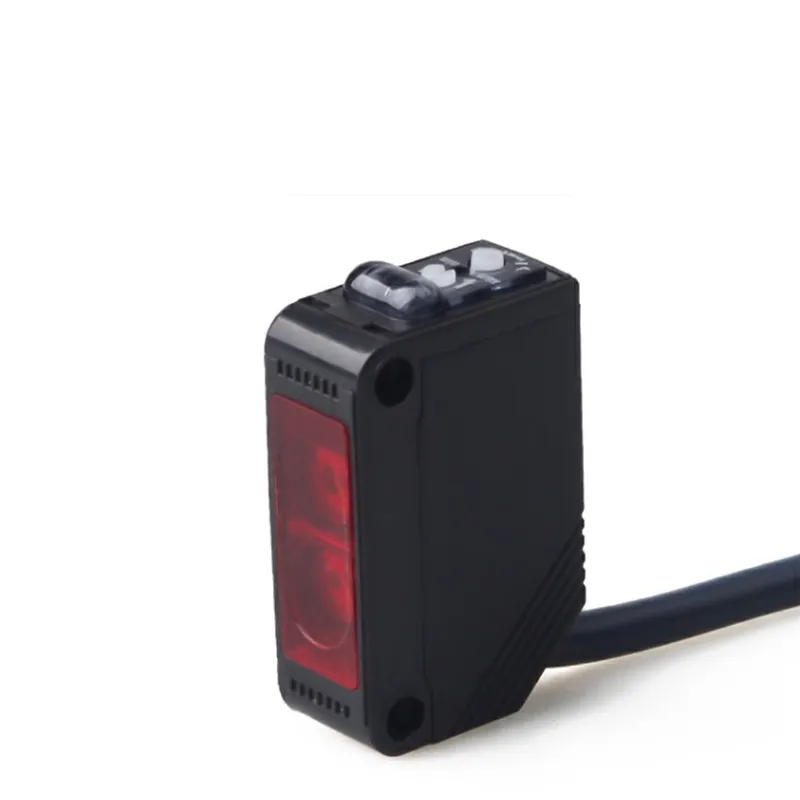
Industrial automation has revolutionized manufacturing processes worldwide, with photoelectric switch sensors serving as critical components in countless applications. These sophisticated devices utilize light beam technology to detect objects, monitor positions, and control automated systems with remarkable precision. The efficiency of a photoelectric switch sensor stems from its ability to provide non-contact detection, eliminate mechanical wear, and deliver consistent performance across diverse industrial environments.
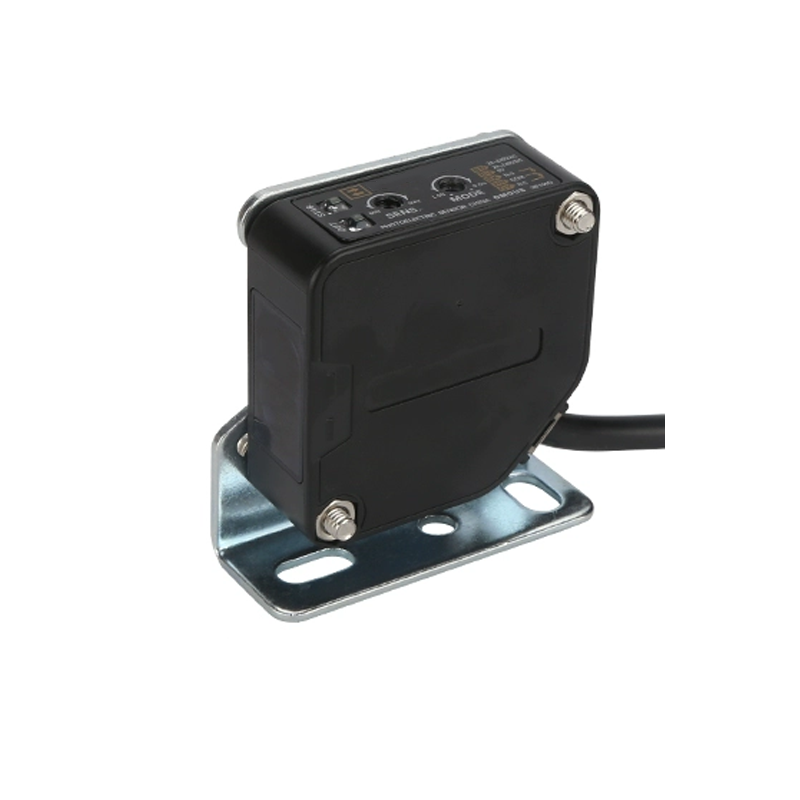
Understanding the fundamental principles behind photoelectric sensors reveals why they have become indispensable in modern manufacturing. Unlike traditional mechanical switches that require physical contact, these sensors operate through electromagnetic radiation detection, making them suitable for applications where contamination, vibration, or frequent switching would compromise mechanical alternatives. The versatility and reliability of photoelectric switch sensor technology have made it a cornerstone of Industry 4.0 implementations.
Core Operating Principles of Photoelectric Switch Sensors
Light Beam Detection Mechanisms
The foundation of photoelectric switch sensor efficiency lies in its sophisticated light detection system. These devices emit focused light beams, typically using LED or laser diodes, which travel to photodiodes or phototransistors that convert optical signals into electrical outputs. The emitter generates consistent light intensity while the receiver maintains sensitivity calibration to ensure accurate detection across varying environmental conditions.
Modern photoelectric sensors incorporate advanced optical components that enhance beam focus and reduce ambient light interference. The precision engineering of these optical systems allows for detection distances ranging from millimeters to several meters, depending on the specific application requirements. This optical precision contributes significantly to the overall efficiency of the photoelectric switch sensor by minimizing false triggering and ensuring reliable operation.
Electronic Signal Processing
Sophisticated electronic circuitry within photoelectric sensors processes optical signals with remarkable speed and accuracy. Digital signal processing algorithms filter out noise, compensate for temperature variations, and maintain consistent switching thresholds. These electronic systems typically respond within microseconds, enabling high-speed applications that demand rapid detection cycles without compromising accuracy.
The integration of microprocessor-controlled logic enhances the adaptability of photoelectric switch sensors to diverse operating conditions. Advanced models feature programmable sensitivity settings, time delay functions, and output configurations that can be customized for specific applications. This electronic sophistication allows a single photoelectric switch sensor to replace multiple mechanical devices while providing superior performance characteristics.
Types and Configuration Options
Through-Beam Sensor Systems
Through-beam photoelectric sensors represent the most reliable configuration for long-distance detection applications. These systems utilize separate emitter and receiver units positioned opposite each other, creating an uninterrupted light beam that objects interrupt during detection cycles. The physical separation of optical components maximizes detection range while minimizing susceptibility to surface reflectance variations.
The efficiency advantages of through-beam photoelectric switch sensor configurations include superior immunity to ambient light conditions and exceptional detection reliability for opaque objects. Industrial applications frequently employ these sensors for conveyor monitoring, security systems, and automated counting processes where consistent detection accuracy is paramount. The beam alignment requirements, while initially more complex, result in long-term operational stability that justifies the installation effort.
Retro-Reflective Detection Systems
Retro-reflective photoelectric sensors combine emitter and receiver functions within a single housing, utilizing corner-cube reflectors to return light beams to the sensing unit. This configuration simplifies installation by eliminating the need for electrical connections on both sides of the detection area while maintaining excellent detection reliability for most industrial applications.
The compact design of retro-reflective photoelectric switch sensor systems makes them ideal for space-constrained installations where through-beam configurations would be impractical. These sensors excel in applications involving conveyor systems, automated doors, and safety light curtains where objects interrupt the reflected light path. The polarized filter options available in advanced models enhance discrimination between actual objects and highly reflective surfaces that might otherwise cause false triggering.
Diffuse Proximity Detection
Diffuse photoelectric sensors detect objects by measuring light reflected directly from target surfaces, eliminating the need for separate reflectors or receiver units. This self-contained approach offers maximum installation flexibility while providing reliable detection for objects with sufficient surface reflectance characteristics. The sensitivity adjustments available in modern diffuse sensors accommodate various surface textures and colors.
Background suppression technology in advanced diffuse photoelectric switch sensor models enhances detection accuracy by ignoring objects beyond predetermined distances. This capability proves invaluable in applications where background objects might otherwise interfere with target detection. The fixed-focus and adjustable-focus options provide versatility for applications ranging from precise proximity detection to moderate-distance object sensing.
Environmental Adaptability and Durability
Temperature Performance Characteristics
Industrial photoelectric sensors demonstrate exceptional performance across extended temperature ranges, typically operating reliably from -25°C to +70°C without degradation in detection accuracy. The temperature compensation circuits integrated into modern photoelectric switch sensor designs maintain consistent switching thresholds despite thermal variations that would significantly affect mechanical alternatives.
Specialized high-temperature versions of photoelectric sensors can withstand extreme conditions up to 200°C, making them suitable for steel processing, glass manufacturing, and other high-heat industrial environments. The thermal stability of LED emitters and silicon photodiodes contributes to long-term reliability while reducing maintenance requirements compared to temperature-sensitive mechanical switches.
Moisture and Contamination Resistance
The sealed construction of industrial photoelectric sensors provides excellent protection against moisture, dust, and chemical contamination that would quickly compromise mechanical switching devices. Standard IP67 ratings ensure reliable operation in washdown environments, while specialized IP69K models withstand high-pressure, high-temperature cleaning cycles common in food processing applications.
Advanced lens coatings and housing materials resist chemical attack from industrial solvents, oils, and cleaning agents. This chemical resistance extends the operational lifespan of photoelectric switch sensor installations while maintaining detection accuracy despite surface contamination. The non-contact detection principle eliminates wear mechanisms that plague mechanical alternatives in harsh industrial environments.
Installation and Integration Advantages
Mounting Flexibility and Accessibility
Photoelectric sensors offer exceptional mounting versatility through standardized M18, M12, and rectangular housing formats that accommodate various industrial installation requirements. The compact form factors enable integration into tight spaces while maintaining optimal detection performance. Standard mounting accessories and brackets simplify installation across diverse mechanical configurations.
The non-contact nature of photoelectric switch sensor operation eliminates mechanical linkages and associated alignment complexities. This installation simplicity reduces commissioning time while providing greater positioning flexibility compared to mechanical switches that require precise target contact. The optical alignment indicators available on many models facilitate rapid setup and troubleshooting.
Electrical Interface Compatibility
Modern photoelectric sensors feature universal power supply compatibility, accepting both AC and DC voltage inputs across wide ranges to accommodate various industrial control systems. The standardized electrical connections and industry-standard output formats ensure seamless integration with existing automation infrastructure without requiring specialized interface modules.
Digital communication capabilities in advanced photoelectric switch sensor models enable remote configuration, diagnostic monitoring, and predictive maintenance scheduling through industrial networks. These smart sensor features enhance system efficiency by providing real-time performance data and early warning indicators for potential issues before they impact production operations.
Performance Optimization Factors
Response Time and Switching Speed
The electronic switching mechanism in photoelectric sensors achieves response times measured in microseconds, far exceeding the capabilities of mechanical alternatives that require physical motion to complete switching cycles. This rapid response enables high-speed applications such as parts counting, position verification, and quality control inspections without compromising detection accuracy.
Advanced signal processing algorithms in modern photoelectric switch sensor designs optimize switching speed while maintaining immunity to false triggering from vibration, electrical noise, and ambient light variations. The adjustable response time settings available in sophisticated models allow optimization for specific application requirements, balancing speed with stability based on operational needs.
Detection Accuracy and Repeatability
The optical detection principles employed by photoelectric sensors provide exceptional repeatability, with switching point variations typically measured in fractions of millimeters. This precision enables applications requiring consistent positioning accuracy, such as robotic guidance systems and precision assembly operations where mechanical switches would introduce unacceptable variation.
Calibration stability over extended operating periods ensures that photoelectric switch sensor performance remains consistent without frequent adjustment or recalibration. The solid-state construction eliminates wear mechanisms that gradually degrade mechanical switch accuracy, resulting in lower maintenance costs and improved production consistency over equipment lifecycles.
Cost-Effectiveness and Return on Investment
Maintenance Reduction Benefits
The elimination of mechanical wear components in photoelectric sensors dramatically reduces maintenance requirements compared to traditional switching devices. Without moving parts subject to wear, lubrication needs, or mechanical adjustment requirements, these sensors provide years of reliable operation with minimal intervention, reducing both direct maintenance costs and production downtime.
Predictive maintenance capabilities in smart photoelectric switch sensor models enable condition monitoring that prevents unexpected failures while optimizing maintenance scheduling. The diagnostic features provide early warning indicators for optical contamination, electrical issues, or performance degradation, allowing maintenance teams to address problems during planned downtime rather than emergency shutdowns.
Energy Efficiency Considerations
Modern photoelectric sensors consume minimal electrical power, typically requiring only milliwatts of energy during normal operation. This low power consumption contributes to overall system efficiency while reducing heat generation that could affect sensitive nearby components. The energy-saving features in advanced models include sleep modes and intelligent power management that further minimize operational costs.
The long operational lifespan of photoelectric switch sensor components, particularly LED emitters designed for 100,000+ hour operation, reduces replacement frequency and associated labor costs. This extended service life, combined with minimal maintenance requirements, provides excellent return on investment compared to mechanical alternatives that require regular service and eventual replacement.
FAQ
What factors affect photoelectric sensor detection range?
Detection range depends primarily on the sensor type, target surface reflectivity, ambient light conditions, and beam diameter. Through-beam sensors achieve the longest ranges, often exceeding 100 meters, while diffuse sensors typically operate within 2 meters. Target color and surface finish significantly impact diffuse sensor performance, with white or metallic surfaces providing optimal detection distances.
How do photoelectric sensors handle ambient light interference?
Modern photoelectric switch sensor designs incorporate several ambient light rejection techniques, including modulated light emission, optical filtering, and digital signal processing. Pulsed LED emitters synchronized with receiver circuits effectively distinguish sensor light from ambient illumination, while optical filters block specific wavelengths of interfering light sources.
Can photoelectric sensors detect transparent or translucent materials?
Detecting transparent materials requires specialized sensor configurations and techniques. Through-beam sensors can detect clear materials by measuring light attenuation, while specially designed clear object detection sensors use focused beams and precise optical systems to identify refractive index differences. Glass, plastic films, and liquid levels can be reliably detected with appropriate sensor selection and setup.
What safety considerations apply to photoelectric sensor installations?
Safety-rated photoelectric switch sensor systems must comply with relevant safety standards when used for personnel protection applications. Category 2 and Category 4 safety light curtains require redundant circuitry, self-monitoring capabilities, and fail-safe output configurations. Regular functional testing and proper installation according to safety standards ensure reliable protection system operation.