 EN
EN

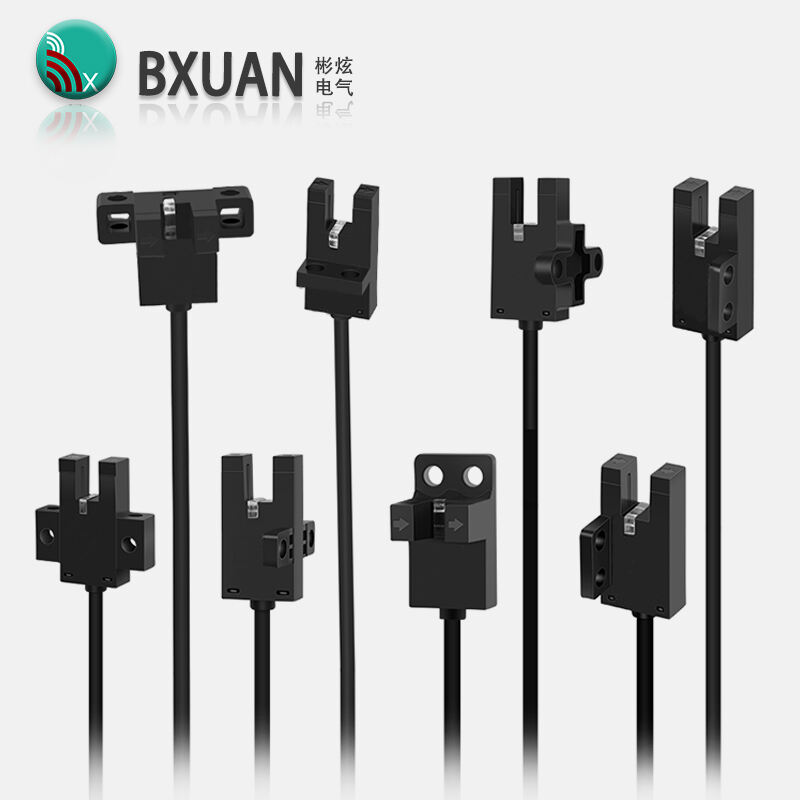
Modern industrial applications increasingly rely on sophisticated sensor technology to optimize performance, enhance safety, and improve operational efficiency. A sensor serves as the critical interface between physical environments and digital control systems, transforming mechanical, thermal, chemical, or electromagnetic phenomena into electrical signals that can be processed and analyzed. Understanding the key advantages of contemporary sensor solutions helps businesses make informed decisions about automation investments and process improvements.
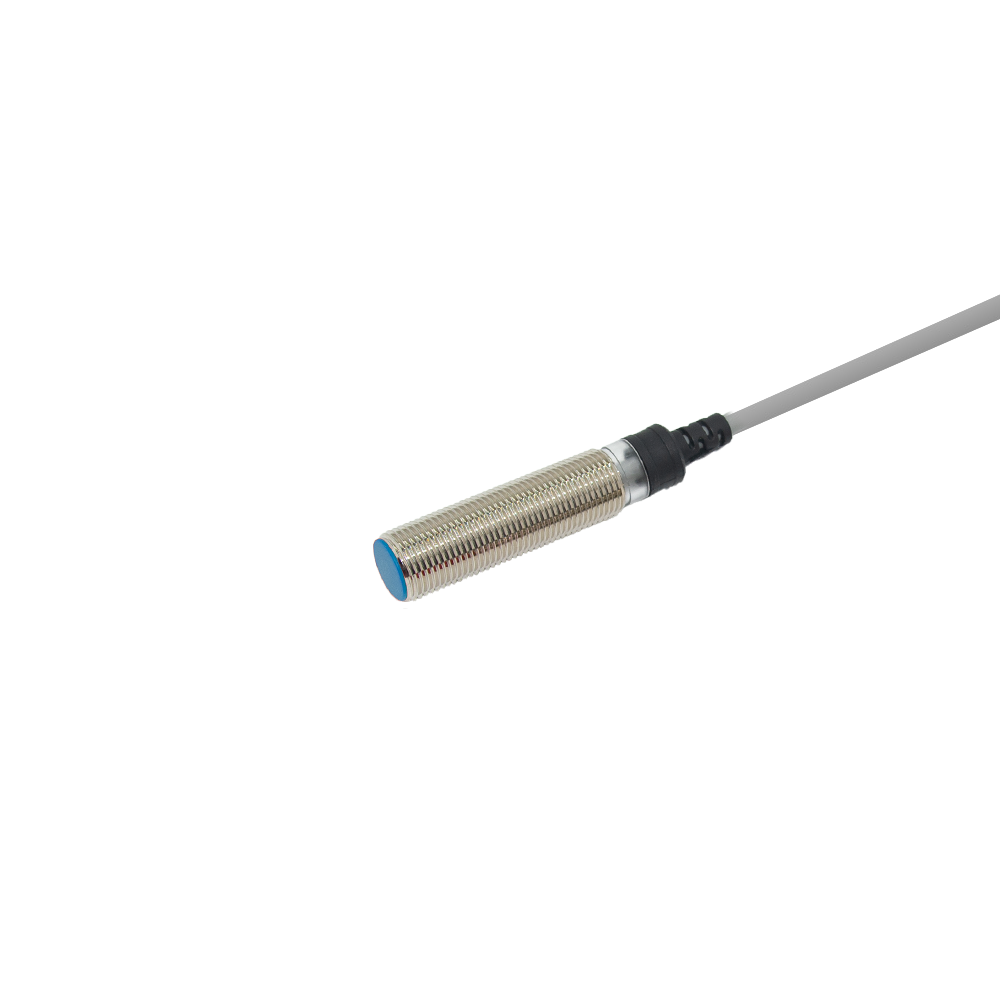
The evolution of sensor technology has transformed manufacturing processes, quality control systems, and predictive maintenance strategies across numerous industries. From automotive production lines to pharmaceutical manufacturing facilities, advanced sensor networks provide unprecedented visibility into operational parameters. These sophisticated detection devices enable real-time monitoring, precise measurement, and automated response capabilities that were previously impossible or prohibitively expensive to implement.
Enhanced Precision and Accuracy in Measurement
Advanced Calibration Technologies
Contemporary sensor designs incorporate sophisticated calibration algorithms and temperature compensation mechanisms that significantly improve measurement accuracy. Digital signal processing capabilities within modern sensor units eliminate drift issues that traditionally plagued analog measurement systems. These technological improvements ensure that each sensor maintains consistent performance across varying environmental conditions and extended operational periods.
The integration of microprocessor-based correction algorithms allows sensor systems to automatically adjust for known environmental variables such as temperature fluctuations, humidity changes, and electromagnetic interference. This self-correcting capability reduces the need for frequent manual calibration procedures while maintaining measurement reliability that exceeds traditional sensor specifications by significant margins.
High-Resolution Detection Capabilities
Modern sensor technology delivers exceptional resolution that enables detection of minute changes in measured parameters. Advanced photoelectric sensors can distinguish between objects with minimal size differences, while precision pressure sensors can detect variations measured in fractions of a pascal. This enhanced sensitivity opens new possibilities for quality control applications and process optimization strategies.
The improved resolution characteristics of contemporary sensor designs enable manufacturers to implement tighter process control tolerances and achieve higher product quality standards. These capabilities prove particularly valuable in industries where minor variations in measured parameters can significantly impact final product performance or safety characteristics.
Improved Durability and Reliability Features
Robust Environmental Protection
Industrial sensor applications demand exceptional durability to withstand harsh operating environments. Modern sensor enclosures feature advanced sealing technologies, corrosion-resistant materials, and impact-resistant housings that ensure reliable operation in challenging conditions. These protective features extend sensor lifespan and reduce maintenance requirements in demanding industrial applications.
Temperature cycling, chemical exposure, mechanical vibration, and moisture infiltration represent common environmental challenges that can compromise sensor performance. Advanced materials engineering and sophisticated sealing techniques enable contemporary sensor designs to maintain operational integrity across extreme temperature ranges while resisting chemical attack from industrial solvents and cleaning agents.
Extended Operational Lifespan
Contemporary sensor technology incorporates design improvements that significantly extend operational lifespan compared to previous generation devices. Solid-state construction eliminates mechanical wear points, while advanced semiconductor fabrication techniques improve long-term stability. These engineering improvements translate into reduced replacement costs and decreased maintenance downtime for industrial operators.
The enhanced reliability characteristics of modern sensor designs enable predictable maintenance scheduling and reduce unplanned production interruptions. Extended operational lifespans also improve return on investment calculations for automation projects by spreading initial sensor costs across longer operational periods.
Advanced Connectivity and Integration Options
Digital Communication Protocols
Modern sensor systems support sophisticated digital communication protocols that enable seamless integration with industrial control networks. Ethernet-based connectivity, wireless communication options, and standardized fieldbus protocols facilitate data exchange between sensor devices and centralized monitoring systems. These connectivity features eliminate the complexity associated with analog signal conditioning and wiring infrastructure.
Digital communication capabilities also enable advanced diagnostic features that provide detailed information about sensor health, calibration status, and performance characteristics. This diagnostic data supports predictive maintenance strategies and helps identify potential issues before they impact production operations.
Smart Sensor Intelligence
Contemporary sensor designs incorporate embedded processing capabilities that enable local data analysis and decision-making functions. Smart sensor technology can perform complex calculations, implement custom algorithms, and execute conditional logic operations without requiring external processing resources. These intelligent capabilities reduce network traffic and enable faster response times for critical applications.
The embedded intelligence within modern sensor systems also supports advanced features such as automatic gain adjustment, multi-point calibration, and adaptive filtering algorithms. These sophisticated capabilities optimize sensor performance for specific application requirements while reducing the complexity of external control system programming.
Cost-Effectiveness and Economic Benefits
Reduced Installation Complexity
Modern sensor technology simplifies installation procedures through improved mounting options, standardized connections, and comprehensive documentation. Plug-and-play connectivity reduces installation time and eliminates common wiring errors that can compromise system reliability. These installation improvements translate into lower project costs and faster system commissioning schedules.
The streamlined installation process also reduces the skill level required for sensor deployment, enabling maintenance personnel to perform routine sensor replacement tasks without specialized training. This capability reduces dependency on external contractors and enables faster response to equipment failures.
Lower Total Cost of Ownership
While modern sensor technology may require higher initial investment compared to basic alternatives, the total cost of ownership typically proves more favorable when considering operational benefits. Reduced maintenance requirements, extended operational lifespan, and improved reliability characteristics combine to deliver significant long-term cost savings for industrial operators.
Advanced sensor capabilities also enable process optimizations that can generate substantial operational savings through improved efficiency, reduced waste, and enhanced product quality. These operational benefits often justify sensor investments through quantifiable improvements in manufacturing metrics and quality indicators.
Versatile Application Capabilities
Multi-Parameter Sensing Functions
Contemporary sensor designs often incorporate multiple sensing elements that enable simultaneous measurement of different physical parameters. Combination sensors can monitor temperature, pressure, and flow rate simultaneously, reducing the number of individual devices required for comprehensive process monitoring. This consolidation simplifies system design and reduces installation costs.
Multi-parameter sensing capabilities also improve data correlation and enable more sophisticated control algorithms that consider interactions between different process variables. An advanced sensor system can provide comprehensive process visibility through a single device interface, simplifying data management and analysis procedures.
Flexible Mounting and Configuration Options
Modern sensor technology offers extensive flexibility in mounting configurations and installation orientations. Adjustable mounting brackets, universal connection options, and configurable sensing ranges enable adaptation to diverse application requirements without requiring custom engineering solutions. This flexibility reduces inventory complexity and enables standardization of sensor specifications across different applications.
The configurability of contemporary sensor systems also supports rapid deployment in new applications and enables easy modification of existing installations. Field-configurable parameters allow optimization of sensor performance for specific operating conditions without requiring hardware changes or specialized programming tools.
Enhanced Safety and Compliance Features
Integrated Safety Functions
Modern industrial sensor designs incorporate safety features that comply with international safety standards and regulatory requirements. Safety-rated sensor systems provide certified performance levels for critical safety applications, enabling compliance with machinery safety directives and industrial safety regulations. These integrated safety capabilities eliminate the need for additional safety devices in many applications.
Advanced sensor diagnostics also support safety system validation by providing continuous monitoring of sensor health and performance characteristics. This diagnostic capability enables detection of sensor failures or degraded performance conditions that could compromise safety system effectiveness.
Fail-Safe Operation Modes
Contemporary sensor technology incorporates fail-safe operation modes that ensure predictable behavior during sensor failure conditions. These safety features prevent dangerous machine states by providing predetermined output signals when sensor faults are detected. Fail-safe capabilities prove particularly important in applications where sensor failure could result in personnel injury or equipment damage.
The implementation of comprehensive fault detection algorithms enables early identification of sensor degradation before complete failure occurs. This predictive failure detection capability supports planned maintenance activities and prevents unexpected safety system failures that could disrupt production operations.
Future-Ready Technology Integration
Industry 4.0 Compatibility
Modern sensor technology supports Industry 4.0 initiatives through advanced connectivity options and data analytics capabilities. Cloud integration, edge computing support, and standardized data formats enable seamless integration with enterprise-level data management systems. These capabilities support digital transformation initiatives and enable implementation of advanced analytics applications.
The compatibility with Industry 4.0 standards also ensures long-term technology relevance and supports future system expansions. Standardized communication protocols and data formats facilitate integration with emerging technologies and prevent obsolescence concerns that could impact long-term investment value.
Scalable Architecture Design
Contemporary sensor systems feature scalable architecture designs that support system expansion and functionality upgrades without requiring complete system replacement. Modular sensor configurations enable gradual system improvements and support phased implementation strategies that spread costs across multiple budget periods.
The scalable nature of modern sensor technology also supports changing application requirements and enables adaptation to evolving production processes. This flexibility ensures that sensor investments remain viable as manufacturing requirements change and production capabilities expand.
FAQ
How do modern sensors improve manufacturing efficiency compared to traditional measurement methods
Modern sensors enhance manufacturing efficiency through real-time data collection, automated process adjustments, and predictive maintenance capabilities. Unlike traditional measurement methods that require manual intervention, contemporary sensor systems provide continuous monitoring and immediate response to process variations. This automation eliminates human error, reduces inspection time, and enables optimization of production parameters for maximum throughput and quality consistency.
What factors should be considered when selecting sensors for industrial applications
Industrial sensor selection requires evaluation of environmental conditions, accuracy requirements, communication protocols, and integration capabilities. Key considerations include operating temperature range, chemical compatibility, vibration resistance, and electrical interference immunity. Additionally, compatibility with existing control systems, available mounting options, and long-term support availability influence sensor selection decisions for industrial applications.
How do smart sensors contribute to predictive maintenance strategies
Smart sensors support predictive maintenance through continuous monitoring of equipment parameters, trend analysis, and early fault detection capabilities. Advanced sensor systems can identify gradual performance degradation patterns that indicate impending equipment failures. By analyzing vibration signatures, temperature trends, and operational efficiency metrics, smart sensors enable maintenance teams to schedule repairs during planned downtime rather than responding to unexpected equipment failures.
What are the primary benefits of wireless sensor technology in industrial environments
Wireless sensor technology eliminates costly wiring infrastructure, enables monitoring in previously inaccessible locations, and supports rapid deployment of monitoring systems. Battery-powered wireless sensors can operate in hazardous environments without electrical connections, while mesh networking capabilities ensure reliable data transmission across large facilities. The flexibility of wireless sensor networks also enables easy system reconfiguration and supports temporary monitoring applications during equipment commissioning or troubleshooting activities.
Table of Contents
- Enhanced Precision and Accuracy in Measurement
- Improved Durability and Reliability Features
- Advanced Connectivity and Integration Options
- Cost-Effectiveness and Economic Benefits
- Versatile Application Capabilities
- Enhanced Safety and Compliance Features
- Future-Ready Technology Integration
-
FAQ
- How do modern sensors improve manufacturing efficiency compared to traditional measurement methods
- What factors should be considered when selecting sensors for industrial applications
- How do smart sensors contribute to predictive maintenance strategies
- What are the primary benefits of wireless sensor technology in industrial environments