 EN
EN

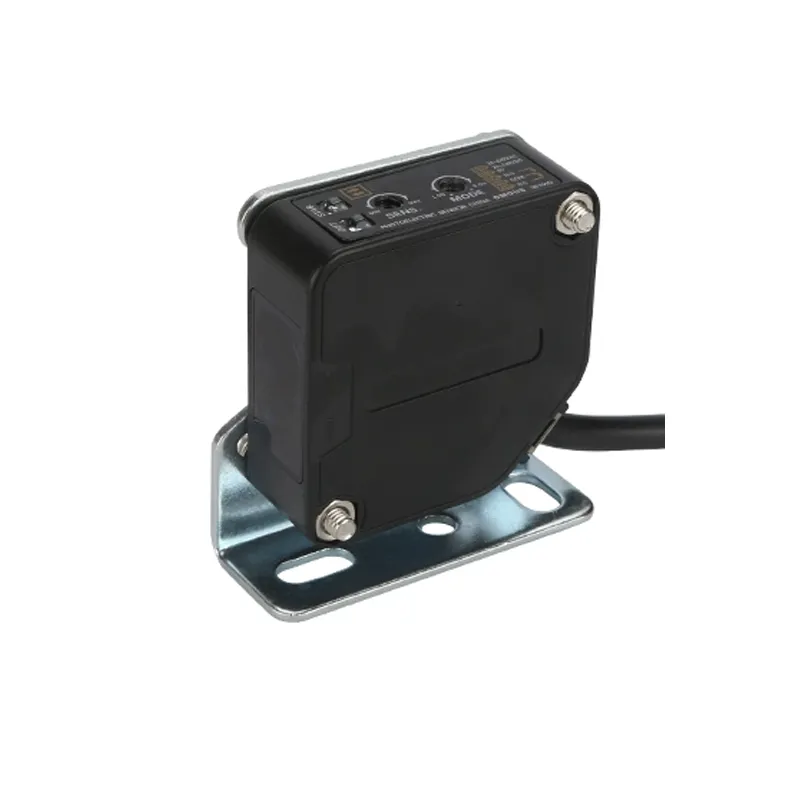
Selecting the right photoelectric switch sensor for your industrial application requires careful consideration of multiple technical and environmental factors. A photoelectric switch sensor operates by detecting changes in light intensity when an object interrupts or reflects a light beam, making it an essential component in automation systems across manufacturing, packaging, and material handling industries. The effectiveness of your automation system largely depends on choosing a photoelectric switch sensor that matches your specific operational requirements, environmental conditions, and performance expectations.
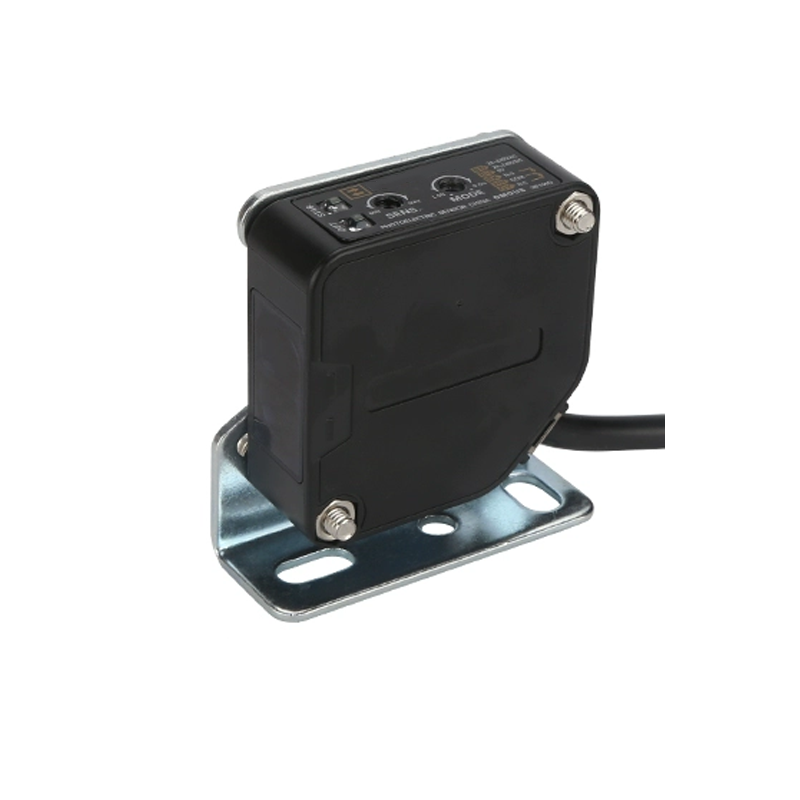
Understanding Photoelectric Switch Sensor Technologies
Through-Beam Detection Method
Through-beam photoelectric switch sensors consist of separate transmitter and receiver units positioned opposite each other. This configuration provides the highest sensing reliability and longest detection ranges, typically extending from several inches to over 100 feet. The transmitter emits a continuous light beam that the receiver monitors, and when an object breaks this beam, the photoelectric switch sensor triggers an output signal. This method excels in applications requiring precise detection of small objects or transparent materials that might challenge other sensor types.
The primary advantage of through-beam systems lies in their immunity to surface variations and color changes of detected objects. Manufacturing environments with dusty conditions benefit from through-beam photoelectric switch sensors because the strong signal strength can penetrate moderate contamination levels. However, the requirement for precise alignment between transmitter and receiver units can increase installation complexity and maintenance requirements compared to self-contained sensor designs.
Retro-Reflective Configuration
Retro-reflective photoelectric switch sensors combine the transmitter and receiver in a single housing, using a reflector positioned opposite the sensor to return the light beam. This design offers excellent detection reliability while simplifying installation since only one electrical connection is required. The sensing range typically extends from several inches to approximately 15 feet, making retro-reflective systems ideal for medium-range applications in conveyor systems and packaging lines.
Modern retro-reflective photoelectric switch sensors incorporate polarized light technology to prevent false triggering from highly reflective objects. The polarizing filters ensure that only light reflected from the designated reflector can activate the sensor, while reflective packaging materials or shiny products pass through the beam without causing unwanted switching. This feature significantly reduces false signals in applications involving metallic or glossy surfaces that could otherwise interfere with sensor operation.
Environmental Considerations for Sensor Selection
Operating Temperature Requirements
Temperature extremes significantly impact photoelectric switch sensor performance and longevity, making thermal specifications a critical selection criterion. Standard industrial sensors typically operate reliably within -25°C to +70°C ranges, while specialized high-temperature models can withstand environments up to +200°C or higher. Cold storage applications, foundries, and outdoor installations often require extended temperature ratings to ensure consistent performance across seasonal variations and process-specific conditions.
Beyond simple temperature ratings, consider the thermal cycling effects on your photoelectric switch sensor selection. Applications involving rapid temperature changes require sensors with robust housing materials and stable electronic components that maintain calibration accuracy throughout thermal transitions. Stainless steel housings provide superior thermal stability compared to plastic enclosures, while ceramic or sapphire optical windows resist thermal shock better than standard glass components.
Contamination and Cleaning Requirements
Industrial environments expose photoelectric switch sensors to various contaminants including dust, moisture, oils, and chemical vapors that can degrade optical performance over time. IP65 or IP67 rated sensors provide adequate protection for most factory environments, while IP69K ratings suit applications requiring high-pressure washdowns common in food processing and pharmaceutical manufacturing. The sensor housing material and optical window design directly influence contamination resistance and cleaning procedures.
Selecting a photoelectric switch sensor with appropriate contamination resistance reduces maintenance costs and improves system uptime. Self-cleaning optical surfaces, recessed mounting options, and protective shields help minimize contamination buildup on critical sensor components. Some advanced photoelectric switch sensor models include built-in contamination detection features that provide early warning when optical surfaces require cleaning, enabling predictive maintenance scheduling.
Technical Specifications and Performance Parameters
Response Time and Switching Frequency
Response time specifications determine how quickly a photoelectric switch sensor can detect object presence and generate output signals, directly affecting system throughput in high-speed applications. Modern sensors achieve response times as low as 50 microseconds, enabling detection of rapidly moving objects on high-speed conveyor systems or rotating machinery. Understanding the relationship between object speed, sensor response time, and required detection accuracy ensures proper sensor selection for time-critical applications.
Switching frequency capabilities define the maximum rate at which a photoelectric switch sensor can reliably detect successive objects or signal transitions. High-frequency applications such as counting small parts or monitoring gear teeth require sensors capable of handling switching rates exceeding 10 kHz. Consider both the mechanical response time of connected equipment and the electrical characteristics of control system inputs when evaluating switching frequency requirements for your specific application.
Optical Characteristics and Light Sources
The light source technology employed in a photoelectric switch sensor significantly influences detection performance, power consumption, and operational lifespan. LED-based sensors offer excellent longevity, low power consumption, and stable output characteristics across wide temperature ranges. Infrared LEDs provide superior performance with dark or black objects, while visible red light sources simplify alignment and troubleshooting procedures during installation and maintenance activities.
Laser diode light sources enable precise beam focusing and extended detection ranges, making them ideal for applications requiring small spot sizes or long-distance sensing. However, laser-equipped photoelectric switch sensors typically require additional safety considerations and higher initial costs compared to standard LED models. The beam divergence characteristics affect the sensor's ability to detect small objects reliably, with tightly focused beams providing better resolution but potentially missing larger objects that don't fully interrupt the sensing area.
Application-Specific Selection Criteria
Object Material and Surface Properties
The physical characteristics of objects being detected heavily influence photoelectric switch sensor selection and performance. Transparent materials such as glass, clear plastics, and films require specialized sensor configurations or alternative detection methods to ensure reliable operation. Through-beam sensors with polarized light or diffuse-reflective sensors with background suppression often provide better performance with transparent objects compared to standard retro-reflective configurations.
Surface reflectivity variations can cause inconsistent detection with certain photoelectric switch sensor types, particularly when monitoring mixed product lines containing both matte and glossy items. Diffuse-reflective sensors with fixed focus or background suppression features provide more consistent performance across varying surface finishes. Understanding the range of object characteristics in your application helps determine whether a single sensor model can handle all requirements or if multiple sensor types are necessary for reliable operation.
Mounting and Installation Constraints
Physical installation requirements often dictate photoelectric switch sensor selection as much as technical performance specifications. Space constraints, mounting orientations, and accessibility for maintenance all influence the optimal sensor configuration for your application. Compact cylindrical sensors suit tight spaces but may offer limited adjustment capabilities, while larger rectangular housings provide more connection options and indicator visibility at the cost of increased space requirements.
Consider the long-term implications of sensor mounting decisions, including vibration exposure, mechanical stress, and maintenance access requirements. Sensors mounted in high-vibration environments benefit from robust mechanical construction and secure mounting hardware, while locations requiring frequent cleaning or adjustment need easily accessible controls and optical surfaces. The availability of mounting brackets, protective housings, and extension cables from the sensor manufacturer can significantly impact installation costs and complexity.
Integration and Compatibility Considerations
Electrical Interface Requirements
Proper electrical integration ensures reliable communication between your photoelectric switch sensor and control system components. Standard output configurations include NPN and PNP transistor outputs, relay contacts, and analog voltage or current signals, each offering different advantages for specific applications. NPN outputs work well with sinking input circuits common in Asian-manufactured equipment, while PNP outputs suit sourcing inputs typical in European control systems.
Advanced photoelectric switch sensor models offer IO-Link communication capabilities, enabling digital parameter adjustment, diagnostic monitoring, and predictive maintenance features through standard industrial networks. This digital connectivity allows remote configuration changes, real-time performance monitoring, and integration with factory-wide maintenance management systems. Consider future expansion plans and system integration requirements when selecting between basic switching outputs and intelligent communication-enabled sensors.
Power Supply and Consumption
Power supply requirements vary significantly between different photoelectric switch sensor types and manufacturers, affecting both installation costs and operational efficiency. Standard industrial sensors typically operate on 12-24 VDC supplies, while AC-powered models accept 24-240 VAC inputs for simplified integration with existing control panels. Low-power sensor designs extend battery life in wireless applications and reduce heat generation in enclosed control cabinets.
Energy efficiency becomes increasingly important in large-scale installations where dozens or hundreds of photoelectric switch sensors operate continuously. Modern LED-based sensors consume significantly less power than older incandescent or halogen models, reducing operating costs and heat generation. Some advanced sensors include power-saving sleep modes that reduce consumption during idle periods while maintaining fast response times when detection activity resumes.
FAQ
What is the typical lifespan of a photoelectric switch sensor?
Modern LED-based photoelectric switch sensors typically provide 10-15 years of reliable operation under normal industrial conditions. The actual lifespan depends on environmental factors such as temperature extremes, vibration levels, and contamination exposure. Sensors with solid-state LED light sources generally outlast models using incandescent or halogen bulbs, which may require replacement every 1-3 years depending on operating hours and conditions.
How do I determine the correct sensing range for my application?
Select a photoelectric switch sensor with a maximum sensing range approximately 2-3 times greater than your required detection distance to account for performance degradation over time due to contamination, component aging, and environmental variations. This safety margin ensures reliable detection throughout the sensor's operational life while providing flexibility for minor installation adjustments and varying object positions within the sensing area.
Can photoelectric switch sensors detect transparent objects reliably?
Detecting transparent objects requires specialized photoelectric switch sensor configurations such as through-beam systems with high-intensity light sources or diffuse-reflective sensors with background suppression capabilities. Clear glass and plastic materials absorb or scatter small amounts of light, enabling detection with properly configured sensors. However, very thin films or highly transparent materials may require alternative sensing technologies such as ultrasonic or capacitive sensors for reliable detection.
What maintenance procedures are required for photoelectric switch sensors?
Regular maintenance for photoelectric switch sensors primarily involves cleaning optical surfaces to remove dust, oils, and other contamination that can reduce sensing performance. Monthly visual inspection of mounting hardware, cable connections, and housing integrity helps identify potential problems before they cause system failures. Many modern sensors include built-in diagnostic indicators that simplify troubleshooting and help determine when professional maintenance or replacement is necessary.