 EN
EN

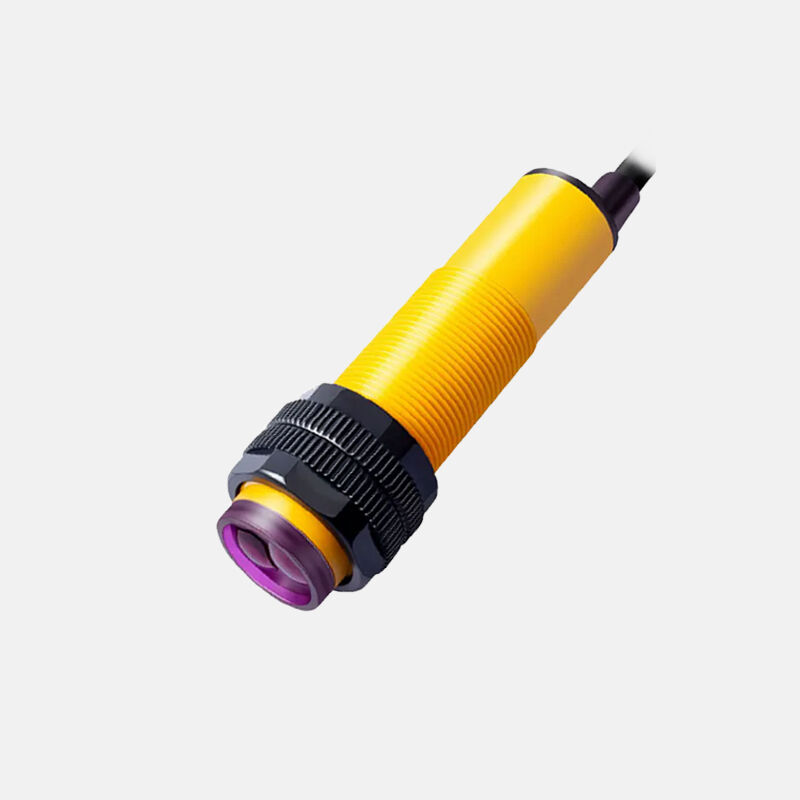
Modern technology relies heavily on precise detection and measurement capabilities, making sensor reliability a critical factor in industrial automation, manufacturing processes, and advanced technological applications. The dependability of these detection devices directly impacts operational efficiency, safety protocols, and overall system performance across diverse industries. Understanding the fundamental principles that contribute to sensor reliability helps engineers and technicians make informed decisions when selecting components for critical applications.
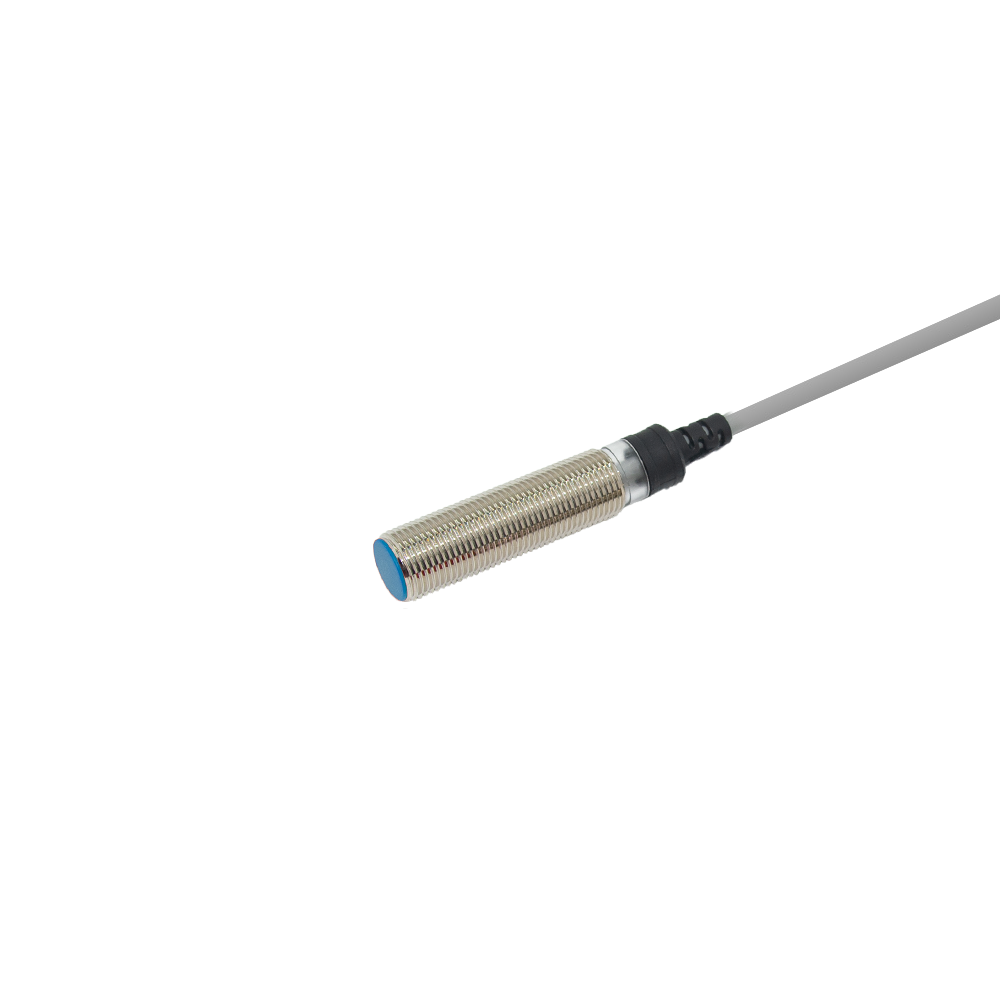
The evolution of sensor technology has transformed how industries approach automation and monitoring systems. From simple mechanical switches to sophisticated digital detection devices, the advancement in sensor design has enabled more precise control and monitoring capabilities. This technological progression has established new standards for reliability, accuracy, and durability in industrial applications.
Core Design Principles for Enhanced Sensor Reliability
Material Selection and Construction Quality
The foundation of any reliable sensor begins with careful material selection and robust construction techniques. High-grade materials such as stainless steel housings, corrosion-resistant coatings, and temperature-stable components ensure long-term performance under challenging environmental conditions. Advanced manufacturing processes incorporate precision machining and quality control measures that eliminate potential failure points before the sensor reaches operational deployment.
Quality construction extends beyond material choices to encompass assembly techniques, sealing methods, and internal component protection. Premium sensor manufacturers implement stringent quality assurance protocols during production, including thermal cycling tests, vibration resistance evaluations, and environmental exposure assessments. These comprehensive testing procedures validate the sensor's ability to maintain consistent performance throughout its operational lifespan.
Environmental Protection and Sealing Technology
Effective environmental protection represents a cornerstone of sensor reliability, particularly in industrial settings where exposure to moisture, dust, chemicals, and temperature variations is common. Advanced sealing technologies, including O-ring gaskets, potting compounds, and hermetic sealing methods, create barriers against environmental contaminants that could compromise sensor functionality.
The implementation of appropriate ingress protection ratings ensures that each sensor meets specific environmental requirements. IP67 and IP68 rated sensors provide excellent protection against water immersion and dust infiltration, while specialized chemical-resistant coatings protect against corrosive substances. These protective measures significantly extend operational lifespan and maintain measurement accuracy under adverse conditions.
Electronic Stability and Signal Processing
Circuit Design and Component Integration
Modern sensor reliability depends heavily on sophisticated electronic circuits that process detection signals and provide stable output responses. Advanced circuit designs incorporate temperature compensation algorithms, noise filtering mechanisms, and signal conditioning elements that ensure consistent performance across varying operational conditions. These electronic systems utilize high-quality components selected for their stability and longevity characteristics.
Integration of microprocessor-controlled elements enables intelligent sensor behavior, including self-diagnostic capabilities, adaptive threshold adjustment, and fault detection mechanisms. These smart features enhance overall system reliability by identifying potential issues before they impact operational performance. The combination of robust analog circuits and digital processing creates sensor systems that maintain accuracy while adapting to changing environmental conditions.
Power Management and Energy Efficiency
Efficient power management systems contribute significantly to sensor reliability by ensuring stable operation while minimizing heat generation and component stress. Advanced power regulation circuits maintain consistent voltage levels despite input fluctuations, protecting sensitive detection elements from electrical variations that could affect performance or cause premature failure.
Low-power design approaches extend operational lifespan while reducing thermal stress on internal components. Energy-efficient sensors generate less heat during operation, which helps maintain stable calibration and reduces the risk of temperature-induced drift. These design considerations become particularly important in applications requiring continuous operation over extended periods.
Calibration and Accuracy Maintenance
Factory Calibration Procedures
Comprehensive factory calibration establishes the baseline performance characteristics that define sensor reliability in practical applications. Advanced calibration procedures utilize precision reference standards and controlled environmental conditions to ensure accurate detection thresholds and consistent response characteristics. Multi-point calibration techniques validate sensor performance across the entire operating range, identifying any non-linearities or drift tendencies.
Automated calibration systems employ computer-controlled testing equipment that eliminates human error while providing detailed documentation of sensor performance parameters. These systems can detect subtle variations in sensor response that might indicate potential reliability issues, allowing manufacturers to implement corrective measures before products reach end users. Traceability to national measurement standards ensures that calibration accuracy meets industry requirements.
Long-term Stability and Drift Compensation
Maintaining measurement accuracy over extended operational periods requires careful attention to factors that could cause sensor drift or calibration changes. Advanced sensor designs incorporate compensation algorithms that account for temperature effects, aging characteristics, and environmental influences that might affect measurement accuracy over time.
Stability testing protocols evaluate sensor performance over thousands of operational cycles and extended exposure periods to identify potential drift patterns. This data enables manufacturers to implement predictive compensation algorithms that maintain accuracy throughout the sensor's operational lifespan. Some advanced sensors include self-calibration features that periodically verify and adjust detection thresholds to compensate for gradual changes in component characteristics.
Testing and Validation Methodologies
Accelerated Life Testing
Comprehensive testing protocols validate sensor reliability through accelerated aging studies that simulate years of operational exposure in compressed timeframes. These testing methodologies subject sensors to elevated temperatures, humidity cycles, mechanical stress, and electrical variations to identify potential failure modes and estimate operational lifespan under normal conditions.
Statistical analysis of test results provides confidence intervals and failure rate predictions that help users understand expected sensor performance and plan maintenance schedules accordingly. Accelerated testing also reveals design weaknesses that can be addressed through engineering improvements, contributing to the continuous evolution of sensor reliability standards.
Real-world Performance Validation
Field testing programs complement laboratory evaluations by exposing sensors to actual operational conditions encountered in industrial applications. These validation studies provide valuable feedback about sensor performance in real-world environments, including exposure to electromagnetic interference, mechanical vibration, and chemical contamination that might not be fully captured in laboratory testing protocols.
Data collected from field installations helps manufacturers refine design parameters and update reliability models based on actual performance experience. This feedback loop ensures that sensor specifications accurately reflect real-world capabilities and helps identify opportunities for performance improvements in future product generations.
Application-Specific Reliability Considerations
Industrial Automation Requirements
Industrial automation applications demand sensors that provide consistent performance in challenging environments characterized by temperature extremes, mechanical vibration, and electromagnetic interference. Reliability requirements in these applications often exceed standard commercial specifications, necessitating specialized design approaches that address specific operational challenges.
Manufacturing environments frequently expose sensors to cutting fluids, metal particles, and thermal cycling that can affect detection accuracy and component longevity. Specialized sensor designs for these applications incorporate enhanced sealing, vibration-resistant mounting systems, and robust signal processing circuits that maintain reliable operation despite these challenging conditions.
Safety-Critical Applications
Safety-critical applications require sensors with exceptional reliability characteristics, including fail-safe operation modes and redundant detection systems. These applications often involve human safety considerations that mandate compliance with strict reliability standards and certification requirements. Sensor designs for safety applications incorporate multiple layers of protection and monitoring systems that detect potential failures before they compromise system safety.
Functional safety standards such as IEC 61508 provide frameworks for evaluating sensor reliability in safety-critical applications. These standards define specific requirements for failure rate analysis, diagnostic coverage, and safe failure modes that ensure sensors contribute positively to overall system safety performance. Compliance with these standards requires extensive documentation and validation of sensor design and testing procedures.
Maintenance and Operational Best Practices
Preventive Maintenance Strategies
Implementing effective preventive maintenance programs significantly extends sensor operational lifespan and maintains measurement accuracy throughout the service period. Regular inspection schedules should include visual examination of sensor housings, cable connections, and mounting hardware to identify potential issues before they affect performance. Cleaning procedures remove accumulated contamination that might interfere with sensor operation.
Performance verification procedures compare sensor output to known reference standards to detect calibration drift or other performance changes that might indicate developing problems. Early detection of performance degradation enables proactive replacement or recalibration that prevents unexpected failures and maintains system reliability. Documentation of maintenance activities provides valuable data for reliability analysis and maintenance schedule optimization.
Installation and Configuration Guidelines
Proper installation techniques directly impact sensor reliability and long-term performance characteristics. Following manufacturer installation guidelines ensures optimal sensor positioning, adequate clearances, and appropriate mounting methods that minimize mechanical stress and environmental exposure. Correct electrical connections and cable routing prevent electromagnetic interference and reduce the risk of connection failures.
Configuration parameters should be carefully selected to match application requirements while maintaining adequate safety margins. Conservative threshold settings and appropriate response times help ensure reliable detection while minimizing false triggering that could disrupt system operation. Regular verification of configuration parameters helps maintain optimal sensor performance throughout the operational period.
FAQ
What factors most significantly impact sensor reliability in industrial environments
Environmental conditions such as temperature extremes, moisture exposure, mechanical vibration, and electromagnetic interference represent the primary challenges to sensor reliability in industrial settings. Proper selection of sensors with appropriate environmental ratings, combined with correct installation and maintenance practices, helps ensure reliable operation despite these challenging conditions. Material quality and construction techniques also play crucial roles in determining long-term reliability performance.
How can users evaluate sensor reliability before making purchasing decisions
Evaluating sensor reliability requires review of manufacturer specifications, certification compliance, and testing documentation that validates performance claims. Look for sensors that have undergone comprehensive testing including accelerated life studies, environmental exposure evaluations, and real-world validation programs. Manufacturer reputation, warranty terms, and technical support capabilities also provide insights into expected reliability and long-term support availability.
What maintenance practices help maximize sensor operational lifespan
Regular inspection and cleaning procedures remove environmental contaminants that could affect sensor performance over time. Performance verification against known standards helps detect calibration drift before it impacts system operation. Following manufacturer maintenance recommendations and documenting all service activities enables proactive maintenance scheduling and helps identify patterns that might indicate potential reliability issues requiring attention.
How do modern sensors incorporate self-diagnostic capabilities to enhance reliability
Advanced sensors integrate microprocessor-controlled diagnostic systems that continuously monitor internal operating parameters and detection performance characteristics. These systems can identify developing problems such as component degradation, calibration drift, or environmental interference before they affect measurement accuracy. Self-diagnostic features often include status indication systems that alert users to potential issues and facilitate proactive maintenance scheduling to prevent unexpected failures.
Table of Contents
- Core Design Principles for Enhanced Sensor Reliability
- Electronic Stability and Signal Processing
- Calibration and Accuracy Maintenance
- Testing and Validation Methodologies
- Application-Specific Reliability Considerations
- Maintenance and Operational Best Practices
-
FAQ
- What factors most significantly impact sensor reliability in industrial environments
- How can users evaluate sensor reliability before making purchasing decisions
- What maintenance practices help maximize sensor operational lifespan
- How do modern sensors incorporate self-diagnostic capabilities to enhance reliability