 EN
EN

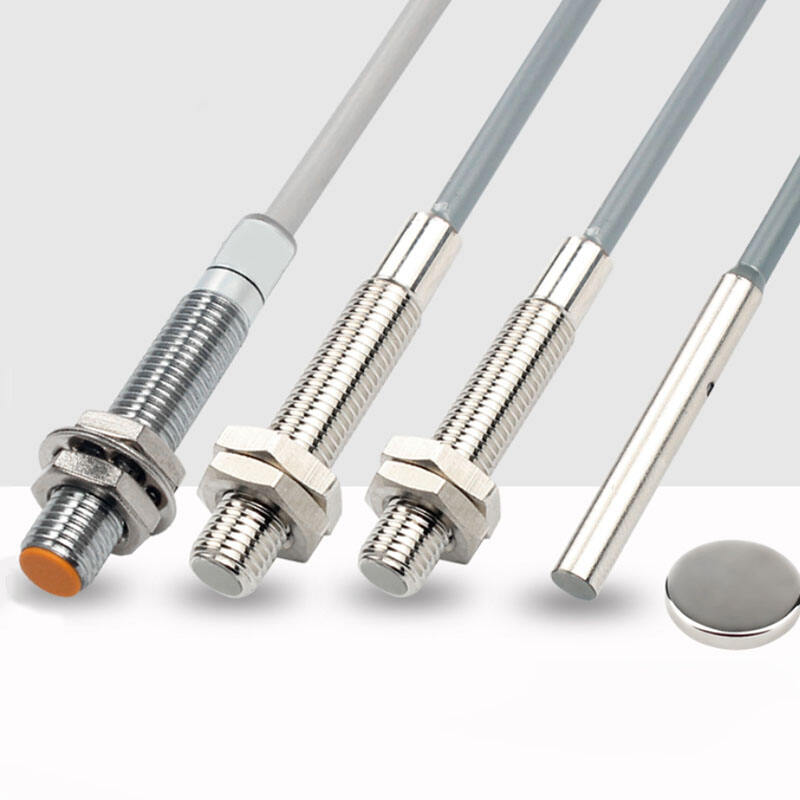
Security systems have evolved dramatically over the past decade, with advanced sensors playing a crucial role in protecting both commercial and residential properties. Among the various detection technologies available today, the magnetic switch stands out as one of the most reliable and versatile options for comprehensive security solutions. These sophisticated devices utilize electromagnetic principles to detect the presence or absence of metallic objects, making them invaluable components in modern access control, perimeter monitoring, and intrusion detection systems.
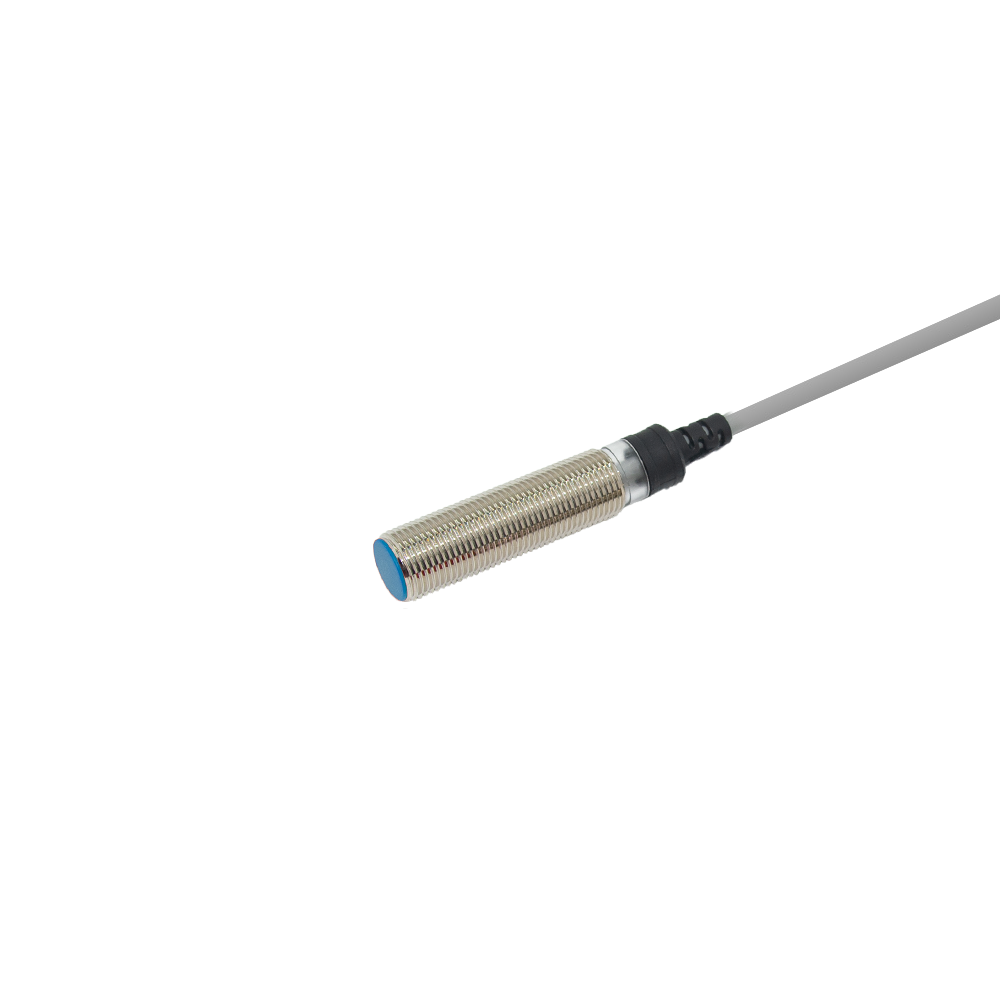
The fundamental advantage of incorporating a magnetic switch into security infrastructure lies in its non-contact operation and exceptional durability. Unlike mechanical switches that rely on physical contact and are prone to wear and tear, magnetic switches operate through electromagnetic fields, eliminating friction-based degradation. This characteristic makes them particularly suitable for high-frequency applications where traditional switches would fail prematurely due to mechanical stress and environmental factors.
Modern security professionals increasingly recognize the superior performance characteristics of magnetic switch technology in demanding environments. These devices maintain consistent operation across extreme temperature ranges, resist moisture ingress, and demonstrate immunity to vibration-induced false triggers. The inherent reliability of magnetic switches translates directly into reduced maintenance costs and enhanced system uptime, critical factors for mission-critical security applications.
Fundamental Operating Principles of Magnetic Detection
Electromagnetic Field Generation and Detection
The core functionality of a magnetic switch revolves around the generation and monitoring of controlled electromagnetic fields. When energized, the device creates a stable magnetic field that extends beyond its physical housing. The presence of ferromagnetic materials within this detection zone alters the field characteristics, triggering a reliable switching action. This principle enables precise detection of metallic objects without requiring direct physical contact, making magnetic switches ideal for applications where traditional mechanical switches would be impractical or unreliable.
Advanced magnetic switch designs incorporate sophisticated signal processing algorithms that distinguish between legitimate targets and environmental interference. These intelligent systems can differentiate between various metallic compositions, enabling selective detection based on material properties. The ability to fine-tune sensitivity parameters allows security integrators to customize detection zones according to specific application requirements, optimizing performance for unique operational environments.
Signal Processing and Output Configuration
Contemporary magnetic switch implementations feature multiple output configurations to accommodate diverse security system architectures. Standard normally-open and normally-closed contact arrangements provide compatibility with existing alarm panels and control systems. Additionally, many modern units offer programmable logic outputs that can be configured for specific security protocols, including time-delayed activation, pulse generation, and multi-state signaling capabilities.
The signal processing capabilities of advanced magnetic switch systems enable real-time analysis of detection events. Built-in microprocessors can analyze signal patterns to eliminate false alarms caused by environmental factors such as electromagnetic interference or temperature fluctuations. This intelligent processing ensures that security personnel receive accurate information about genuine security events while minimizing unnecessary alarm activations that could compromise system credibility.
Installation Advantages in Security Applications
Concealed Mounting Options
One of the most significant advantages of magnetic switch technology in security applications is the ability to achieve completely concealed installations. Unlike traditional mechanical switches that require visible mounting hardware, magnetic switches can be embedded within door frames, window casings, or other structural elements. This concealment capability prevents potential intruders from identifying and bypassing security sensors, significantly enhancing overall system effectiveness.
The compact form factor of modern magnetic switch designs facilitates integration into virtually any architectural configuration. Flush-mount options eliminate protruding components that could be damaged or tampered with, while maintaining full operational capability. Professional security installers can achieve seamless integration that preserves the aesthetic appeal of protected premises while providing comprehensive monitoring coverage.
Environmental Resilience and Longevity
Security installations often operate in challenging environmental conditions that would quickly compromise less robust sensing technologies. A properly specified magnetic switch demonstrates exceptional resistance to moisture, dust, temperature extremes, and corrosive atmospheres. Industrial-grade units feature sealed housings with IP67 or higher protection ratings, ensuring reliable operation in outdoor installations and harsh industrial environments.
The solid-state nature of magnetic switch technology eliminates mechanical wear components that typically limit the operational lifespan of conventional switches. With no moving parts subject to friction or fatigue, magnetic switches can operate continuously for decades without degradation in performance. This longevity translates into reduced lifecycle costs and enhanced system reliability for long-term security installations.
Performance Characteristics in Critical Applications
Response Time and Accuracy
High-security applications demand instantaneous response to unauthorized access attempts, making the rapid switching capabilities of magnetic switch technology particularly valuable. Advanced units can achieve response times measured in microseconds, enabling real-time threat detection and immediate alarm activation. This rapid response capability is essential for applications such as vault protection, secure facility access control, and high-value asset monitoring.
The accuracy of magnetic switch detection systems far exceeds that of mechanical alternatives, with precision positioning capabilities enabling detection of minute movements or position changes. This sensitivity level makes magnetic switches ideal for applications requiring precise monitoring of secure containers, safes, or sensitive equipment installations. The consistent accuracy maintained across varying environmental conditions ensures reliable performance regardless of operational circumstances.
Integration with Advanced Security Systems
Modern security architectures increasingly rely on intelligent sensor networks that provide comprehensive situational awareness through integrated monitoring systems. Magnetic switch technology seamlessly interfaces with contemporary security platforms, offering both analog and digital communication protocols. Advanced units support network connectivity options including Ethernet, wireless, and fieldbus communications, enabling centralized monitoring and control capabilities.
The diagnostic capabilities built into sophisticated magnetic switch designs provide valuable system health information that enhances overall security system reliability. Self-monitoring functions continuously verify operational status, detecting potential issues before they compromise security coverage. This proactive approach to system maintenance ensures optimal performance and prevents security gaps that could be exploited by unauthorized personnel.
Cost-Effectiveness and Return on Investment
Reduced Maintenance Requirements
The total cost of ownership for security systems extends far beyond initial equipment procurement, with maintenance expenses often representing the largest portion of lifecycle costs. Magnetic switch installations dramatically reduce these ongoing expenses through their inherent reliability and minimal maintenance requirements. The absence of mechanical wear components eliminates the need for regular replacement of contact surfaces, springs, and other consumable elements found in traditional switches.
Preventive maintenance schedules for magnetic switch installations typically involve only periodic cleaning and basic functionality verification, tasks that can be performed by facility personnel without specialized training or equipment. This simplicity reduces both direct maintenance costs and the indirect expenses associated with system downtime during maintenance activities. The resulting operational efficiency provides significant cost advantages over alternative sensing technologies.
Energy Efficiency and Power Management
Contemporary magnetic switch designs incorporate advanced power management features that minimize energy consumption while maintaining full operational capability. Low-power standby modes and intelligent wake-up functions enable battery-powered installations to operate for extended periods without maintenance intervention. These energy-efficient characteristics make magnetic switches particularly suitable for remote installations where power availability may be limited or expensive.
The power efficiency of magnetic switch technology also supports environmentally sustainable security implementations. Reduced energy consumption translates directly into lower carbon footprints and decreased operational expenses, aligning security infrastructure investments with corporate sustainability initiatives. This environmental consideration is increasingly important for organizations seeking to minimize their ecological impact while maintaining effective security protection.
Comparative Analysis with Alternative Technologies
Mechanical Switch Limitations
Traditional mechanical switches suffer from inherent limitations that become increasingly problematic in demanding security applications. Physical contact requirements introduce wear mechanisms that gradually degrade switch performance and reliability over time. Environmental factors such as corrosion, contamination, and mechanical stress accelerate this degradation process, leading to premature failure and costly replacement cycles.
The visible mounting requirements of mechanical switches also present security vulnerabilities that sophisticated intruders can exploit. External access to switch mechanisms enables bypass techniques that completely compromise security coverage. In contrast, magnetic switch installations can be completely concealed, eliminating these vulnerability points and enhancing overall system security integrity.
Optical Sensor Comparison
While optical sensing technologies offer certain advantages in specific applications, they also present limitations that make magnetic switch solutions more suitable for many security implementations. Optical sensors require clear line-of-sight operation and are susceptible to interference from ambient light, dust, and atmospheric conditions. These environmental sensitivities can result in false alarms or missed detections that compromise security effectiveness.
The electromagnetic operating principles of magnetic switch technology provide immunity to optical interference sources while maintaining reliable detection capability in visually obscured environments. This operational advantage makes magnetic switches particularly valuable for outdoor installations and industrial environments where optical clarity cannot be guaranteed. The consistent performance across varying visibility conditions ensures reliable security coverage regardless of environmental circumstances.
Implementation Considerations and Best Practices
Proper Sizing and Specification
Successful implementation of magnetic switch technology requires careful attention to proper sizing and specification for specific application requirements. Detection range, sensitivity settings, and environmental ratings must be matched to operational conditions to ensure optimal performance. Professional security integrators understand the importance of conducting thorough site surveys to identify potential interference sources and environmental challenges that could affect magnetic switch operation.
The selection process should also consider future expansion requirements and system upgrade possibilities. Choosing magnetic switch models with programmable features and communication capabilities provides flexibility for evolving security needs. This forward-thinking approach ensures that initial investments continue to provide value as security requirements change and expand over time.
Installation Quality and Testing Procedures
The performance of any magnetic switch installation depends heavily on proper mounting techniques and comprehensive testing procedures. Precise alignment between sensor and target elements ensures optimal detection sensitivity and eliminates potential blind spots. Professional installation teams utilize specialized alignment tools and testing equipment to verify proper operation across the full range of environmental conditions.
Comprehensive commissioning procedures should include extensive testing under various operational scenarios to validate system performance. This testing should encompass normal operation, tamper detection, and fault condition responses to ensure complete security coverage. Documentation of test results provides valuable baseline information for future maintenance and troubleshooting activities.
Future Developments and Technology Evolution
Smart Sensor Integration
The evolution of magnetic switch technology continues to incorporate advanced features that enhance security system capabilities. Integration with Internet of Things platforms enables remote monitoring and control through cloud-based security management systems. These smart sensor capabilities provide real-time status updates, historical data analysis, and predictive maintenance alerts that optimize security system performance.
Artificial intelligence integration represents the next frontier in magnetic switch development, with machine learning algorithms capable of adapting to changing environmental conditions and threat patterns. These intelligent systems can automatically adjust sensitivity parameters and detection algorithms to maintain optimal performance while minimizing false alarm rates. The continuous learning capability ensures that security systems become more effective over time through operational experience.
Enhanced Communication Protocols
Modern magnetic switch designs increasingly incorporate advanced communication protocols that enable seamless integration with contemporary security platforms. Wireless mesh networking capabilities eliminate the need for dedicated wiring while providing robust, redundant communication paths. These wireless implementations support battery-powered operation and simplified installation procedures that reduce implementation costs and complexity.
The adoption of standardized communication protocols ensures interoperability between different manufacturer systems and facilitates future system upgrades. Open protocol support enables customers to avoid vendor lock-in situations while maximizing the value of existing infrastructure investments. This standardization trend benefits both security system integrators and end users through increased flexibility and competitive pricing.
FAQ
What makes magnetic switches more reliable than traditional mechanical switches for security applications
Magnetic switches offer superior reliability because they operate without physical contact between moving parts, eliminating mechanical wear and friction-related failures. The solid-state design resists environmental factors like moisture, dust, and temperature extremes that commonly cause mechanical switch failures. Additionally, magnetic switches can be completely concealed within mounting surfaces, preventing tampering and vandalism that could compromise traditional switches. The electromagnetic operating principle provides consistent performance over millions of switching cycles without degradation, making them ideal for high-frequency security applications where reliability is critical.
How does the detection range of magnetic switches compare to other sensing technologies
The detection range of magnetic switches varies based on the specific model and application requirements, typically ranging from a few millimeters to several centimeters. While this range may be shorter than some optical or ultrasonic sensors, magnetic switches offer the advantage of precise, consistent detection that is not affected by environmental conditions like fog, dust, or lighting variations. The compact detection zone actually provides an advantage in security applications by reducing false alarms from unrelated metallic objects while ensuring reliable detection of the intended target. Advanced models offer adjustable sensitivity settings that allow fine-tuning of the detection range for specific installation requirements.
What installation considerations are important for optimal magnetic switch performance
Proper installation requires careful attention to mounting alignment, environmental protection, and interference mitigation. The sensor and target magnet must be precisely aligned within the specified detection range, with consideration for thermal expansion and mechanical tolerances that could affect positioning over time. Environmental factors such as temperature extremes, moisture exposure, and electromagnetic interference sources should be evaluated and addressed through appropriate housing selection and shielding measures. Cable routing must protect connection integrity while maintaining the concealed installation advantages that magnetic switches provide. Professional installation teams should conduct comprehensive testing under various operational conditions to verify proper functionality and establish baseline performance parameters.
Can magnetic switches integrate with existing security system infrastructure
Modern magnetic switches are designed for seamless integration with existing security infrastructure through standardized output formats and communication protocols. Most units provide both normally-open and normally-closed contact outputs that are compatible with conventional alarm panels and monitoring systems. Advanced models offer additional features such as tamper detection, diagnostic outputs, and digital communication capabilities that enhance integration with sophisticated security management platforms. The retrofit installation process typically involves minimal modifications to existing wiring and control systems, making magnetic switch upgrades cost-effective for improving security system reliability and performance. Compatibility with both legacy and contemporary security architectures ensures that magnetic switches can provide immediate benefits regardless of the existing system configuration.
Table of Contents
- Fundamental Operating Principles of Magnetic Detection
- Installation Advantages in Security Applications
- Performance Characteristics in Critical Applications
- Cost-Effectiveness and Return on Investment
- Comparative Analysis with Alternative Technologies
- Implementation Considerations and Best Practices
- Future Developments and Technology Evolution
-
FAQ
- What makes magnetic switches more reliable than traditional mechanical switches for security applications
- How does the detection range of magnetic switches compare to other sensing technologies
- What installation considerations are important for optimal magnetic switch performance
- Can magnetic switches integrate with existing security system infrastructure