 EN
EN

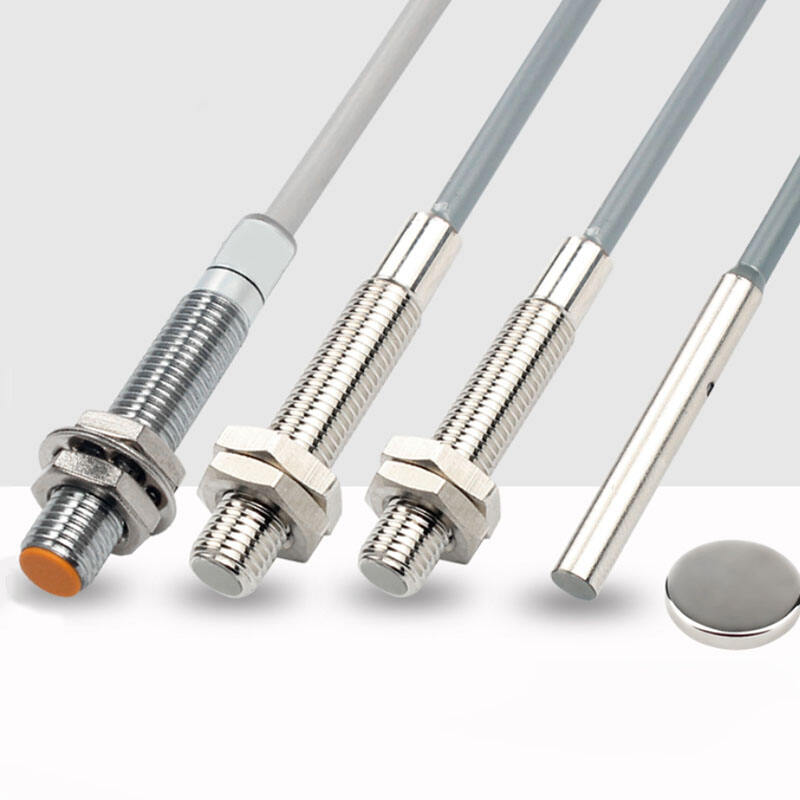
Selecting the right magnetic switch for your application requires careful consideration of multiple technical and operational factors. A magnetic switch operates through electromagnetic principles, detecting the presence or absence of magnetic fields to control electrical circuits. Understanding the fundamental characteristics of these devices helps engineers and technicians make informed decisions that optimize system performance and reliability. The selection process involves evaluating environmental conditions, electrical specifications, mounting requirements, and long-term durability expectations.
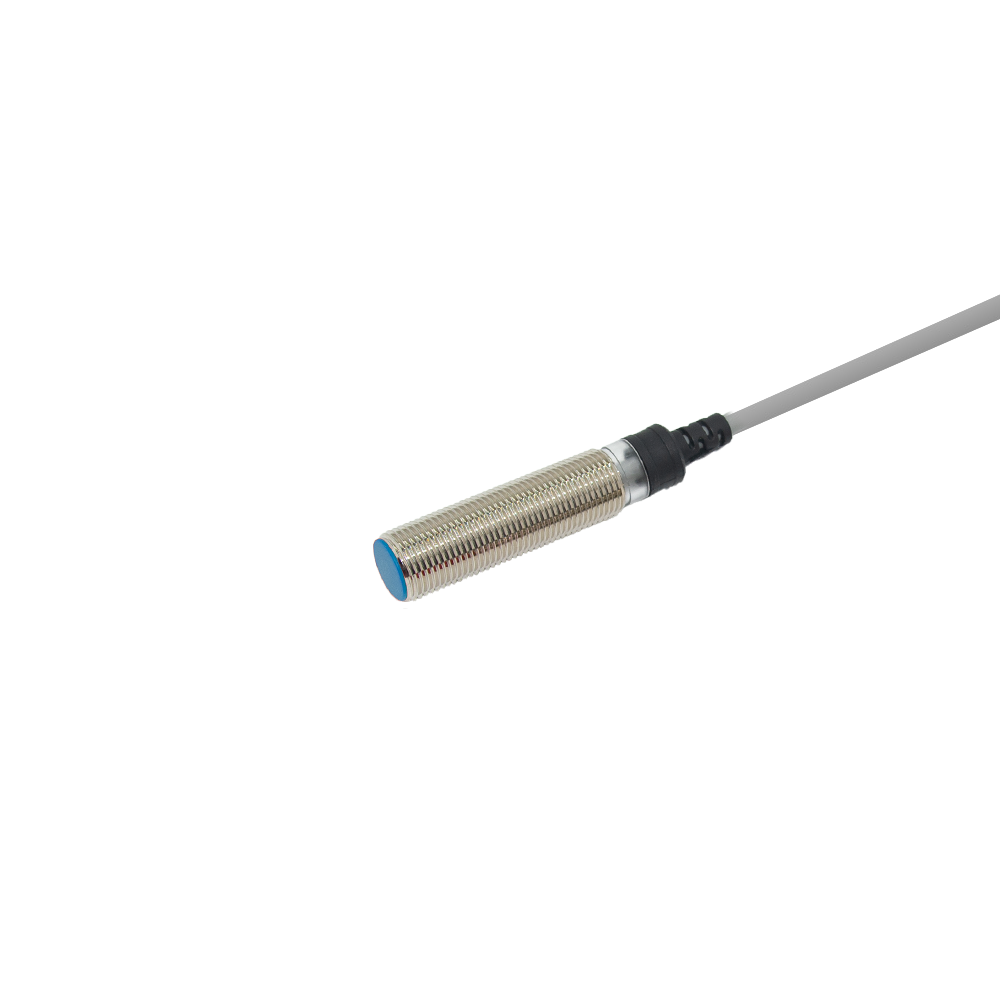
Modern industrial applications demand precise control systems where magnetic switch technology plays a crucial role in automation and safety systems. These switches offer contactless operation, eliminating mechanical wear and providing extended service life compared to traditional mechanical switches. The magnetic switch responds to magnetic field changes, making it ideal for applications requiring reliable position sensing, door monitoring, and proximity detection in harsh industrial environments.
Understanding Magnetic Switch Operating Principles
Electromagnetic Detection Mechanisms
The core functionality of a magnetic switch relies on reed switches, Hall effect sensors, or magnetoresistive elements that respond to magnetic field variations. Reed switches contain ferromagnetic contacts sealed within glass enclosures, which close or open when exposed to magnetic fields of sufficient strength. This contactless operation eliminates bounce and provides clean switching signals essential for sensitive electronic circuits.
Hall effect magnetic switches detect magnetic field polarity and strength using semiconductor technology, offering enhanced sensitivity and faster response times. These devices generate voltage proportional to magnetic field intensity, enabling precise control over switching thresholds and providing analog output capabilities. The magnetic switch configuration determines sensitivity levels and switching characteristics required for specific applications.
Activation Distance and Sensitivity Parameters
Activation distance represents the maximum gap between the magnetic switch and actuating magnet while maintaining reliable operation. This parameter varies significantly among different magnetic switch designs, ranging from millimeters for high-sensitivity applications to several centimeters for robust industrial environments. Understanding activation distance helps determine proper installation spacing and magnet selection.
Sensitivity adjustments allow fine-tuning of magnetic switch response to accommodate varying magnetic field strengths and environmental conditions. Some advanced magnetic switch models feature programmable sensitivity settings, enabling customization for specific application requirements. Temperature compensation circuits maintain consistent sensitivity across operating temperature ranges, ensuring reliable performance in extreme environments.
Electrical Specifications and Circuit Requirements
Voltage and Current Ratings
Proper voltage rating selection ensures safe operation and prevents damage to both the magnetic switch and connected circuits. Most magnetic switches operate within standard voltage ranges, but specialized applications may require high-voltage or low-power variants. Current carrying capacity determines the maximum load the magnetic switch can handle without overheating or contact degradation.
Switching frequency capabilities affect the magnetic switch suitability for high-speed applications and repetitive cycling operations. Fast-switching magnetic switches incorporate advanced contact materials and optimized magnetic circuits to handle rapid on-off cycles without performance degradation. Inductive load compatibility requires consideration of back-EMF suppression and arc suppression techniques to protect switch contacts.
Signal Output Characteristics
Digital output magnetic switches provide clean ON/OFF signals compatible with standard logic circuits and programmable logic controllers. These switches feature defined voltage levels and current sourcing capabilities suitable for direct interface with control systems. Signal conditioning circuits may be integrated to provide enhanced noise immunity and standardized output formats.
Analog output options enable proportional control based on magnetic field strength, offering enhanced functionality for position sensing and variable control applications. The magnetic switch with analog outputs requires careful calibration and signal processing to achieve desired accuracy and linearity across the operating range.
Environmental Considerations and Protection Requirements
Temperature Range and Thermal Stability
Operating temperature range significantly impacts magnetic switch performance and longevity, particularly in extreme industrial environments. High-temperature applications require switches with enhanced thermal stability and temperature-compensated sensing elements. Cold temperature operation may affect switch sensitivity and response time, necessitating appropriate temperature coefficients and housing materials.
Thermal cycling resistance ensures reliable operation through repeated heating and cooling cycles common in industrial processes. Advanced magnetic switch designs incorporate thermal management features and stress-relief mechanisms to maintain performance throughout extended temperature variations. Material selection for housings and internal components must consider thermal expansion differences and long-term stability.
Ingress Protection and Chemical Resistance
IP rating requirements depend on environmental exposure conditions, including dust, moisture, and liquid contamination risks. Higher IP ratings provide enhanced protection but may increase cost and size considerations. Hermetically sealed magnetic switches offer maximum protection for harsh environments but require careful consideration of mounting and connection methods.
Chemical resistance properties become critical in applications involving exposure to solvents, cleaning agents, or corrosive atmospheres. Specialized housing materials and protective coatings extend magnetic switch service life in challenging chemical environments. Compatibility testing with specific chemicals ensures long-term reliability and prevents premature failure due to material degradation.
Mechanical Design and Installation Factors
Housing Configuration and Mounting Options
Physical size constraints often dictate magnetic switch selection, particularly in compact automation systems and space-limited installations. Miniature magnetic switches enable integration into tight spaces while maintaining full functionality and reliability. Standard industrial sizes provide robust construction and simplified mounting using conventional hardware.
Mounting orientation affects magnetic switch performance and may require specific installation procedures to ensure proper operation. Some magnetic switches exhibit directional sensitivity requiring precise alignment with actuating magnets. Mechanical vibration resistance prevents false triggering and maintains stable operation in dynamic industrial environments.
Connection Methods and Wire Management
Electrical connection options include terminal blocks, wire leads, and standard industrial connectors, each offering specific advantages for different installation requirements. Quick-disconnect connectors facilitate maintenance and replacement operations while ensuring reliable electrical connections. Wire gauge and length considerations affect signal integrity and power delivery, particularly for long cable runs.
Cable management systems protect magnetic switch wiring from mechanical damage and environmental exposure. Proper strain relief prevents wire fatigue and maintains connection integrity throughout system operation. Shielded cables may be necessary for magnetic switch installations in electrically noisy environments to prevent interference and false triggering.
Application-Specific Selection Criteria
Industrial Automation and Control Systems
Manufacturing automation requires magnetic switches with proven reliability and consistent performance under continuous operation conditions. Repeatability specifications ensure consistent switching points essential for precision control applications. Integration with existing control systems requires compatible signal levels and communication protocols.
Safety system applications demand magnetic switches meeting specific safety standards and certification requirements. Fail-safe operation modes ensure system safety during magnetic switch failure conditions. Redundant switching configurations provide backup protection for critical safety functions where single-point failures cannot be tolerated.
Security and Access Control Applications
Door and window monitoring systems utilize magnetic switches for intrusion detection and access control functions. Concealed installation capabilities prevent tampering and maintain aesthetic appearance in commercial and residential applications. Wireless magnetic switch options eliminate wiring requirements and simplify installation in retrofit applications.
Anti-tamper features protect against magnetic switch defeat attempts using external magnets or mechanical manipulation. Advanced magnetic switch designs incorporate multiple sensing elements and signal processing algorithms to detect tampering attempts and maintain security system integrity.
Performance Testing and Validation Methods
Functional Testing Procedures
Comprehensive testing protocols verify magnetic switch performance across specified operating conditions and environmental ranges. Activation distance measurements ensure consistent switching points within tolerance specifications. Response time testing validates switching speed requirements for time-critical applications.
Endurance testing simulates long-term operation conditions to predict magnetic switch service life and identify potential failure modes. Accelerated aging tests expose switches to elevated stress conditions to evaluate design margins and reliability characteristics. Statistical analysis of test results provides confidence levels for field deployment decisions.
Environmental Stress Testing
Temperature cycling tests validate magnetic switch performance through repeated thermal stress conditions representative of actual operating environments. Humidity testing ensures proper operation and prevents moisture-related failures in humid conditions. Vibration and shock testing verify mechanical integrity under dynamic loading conditions.
Electromagnetic compatibility testing ensures magnetic switch operation without interference from external electromagnetic fields or generating interference affecting nearby equipment. Surge testing validates protection against electrical transients and voltage spikes common in industrial power systems.
Installation Best Practices and Optimization
Magnet Selection and Positioning
Proper magnet selection ensures reliable magnetic switch activation while preventing interference with nearby magnetic devices. Magnet strength must provide adequate activation force with appropriate safety margins for environmental variations. Positioning accuracy affects switching repeatability and system performance consistency.
Magnetic field mapping helps optimize magnet placement for maximum switching reliability and minimal cross-talk between adjacent magnetic switches. Shielding techniques prevent unwanted magnetic interactions and enable closer spacing of multiple magnetic switch installations. Permanent magnet materials require consideration of temperature stability and demagnetization resistance.
System Integration and Commissioning
Systematic commissioning procedures verify proper magnetic switch installation and integration with control systems. Calibration procedures ensure accurate switching points and optimal sensitivity settings for specific application requirements. Documentation of installation parameters facilitates future maintenance and troubleshooting activities.
Preventive maintenance programs extend magnetic switch service life and prevent unexpected failures. Regular inspection procedures identify potential issues before they affect system operation. Replacement scheduling based on operating hours and environmental exposure helps maintain system reliability and minimize downtime costs.
FAQ
What factors determine the activation distance of a magnetic switch
Activation distance depends on the magnetic switch sensitivity, magnet strength, and environmental factors such as temperature and electromagnetic interference. Reed switches typically offer shorter activation distances compared to Hall effect sensors, while larger magnets provide greater activation distances. Temperature variations can affect both magnet strength and switch sensitivity, requiring compensation in critical applications.
How do environmental conditions affect magnetic switch performance
Temperature extremes can alter magnetic switch sensitivity and response characteristics, while humidity may cause corrosion or electrical leakage in poorly sealed units. Vibration can cause mechanical stress and affect switching reliability, particularly in reed switch designs. Chemical exposure may degrade housing materials and seals, leading to premature failure in harsh industrial environments.
What safety considerations apply when selecting magnetic switches for critical applications
Safety-critical applications require magnetic switches meeting relevant safety standards and certifications, with fail-safe operation modes that ensure safe system states during switch failures. Redundant switching configurations provide backup protection, while tamper-resistant designs prevent unauthorized disabling. Regular testing and maintenance protocols help ensure continued safety compliance throughout the magnetic switch service life.
How can interference between multiple magnetic switches be minimized
Proper spacing between magnetic switch installations prevents magnetic field interactions that could cause false triggering or reduced sensitivity. Magnetic shielding materials can isolate individual switches when close spacing is required. Using different magnet orientations or polarities helps reduce cross-talk between adjacent magnetic switch assemblies, while careful system design considers the cumulative effects of multiple magnetic fields in complex installations.
Table of Contents
- Understanding Magnetic Switch Operating Principles
- Electrical Specifications and Circuit Requirements
- Environmental Considerations and Protection Requirements
- Mechanical Design and Installation Factors
- Application-Specific Selection Criteria
- Performance Testing and Validation Methods
- Installation Best Practices and Optimization
- FAQ