 EN
EN

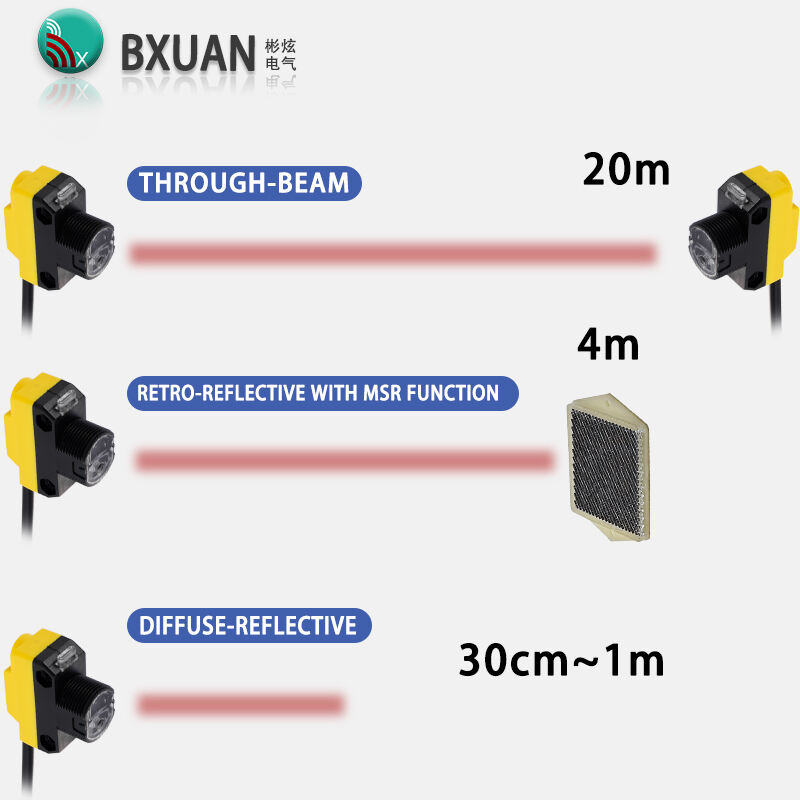
Industrial automation systems rely heavily on precise positioning and control mechanisms to maintain operational efficiency and safety standards. Among the various sensing technologies available, limit switches stand out as fundamental components that provide reliable feedback for mechanical positioning applications. These robust devices offer unparalleled accuracy in detecting the presence, absence, or position of objects within industrial environments, making them indispensable for countless manufacturing processes.
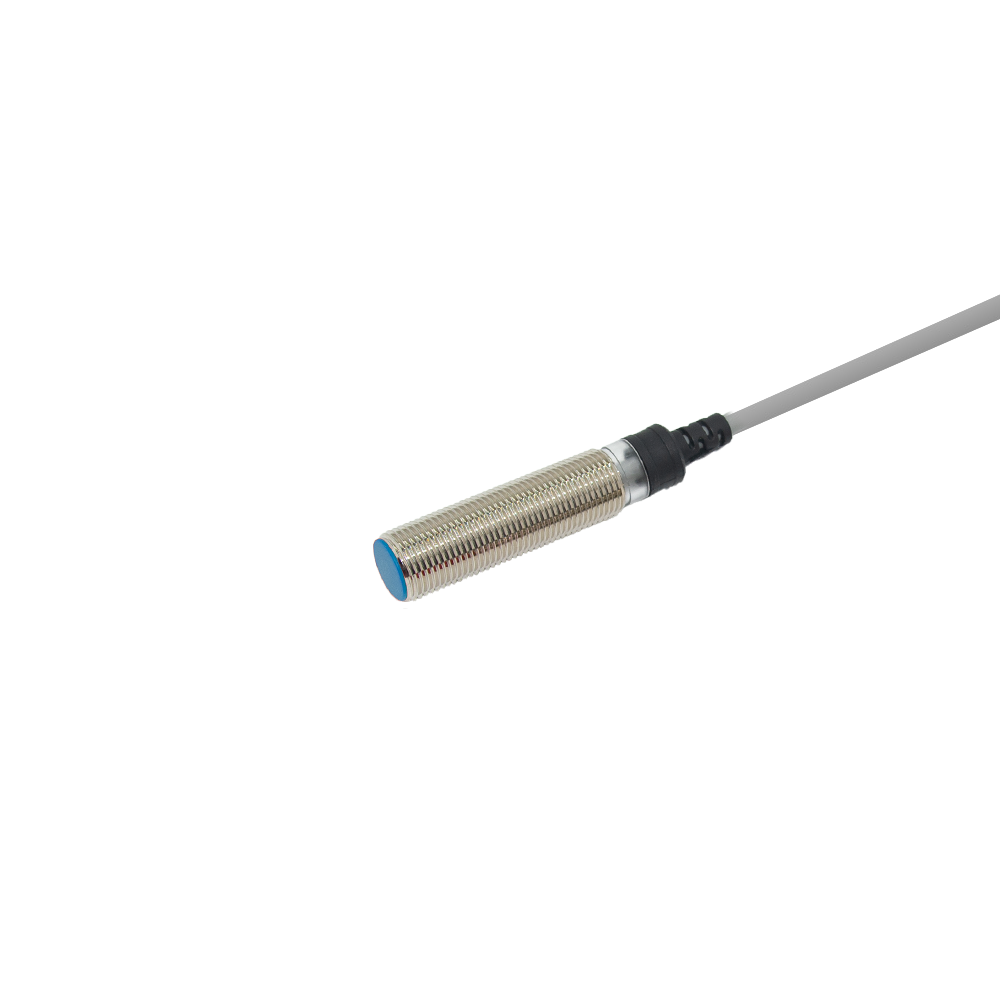
The selection of appropriate positioning sensors directly impacts production quality, equipment longevity, and overall system performance. Understanding the unique advantages and applications of limit switches enables engineers and facility managers to make informed decisions that enhance their operational capabilities while minimizing maintenance requirements and downtime risks.
Understanding Limit Switch Technology and Operation
Fundamental Operating Principles
A limit switch operates on straightforward mechanical principles, utilizing physical contact or proximity detection to trigger electrical signals when predetermined positions are reached. The device typically consists of an actuator mechanism, contact assembly, and housing designed to withstand harsh industrial conditions. When an object moves into the detection zone, the actuator engages, causing internal contacts to change state and send appropriate signals to control systems.
The mechanical nature of limit switch operation provides inherent reliability since the switching action depends on physical movement rather than complex electronic circuits. This simplicity translates into consistent performance across varying environmental conditions, including extreme temperatures, vibration, and electromagnetic interference that might affect other sensing technologies.
Types and Construction Variations
Modern limit switches come in numerous configurations to accommodate diverse application requirements. Roller lever types feature adjustable arms with rollers that smoothly engage moving parts, while plunger-style units provide direct linear actuation for precise positioning feedback. Enclosed switches offer enhanced protection against contaminants, making them ideal for harsh manufacturing environments.
Construction materials vary significantly based on intended applications, with standard industrial versions featuring robust metal housings and specialized variants incorporating corrosion-resistant alloys or explosion-proof enclosures for hazardous locations. Contact materials range from standard silver alloy compositions to specialized precious metal contacts for low-energy circuits requiring minimal contact resistance.
Advantages of Limit Switch Implementation
Superior Reliability and Durability
The mechanical switching mechanism inherent in limit switch designs provides exceptional reliability compared to purely electronic alternatives. This mechanical operation eliminates dependencies on power supplies for basic sensing functions, ensuring continued operation even during electrical system fluctuations or temporary power interruptions.
Industrial-grade limit switches undergo rigorous testing to meet demanding cycle life requirements, often exceeding millions of operations under normal conditions. The robust construction withstands mechanical stress, temperature cycling, and environmental contamination that would compromise less durable sensing technologies, resulting in extended service intervals and reduced maintenance costs.
Cost-Effective Solution for Position Sensing
From an economic perspective, limit switches offer compelling advantages through their combination of low initial cost, minimal maintenance requirements, and long service life. Unlike complex electronic sensors that may require specialized programming or calibration procedures, limit switches provide immediate functionality upon installation with straightforward wiring connections.
The simplicity of limit switch technology eliminates the need for sophisticated control interfaces or signal conditioning equipment, reducing overall system complexity and associated costs. This straightforward approach appeals to facilities seeking reliable positioning feedback without investing in elaborate sensing infrastructure or specialized technical expertise.
Applications and Industry Use Cases
Manufacturing and Production Lines
Manufacturing facilities extensively utilize limit switches for conveyor systems, automated assembly lines, and material handling equipment where precise position feedback ensures proper operation sequencing. These devices monitor door positions on industrial ovens, detect part presence in machining centers, and provide safety interlocks for moving equipment to prevent accidents and equipment damage.
In automotive production environments, limit switches verify proper positioning of robotic arms, monitor fixture alignment, and ensure correct part orientation before critical assembly operations commence. The reliable feedback enables seamless integration with programmable logic controllers and manufacturing execution systems for comprehensive process control.
Heavy Industry and Infrastructure
Power generation facilities depend on limit switches for turbine blade positioning, valve position indication, and protective relay coordination in electrical switchgear applications. The devices provide essential feedback for dam gate operations, crane positioning systems, and mining equipment where reliable position sensing directly impacts operational safety and efficiency.
Construction equipment manufacturers integrate limit switches into hydraulic systems for boom positioning, outrigger deployment verification, and load monitoring applications. The rugged construction withstands the vibration, shock, and environmental exposure typical in heavy-duty mobile equipment applications while maintaining accurate position feedback throughout extended operating cycles.
Installation and Configuration Considerations
Proper Mounting and Alignment
Successful limit switch implementation requires careful attention to mounting location, actuator alignment, and mechanical interface design. The switch must be positioned to ensure consistent engagement with moving parts while avoiding interference with normal equipment operation or maintenance access requirements.
Mounting hardware selection should account for vibration isolation, thermal expansion, and potential misalignment scenarios that could affect switching accuracy. Adjustable mounting brackets and flexible actuator mechanisms help accommodate manufacturing tolerances and operational variations that might otherwise compromise performance.
Electrical Integration and Safety Requirements
Electrical connections must comply with applicable safety codes and industry standards, particularly when limit switches function as safety devices or emergency stops. Proper wire routing, conduit selection, and grounding practices ensure reliable signal transmission while protecting against electromagnetic interference and environmental hazards.
Contact ratings must match or exceed actual load requirements, considering both steady-state current levels and inrush characteristics of connected equipment. Proper contact protection through arc suppression devices or solid-state switching interfaces extends contact life and improves overall system reliability in high-cycle applications.
Maintenance and Troubleshooting Best Practices
Preventive Maintenance Strategies
Regular inspection schedules help identify potential issues before they impact production operations. Visual examination should focus on actuator alignment, housing integrity, and connection security, while functional testing verifies proper switching action and contact performance under normal operating conditions.
Environmental factors such as dust accumulation, moisture intrusion, or chemical exposure require specific attention during maintenance intervals. Cleaning procedures should follow manufacturer recommendations to avoid damage to sensitive components while ensuring continued protection against contamination that could affect switching reliability.
Common Issues and Resolution Methods
Contact welding represents a common failure mode in high-current applications, often resulting from inadequate contact ratings or excessive inrush currents during switching operations. Prevention strategies include proper load analysis, contact protection devices, and consideration of hybrid switching solutions for demanding applications.
Mechanical wear typically manifests as reduced switching accuracy or increased operating force requirements. Regular lubrication of moving parts, actuator adjustment, and replacement of worn components help maintain optimal performance throughout the device service life while preventing unexpected failures during critical operations.
FAQ
What factors determine the appropriate limit switch type for a specific application
Selection criteria include environmental conditions such as temperature range, moisture exposure, and chemical compatibility requirements. Mechanical considerations encompass operating force requirements, actuator travel distance, and mounting constraints. Electrical specifications must address contact ratings, switching frequency, and signal compatibility with existing control systems to ensure reliable long-term operation.
How do limit switches compare to proximity sensors for positioning applications
Limit switches provide tactile feedback through physical contact, offering absolute reliability regardless of target material properties or surface conditions. Proximity sensors offer non-contact operation with faster response times but may be affected by environmental factors such as electromagnetic interference, target material variations, or contamination buildup that could compromise detection accuracy in certain applications.
What maintenance intervals are recommended for industrial limit switches
Maintenance frequency depends on operating conditions, cycle rates, and environmental exposure levels. Typical industrial applications benefit from quarterly visual inspections and annual functional testing, while harsh environments or high-cycle applications may require monthly attention. Manufacturers typically provide specific guidance based on expected operating conditions and performance requirements for optimal service life.
Can limit switches be used in safety-critical applications
Many limit switches meet safety standards for emergency stop, guard door monitoring, and protective interlock applications when properly specified and installed. Safety-rated devices feature redundant contacts, forced-guided mechanisms, and enhanced construction to meet functional safety requirements. Proper application requires compliance with relevant safety standards and consideration of failure modes that could compromise protective functions.