 EN
EN

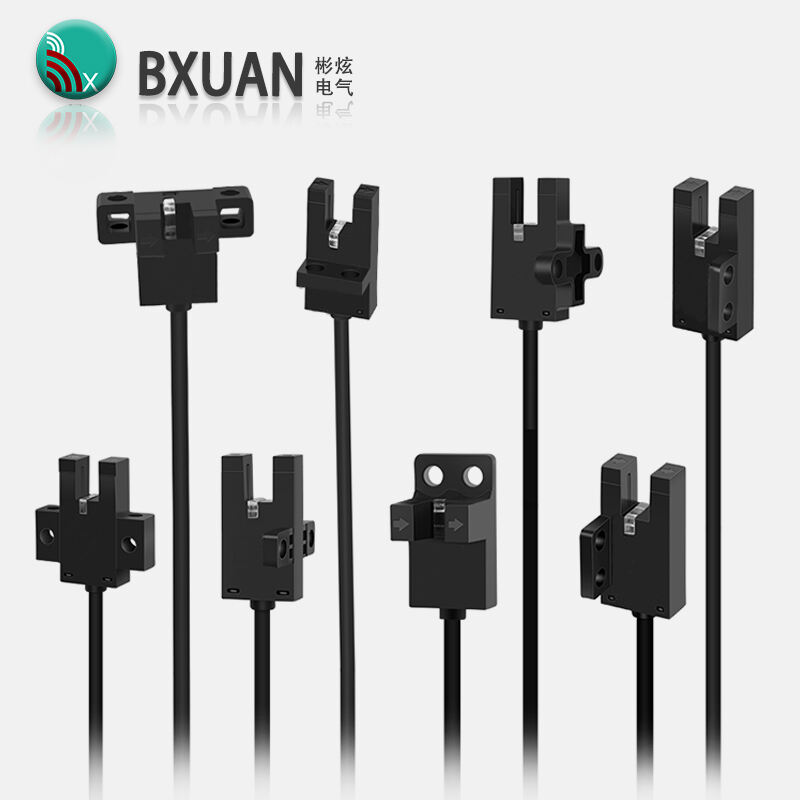
Industrial machinery relies heavily on precise positioning and control mechanisms to ensure optimal performance and safety. Among the most critical components that contribute to machine reliability is the limit switch, a fundamental sensing device that monitors mechanical movement and position within automated systems. These versatile devices serve as the eyes and ears of industrial equipment, providing essential feedback that prevents mechanical damage, reduces downtime, and maintains consistent operational standards across manufacturing environments.
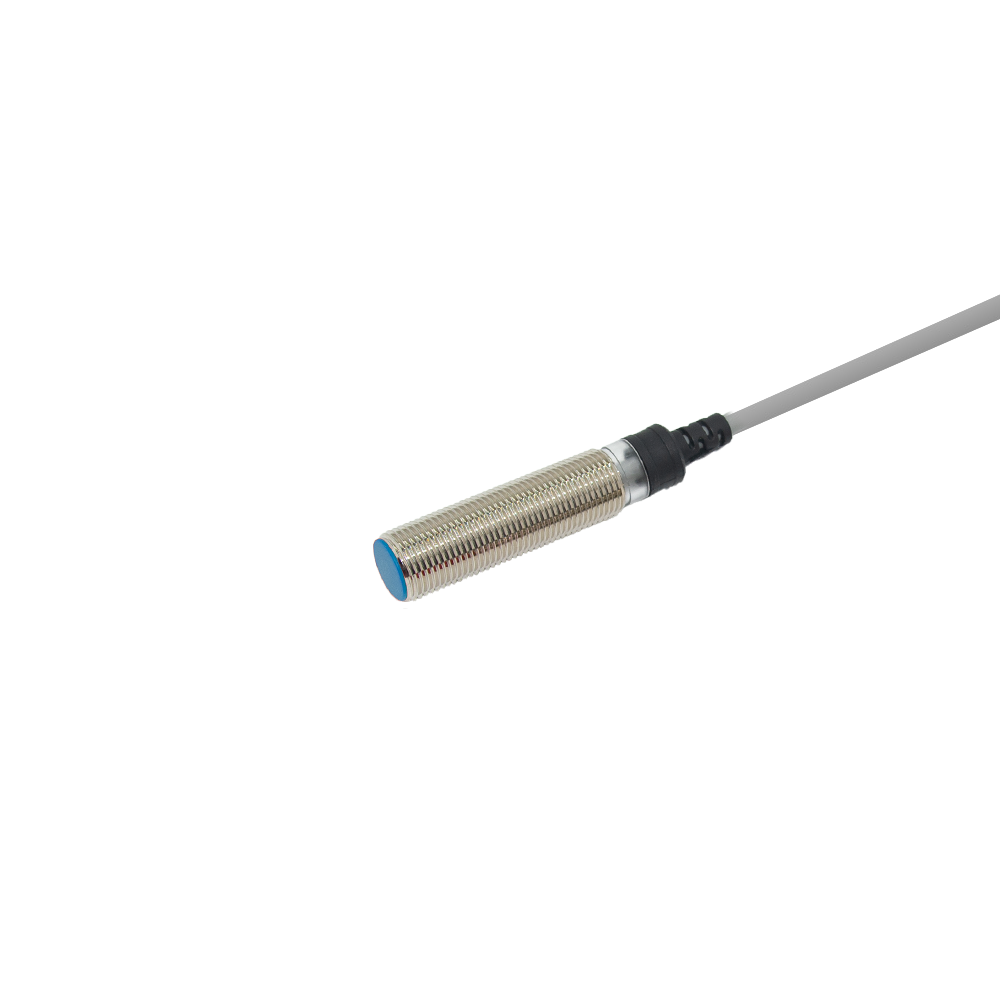
The integration of limit switches into machine designs represents a proactive approach to equipment protection and operational efficiency. By establishing clear boundaries for mechanical movement, these devices prevent costly overtravel situations and ensure that machinery operates within safe parameters. Modern industrial facilities depend on these reliable components to maintain continuous production schedules while minimizing the risk of equipment failure and unexpected maintenance requirements.
Understanding Limit Switch Functionality in Industrial Applications
Mechanical Operation Principles
A limit switch operates on the fundamental principle of mechanical contact activation, where physical movement triggers an electrical response within the device circuitry. When machinery reaches a predetermined position, the actuator arm or plunger makes contact with the internal switching mechanism, instantly changing the electrical state of the connected circuit. This immediate response capability allows for precise control over mechanical systems and provides real-time feedback about equipment position and status.
The reliability of mechanical limit switches stems from their robust construction and straightforward operating mechanism. Unlike electronic sensors that may be susceptible to electromagnetic interference or environmental conditions, mechanical limit switches maintain consistent performance across diverse industrial settings. Their ability to function without external power sources makes them particularly valuable in applications where electrical reliability is paramount.
Electrical Configuration and Signal Processing
The electrical configuration of a limit switch typically includes normally open and normally closed contact arrangements, allowing for flexible integration into various control circuits. These contact configurations enable engineers to design fail-safe systems where the switch position directly correlates with the desired machine state. The electrical signals generated by limit switches provide clear, unambiguous feedback that control systems can easily interpret and act upon.
Signal processing capabilities of modern limit switches have evolved to include enhanced contact materials and improved switching characteristics. Gold-plated contacts resist corrosion and maintain low contact resistance over extended operating periods, while specialized spring mechanisms ensure consistent actuation force and reliable switching action. These improvements contribute significantly to overall system reliability and reduce the frequency of maintenance interventions.
Enhanced Safety Protocols Through Position Monitoring
Preventing Overtravel and Mechanical Damage
Industrial machinery protection relies heavily on accurate position monitoring to prevent overtravel conditions that can cause catastrophic equipment failure. A limit switch serves as the primary safeguard against excessive mechanical movement by immediately interrupting power or activating protective systems when predetermined travel limits are exceeded. This proactive protection mechanism prevents expensive repairs and maintains operational continuity in critical manufacturing processes.
The positioning accuracy provided by limit switches enables precise control over complex mechanical assemblies, ensuring that moving components operate within their designed parameters. By establishing clear mechanical boundaries, these devices prevent interference between adjacent machine elements and reduce wear on critical components. This protective function extends equipment lifespan and maintains consistent production quality standards.
Emergency Stop and Fail-Safe Integration
Safety systems in modern industrial environments depend on reliable limit switch integration to provide immediate response capabilities during emergency conditions. These devices can be configured to trigger emergency stop sequences, activate safety barriers, or initiate controlled shutdown procedures when abnormal operating conditions are detected. The immediate response characteristics of limit switches make them ideal for safety-critical applications where delayed reaction could result in injury or equipment damage.
Fail-safe design principles ensure that limit switches maintain protective functions even during component failure scenarios. By selecting appropriate contact configurations and implementing redundant switching mechanisms, engineers can create safety systems that default to secure states when electrical power is interrupted or when individual components malfunction. This reliability foundation supports comprehensive safety protocols across industrial facilities.
Operational Efficiency and Productivity Improvements
Automated Process Control Integration
The integration of limit switches into automated process control systems enables sophisticated machinery coordination and timing control that significantly improves operational efficiency. These devices provide the precise feedback necessary for programmable logic controllers to execute complex manufacturing sequences with minimal human intervention. By automating position-dependent operations, limit switches reduce cycle times and increase throughput in production environments.
Process optimization benefits from the consistent and reliable feedback provided by limit switch installations throughout manufacturing systems. The ability to accurately detect component positions enables just-in-time material handling, synchronized assembly operations, and coordinated multi-axis movement control. These capabilities translate directly into improved production efficiency and reduced operational costs.
Predictive Maintenance and System Monitoring
Modern limit switch applications extend beyond basic position detection to include comprehensive system monitoring capabilities that support predictive maintenance strategies. By analyzing switching frequency patterns and monitoring contact wear characteristics, maintenance teams can identify potential equipment issues before they result in unexpected failures. This proactive approach reduces maintenance costs and minimizes unplanned downtime.
Data collection capabilities integrated with limit switch installations provide valuable insights into machinery performance trends and operational patterns. This information supports informed decision-making regarding equipment upgrades, maintenance scheduling, and process optimization initiatives. The long-term reliability data generated by limit switch monitoring systems contributes to improved asset management and strategic planning efforts.
Environmental Durability and Long-Term Performance
Industrial Environment Adaptation
Industrial environments present numerous challenges including temperature extremes, moisture exposure, chemical contamination, and mechanical vibration that can affect sensitive electronic components. Limit switches are specifically engineered to withstand these harsh conditions while maintaining reliable performance over extended operational periods. Sealed housing designs prevent contamination ingress, while robust internal components resist environmental degradation.
Material selection for limit switch construction emphasizes corrosion resistance and mechanical durability to ensure consistent performance across diverse industrial applications. Stainless steel housings, sealed bearing assemblies, and protective coating systems enable these devices to function reliably in challenging environments where other sensing technologies might fail. This environmental resilience contributes significantly to overall system reliability and reduces maintenance requirements.
Maintenance Requirements and Service Life
The maintenance requirements for properly installed limit switches are minimal compared to other sensing technologies, contributing to their widespread adoption in industrial applications. Regular inspection schedules typically involve visual examination of mechanical components and verification of electrical connections, with actual component replacement occurring only after years of continuous service. This low maintenance profile reduces operational costs and simplifies facility management procedures.
Service life characteristics of quality limit switches often exceed ten years under normal operating conditions, providing excellent return on investment for industrial facilities. The mechanical simplicity of these devices contributes to their longevity, as fewer complex components mean fewer potential failure points. When properly specified and installed, limit switches deliver decades of reliable service with minimal intervention requirements.
Application-Specific Design Considerations
Actuator Selection and Mechanical Interface
The selection of appropriate actuator configurations represents a critical design consideration that directly impacts limit switch performance and reliability in specific applications. Roller actuators provide smooth operation and extended contact life in applications involving frequent activation, while spring-loaded plunger designs offer precise positioning feedback in linear motion applications. The mechanical interface between the actuator and the moving machinery component must be carefully engineered to ensure consistent activation and prevent premature wear.
Environmental factors influence actuator selection decisions, with sealed roller designs preferred for contaminated environments and adjustable actuators selected for applications requiring precise positioning adjustments. The actuator force requirements must be balanced against the available actuation force from the machinery to ensure reliable switching without imposing excessive loads on moving components. This careful matching process contributes to optimal system performance and extended component life.
Electrical Specifications and Circuit Integration
Electrical specification matching ensures proper integration of limit switches into existing control systems while maintaining signal integrity and switching reliability. Voltage and current ratings must be carefully matched to circuit requirements to prevent contact degradation and ensure consistent switching performance over extended operating periods. The selection of appropriate contact materials and configurations depends on the specific electrical characteristics of the connected load.
Circuit protection considerations include the implementation of appropriate surge suppression and contact protection devices that extend switch life and maintain signal quality. Proper wiring practices and connector selection contribute to overall system reliability by minimizing electrical noise and preventing connection problems. These electrical design considerations directly impact the long-term performance and reliability of limit switch installations.
FAQ
What factors should be considered when selecting a limit switch for industrial applications
Key selection factors include environmental conditions such as temperature range, moisture exposure, and chemical compatibility requirements. Mechanical considerations involve actuator type selection, mounting options, and the required switching force characteristics. Electrical specifications must match circuit voltage, current, and contact configuration requirements, while the expected switching frequency and service life requirements influence material selection and design choices.
How often do limit switches require maintenance in typical industrial environments
Properly installed limit switches typically require minimal maintenance, with inspection intervals ranging from quarterly to annually depending on the application severity and environmental conditions. Routine maintenance involves visual inspection of mechanical components, verification of electrical connections, and cleaning of accumulated debris. Actual component replacement is usually required only after several years of continuous service, making limit switches highly cost-effective sensing solutions.
Can limit switches be used in hazardous or explosive environments
Specialized limit switches are available with appropriate certifications for hazardous area installations, including explosion-proof and intrinsically safe designs. These devices meet strict safety standards for use in environments containing flammable gases, vapors, or combustible dust. The selection process requires careful attention to area classification requirements and proper installation procedures to maintain safety certifications.
What are the main advantages of limit switches compared to proximity sensors
Limit switches offer several advantages including mechanical contact reliability, independence from electrical power for operation, and immunity to electromagnetic interference. They provide positive switching action with clear electrical state indication and can handle higher current loads directly without amplification circuits. The mechanical nature of limit switches makes them particularly suitable for safety-critical applications where fail-safe operation is essential.
Table of Contents
- Understanding Limit Switch Functionality in Industrial Applications
- Enhanced Safety Protocols Through Position Monitoring
- Operational Efficiency and Productivity Improvements
- Environmental Durability and Long-Term Performance
- Application-Specific Design Considerations
-
FAQ
- What factors should be considered when selecting a limit switch for industrial applications
- How often do limit switches require maintenance in typical industrial environments
- Can limit switches be used in hazardous or explosive environments
- What are the main advantages of limit switches compared to proximity sensors