 EN
EN

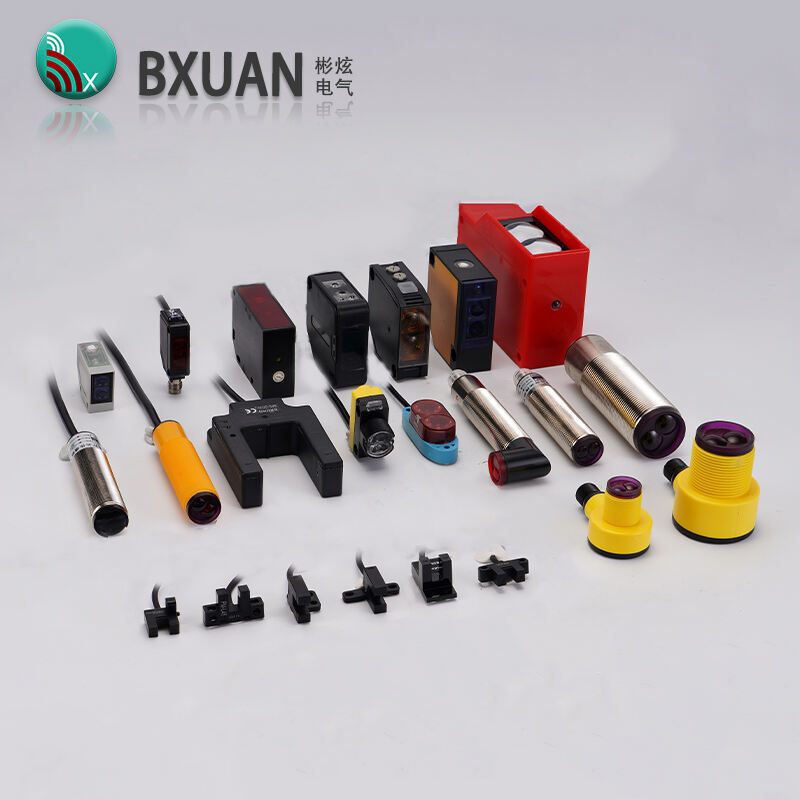
Industrial safety has become a paramount concern across manufacturing facilities, automation systems, and production environments worldwide. Modern technology offers sophisticated solutions to address workplace hazards, with proximity switch sensors emerging as critical components in comprehensive safety protocols. These advanced detection devices provide non-contact sensing capabilities that significantly reduce risks associated with mechanical failures, human error, and equipment malfunctions. Understanding how proximity switch sensor technology integrates into safety frameworks can help organizations develop more robust protective measures while maintaining operational efficiency.
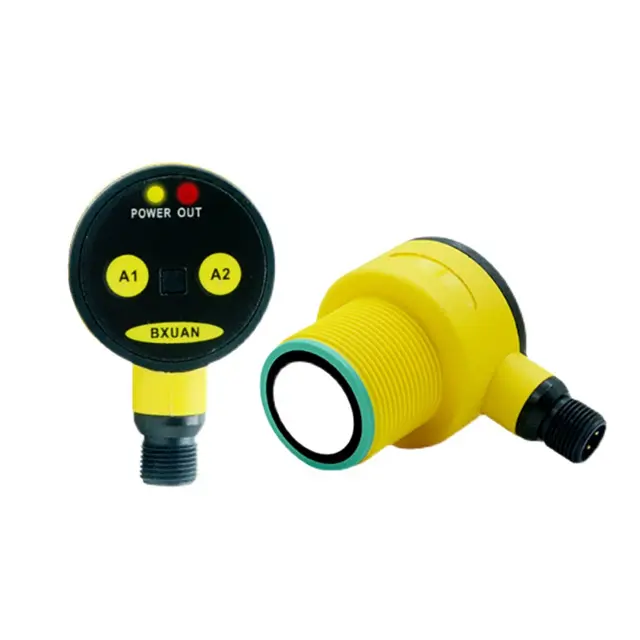
Fundamental Safety Applications
Machine Guarding and Personnel Protection
Machine guarding represents one of the most critical applications where proximity switch sensors deliver exceptional safety benefits. These sensors create invisible safety barriers around dangerous equipment, immediately detecting when personnel enter restricted zones. Unlike physical barriers that can be bypassed or damaged, proximity sensors provide continuous monitoring without mechanical wear. When integrated with emergency stop circuits, they can halt machinery operations within milliseconds of detecting unauthorized access.
The non-contact nature of proximity sensing eliminates potential failure points associated with mechanical safety switches. Traditional contact-based safety devices may fail due to wear, contamination, or deliberate tampering. Proximity switch sensors maintain their protective function even in harsh industrial environments, providing consistent safety monitoring regardless of dust, moisture, or temperature variations. This reliability makes them essential components in high-risk manufacturing processes.
Emergency Stop System Integration
Emergency stop systems benefit significantly from proximity switch sensor integration, creating multi-layered safety protocols that respond to various threat scenarios. These sensors can detect approaching personnel, equipment malfunctions, or environmental hazards before they escalate into dangerous situations. When connected to programmable logic controllers, proximity sensors enable sophisticated safety logic that considers multiple variables before triggering emergency responses.
Advanced proximity sensing systems can differentiate between authorized maintenance personnel and unauthorized access attempts, allowing for selective safety responses. This intelligent approach prevents unnecessary production interruptions while maintaining maximum protection levels. Integration with facility-wide safety networks enables coordinated responses across multiple production areas, ensuring comprehensive coverage throughout industrial facilities.
Collision Prevention and Material Handling Safety
Automated Vehicle Navigation
Automated guided vehicles and robotic material handling systems rely heavily on proximity switch sensors to prevent collisions with personnel, equipment, and infrastructure. These sensors create safety zones around moving vehicles, automatically reducing speed or stopping when obstacles are detected. Multi-directional sensing capabilities allow vehicles to navigate complex warehouse environments while maintaining safe distances from workers and static objects.
The precision and response speed of modern proximity sensors enable dynamic safety adjustments based on real-time conditions. Vehicles can operate at optimal speeds in clear areas while automatically implementing safety protocols when approaching congested zones. This adaptive approach maximizes operational efficiency without compromising worker safety, making it possible to integrate human workers and automated systems in shared workspaces.
Crane and Hoist Safety Systems
Overhead crane operations present significant safety challenges that proximity switch sensors help address through multiple protection mechanisms. Load swing detection prevents dangerous pendulum motions that could strike personnel or equipment. Height limit sensors ensure loads cannot be raised beyond safe operating parameters, preventing structural damage and dropped load incidents. Proximity sensors also monitor crane approach to building structures, preventing collisions that could cause catastrophic failures.
Anti-collision systems using proximity switch sensor technology enable multiple cranes to operate safely in shared spaces. These systems calculate safe operating zones around each crane, preventing interference between simultaneous operations. Real-time position monitoring ensures operators maintain awareness of all moving equipment, reducing the risk of accidents in complex lifting operations.
Process Safety and Quality Control
Hazardous Material Detection
Chemical processing facilities utilize proximity switch sensors to monitor hazardous material handling operations and detect potential leak scenarios before they become dangerous. These sensors can identify when containers, pipes, or storage vessels move outside normal operating positions, indicating possible failures or unauthorized access. Early detection capabilities allow facilities to implement containment procedures before hazardous materials spread throughout work areas.
Temperature-resistant proximity sensors maintain functionality in extreme chemical environments where traditional detection methods might fail. Their ability to operate without direct contact with potentially corrosive substances ensures long-term reliability in challenging applications. Integration with emergency response systems enables automatic activation of ventilation, containment, and evacuation procedures when hazardous conditions are detected.
Quality Assurance Integration
Quality control processes benefit from proximity switch sensor integration through precise position monitoring and defect detection capabilities. These sensors verify proper component placement during assembly operations, ensuring products meet safety specifications before leaving production lines. Dimensional checking applications prevent defective products from reaching consumers, protecting both company reputation and end-user safety.
Statistical process control systems utilize proximity sensor data to identify trends that might indicate developing safety issues. By monitoring production variations and equipment performance, these systems can predict potential failures before they create hazardous conditions. Preventive maintenance schedules based on proximity sensor feedback help maintain equipment in optimal condition, reducing the likelihood of unexpected failures that could endanger workers.
Environmental Monitoring and Compliance
Workplace Environment Safety
Environmental monitoring applications showcase how proximity switch sensors contribute to comprehensive workplace safety programs. Air quality monitoring systems use these sensors to detect particulate levels, gas concentrations, and other atmospheric conditions that could threaten worker health. Automatic ventilation activation based on proximity sensor inputs ensures contaminated air is quickly removed from work areas.
Noise level monitoring represents another important application where proximity sensors detect when sound levels exceed safe thresholds. These systems can automatically activate hearing protection warnings or temporarily halt noisy operations to protect worker hearing. Integration with personal protective equipment tracking ensures workers are properly equipped before entering high-risk areas.
Regulatory Compliance Support
Regulatory compliance requirements often mandate specific safety monitoring capabilities that proximity switch sensors can provide effectively. Documentation systems connected to these sensors create detailed records of safety events, equipment performance, and worker exposure levels. This data supports compliance reporting requirements while providing valuable insights for continuous safety improvement initiatives.
Safety audit preparations benefit significantly from proximity sensor data collection, providing objective evidence of safety system performance. Regular calibration and testing protocols ensure sensors maintain accuracy levels required by safety standards. Automated testing capabilities reduce the manual effort required for compliance verification while improving the consistency and reliability of safety assessments.
Advanced Safety Integration Technologies
Artificial Intelligence Enhancement
Artificial intelligence integration with proximity switch sensor networks creates intelligent safety systems capable of learning from operational patterns and predicting potential hazards. Machine learning algorithms analyze sensor data to identify subtle changes that might indicate developing safety risks. Predictive analytics capabilities enable proactive safety interventions before dangerous conditions fully develop.
Pattern recognition technology helps distinguish between normal operational variations and genuine safety concerns, reducing false alarms while maintaining high protection levels. Adaptive safety protocols automatically adjust based on changing operational conditions, ensuring optimal protection across varying production scenarios. These intelligent systems continuously improve their effectiveness through experience, becoming more accurate and responsive over time.
Network Integration and Communication
Modern proximity switch sensor systems integrate seamlessly with facility-wide communication networks, enabling coordinated safety responses across multiple areas. Wireless communication capabilities eliminate the need for extensive wiring while providing flexible installation options. Real-time data sharing between safety systems ensures comprehensive coverage and eliminates potential blind spots in protection schemes.
Cloud-based safety monitoring platforms collect and analyze proximity sensor data from multiple facilities, identifying trends and best practices that can improve safety performance organization-wide. Remote monitoring capabilities allow safety personnel to oversee operations from central locations, providing expert oversight even in unmanned facilities. Mobile device integration ensures safety alerts reach appropriate personnel regardless of their location within the facility.
FAQ
How do proximity switch sensors improve safety compared to traditional mechanical switches
Proximity switch sensors offer superior safety performance through non-contact operation that eliminates mechanical wear points and potential failure modes. Unlike traditional switches that require physical contact and can be bypassed or damaged, proximity sensors create reliable detection zones that cannot be easily compromised. They maintain consistent performance in harsh environments where mechanical switches might fail due to contamination, temperature extremes, or vibration. The faster response times of proximity sensors also enable quicker safety interventions, reducing the likelihood of accidents occurring during the detection-to-response interval.
What types of industrial environments benefit most from proximity sensor safety systems
High-risk manufacturing environments with moving machinery, chemical processing facilities handling hazardous materials, and automated warehouses with mixed human-robot operations benefit significantly from proximity sensor safety systems. Industries requiring precise positioning and quality control, such as automotive manufacturing and aerospace production, also gain substantial safety improvements. Environments with extreme temperatures, corrosive atmospheres, or high contamination levels particularly benefit from the robust, non-contact nature of proximity sensing technology.
Can proximity switch sensors integrate with existing safety management systems
Modern proximity switch sensors are designed with extensive integration capabilities, supporting various communication protocols and industry-standard interfaces. They can connect to existing programmable logic controllers, safety relay systems, and facility management networks through analog outputs, digital communication buses, or wireless protocols. Retrofit installations are often possible without major system modifications, allowing organizations to enhance existing safety infrastructure incrementally. Compatibility with safety standards like SIL ratings ensures proper integration with certified safety systems.
What maintenance requirements do proximity sensor safety systems have
Proximity sensor safety systems require minimal maintenance due to their solid-state construction and lack of moving parts. Regular cleaning of sensor faces to remove contamination that might affect detection ranges represents the primary maintenance requirement. Periodic calibration checks ensure sensors maintain specified detection distances and response times. Documentation of maintenance activities supports regulatory compliance and helps identify potential issues before they affect safety performance. Most modern systems include self-diagnostic capabilities that alert maintenance personnel to potential problems automatically.
Table of Contents
- Fundamental Safety Applications
- Collision Prevention and Material Handling Safety
- Process Safety and Quality Control
- Environmental Monitoring and Compliance
- Advanced Safety Integration Technologies
-
FAQ
- How do proximity switch sensors improve safety compared to traditional mechanical switches
- What types of industrial environments benefit most from proximity sensor safety systems
- Can proximity switch sensors integrate with existing safety management systems
- What maintenance requirements do proximity sensor safety systems have