 EN
EN

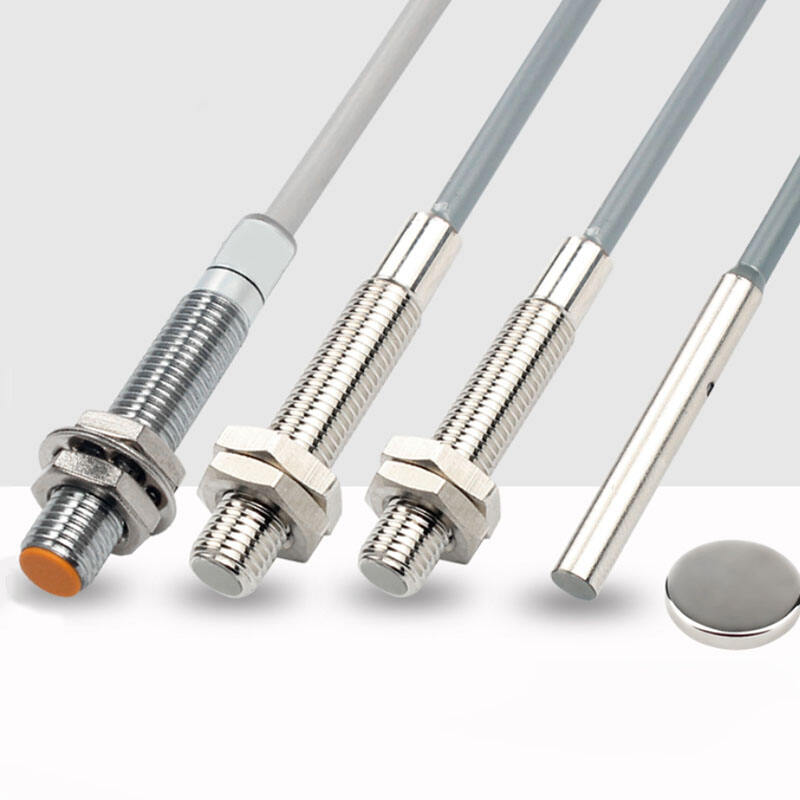
Industrial automation systems require reliable switching solutions that can withstand harsh operating conditions while providing consistent performance. A magnetic switch offers superior durability and precision compared to traditional mechanical switches, making it an essential component in modern manufacturing environments. These electromagnetic devices utilize magnetic fields to control electrical circuits without physical contact, eliminating wear and tear associated with conventional switching mechanisms.
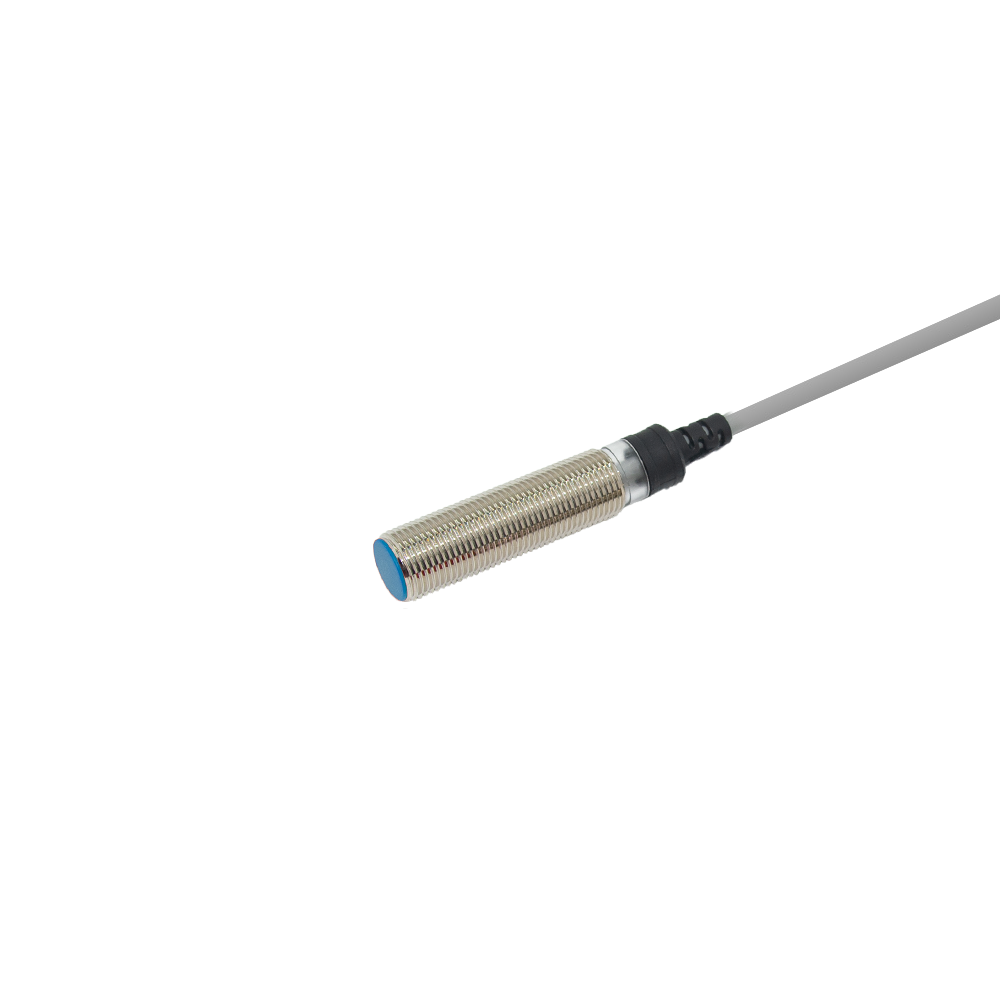
Enhanced Durability and Longevity
Contactless Operation Benefits
The contactless operation principle of a magnetic switch provides exceptional longevity compared to mechanical alternatives. Since no physical components make direct contact during switching operations, there is virtually no wear from friction or mechanical stress. This design characteristic allows magnetic switches to perform millions of switching cycles without degradation, making them ideal for high-frequency applications where reliability is paramount.
Manufacturing facilities often require switching devices that can operate continuously for extended periods without maintenance interruptions. The magnetic switch excels in these demanding environments by maintaining consistent performance throughout its operational lifespan. Unlike traditional switches that may require regular replacement due to contact wear, magnetic switches can operate effectively for years with minimal maintenance requirements.
Environmental Resistance Properties
Environmental factors such as dust, moisture, and temperature fluctuations can significantly impact the performance of conventional switching devices. A magnetic switch demonstrates superior resistance to these challenging conditions due to its sealed construction and contactless operation. The absence of exposed electrical contacts prevents corrosion and contamination that commonly affect mechanical switches in industrial environments.
Extreme temperature ranges pose particular challenges for switching devices in industrial applications. Magnetic switches maintain their switching accuracy and response time across wide temperature variations, ensuring consistent operation in both high-heat manufacturing processes and cold storage facilities. This temperature stability makes the magnetic switch an excellent choice for applications where environmental conditions fluctuate significantly.
Superior Precision and Response Time
Fast Switching Capabilities
Modern industrial processes demand rapid switching responses to maintain operational efficiency and safety standards. A magnetic switch provides instantaneous switching action without the mechanical delays associated with traditional switches. This rapid response capability enables precise control of automated systems, improving overall production efficiency and reducing cycle times in manufacturing operations.
The electromagnetic nature of magnetic switch operation eliminates bounce effects commonly experienced with mechanical switches. Contact bounce can cause false triggering and system instability in sensitive applications. By utilizing magnetic fields for switching, these devices provide clean, precise switching signals that enhance system reliability and reduce the need for additional signal conditioning circuits.
Adjustable Sensitivity Settings
Magnetic switches offer adjustable sensitivity settings that allow operators to fine-tune switching thresholds according to specific application requirements. This flexibility enables optimal performance across various operating conditions and target materials. The ability to adjust sensitivity ensures that the magnetic switch can accommodate different magnetic field strengths while maintaining consistent switching accuracy.
Calibration flexibility becomes particularly valuable in applications involving different types of ferromagnetic materials or varying gap distances. Operators can optimize the magnetic switch sensitivity to achieve reliable detection while minimizing false triggering from unwanted magnetic interference. This adjustability extends the versatility of magnetic switches across diverse industrial applications.
Cost-Effective Operation and Maintenance
Reduced Maintenance Requirements
The contactless operation of a magnetic switch significantly reduces maintenance requirements compared to mechanical switching devices. Traditional switches require regular inspection and replacement of worn contacts, lubrication of moving parts, and cleaning of accumulated debris. Magnetic switches eliminate these maintenance tasks, resulting in lower operational costs and reduced downtime for equipment servicing.
Preventive maintenance schedules in industrial facilities can be simplified when magnetic switches replace conventional switching devices. The inherent reliability of magnetic switching technology reduces the frequency of maintenance interventions, allowing maintenance personnel to focus on other critical system components. This reduction in maintenance requirements translates to significant cost savings over the operational lifespan of industrial equipment.
Energy Efficiency Advantages
Energy consumption represents a significant operational cost in industrial facilities, making energy-efficient components essential for maintaining competitive operating expenses. A magnetic switch typically consumes less power than equivalent mechanical switches, particularly in applications requiring continuous monitoring or frequent switching operations.
The electronic nature of magnetic switch operation allows for power optimization features that are not possible with mechanical alternatives. Advanced magnetic switches incorporate sleep modes and power management capabilities that further reduce energy consumption during idle periods. These energy-saving features contribute to lower operational costs and support sustainability initiatives in modern manufacturing facilities.
Versatile Applications Across Industries
Manufacturing and Production Lines
Manufacturing environments present unique challenges for switching devices due to high-speed operations, repetitive motion, and demanding reliability requirements. A magnetic switch proves ideal for conveyor systems, robotic applications, and automated assembly lines where precise position sensing and reliable switching are essential. The contactless operation ensures consistent performance even in high-vibration environments common in manufacturing facilities.
Quality control systems in manufacturing operations rely heavily on precise switching to ensure product consistency and safety standards. Magnetic switches provide the accuracy and reliability necessary for critical quality control functions, including position verification, material presence detection, and automated sorting operations. The consistent switching characteristics of magnetic switches contribute to improved product quality and reduced waste in manufacturing processes.
Security and Access Control Systems
Security applications require switching devices that offer both reliability and tamper resistance. A magnetic switch provides excellent security features due to its concealed operation and difficulty of unauthorized manipulation. Door and window security systems benefit from the invisible operation of magnetic switches, which cannot be easily detected or bypassed by unauthorized individuals.
Access control systems in commercial and industrial facilities utilize magnetic switches for monitoring door positions, detecting unauthorized entry attempts, and controlling automated locking mechanisms. The reliability and longevity of magnetic switches ensure consistent security system operation with minimal maintenance requirements, making them ideal for critical security applications where system failures could compromise safety or security.
Installation and Integration Benefits
Simple Wiring and Setup
Installation simplicity represents a significant advantage when implementing magnetic switch technology in industrial systems. The straightforward wiring requirements and standardized connection methods reduce installation time and minimize the potential for wiring errors. Most magnetic switches utilize standard electrical connections that are compatible with existing control systems, facilitating easy integration into established industrial networks.
System integrators appreciate the plug-and-play nature of many magnetic switch designs, which allows for rapid deployment and commissioning. The absence of complex mechanical adjustments or calibration procedures common with traditional switches streamlines the installation process. This installation efficiency reduces project timelines and labor costs associated with system upgrades or new installations.
Compatibility with Modern Control Systems
Contemporary industrial control systems require switching devices that can interface seamlessly with programmable logic controllers, distributed control systems, and networked automation platforms. A magnetic switch typically incorporates standardized output signals and communication protocols that ensure compatibility with modern control architectures. This compatibility eliminates the need for additional interface circuits or signal conversion devices.
The digital nature of magnetic switch outputs provides clean, noise-free signals that are ideal for direct connection to electronic control systems. This signal quality reduces the likelihood of false triggering or system malfunctions caused by electrical interference. The reliable signal characteristics of magnetic switches contribute to overall system stability and performance in complex automated environments.
Safety and Reliability Considerations
Intrinsic Safety Features
Safety considerations are paramount in industrial applications, particularly in hazardous environments where equipment failures could result in serious consequences. A magnetic switch offers inherent safety advantages due to its sealed construction and contactless operation. The absence of sparking contacts eliminates ignition sources that could pose risks in explosive atmospheres or volatile environments.
Fail-safe operation capabilities built into magnetic switch designs ensure predictable behavior during power failures or system malfunctions. Many magnetic switches incorporate features that maintain safe system states when power is interrupted, preventing potentially dangerous conditions. This fail-safe functionality makes magnetic switches particularly suitable for safety-critical applications where equipment reliability directly impacts personnel safety.
Electromagnetic Interference Resistance
Industrial environments often contain significant sources of electromagnetic interference that can disrupt the operation of sensitive electronic equipment. A magnetic switch demonstrates excellent resistance to electromagnetic interference due to its robust design and shielded construction. This interference resistance ensures reliable operation even in proximity to high-power electrical equipment, welding operations, or radio frequency sources.
The inherent immunity to electrical noise makes magnetic switches ideal for applications in electrically noisy environments where traditional switches might produce unreliable results. This electromagnetic compatibility reduces the need for additional shielding or filtering components, simplifying system design and reducing overall costs. The reliable operation in challenging electromagnetic environments makes magnetic switches valuable components in modern industrial facilities.
FAQ
How does a magnetic switch differ from a traditional mechanical switch
A magnetic switch operates through electromagnetic fields rather than physical contact between mechanical components. While traditional switches rely on moving parts that physically connect or disconnect electrical circuits, magnetic switches detect the presence or absence of magnetic fields to control switching operations. This fundamental difference results in superior durability, faster response times, and elimination of contact wear that commonly affects mechanical switches.
What maintenance is required for magnetic switch installations
Magnetic switches require minimal maintenance compared to mechanical alternatives due to their contactless operation design. Routine maintenance typically involves periodic cleaning of sensor housings to remove accumulated debris and verification of proper mounting alignment. Unlike mechanical switches that require contact replacement and lubrication, magnetic switches maintain consistent performance throughout their operational lifespan with only basic preventive maintenance procedures.
Can magnetic switches operate reliably in extreme temperature conditions
Most industrial-grade magnetic switches are designed to operate across wide temperature ranges, typically from negative forty degrees to positive eighty degrees Celsius. The electronic components and sealed construction of magnetic switches provide excellent temperature stability compared to mechanical switches that may experience thermal expansion issues. Specific temperature ratings vary by manufacturer and model, so applications in extreme conditions should verify compatibility with environmental requirements.
Are magnetic switches compatible with existing control system installations
Modern magnetic switches typically incorporate standardized output signals and connection methods that ensure compatibility with most existing control systems. The digital outputs and standard voltage levels used by magnetic switches integrate seamlessly with programmable logic controllers and distributed control systems. Retrofit installations usually require minimal modifications to existing wiring or control programming, making magnetic switches an excellent upgrade option for aging mechanical switch installations.