 EN
EN

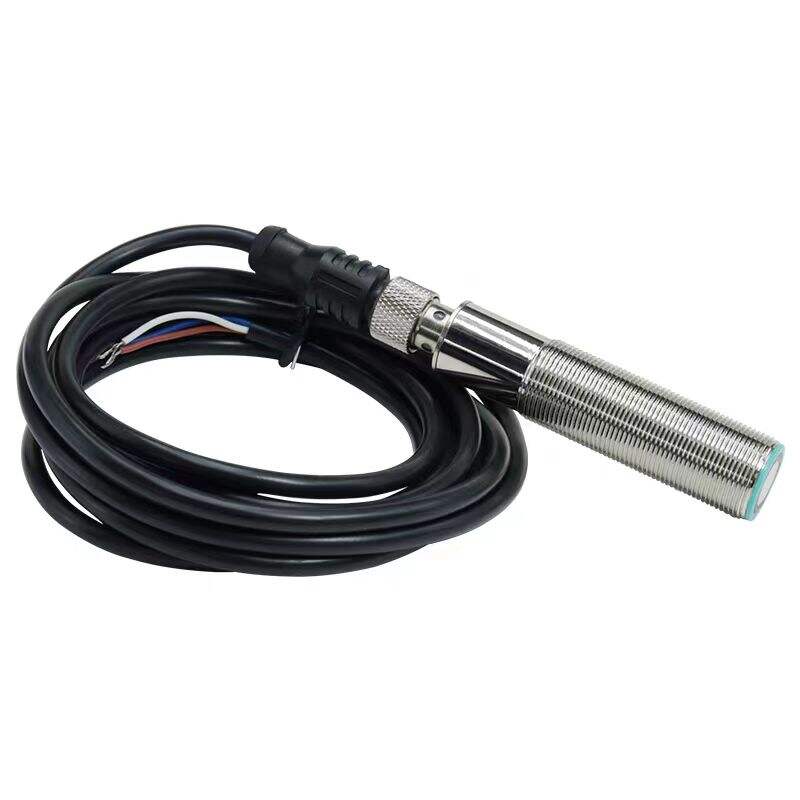
Industrial operations across manufacturing, chemical processing, water treatment, and food production depend heavily on precise liquid level monitoring to maintain process efficiency, prevent equipment damage, and ensure regulatory compliance. The selection of an appropriate water level sensor directly impacts operational reliability, maintenance costs, and system longevity. Understanding what characteristics define an ideal industrial water level sensor requires examining technical specifications, environmental compatibility, integration capabilities, and long-term performance factors that distinguish superior solutions from basic monitoring devices.
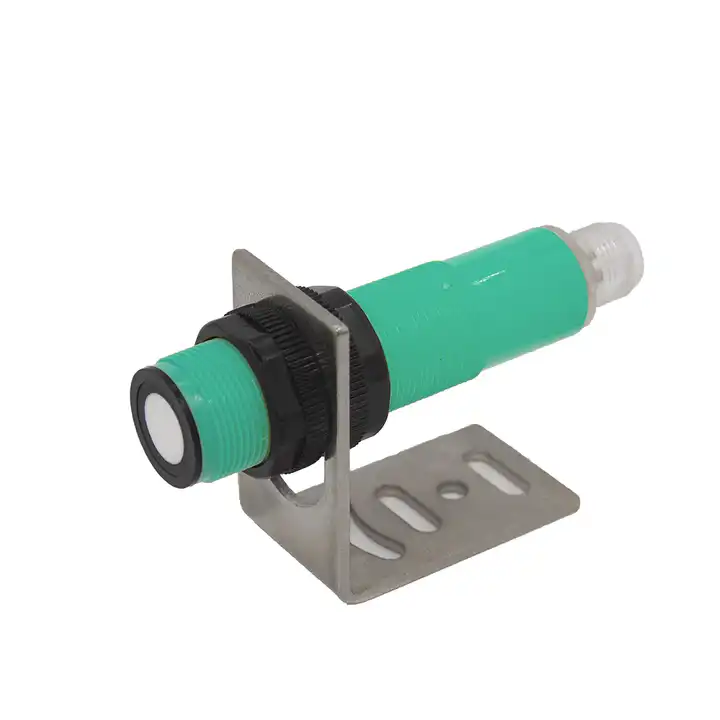
Modern industrial environments present unique challenges that demand water level sensors capable of delivering consistent accuracy despite temperature fluctuations, chemical exposure, pressure variations, and vibration. An ideal sensor must transcend basic liquid detection functionality by offering durability in harsh conditions, minimal maintenance requirements, seamless integration with control systems, and measurement precision that supports critical decision-making. The effectiveness of a distance sensor in industrial applications hinges on multiple performance dimensions that collectively determine its suitability for demanding operational contexts.
Measurement Precision and Accuracy Requirements
Resolution Capabilities for Process Control
Industrial water level measurement demands resolution capabilities that align with process control requirements, where millimeter-level precision often determines product quality and operational safety. A distance sensor designed for industrial applications must provide consistent accuracy across the entire measurement range, typically within plus or minus one percent of full scale, ensuring that control systems receive reliable data for automated decision-making. High-resolution sensors enable early detection of level changes, allowing predictive maintenance strategies and preventing overflow conditions before they escalate into costly incidents or environmental violations.
The ideal sensor maintains measurement stability despite environmental variables such as temperature drift, pressure changes, and electromagnetic interference that commonly affect industrial facilities. Advanced distance sensor technologies incorporate temperature compensation algorithms and signal processing capabilities that filter noise while preserving genuine level change signals. This precision consistency becomes particularly critical in batch processing operations where recipe adherence depends on exact liquid volumes, or in water treatment facilities where chemical dosing accuracy directly correlates with treatment effectiveness and regulatory compliance.
Response Time and Dynamic Range
Industrial processes frequently involve rapid liquid level changes during filling, draining, or mixing operations, requiring sensors with response times measured in milliseconds rather than seconds. An ideal water level sensor demonstrates dynamic response characteristics that capture transient conditions without lag, enabling control systems to react promptly to prevent overfill scenarios or dry-running pump damage. The sensor's ability to track fast-changing levels while maintaining accuracy distinguishes professional-grade equipment from consumer-oriented devices unsuitable for industrial tempo.
Measurement range flexibility represents another essential precision dimension, as industrial applications span from shallow sump monitoring at several centimeters to deep tank measurement exceeding twenty meters. A distance sensor optimized for industrial use offers configurable range settings without sacrificing resolution, allowing single sensor models to address diverse application requirements. This versatility reduces inventory complexity while ensuring that measurement precision scales appropriately with tank geometry, where percentage accuracy becomes more meaningful than absolute measurement error across varying installation contexts.
Material Compatibility and Chemical Resistance
Sensor Construction Materials
The harsh chemical environments characteristic of industrial facilities demand water level sensors constructed from materials that resist corrosion, degradation, and contamination over extended service periods. Ideal sensors employ housings fabricated from stainless steel grades such as 316L or specialty polymers like PVDF that withstand exposure to acids, bases, solvents, and oxidizing agents commonly encountered in chemical processing, pharmaceutical manufacturing, and wastewater treatment operations. Material selection directly influences sensor longevity, with inferior materials leading to premature failure, measurement drift, and potential contamination of process fluids.
Contact-based distance sensor designs require particular attention to material compatibility since sensing elements directly interact with measured liquids. Non-contact technologies such as ultrasonic or radar sensors minimize this concern but still require housing materials capable of enduring splash zones, condensation, and chemical vapors. The ideal sensor specification clearly documents material composition and chemical compatibility ratings, enabling engineers to match sensor construction with specific process media without risking equipment degradation or measurement reliability over the expected service life spanning years or decades.
Temperature and Pressure Tolerance
Industrial water level monitoring frequently occurs in environments where process temperatures range from near-freezing in refrigeration applications to elevated temperatures exceeding one hundred degrees Celsius in heated tanks or reactors. An ideal distance sensor maintains calibration accuracy and electronic stability across these thermal extremes without requiring frequent recalibration or experiencing measurement drift. Temperature rating specifications must account not only for process liquid temperature but also for ambient conditions in boiler rooms, outdoor installations, or climate-controlled cleanrooms where environmental factors influence sensor performance.
Pressure tolerance becomes equally critical in applications involving pressurized vessels, where sensors must withstand operating pressures without mechanical deformation or seal compromise. The ideal sensor design incorporates pressure ratings exceeding normal operating conditions by comfortable safety margins, typically supporting pressures from full vacuum to several bar depending on application context. This pressure capability ensures that a distance sensor continues accurate measurement during pressure transients caused by pump starts, valve operations, or process upsets, preventing false readings that could trigger inappropriate control responses or alarm conditions.
Installation Flexibility and Mounting Options
Physical Configuration Adaptability
Industrial facilities present diverse installation constraints ranging from cramped retrofits in existing equipment to greenfield designs with optimal sensor placement opportunities. An ideal water level sensor offers multiple mounting configurations including top-mounted, side-mounted, and bottom-mounted options that accommodate various tank geometries and access limitations. Thread standards compatibility with common industrial process connections such as NPT, BSP, or flanged interfaces simplifies installation while ensuring proper sealing and mechanical stability under operational vibration and thermal cycling.
Compact physical dimensions expand installation possibilities, particularly in space-constrained applications or when multiple distance sensor units monitor different zones within complex tank geometries. The ideal sensor design balances miniaturization with ruggedness, avoiding fragile construction while maintaining small footprints that facilitate integration into existing infrastructure without extensive modifications. Cable entry options including top-entry, side-entry, and conduit-ready housings provide installation flexibility that accommodates varied cable routing requirements and junction box placement while maintaining appropriate ingress protection ratings for wet or dusty environments.
Calibration and Commissioning Simplicity
Commissioning efficiency directly impacts project timelines and labor costs, making simplified calibration procedures a defining characteristic of ideal industrial water level sensors. Modern distance sensor designs incorporate push-button configuration, automatic spanning capabilities, and teach-in functions that eliminate complex manual calibration procedures requiring specialized equipment or extensive technical training. Field-adjustable parameters accessible through intuitive interfaces enable technicians to optimize sensor performance for specific installation conditions without returning equipment to manufacturers or engaging specialized calibration services.
The ideal sensor provides clear diagnostic feedback during installation, confirming proper operation and signal quality before systems go live. LED indicators, analog output verification, and digital communication diagnostics facilitate troubleshooting and installation validation, reducing commissioning time while building confidence in measurement reliability. Remote configuration capabilities through digital protocols further enhance commissioning efficiency in distributed installations where physical sensor access involves scaffolding, confined space entry, or process shutdowns that complicate hands-on adjustment procedures.
System Integration and Communication Protocols
Output Signal Versatility
Industrial control architectures employ diverse signal standards depending on system vintage, manufacturer preferences, and application requirements, necessitating water level sensors with flexible output options. An ideal distance sensor provides industry-standard analog outputs such as four-to-twenty milliamp current loops that offer noise immunity and long-distance transmission capability suitable for distributed installations. Voltage output alternatives serve applications where shorter transmission distances and simplified wiring reduce installation complexity, while maintaining sufficient signal integrity for accurate level indication and control.
Digital communication capabilities increasingly define sensor value in networked industrial environments, where protocols such as HART, Modbus, IO-Link, and industrial Ethernet standards enable bi-directional data exchange beyond simple level measurement. The ideal distance sensor supports digital protocols that facilitate remote diagnostics, parameter adjustment, and advanced features like multi-variable sensing where single devices report level, temperature, and signal quality simultaneously. This communication richness transforms sensors from passive measurement devices into intelligent system nodes that contribute operational intelligence supporting predictive maintenance and process optimization initiatives.
Compatibility with Control System Architectures
Integration success depends on seamless compatibility between water level sensors and existing control infrastructure including programmable logic controllers, distributed control systems, and supervisory control and data acquisition platforms. An ideal distance sensor provides comprehensive technical documentation including scaling information, response time characteristics, and failure mode behaviors that enable control engineers to implement appropriate signal conditioning, alarm logic, and failsafe strategies. Pre-configured device description files for major control platforms accelerate integration while reducing configuration errors that could compromise system reliability.
Power supply flexibility enhances integration compatibility, with ideal sensors accepting wide voltage ranges spanning common industrial standards from twelve to thirty volts DC, or accommodating loop-powered configurations that eliminate separate power wiring requirements. This electrical versatility simplifies retrofit installations where adding new power circuits involves significant infrastructure investment, while reducing panel complexity in new designs. Intrinsically safe and explosion-proof variants extend application scope into hazardous area classifications where flammable vapors or combustible dusts demand certified equipment preventing ignition risks inherent in electrical devices.
Maintenance Requirements and Operational Reliability
Service Life and Component Durability
Operational cost-effectiveness extends beyond initial sensor acquisition to encompass total cost of ownership including maintenance expenses, replacement frequency, and downtime associated with sensor failures. An ideal water level sensor demonstrates proven reliability spanning years of continuous operation without calibration drift, electronic failures, or mechanical degradation requiring replacement. Mean time between failures metrics exceeding one hundred thousand hours indicate industrial-grade construction and component selection that justify higher initial costs through reduced lifecycle expenses and improved process uptime.
Non-contact distance sensor technologies such as ultrasonic and radar designs minimize maintenance requirements by eliminating moving parts, wetted components subject to fouling, and wear mechanisms that plague mechanical float switches or conductive probe sensors. The ideal sensor design resists common failure modes including cable degradation, seal leakage, and electronic component aging through robust construction practices, conformal coating of circuit boards, and conservative electrical design margins. Extended warranty coverage and manufacturer confidence in field performance reliability provide additional indicators of sensor quality suitable for critical industrial applications.
Diagnostic Capabilities and Predictive Maintenance
Advanced distance sensor designs incorporate self-diagnostic functions that monitor signal quality, component health, and measurement confidence, alerting maintenance personnel to developing issues before complete failures disrupt operations. Ideal sensors report diagnostic parameters including echo signal strength, temperature readings, supply voltage conditions, and communication integrity through digital protocols, enabling condition-based maintenance strategies that optimize service interventions. These diagnostic capabilities transform reactive maintenance approaches into proactive programs that schedule sensor service during planned outages rather than responding to unexpected failures during production runs.
The ability to distinguish between actual level changes and measurement anomalies caused by sensor issues represents critical intelligence for process operators and maintenance teams. An ideal distance sensor employs signal validation algorithms that detect foam accumulation, surface turbulence, or condensation buildup affecting measurement quality, providing context that prevents false alarms while alerting personnel to conditions requiring attention. This measurement intelligence enhances operational confidence while reducing nuisance alarms that erode operator trust in automated systems, ultimately supporting more effective human-machine collaboration in complex industrial environments.
FAQ
What measurement accuracy should industrial water level sensors provide?
Industrial-grade water level sensors typically deliver accuracy within one percent of full scale or better, with high-precision distance sensor models achieving accuracy within point-five percent. The appropriate accuracy specification depends on application criticality, tank geometry, and process control requirements, where chemical batching or custody transfer applications demand tighter tolerances than simple overfill protection. Accuracy stability across temperature ranges and service life represents equally important considerations beyond initial calibration precision.
How do non-contact sensors compare to contact-based water level measurement?
Non-contact distance sensor technologies such as ultrasonic and radar devices eliminate issues associated with mechanical wear, fouling, and chemical compatibility that affect contact-based float switches and capacitance probes. While non-contact sensors typically involve higher initial costs, they offer superior reliability, reduced maintenance requirements, and broader application versatility across diverse liquids and process conditions. Contact sensors remain appropriate for specific applications requiring physical proof of liquid presence or where budget constraints outweigh lifecycle cost considerations.
Can water level sensors operate reliably in outdoor installations?
Industrial distance sensor designs rated for outdoor service incorporate weatherproof housings with appropriate ingress protection ratings, typically IP67 or higher, that prevent moisture and dust intrusion under exposure to rain, snow, and temperature extremes. UV-resistant materials, corrosion-proof construction, and wide operating temperature ranges enable reliable outdoor operation when sensors are properly specified for environmental conditions. Lightning protection, surge suppression, and proper grounding practices further enhance reliability in exposed installations subject to electrical transients.
What communication protocols offer the best value for industrial water level monitoring?
The optimal communication protocol depends on existing control system infrastructure and future expansion plans, with four-to-twenty milliamp analog signals providing universal compatibility and simplicity for basic level monitoring. Digital protocols such as HART overlay diagnostic data onto analog signals without requiring infrastructure changes, while Modbus and industrial Ethernet options support advanced features in networked environments. An ideal distance sensor offers multiple output options allowing deployment flexibility as facility automation architectures evolve over equipment service life spanning decades.
Table of Contents
- Measurement Precision and Accuracy Requirements
- Material Compatibility and Chemical Resistance
- Installation Flexibility and Mounting Options
- System Integration and Communication Protocols
- Maintenance Requirements and Operational Reliability
-
FAQ
- What measurement accuracy should industrial water level sensors provide?
- How do non-contact sensors compare to contact-based water level measurement?
- Can water level sensors operate reliably in outdoor installations?
- What communication protocols offer the best value for industrial water level monitoring?