 EN
EN

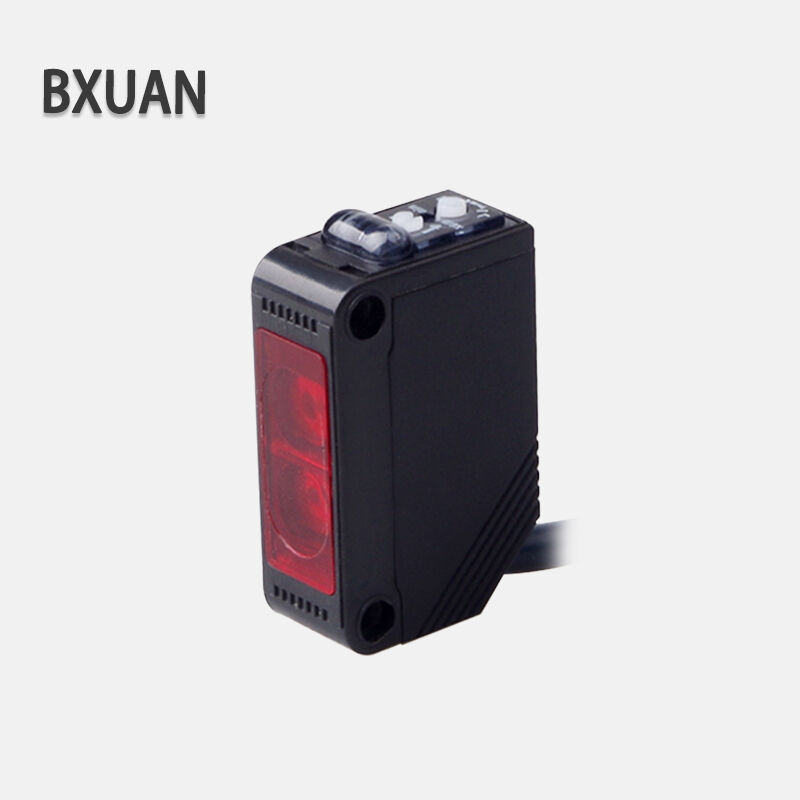
Water level monitoring remains a critical safety and operational concern across industrial facilities, municipal water systems, manufacturing plants, and residential infrastructure. The question of whether a water level sensor can enhance safety and control is not merely theoretical—it represents a fundamental shift in how organizations manage fluid assets, prevent hazardous overflow conditions, and maintain operational continuity. Modern distance sensor technology has evolved to provide reliable, real-time monitoring capabilities that directly address the vulnerabilities inherent in manual inspection methods and outdated float-based systems. By implementing advanced ultrasonic and capacitive sensing solutions, facility operators gain immediate visibility into water levels, enabling proactive intervention before emergency conditions develop and optimizing resource allocation through precise volumetric data.
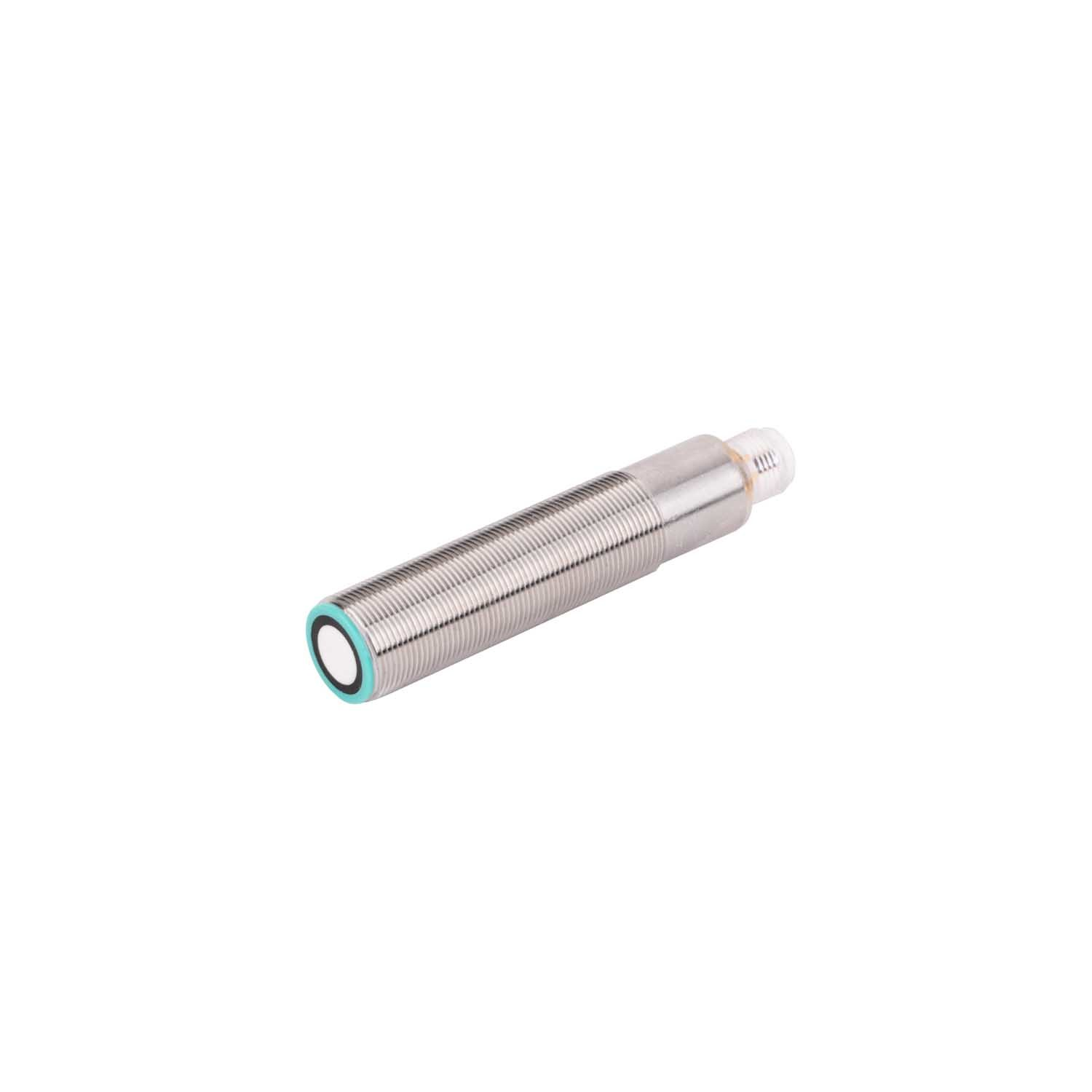
The integration of distance sensor technology into water management infrastructure delivers measurable improvements in both safety protocols and operational control mechanisms. These sensors function by measuring the distance from the sensor mounting point to the water surface, converting that spatial relationship into actionable level data that feeds into automated control systems, alarm networks, and data analytics platforms. The enhancement potential extends beyond simple overflow prevention—it encompasses predictive maintenance scheduling, regulatory compliance documentation, environmental protection against spills or leaks, and optimization of pump cycling to reduce energy consumption and equipment wear. Understanding how water level sensors specifically contribute to safety enhancement and control refinement requires examining the underlying detection principles, installation contexts, system integration pathways, and real-world performance parameters that define successful deployment outcomes.
How Distance Sensor Technology Enables Water Level Detection
Ultrasonic Measurement Principles and Accuracy Factors
Ultrasonic distance sensor systems operate by emitting high-frequency sound waves toward the water surface and precisely measuring the time required for the echo to return to the sensor transducer. This time-of-flight calculation, combined with the known speed of sound through air, yields an accurate distance measurement that directly correlates to water level when the sensor mounting height is established as a reference point. The measurement accuracy typically ranges from millimeter to centimeter precision depending on sensor quality, environmental conditions, and installation parameters. Temperature compensation algorithms within advanced distance sensor units automatically adjust for variations in sound velocity caused by ambient temperature fluctuations, ensuring consistent measurement reliability across seasonal changes and diverse operating environments.
The non-contact nature of ultrasonic distance sensor technology provides significant advantages for water level monitoring applications where direct physical contact with the fluid could introduce contamination risks, maintenance burdens, or measurement interference. Unlike float switches that rely on mechanical movement and can become fouled by debris or mineral buildup, ultrasonic sensors maintain measurement integrity without physical degradation over extended operational periods. The detection range capabilities extend from several centimeters to multiple meters, accommodating applications from small containment sumps to large industrial tanks and open water reservoirs. Environmental factors such as foam formation, vapor presence, and surface turbulence can affect measurement reliability, requiring proper sensor selection and installation positioning to ensure the ultrasonic beam maintains clear line-of-sight to the water surface under all operational conditions.
Alternative Detection Technologies and Their Application Contexts
While ultrasonic distance sensor systems dominate many water level monitoring applications, alternative technologies including capacitive sensors, pressure transducers, radar-based measurement systems, and optical detection methods each offer specific advantages for particular environmental conditions and performance requirements. Capacitive sensors detect changes in electrical properties as water approaches the sensing element, providing reliable detection in confined spaces or applications where foam and vapor would interfere with ultrasonic propagation. Pressure-based measurement derives water level from the hydrostatic pressure at the bottom of a vessel or water body, offering immunity to surface conditions but requiring submersible installation that introduces maintenance access considerations and potential sensor fouling from sediment accumulation.
Radar distance sensor technology, utilizing electromagnetic wave propagation rather than acoustic waves, provides superior performance in applications involving extreme temperatures, high vapor concentrations, or chemically aggressive atmospheres that would degrade ultrasonic transducers. The selection among these technologies depends on factors including measurement range requirements, accuracy specifications, environmental conditions, maintenance access limitations, and budget constraints. Many industrial facilities implement hybrid monitoring strategies that combine multiple sensor technologies to achieve redundancy, cross-validation of measurements, and comprehensive coverage across different operational zones. Understanding the fundamental detection principles underlying each distance sensor type enables informed technology selection that aligns with specific safety objectives and control system architectures.
Safety Enhancements Delivered Through Water Level Monitoring
Overflow Prevention and Containment Integrity Protection
The primary safety contribution of water level sensors centers on preventing overflow events that can trigger cascading failures, environmental contamination, and personnel hazards. In industrial wastewater treatment facilities, overflow from clarification tanks or equalization basins releases untreated effluent into receiving waters, creating regulatory violations and ecological damage. A properly configured distance sensor system establishes multiple alarm thresholds—warning levels that alert operators to rising conditions, and critical levels that trigger automatic diversion or pump shutdown to prevent overflow. This layered defense strategy provides operators with sufficient response time while maintaining automated failsafe mechanisms that function even when human intervention is delayed or unavailable.
Containment structure integrity depends on maintaining water levels within design parameters that prevent overstressing of tank walls, foundation settlements, or seal failures. Secondary containment systems surrounding chemical storage tanks require monitoring to detect leaks from primary vessels while ensuring the containment itself does not overflow during storm events or firefighting operations. Distance sensor installations in these applications provide continuous surveillance that manual inspection rounds cannot match, detecting gradual level increases that indicate seal degradation or valve leakage before catastrophic failures develop. The integration of level data with facility management systems enables automated reporting, maintenance work order generation, and compliance documentation that satisfies environmental regulatory requirements while reducing the administrative burden on safety personnel.
Early Warning Systems for Equipment Malfunction and Process Deviations
Water level sensors function as diagnostic indicators that reveal upstream equipment failures or process deviations before they escalate into safety incidents. Abnormally rapid level increases in a receiving tank may indicate a stuck-open valve, pump failure causing diversion of flows, or blockage in downstream piping that requires immediate investigation. Conversely, unexpected level decreases can signal supply interruptions, leak development, or unauthorized drainage that compromises fire protection reserves or process cooling water availability. The trending capabilities of modern distance sensor systems, which log measurement data at regular intervals, enable operators to identify gradual changes in fill rates or consumption patterns that precede equipment failures, facilitating predictive maintenance interventions that prevent unplanned shutdowns and associated safety risks.
In critical safety applications such as emergency eyewash stations, safety shower supply tanks, or fire suppression water reserves, continuous level monitoring ensures resource availability when needed while detecting consumption or leakage that would compromise emergency response capabilities. The distance sensor verification extends beyond simple presence detection to confirm adequate volume reserves that meet safety code requirements and operational duration specifications. Automated testing protocols that periodically verify sensor functionality and alarm circuit integrity provide additional layers of reliability, ensuring the monitoring system itself does not become a single point of failure. The implementation of redundant sensors with independent power supplies and communication pathways addresses high-reliability applications where sensor failure could mask hazardous conditions.
Operational Control Improvements Through Precision Level Data
Automated Process Control and Pump Management Optimization
The integration of distance sensor measurements into automated control systems transforms water level management from reactive manual intervention to proactive optimized operation. Proportional-integral-derivative control algorithms utilize continuous level feedback to modulate pump speeds, valve positions, or feed rates with precision that maintains target levels while minimizing energy consumption and mechanical wear. In municipal water distribution systems, elevated storage tank level control through variable frequency drive pump operation reduces electrical demand charges during peak rate periods while ensuring adequate reserves for fire flow and consumption variability. The elimination of discrete on-off cycling extends pump service life, reduces water hammer effects that stress piping systems, and provides smoother pressure profiles that improve water quality by minimizing sediment disturbance.
Wastewater lift stations benefit significantly from distance sensor-based control strategies that optimize pump operation based on actual inflow patterns rather than fixed timer schedules or simple float switch activation. Advanced control logic can implement alternating pump operation to equalize wear, prevent septicity through minimized retention times, and coordinate multiple lift stations across collection networks to balance treatment plant loading. The precision afforded by continuous distance sensor measurement enables tighter level band control compared to mechanical float switches, reducing the working volume required for pump cycling and allowing smaller wet well designs in space-constrained installations. Energy savings of twenty to forty percent are commonly achieved through optimized pump scheduling that eliminates unnecessary runtime while maintaining adequate hydraulic capacity for peak flow events.
Inventory Management and Resource Allocation Optimization
Water level monitoring through distance sensor technology provides the volumetric data foundation for inventory tracking, consumption analysis, and resource planning that improves operational efficiency across industrial and commercial facilities. In manufacturing operations utilizing process water, cooling water, or ingredient solutions, accurate level measurement enables just-in-time replenishment scheduling that minimizes storage infrastructure requirements while preventing production interruptions due to supply depletion. The conversion of distance sensor readings to volume calculations through tank geometry calibration delivers inventory accuracy that supports material cost accounting, batch production traceability, and waste minimization initiatives. Integration with enterprise resource planning systems automates reorder triggers, consumption reporting, and variance analysis that identifies process inefficiencies or unaccounted losses requiring investigation.
Agricultural irrigation systems, aquaculture facilities, and landscape maintenance operations utilize water level monitoring to optimize resource allocation based on actual consumption patterns and environmental conditions rather than fixed schedules that often result in over-application or inadequate supply. Distance sensor data from storage tanks, reservoirs, and distribution networks enables dynamic adjustment of irrigation schedules based on available water inventory, predicted demand, and supply source reliability. The aggregation of level data across multiple storage locations provides facility-wide visibility that supports strategic decisions regarding water sourcing, treatment capacity requirements, and infrastructure investment priorities. The quantification of water consumption patterns through historical trending identifies opportunities for conservation measures, leak detection, and process modifications that reduce operating costs while enhancing sustainability performance.
System Integration Strategies and Communication Protocol Requirements
Industrial Control System Connectivity and Data Exchange Standards
The practical value of distance sensor technology emerges through effective integration with supervisory control and data acquisition systems, programmable logic controllers, and building management platforms that transform raw measurement data into actionable control decisions and operator interfaces. Modern water level sensors support multiple communication protocols including analog current loop signaling, digital fieldbus networks, wireless transmission systems, and internet protocol connectivity that accommodate diverse installation requirements and legacy infrastructure compatibility. The four-to-twenty milliamp analog output standard remains prevalent in industrial applications due to its noise immunity, long transmission distances, and universal acceptance by control system input modules, though it provides only unidirectional data flow without diagnostic capabilities or configuration access.
Digital communication protocols such as Modbus RTU, Profibus, and Foundation Fieldbus enable bidirectional data exchange that supports remote sensor configuration, diagnostic status reporting, and access to extended measurement parameters including signal strength, temperature data, and fault condition indicators. The implementation of these digital networks requires attention to network topology, termination resistor placement, cable shielding practices, and address assignment protocols that ensure reliable communication in electrically noisy industrial environments. Wireless distance sensor solutions utilizing radio frequency transmission or cellular data connectivity eliminate conduit installation costs and enable monitoring in remote locations or retrofit applications where cabling infrastructure is impractical, though they introduce considerations regarding battery life management, signal path reliability, and cybersecurity measures to prevent unauthorized access or data interception.
Cloud Platform Integration and Advanced Analytics Implementation
The evolution of water level monitoring from simple local alarming to comprehensive data analytics platforms reflects broader trends toward Industrial Internet of Things architectures that leverage cloud computing, machine learning algorithms, and multi-site data aggregation. Distance sensor connectivity to cloud-based monitoring platforms enables centralized oversight of geographically distributed assets, comparative performance analysis across similar installations, and pattern recognition algorithms that identify anomalies indicative of developing problems. The storage of historical level data in cloud databases facilitates long-term trending analysis, regulatory compliance reporting, and correlation studies that reveal relationships between water consumption, production volumes, weather patterns, and operational practices.
Advanced analytics applications process distance sensor data streams to generate predictive maintenance alerts based on subtle changes in level response characteristics that precede sensor failures or process equipment degradation. Machine learning models trained on historical operational data can predict future water level trajectories based on current conditions, enabling proactive adjustment of control strategies to prevent alarm conditions or optimize energy consumption. The accessibility of cloud-based monitoring through web browsers and mobile applications extends visibility beyond control room operators to maintenance personnel, management teams, and remote support resources who require situational awareness for decision-making. Security architecture including encrypted data transmission, multi-factor authentication, and role-based access control addresses concerns regarding unauthorized access or cyber threats to critical infrastructure monitoring systems.
Installation Considerations and Performance Optimization Techniques
Sensor Positioning Requirements and Environmental Factors
Successful water level monitoring depends fundamentally on proper distance sensor installation that accounts for tank geometry, surface conditions, environmental factors, and maintenance accessibility. Ultrasonic sensors require mounting positions that provide clear line-of-sight to the water surface throughout the entire measurement range, avoiding obstructions from structural members, pipe penetrations, or agitation equipment that could reflect the ultrasonic beam and cause erroneous readings. The sensor should be positioned away from fill streams that create turbulence or foam formation at the surface directly beneath the sensor, typically requiring offset mounting or baffle installation that directs incoming flows away from the measurement zone. Vertical mounting orientation with the sensor face parallel to the water surface optimizes signal reflection, though some tank configurations require angled installation that accounts for geometric correction factors in the distance-to-level calculation.
Environmental conditions including temperature extremes, humidity levels, dust concentrations, and chemical vapors influence distance sensor performance and material compatibility requirements. Sensors installed in outdoor applications require weatherproof enclosures rated for ingress protection against moisture and dust intrusion, with consideration for condensation management through breather vents or purge air systems that prevent moisture accumulation on transducer faces. High-temperature applications such as hot water storage or process heating systems necessitate sensor specifications that accommodate elevated ambient conditions or implementation of heat shields and standoff mounting brackets that maintain sensor electronics within acceptable temperature ranges. Corrosive atmospheres present in chemical storage or wastewater treatment applications require material selection including fluoropolymer coatings, stainless steel construction, or specialized plastics that resist degradation from exposure to aggressive vapors.
Calibration Procedures and Maintenance Protocol Development
Initial distance sensor calibration establishes the relationship between measured distance and actual water level by defining reference points including the zero level position, full scale level, and tank geometry parameters required for volume calculation. The calibration process typically involves measuring the physical distance from the sensor mounting position to the empty tank bottom, setting this value as the maximum distance corresponding to zero level, then establishing the minimum distance that represents full level condition. Some sensor models incorporate multi-point calibration capabilities that accommodate non-linear tank geometries such as horizontal cylindrical vessels or conical bottom tanks where the volume-to-height relationship varies across the measurement range. Verification of calibration accuracy through comparison with manual level measurements at multiple points across the operating range ensures proper system configuration before commissioning.
Ongoing maintenance protocols should include periodic inspection of sensor mounting integrity, cleaning of transducer faces to remove dust or buildup that could attenuate signal transmission, and functional testing of alarm outputs and control system integration. The establishment of baseline signal strength values during initial commissioning provides reference data for degradation assessment, with significant signal strength reduction indicating potential sensor fouling, misalignment, or approaching end-of-life conditions requiring proactive replacement. Documentation of distance sensor maintenance activities including calibration verification dates, cleaning procedures performed, and any adjustments made to configuration parameters supports regulatory compliance requirements and provides historical context for troubleshooting intermittent issues. The implementation of redundant sensor installations in critical applications enables online sensor removal for maintenance or replacement without loss of monitoring capability, enhancing system reliability while accommodating planned maintenance activities.
FAQ
What is the typical accuracy range of water level sensors using distance measurement technology?
The measurement accuracy of distance sensor technology for water level monitoring typically ranges from plus or minus one millimeter to several centimeters depending on the sensor technology, measurement range, and environmental conditions. Ultrasonic sensors generally provide accuracy of zero point twenty-five percent of the measurement span for industrial-grade units, translating to approximately five millimeters accuracy on a two-meter range application. Higher-precision ultrasonic and radar sensors achieve sub-millimeter accuracy in controlled environments with stable temperatures and minimal surface disturbance. Application-specific factors including tank geometry, surface conditions, and installation quality significantly influence practical accuracy, with proper sensor selection and installation optimization essential to achieving specified performance levels in operational environments.
How do water level sensors maintain reliability in applications with foam or vapor presence above the water surface?
Foam and vapor conditions present significant challenges for ultrasonic distance sensor technology because these materials absorb or scatter acoustic energy, reducing signal reflection and potentially causing measurement errors or complete signal loss. Radar-based distance sensor systems utilizing electromagnetic wave propagation rather than acoustic waves provide superior performance in foaming applications, as radio frequency signals penetrate foam layers and reflect from the underlying liquid surface. Alternative approaches include implementing foam detection algorithms that recognize abnormal signal characteristics and maintain last valid readings, installing physical foam dispersion devices such as baffles or surface plates that create clear measurement zones, or selecting capacitive probe technology that provides level detection through direct contact with the liquid rather than non-contact distance measurement. Application assessment during sensor selection should explicitly consider foam formation potential based on liquid properties, agitation intensity, and surfactant presence to ensure appropriate technology deployment.
Can distance sensor technology provide accurate level measurement in outdoor water storage applications exposed to weather conditions?
Distance sensor technology functions effectively in outdoor water storage applications including reservoirs, tanks, and open containment structures when proper consideration is given to environmental protection, temperature compensation, and installation positioning. Ultrasonic sensors designed for outdoor service incorporate weatherproof housings with appropriate ingress protection ratings and temperature compensation algorithms that adjust for seasonal variations affecting sound velocity in air. Direct sunlight exposure and extreme temperature cycling may require installation of sunshades or insulated enclosures that maintain sensor electronics within specified operating ranges. Rain and snow precipitation can interfere with ultrasonic measurement by creating false echoes from droplets or accumulated snow on the water surface, requiring sensor positioning that minimizes direct precipitation impact or selection of radar technology that discriminates between precipitation echoes and the actual water surface. Outdoor installations should also consider lightning protection measures, secure mounting to withstand wind loading, and wildlife deterrents that prevent nesting or perching activities that could obstruct sensor operation.
What is the recommended maintenance frequency for industrial water level monitoring systems using distance sensors?
Maintenance frequency for distance sensor installations varies based on environmental conditions, application criticality, and regulatory requirements, though quarterly inspection intervals represent a common baseline for industrial water level monitoring applications. Routine maintenance activities include visual inspection of sensor condition and mounting integrity, cleaning of transducer faces using appropriate non-abrasive materials and solvents compatible with sensor construction, verification of electrical connections and cable condition, and functional testing of alarm outputs through simulated high and low level conditions. Critical safety applications or systems operating in harsh environments with high dust concentrations, corrosive atmospheres, or temperature extremes may warrant monthly inspection intervals and more frequent cleaning. Annual calibration verification against physical level measurements ensures maintained accuracy over time and provides documentation supporting quality management and regulatory compliance requirements. Predictive maintenance approaches utilizing signal strength monitoring and trend analysis can extend maintenance intervals by identifying sensors requiring attention based on actual condition assessment rather than fixed time schedules.
Table of Contents
- How Distance Sensor Technology Enables Water Level Detection
- Safety Enhancements Delivered Through Water Level Monitoring
- Operational Control Improvements Through Precision Level Data
- System Integration Strategies and Communication Protocol Requirements
- Installation Considerations and Performance Optimization Techniques
-
FAQ
- What is the typical accuracy range of water level sensors using distance measurement technology?
- How do water level sensors maintain reliability in applications with foam or vapor presence above the water surface?
- Can distance sensor technology provide accurate level measurement in outdoor water storage applications exposed to weather conditions?
- What is the recommended maintenance frequency for industrial water level monitoring systems using distance sensors?