 EN
EN

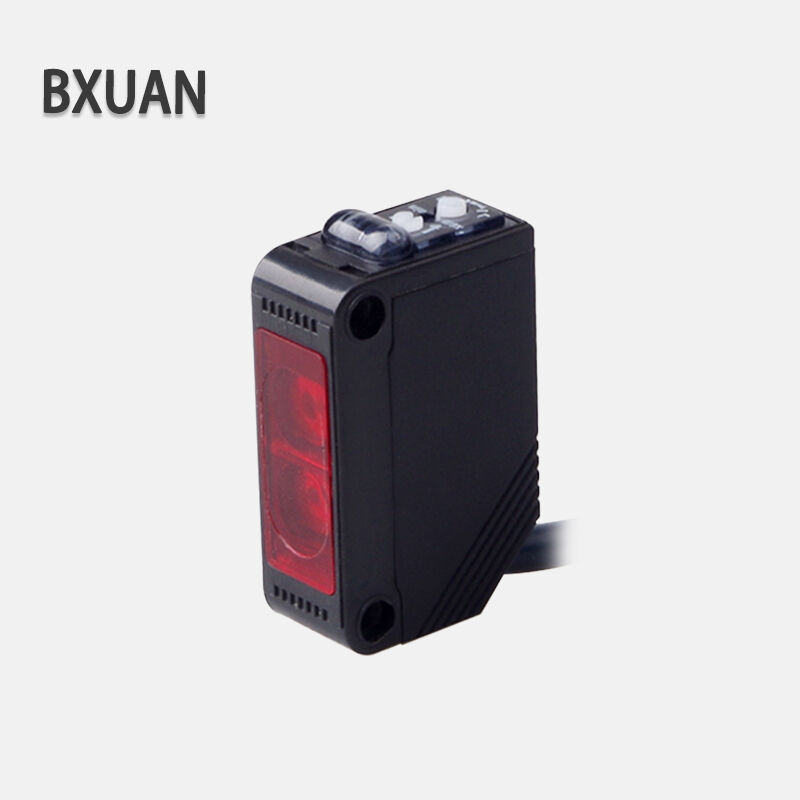
Advanced distance sensors have revolutionized industrial automation and measurement applications by providing precise, reliable distance detection capabilities across diverse operating environments. These sophisticated sensing devices utilize cutting-edge technologies such as ultrasonic, laser, and time-of-flight principles to deliver exceptional accuracy and performance characteristics that far exceed traditional proximity sensors and basic measurement tools.
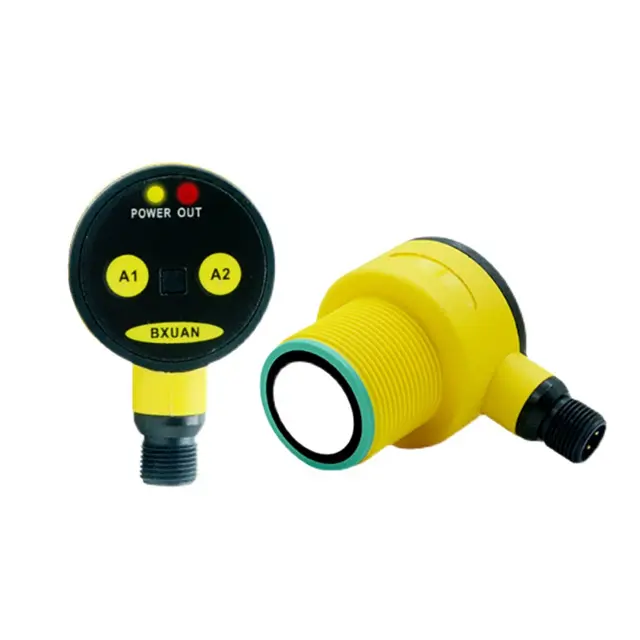
The implementation of advanced distance sensor technology brings transformative advantages to modern industrial operations, offering significant improvements in process efficiency, safety protocols, and operational cost management. Understanding these benefits enables engineers and facility managers to make informed decisions about integrating this technology into their automation systems and measurement applications.
Enhanced Precision and Measurement Accuracy
Superior Detection Resolution
Advanced distance sensors deliver measurement precision that traditional sensing methods cannot match, with resolution capabilities often reaching submillimeter accuracy levels. This exceptional precision enables applications requiring extremely tight tolerances, such as semiconductor manufacturing, precision machining, and quality control processes where measurement errors can result in significant production losses.
Modern distance sensor designs incorporate advanced signal processing algorithms that filter out environmental noise and interference, ensuring consistent measurement accuracy even in challenging industrial environments. The enhanced resolution capabilities allow for detection of minute changes in position, enabling early warning systems for equipment monitoring and predictive maintenance applications.
Temperature compensation and automatic calibration features in advanced distance sensors maintain measurement accuracy across varying environmental conditions, eliminating the need for frequent manual adjustments and reducing operational downtime associated with sensor drift and calibration requirements.
Extended Operating Range Capabilities
Contemporary distance sensor technology offers significantly expanded detection ranges compared to conventional proximity sensors, with some units capable of accurate measurements across distances exceeding 100 meters. This extended range capability enables applications in large-scale industrial facilities, warehouse automation, and outdoor monitoring systems where traditional sensors would be inadequate.
The ability to maintain accuracy across extended distances reduces the need for multiple sensor installations, simplifying system design and reducing overall installation costs. Advanced distance sensors can effectively monitor large storage tanks, conveyor systems, and material handling equipment from optimal mounting positions without compromising measurement quality.
Improved Safety and Operational Reliability
Non-Contact Detection Technology
The non-contact nature of advanced distance sensor operation eliminates physical wear and mechanical failure points that plague traditional contact-based measurement systems. This design characteristic significantly extends sensor lifespan while reducing maintenance requirements and associated downtime costs in critical industrial applications.
Non-contact distance sensor technology prevents contamination and damage that can occur with physical contact sensors, particularly important in food processing, pharmaceutical manufacturing, and chemical processing environments where hygiene and product integrity are paramount concerns.
The absence of moving parts in advanced distance sensors reduces the risk of mechanical failures and eliminates the need for protective barriers that contact sensors often require, simplifying installation procedures and reducing overall system complexity.
Enhanced Personnel Safety Features
Advanced distance sensors provide critical safety monitoring capabilities by creating invisible protective zones around hazardous equipment and processes. These sensors can detect personnel entry into dangerous areas and trigger immediate safety shutdowns, preventing accidents and ensuring compliance with industrial safety regulations.
The rapid response times of modern distance sensor technology enable real-time monitoring of moving machinery and automated equipment, providing immediate warnings when operators or maintenance personnel approach unsafe proximity to operating equipment. This capability significantly reduces workplace injury risks in manufacturing and processing environments.
Integration with safety control systems allows advanced distance sensors to create multiple protection zones with different response protocols, enabling graduated safety responses based on proximity levels and personnel authorization status.
Cost Efficiency and Operational Benefits
Reduced Maintenance Requirements
The robust design and solid-state construction of advanced distance sensors dramatically reduce maintenance requirements compared to mechanical measurement systems. The absence of moving parts, combined with sealed housing designs, creates sensors that can operate reliably for years without requiring service interventions or component replacements.
Self-diagnostic capabilities integrated into modern distance sensor designs provide early warning of potential issues before they affect measurement accuracy or cause system failures. These predictive maintenance features enable scheduled maintenance activities that prevent unexpected downtime and costly emergency repairs.
The digital output capabilities of advanced distance sensors eliminate the need for complex analog signal conditioning equipment, reducing overall system costs and simplifying installation procedures while improving signal reliability and noise immunity.
Energy Efficiency and Environmental Benefits
Advanced distance sensor technology typically consumes significantly less power than traditional measurement systems, contributing to reduced operational energy costs and supporting sustainability initiatives in industrial facilities. Low-power consumption also enables battery-powered operation in remote monitoring applications where electrical infrastructure is not readily available.
The ability to operate effectively across wide temperature ranges and in harsh environmental conditions reduces the need for protective enclosures and climate control systems, further contributing to energy savings and reduced infrastructure requirements.
Versatility and Application Flexibility
Multi-Environment Compatibility
Modern distance sensor designs incorporate advanced materials and protective coatings that enable reliable operation in extreme environmental conditions, including high temperatures, corrosive atmospheres, and high-vibration environments. This versatility allows single sensor models to serve diverse industrial applications without requiring specialized variants for different operating conditions.
The ability to function effectively in dusty, humid, or chemically aggressive environments makes advanced distance sensors ideal for applications in mining, chemical processing, and outdoor installations where traditional sensors would require frequent replacement or extensive protective measures.
Waterproof and explosion-proof certifications available for many advanced distance sensor models enable deployment in maritime, petrochemical, and hazardous area applications where safety and environmental protection are critical requirements.
Integration Capabilities
Advanced distance sensors offer multiple communication protocols and output formats that facilitate seamless integration with existing automation systems, SCADA networks, and IoT platforms. This compatibility eliminates the need for complex interface hardware and reduces integration costs while enabling advanced data analytics and remote monitoring capabilities.
The digital communication capabilities of modern distance sensors enable real-time data transmission with minimal latency, supporting applications requiring immediate response to changing conditions such as collision avoidance systems and high-speed sorting equipment.
Programmable functionality in advanced distance sensors allows customization of measurement parameters, output characteristics, and alarm settings to match specific application requirements without requiring hardware modifications or additional control equipment.
Advanced Technology Integration
Smart Sensing Capabilities
Contemporary distance sensor technology incorporates artificial intelligence and machine learning algorithms that enable adaptive operation and automatic optimization based on environmental conditions and application requirements. These smart features continuously improve measurement accuracy and reliability while reducing the need for manual adjustments and calibration procedures.
Advanced signal processing capabilities in modern distance sensors can distinguish between target objects and environmental clutter, reducing false readings and improving system reliability in complex industrial environments where multiple objects may be present within the sensing field.
The ability to store and analyze measurement data locally within the distance sensor enables trend analysis, predictive maintenance alerts, and performance optimization without requiring external data processing equipment or complex software installations.
Future-Ready Technology
Advanced distance sensors are designed with expandable firmware and updateable software features that enable capability enhancements and new feature additions throughout the sensor lifecycle. This future-ready approach protects investment value and ensures continued compatibility with evolving industrial standards and communication protocols.
The integration of edge computing capabilities in some advanced distance sensor models enables local data processing and decision-making that reduces network traffic and improves system response times while supporting distributed automation architectures and Industry 4.0 initiatives.
FAQ
What makes advanced distance sensors more accurate than traditional measurement methods?
Advanced distance sensors utilize sophisticated signal processing algorithms, temperature compensation, and digital filtering techniques that eliminate common sources of measurement error found in traditional mechanical and analog sensing systems. These technologies provide submillimeter accuracy and maintain consistent performance across varying environmental conditions, significantly outperforming conventional measurement approaches in both precision and reliability.
How do advanced distance sensors improve workplace safety compared to standard proximity sensors?
Advanced distance sensors create multiple programmable safety zones with graduated response protocols, enabling immediate detection of personnel in hazardous areas and triggering appropriate safety measures. Unlike standard proximity sensors that provide only basic on/off detection, advanced distance sensors offer precise distance measurements that enable sophisticated safety logic and real-time monitoring of personnel proximity to dangerous equipment or processes.
Can advanced distance sensors operate reliably in harsh industrial environments?
Yes, advanced distance sensors are specifically designed for harsh industrial applications and feature robust construction, environmental sealing, and protective coatings that enable reliable operation in extreme temperatures, corrosive atmospheres, high vibration, and dusty conditions. Many models carry IP67/IP68 ratings and hazardous area certifications, ensuring dependable performance in the most challenging industrial environments.
What are the long-term cost benefits of implementing advanced distance sensors?
Advanced distance sensors provide significant long-term cost savings through reduced maintenance requirements, eliminated mechanical wear, extended operational lifespan, and improved energy efficiency. The non-contact operation and solid-state design eliminate regular replacement needs while digital output capabilities reduce system complexity and installation costs. These factors combine to deliver substantial total cost of ownership advantages over traditional measurement systems.
Table of Contents
- Enhanced Precision and Measurement Accuracy
- Improved Safety and Operational Reliability
- Cost Efficiency and Operational Benefits
- Versatility and Application Flexibility
- Advanced Technology Integration
-
FAQ
- What makes advanced distance sensors more accurate than traditional measurement methods?
- How do advanced distance sensors improve workplace safety compared to standard proximity sensors?
- Can advanced distance sensors operate reliably in harsh industrial environments?
- What are the long-term cost benefits of implementing advanced distance sensors?