 EN
EN

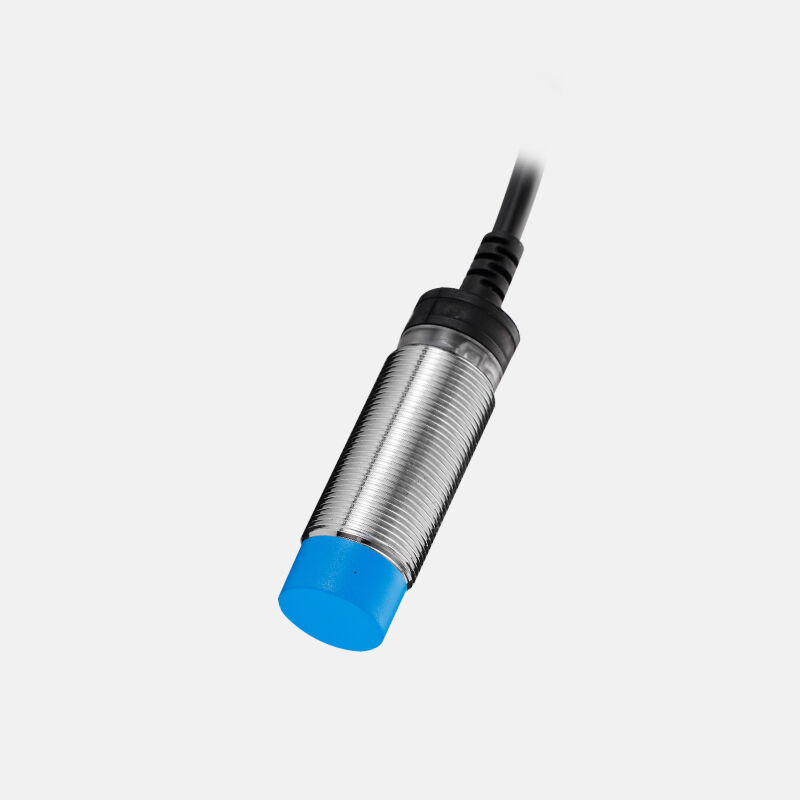
Precision tasks across industrial environments demand measurement devices that deliver consistent accuracy, reliable performance, and adaptable functionality. A distance sensor that meets these demanding requirements must possess specific technical characteristics that enable it to perform consistently under varying operational conditions while maintaining the measurement precision that critical applications require.
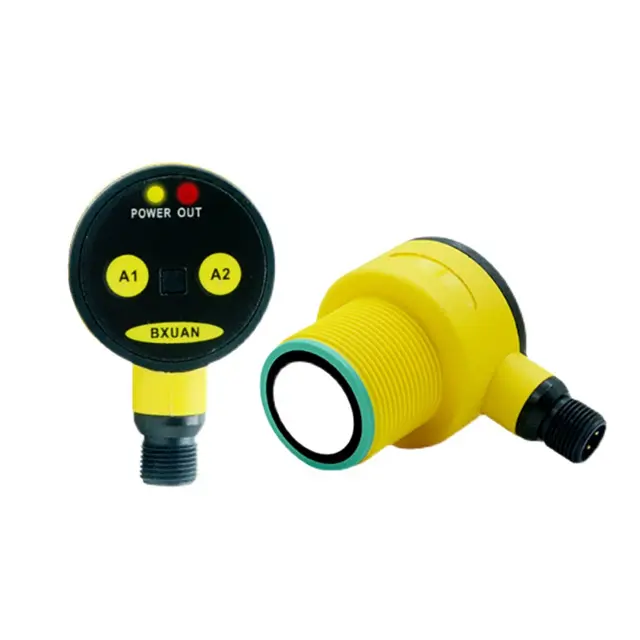
Understanding what constitutes an ideal distance sensor for precision applications involves examining the fundamental technical specifications, operational capabilities, and environmental adaptability that distinguish professional-grade measurement devices from basic proximity detectors. These sophisticated instruments must balance multiple performance factors to achieve the measurement reliability that modern precision tasks demand.
Core Technical Specifications for Precision Distance Measurement
Measurement Resolution and Accuracy Standards
The resolution capability of a distance sensor directly determines its suitability for precision applications. High-quality distance sensor units typically provide measurement resolution in the sub-millimeter range, often achieving accuracies within ±0.1mm to ±1mm depending on the measurement range and technology employed. This level of precision enables the distance sensor to detect minute position changes that would be imperceptible to lower-grade measurement devices.
Measurement accuracy must remain consistent across the entire operational range of the distance sensor. Unlike basic proximity sensors that may exhibit accuracy degradation at extended ranges, precision-oriented distance sensor designs maintain their specified accuracy tolerance throughout their full measurement span. This consistent performance characteristic ensures that measurement reliability remains unchanged whether the target object is positioned at minimum or maximum sensing distance.
Temperature compensation mechanisms within a distance sensor prevent measurement drift caused by environmental temperature variations. Advanced distance sensor models incorporate internal calibration algorithms that automatically adjust measurement calculations based on ambient temperature changes, ensuring that precision measurements remain stable across typical industrial temperature ranges.
Response Time and Update Rate Characteristics
Fast response times enable a distance sensor to track rapid position changes and dynamic target movements that occur in automated precision systems. Professional-grade distance sensor units typically provide measurement update rates ranging from 50Hz to several kilohertz, allowing them to capture position data with sufficient temporal resolution for real-time control applications.
The measurement stability of a distance sensor during rapid target movements depends on its signal processing capabilities and filtering algorithms. High-performance distance sensor designs employ sophisticated digital filtering techniques that eliminate measurement noise while preserving the rapid response characteristics needed for precision tracking applications.
Latency characteristics of a distance sensor become critical when the measurement data feeds into closed-loop control systems. Minimal processing delay ensures that the distance sensor provides measurement feedback with timing precision that enables responsive automatic positioning and motion control operations.
Environmental Resilience and Operational Reliability
Operating Condition Tolerance
Industrial precision tasks often occur in challenging environmental conditions that can affect the performance of sensitive measurement equipment. A robust distance sensor must maintain its accuracy specifications across wide temperature ranges, typically from -40°C to +85°C, ensuring reliable operation in both heated and climate-controlled industrial environments.
Vibration immunity protects the distance sensor from mechanical disturbances that could introduce measurement errors in industrial settings. Quality distance sensor designs incorporate vibration-resistant construction and signal processing algorithms that filter out vibration-induced measurement variations while preserving genuine target position data.
Electromagnetic interference resistance ensures that a distance sensor maintains measurement accuracy in electrically noisy industrial environments. Advanced distance sensor models feature shielded construction and noise-rejection circuitry that prevents electromagnetic interference from affecting measurement precision or causing erratic sensor behavior.
Physical Construction and Protection Standards
The physical construction of a distance sensor determines its durability and longevity in demanding industrial applications. Industrial-grade distance sensor units typically feature robust metallic housings with protection ratings of IP65 or higher, providing resistance to dust intrusion and water exposure that could compromise sensor operation.
Chemical resistance characteristics of a distance sensor housing material prevent degradation from exposure to industrial cleaning agents, cutting fluids, and other chemicals commonly encountered in precision manufacturing environments. Specialized coatings and housing materials ensure that the distance sensor maintains its protective integrity throughout extended service life.
Mechanical shock tolerance protects the internal components of a distance sensor from damage due to accidental impacts or mounting vibration. Reinforced internal component mounting and shock-absorbing construction techniques enable the distance sensor to survive mechanical stresses while maintaining calibration accuracy.
Target Detection and Material Compatibility
Surface Material and Texture Adaptability
The ability of a distance sensor to accurately measure distances to various target materials significantly impacts its versatility for precision applications. Advanced distance sensor technologies can reliably detect targets ranging from highly reflective metallic surfaces to dark, light-absorbing materials without requiring manual sensitivity adjustments or target-specific calibration procedures.
Surface texture variations often challenge the consistency of distance sensor measurements. Professional-grade distance sensor designs incorporate signal processing algorithms that compensate for surface roughness effects, ensuring that measurement accuracy remains consistent whether the target surface is smooth, textured, or irregular in finish.
Color independence enables a distance sensor to provide consistent measurements regardless of target surface coloration. Unlike basic photoelectric sensors that may exhibit sensitivity variations with different colored targets, precision distance sensor units maintain stable measurement performance across the full spectrum of target colors encountered in industrial applications.
Beam Characteristics and Spot Size Optimization
The sensing beam characteristics of a distance sensor directly influence its precision and applicability for specific measurement tasks. Narrow beam spot sizes enable the distance sensor to measure distances to small targets or to distinguish between closely spaced objects that larger beam sensors cannot individually resolve.
Beam divergence properties determine how the measurement spot size increases with distance from the distance sensor. Well-designed distance sensor optics minimize beam divergence to maintain small spot sizes even at extended measurement ranges, preserving the spatial resolution needed for precision positioning applications.
Multiple beam configurations in advanced distance sensor designs enable measurement of complex target geometries or provide redundant measurement paths for enhanced reliability. These sophisticated distance sensor systems can simultaneously track multiple measurement points or provide backup measurement capability for critical precision applications.
Integration and Interface Capabilities
Signal Output and Communication Options
The interface capabilities of a distance sensor determine how effectively it can integrate with existing precision control systems and data acquisition equipment. Modern distance sensor designs provide multiple output formats including analog voltage signals, current loops, and digital communication protocols that accommodate diverse system integration requirements.
Digital communication protocols enable a distance sensor to transmit measurement data along with diagnostic information and configuration parameters. Advanced distance sensor models support industrial communication standards such as Ethernet/IP, Profinet, and Modbus, facilitating seamless integration with programmable logic controllers and industrial networks.
Programmable output characteristics allow customization of the distance sensor response to match specific application requirements. Configurable measurement ranges, output scaling, and signal conditioning options enable the distance sensor to provide optimized measurement signals for particular precision control applications.
Configuration and Calibration Features
User-friendly configuration tools simplify the setup and optimization of a distance sensor for specific precision measurement tasks. Intuitive software interfaces enable technicians to adjust measurement parameters, set alarm thresholds, and configure output characteristics without requiring specialized training or complex programming procedures.
Self-calibration capabilities built into a distance sensor eliminate the need for external calibration equipment and reduce setup complexity. Automated calibration routines ensure that the distance sensor maintains optimal measurement accuracy throughout its operational life while minimizing maintenance requirements and system downtime.
Diagnostic monitoring features within a distance sensor provide real-time information about sensor health, measurement quality, and potential performance issues. These diagnostic capabilities enable proactive maintenance scheduling and help identify environmental conditions that might affect measurement precision before they compromise system performance.
Application-Specific Performance Optimization
Precision Manufacturing Integration
The integration of a distance sensor into precision manufacturing systems requires consideration of both measurement performance and system compatibility factors. Manufacturing applications often demand measurement repeatability that enables the distance sensor to detect position variations of just a few micrometers while maintaining this precision across millions of measurement cycles.
Real-time measurement feedback from a distance sensor enables closed-loop position control in automated manufacturing equipment. The measurement data quality and timing characteristics of the distance sensor directly influence the precision and stability of automatic positioning systems used in assembly, machining, and quality inspection operations.
Multi-axis measurement capability allows a single distance sensor installation to monitor position variations in multiple directions simultaneously. Advanced distance sensor configurations can provide three-dimensional position feedback that enables comprehensive tracking of target position and orientation changes in complex precision applications.
Quality Control and Inspection Applications
Quality control applications require a distance sensor to provide measurement data with sufficient accuracy and resolution to detect dimensional variations that fall within tight manufacturing tolerances. The measurement uncertainty of the distance sensor must be significantly smaller than the dimensional tolerances being monitored to ensure reliable pass-fail decisions in automated inspection systems.
Statistical measurement analysis capabilities built into advanced distance sensor systems enable real-time monitoring of measurement trends and process variations. These analytical features help identify gradual process drift or measurement system degradation before they affect product quality or measurement reliability.
Traceability features ensure that distance sensor measurements can be linked to calibrated reference standards and documented measurement procedures. This measurement traceability becomes essential for quality systems that require documented evidence of measurement accuracy and compliance with industry standards.
FAQ
What measurement accuracy can I expect from a precision distance sensor?
Professional precision distance sensors typically provide measurement accuracies ranging from ±0.1mm to ±1mm depending on the sensing technology, measurement range, and environmental conditions. Laser-based distance sensors often achieve higher accuracy levels compared to ultrasonic or capacitive technologies, with some specialized models providing sub-millimeter accuracy for short-range precision applications.
How do environmental conditions affect distance sensor precision?
Environmental factors such as temperature variations, humidity changes, air currents, and electromagnetic interference can influence distance sensor measurement precision. High-quality distance sensors incorporate temperature compensation, signal filtering, and robust construction to minimize these environmental effects and maintain consistent measurement accuracy across typical industrial operating conditions.
What target materials work best with precision distance sensors?
Most modern precision distance sensors can accurately measure distances to a wide variety of target materials including metals, plastics, ceramics, and composite materials. However, highly reflective surfaces, transparent materials, and surfaces with extreme texture variations may require specific sensor technologies or configuration adjustments to achieve optimal measurement precision and reliability.
How fast can a distance sensor update measurement readings for dynamic applications?
Professional distance sensors typically provide measurement update rates ranging from 50Hz to several kilohertz, enabling them to track fast-moving targets and provide real-time feedback for dynamic positioning systems. The specific update rate depends on the sensing technology, measurement range, and signal processing requirements of the particular distance sensor model.