 EN
EN

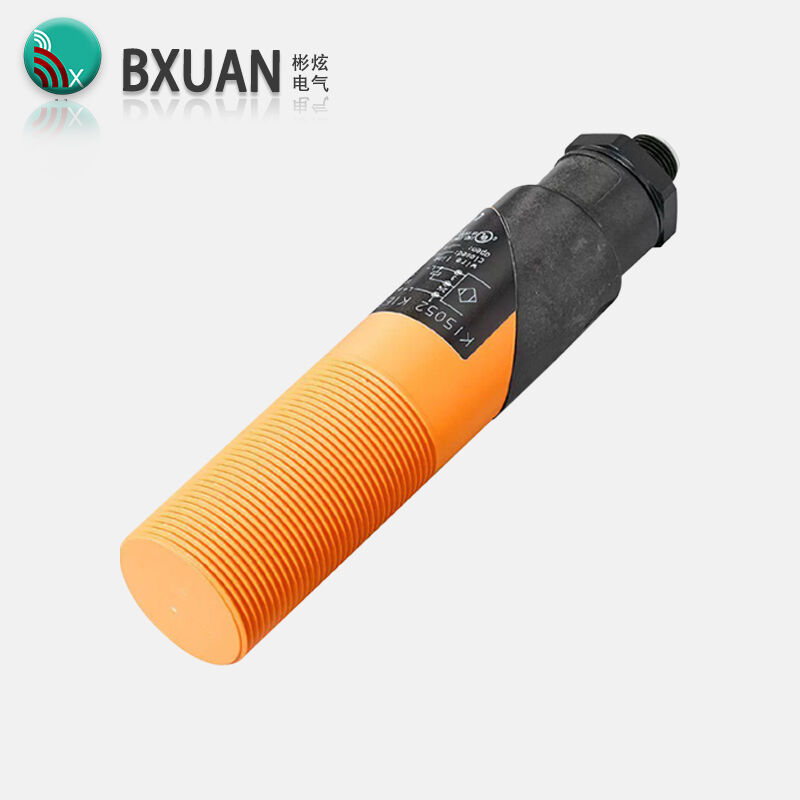
Selecting the optimal level sensor for industrial applications requires careful evaluation of multiple technical and operational factors that directly impact measurement accuracy, system reliability, and operational costs. Industrial facilities across manufacturing, chemical processing, water treatment, and oil and gas sectors depend on precise level measurement to maintain process control, ensure safety compliance, and optimize production efficiency.
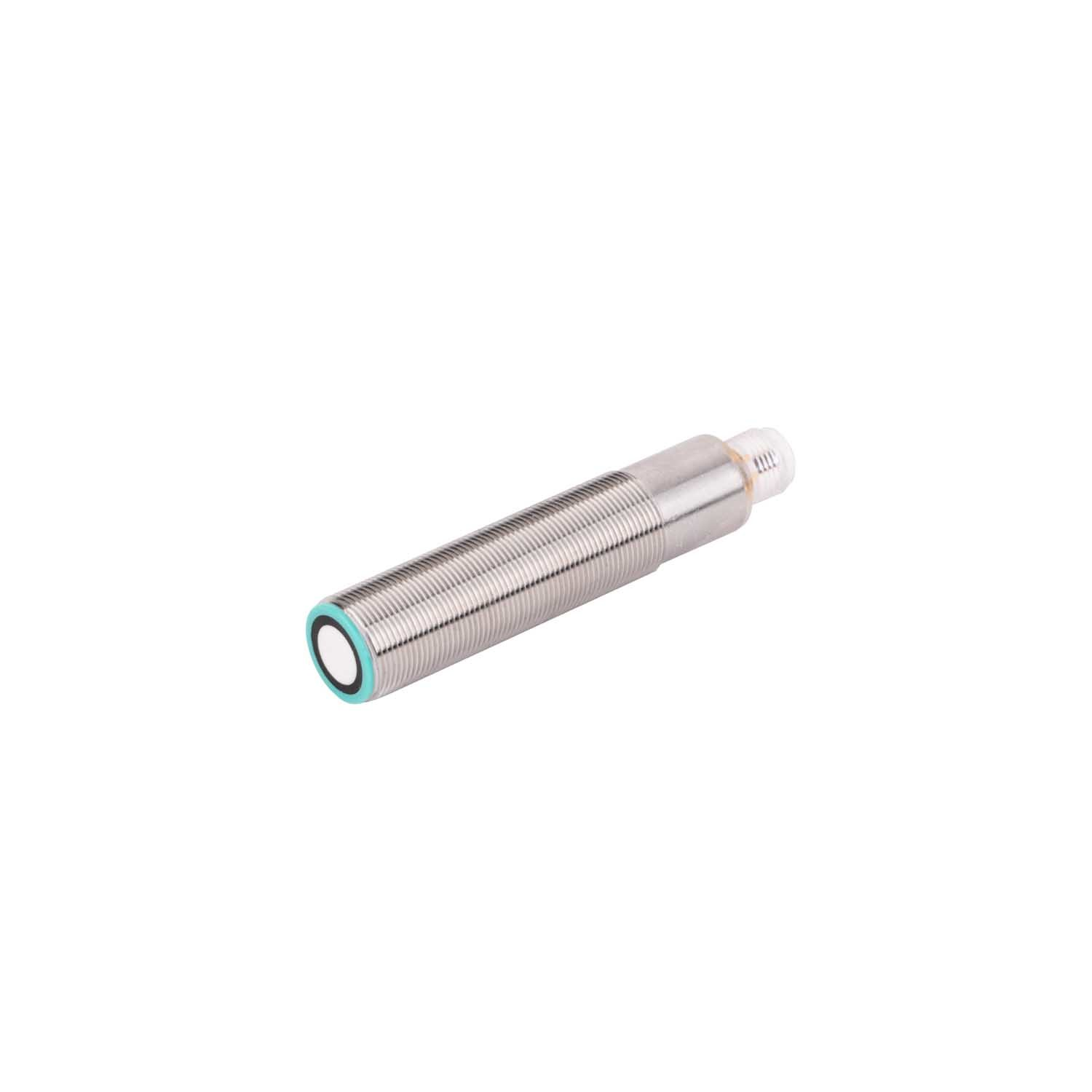
The complexity of modern industrial processes demands that engineers understand the specific characteristics of different level sensor technologies, environmental constraints, and integration requirements before making selection decisions. A poorly chosen level sensor can lead to measurement errors, frequent maintenance issues, process disruptions, and safety hazards that far exceed the initial cost savings of selecting a less suitable device.
Understanding Level Sensor Technology Categories
Contact-Based Level Sensor Technologies
Contact-based level sensor systems require physical interaction with the measured media to determine liquid or solid material levels. Float switches represent the most basic contact technology, utilizing magnetic coupling between a floating element and reed switch assembly to provide discrete level indication. These sensors work effectively in clean liquids with stable density characteristics but struggle with viscous materials or applications requiring continuous level measurement.
Capacitive level sensor designs measure the dielectric constant changes between sensor electrodes as material levels vary. This technology handles both conductive and non-conductive liquids, making it suitable for diverse chemical processing applications. However, capacitive sensors require careful calibration for different media types and can experience drift due to temperature variations or material coating on sensor surfaces.
Hydrostatic pressure sensors calculate liquid levels based on the pressure differential between the tank bottom and atmospheric pressure. These sensors provide excellent accuracy for clean, stable-density liquids but require compensation for temperature-induced density changes and careful installation to avoid measurement errors from tank vibration or pressure fluctuations.
Non-Contact Level Sensor Technologies
Ultrasonic level sensor technology uses acoustic waves to measure the time-of-flight between the sensor and material surface. These sensors excel in applications involving corrosive chemicals, high temperatures, or abrasive materials where contact sensors would suffer premature failure. Ultrasonic sensors require consideration of vapor effects, foam presence, and acoustic interference from nearby equipment.
Radar level sensor systems employ electromagnetic waves to penetrate vapor layers and provide accurate measurements regardless of temperature, pressure, or vapor density changes. Guided wave radar sensors use a probe to focus energy transmission, offering superior accuracy in narrow tanks or applications with internal obstructions. Free-space radar sensors work effectively in large tanks but require careful antenna selection and mounting considerations.
Laser level sensor technology provides extremely high accuracy through optical distance measurement but requires clean atmospheric conditions and reflective target surfaces. These sensors work well in clean storage applications but struggle with dusty environments, vapor condensation, or highly absorptive materials that scatter laser energy.
Analyzing Application-Specific Requirements
Material Property Considerations
The chemical and physical properties of measured materials significantly influence level sensor selection decisions. Corrosive chemicals require sensors with appropriate wetted material compatibility, such as PTFE-coated probes for hydrofluoric acid applications or Hastelloy construction for strong oxidizing agents. Material density variations affect hydrostatic pressure sensor accuracy and may require temperature compensation or density correction algorithms.
Viscosity impacts sensor performance differently across technologies. High-viscosity materials can coat capacitive sensor electrodes, reducing sensitivity and requiring frequent cleaning cycles. Viscous materials also affect float switch operation by impeding float movement or creating uneven surface levels that complicate ultrasonic level sensor measurements.
Dielectric constant variations influence capacitive level sensor calibration requirements and measurement stability. Materials with changing dielectric properties due to temperature, composition, or contamination levels require sensors with adaptive calibration capabilities or alternative technologies less sensitive to dielectric changes.
Environmental and Installation Constraints
Operating temperature ranges determine sensor material selection and electronic component specifications. High-temperature applications above 200°C typically require ceramic or metal sensor elements with remote electronics mounting to prevent component damage. Cryogenic applications below -40°C need sensors designed for thermal shock resistance and low-temperature material compatibility.
Pressure vessel applications require level sensor designs rated for operating pressure plus safety margin. High-pressure installations often favor non-contact technologies to eliminate pressure seal maintenance requirements. Tank geometry influences sensor mounting options and measurement range capabilities, with tall, narrow tanks favoring guided wave radar or ultrasonic technologies.
Explosive atmosphere classifications mandate intrinsically safe sensor designs with appropriate certification for the specific hazardous location classification. Zone classification, gas group, and temperature class requirements directly impact available level sensor options and installation practices.
Evaluating Performance and Accuracy Requirements
Measurement Range and Resolution Specifications
Industrial applications require level sensor measurement ranges matched to tank dimensions with appropriate resolution for process control requirements. Tank level monitoring for inventory management may accept resolution of several centimeters, while batch process control might require millimeter-level accuracy for precise volume calculations.
Dynamic range requirements influence sensor technology selection, with some applications needing measurement from near-empty to completely full tank conditions. Dead zones near sensor mounting locations can eliminate measurement capability in critical tank regions, making guided wave radar or hydrostatic pressure sensors preferable for maximum range utilization.
Response time specifications determine sensor update rates and control system integration requirements. Fast-changing processes require level sensor technologies with rapid measurement updates, while storage applications can accept slower update rates in exchange for improved measurement stability and reduced power consumption.
Calibration and Maintenance Considerations
Calibration complexity varies significantly between level sensor technologies, affecting installation time and ongoing maintenance requirements. Some sensors require multi-point calibration with known reference levels, while others use factory calibration with simple span adjustments during installation.
Maintenance accessibility influences long-term operational costs and system availability. Contact sensors in aggressive media may require frequent inspection and replacement, while non-contact technologies typically need only periodic cleaning and calibration verification. Sensor designs with diagnostic capabilities provide early warning of performance degradation before measurement accuracy suffers.
Drift characteristics affect calibration frequency requirements and measurement uncertainty over time. Temperature-compensated sensors maintain accuracy across wider operating ranges, reducing recalibration needs and improving measurement consistency throughout process variations.
Integration and Communication Requirements
Signal Output and Communication Protocols
Modern industrial control systems require level sensor integration through standardized communication protocols such as 4-20 mA analog signals, HART protocol for digital communication overlay, or fieldbus networks like Foundation Fieldbus or Profibus. Protocol selection affects sensor configuration capabilities, diagnostic information availability, and integration complexity with existing control infrastructure.
Digital communication enables advanced sensor features including self-diagnostics, remote configuration, and multiple measurement parameter transmission. These capabilities reduce commissioning time and provide operational benefits through predictive maintenance alerts and performance trending data that analog signals cannot support.
Power supply requirements vary between sensor technologies and communication methods, with loop-powered sensors offering installation simplicity in locations without local power availability. Bus-powered sensors reduce wiring costs in multi-sensor installations but require careful power budget calculations to ensure reliable operation.
Control System Integration Factors
Level sensor data integration with distributed control systems requires consideration of signal conditioning, scaling, and alarm logic implementation. Some sensors provide linearization and engineering unit conversion internally, simplifying control system configuration and reducing commissioning time.
Redundancy requirements for critical applications may mandate multiple level sensor installation with voting logic or sensor failure detection algorithms. Sensor technology diversity can improve system reliability by reducing common-mode failure risks while providing measurement validation through independent measurement principles.
Safety system integration requires level sensor designs meeting appropriate safety integrity level requirements for emergency shutdown or alarm functions. Functional safety certification adds complexity but ensures reliable operation in safety-critical applications where level measurement failure could result in hazardous conditions.
Cost Analysis and Selection Optimization
Total Cost of Ownership Evaluation
Initial sensor purchase price represents only a fraction of total ownership costs when considering installation, commissioning, maintenance, and replacement expenses over typical industrial equipment lifecycles. High-accuracy sensors with robust construction often provide better long-term value despite higher initial costs through reduced maintenance requirements and longer service life.
Installation complexity affects project costs through engineering time, mounting hardware requirements, and commissioning duration. Non-contact level sensor technologies typically require less complex installation but may need specialized mounting considerations for optimal performance. Contact sensors often require tank penetrations and associated sealing systems that increase installation complexity.
Operational costs include power consumption, calibration frequency, spare parts availability, and maintenance labor requirements. Sensor technologies with self-diagnostic capabilities reduce maintenance costs through condition-based maintenance strategies rather than time-based replacement schedules.
Performance Risk Assessment
Selection decisions must balance performance requirements against potential failure modes and their consequences. Critical applications justify premium sensor technologies with proven reliability records, while less critical measurements may accept lower-cost solutions with appropriate redundancy or backup measurement methods.
Supplier evaluation includes technical support availability, training programs, and local service capabilities that affect successful sensor implementation and long-term performance. Established suppliers with comprehensive documentation and application support reduce project risks and improve troubleshooting efficiency when issues arise.
Technology maturity considerations help avoid premature adoption of unproven level sensor designs while ensuring compatibility with future system upgrades and expansion plans. Standardizing on proven technologies with broad industry acceptance facilitates spare parts management and maintenance technician training.
FAQ
What factors determine the accuracy requirements for industrial level sensor applications?
Accuracy requirements depend on the specific industrial process needs, including inventory management precision, safety margin calculations, and process control objectives. Critical applications like custody transfer or safety systems typically require accuracy within 0.1% to 0.5% of full scale, while general tank monitoring may accept 1-2% accuracy. Consider the consequences of measurement errors on product quality, safety, and operational efficiency when establishing accuracy specifications.
How do environmental conditions affect level sensor technology selection?
Environmental factors including temperature extremes, pressure variations, humidity, dust, and explosive atmosphere classifications significantly limit suitable level sensor technologies. High temperatures may eliminate polymer-based sensors, while corrosive environments require specialized materials like ceramic or exotic alloys. Explosive environments mandate intrinsically safe designs with appropriate certifications. Evaluate all environmental conditions simultaneously rather than individually to identify compatible sensor options.
What maintenance considerations should influence level sensor selection decisions?
Maintenance requirements vary dramatically between level sensor technologies, affecting long-term operational costs and system availability. Contact sensors in aggressive media typically require periodic cleaning, inspection, or replacement of wetted components. Non-contact sensors generally need less frequent maintenance but may require cleaning of sensor faces or antenna elements. Consider accessibility for maintenance activities, spare parts availability, and required maintenance skill levels when evaluating sensor options.
How important is communication protocol compatibility in level sensor selection?
Communication protocol compatibility determines integration complexity, available diagnostic features, and future upgrade capabilities. Modern industrial facilities benefit from digital communication protocols that provide remote configuration, self-diagnostics, and multiple parameter transmission capabilities. However, existing control system infrastructure may limit protocol options. Evaluate both current integration requirements and potential future system upgrades when selecting level sensor communication features to ensure long-term compatibility and optimal functionality.
Table of Contents
- Understanding Level Sensor Technology Categories
- Analyzing Application-Specific Requirements
- Evaluating Performance and Accuracy Requirements
- Integration and Communication Requirements
- Cost Analysis and Selection Optimization
-
FAQ
- What factors determine the accuracy requirements for industrial level sensor applications?
- How do environmental conditions affect level sensor technology selection?
- What maintenance considerations should influence level sensor selection decisions?
- How important is communication protocol compatibility in level sensor selection?