 EN
EN

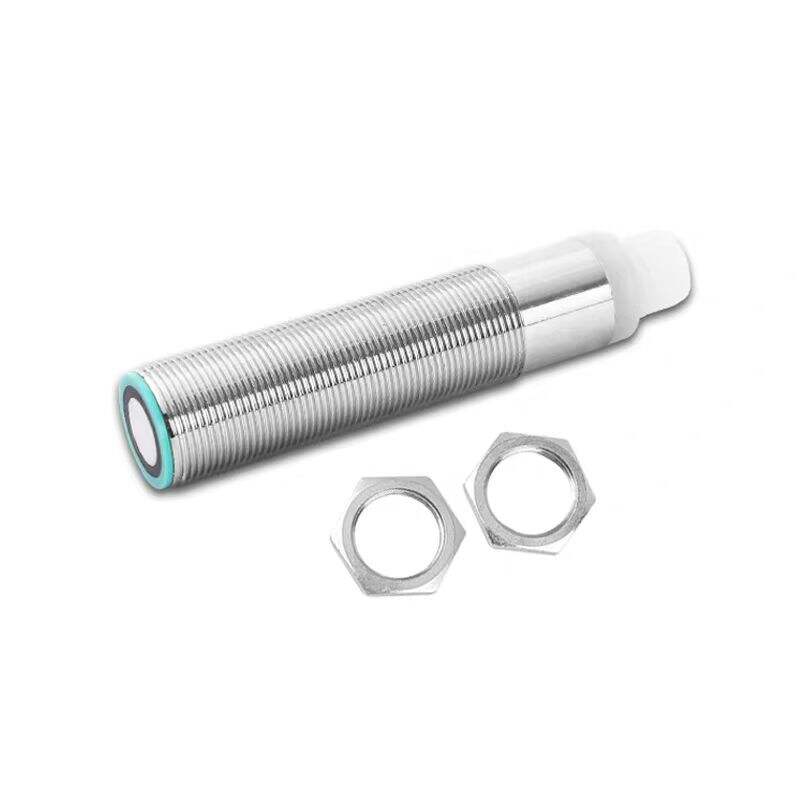
Distance measurement accuracy has become a critical factor in industrial automation, robotics, and precision manufacturing applications. Traditional measurement methods often struggle with environmental interference, human error, and mechanical wear, leading to inconsistent results that can compromise product quality and operational efficiency. The integration of modern distance sensor technology addresses these fundamental challenges by providing real-time, non-contact measurement capabilities that significantly enhance precision across diverse industrial environments.
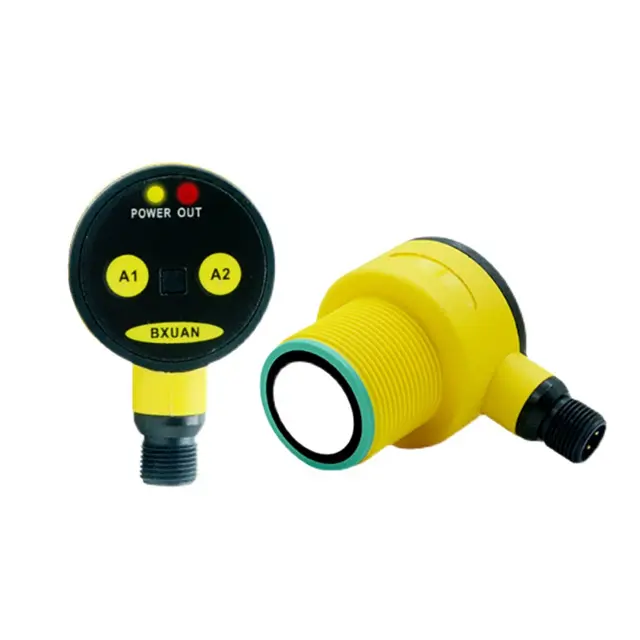
Understanding how a distance sensor improves measurement accuracy requires examining the fundamental principles that make these devices superior to conventional measurement techniques. A distance sensor eliminates many variables that introduce measurement errors in traditional systems, including mechanical backlash, thermal expansion, and operator-dependent factors. By utilizing advanced sensing technologies such as ultrasonic waves, laser beams, or infrared signals, these sensors deliver consistent, repeatable measurements that form the foundation for improved overall system accuracy.
Elimination of Mechanical Measurement Errors
Removing Physical Contact Variables
One of the primary ways a distance sensor improves measurement accuracy is by eliminating the need for physical contact between the measuring device and the target object. Traditional contact-based measurement tools, such as mechanical calipers or rulers, introduce several sources of error including probe deflection, surface deformation, and measurement force variations. A distance sensor operates through non-contact principles, completely removing these mechanical variables from the measurement equation.
The non-contact nature of distance sensor technology also prevents wear and tear on both the sensor and the measured object. Mechanical measuring devices gradually lose accuracy as their contact surfaces wear down through repeated use. This degradation is particularly problematic in high-volume manufacturing environments where thousands of measurements occur daily. By maintaining a consistent sensing distance without physical interaction, a distance sensor preserves its calibrated accuracy over extended operational periods.
Furthermore, non-contact measurement eliminates the risk of scratching, marking, or otherwise damaging sensitive surfaces during the measurement process. This capability is especially valuable when measuring finished products, polished surfaces, or delicate materials where any contact could affect product quality or appearance.
Consistent Measurement Force Application
Traditional contact measurement methods suffer from inconsistent force application, where different operators or even the same operator can apply varying pressure during measurements. This variability directly affects measurement results, particularly when measuring compressible materials or objects with flexible surfaces. A distance sensor eliminates this source of error by maintaining a constant sensing methodology regardless of the operator or environmental conditions.
The consistent operation of a distance sensor also means that measurements remain unaffected by operator fatigue, skill level, or technique variations. Human factors that typically introduce measurement uncertainty are completely removed from the process, resulting in more reliable and repeatable measurement data. This consistency is particularly important in quality control applications where measurement precision directly impacts product acceptance or rejection decisions.
Environmental Stability and Compensation
Temperature Compensation Mechanisms
Advanced distance sensor designs incorporate sophisticated temperature compensation algorithms that automatically adjust measurement calculations based on ambient conditions. Temperature fluctuations can significantly affect measurement accuracy in traditional systems through thermal expansion of mechanical components or changes in material properties. A modern distance sensor continuously monitors environmental temperature and applies real-time corrections to maintain measurement accuracy across varying thermal conditions.
Temperature compensation in distance sensor technology extends beyond simple linear adjustments. Advanced sensors utilize multi-point calibration data and complex mathematical models to account for non-linear temperature effects on both the sensor components and the measurement medium. This comprehensive approach ensures that measurement accuracy remains stable even in challenging industrial environments where temperature variations are significant and unpredictable.
The integration of temperature sensing elements directly within the distance sensor housing provides immediate thermal feedback without additional external instrumentation. This built-in capability simplifies system integration while ensuring that temperature compensation occurs in real-time without measurement delays or system complexity.
Humidity and Atmospheric Pressure Correction
Environmental factors such as humidity and atmospheric pressure can affect the propagation characteristics of sensing signals used in distance measurement. A sophisticated distance sensor incorporates compensation algorithms that account for these atmospheric variables, ensuring consistent measurement accuracy regardless of environmental conditions. This capability is particularly important in outdoor applications or industrial environments where atmospheric conditions vary significantly.
Humidity compensation becomes especially critical in ultrasonic distance sensor applications, where sound wave propagation speeds change with moisture content in the air. Advanced sensors continuously calculate and apply correction factors based on real-time atmospheric measurements, maintaining measurement accuracy within specified tolerances even as environmental conditions fluctuate throughout operational periods.
Signal Processing and Noise Reduction
Advanced Filtering Algorithms
Modern distance sensor technology employs sophisticated digital signal processing techniques that significantly improve measurement accuracy by reducing noise and filtering unwanted signals. These advanced algorithms can distinguish between valid measurement signals and environmental interference, ensuring that only reliable data contributes to the final measurement result. Multiple measurement samples are processed simultaneously, with statistical analysis identifying and rejecting outlier readings that could compromise accuracy.
The signal processing capabilities of a distance sensor extend to adaptive filtering mechanisms that automatically adjust to changing environmental conditions. These systems can identify patterns in signal interference and dynamically modify filtering parameters to maintain optimal measurement performance. This adaptive approach ensures that measurement accuracy remains consistent even in environments with varying levels of electrical noise, vibration, or other interference sources.
Real-time signal processing also enables distance sensor systems to provide immediate feedback about measurement quality and reliability. Advanced sensors can generate confidence indicators that inform operators when environmental conditions may be affecting measurement accuracy, allowing for appropriate corrective actions or measurement validation procedures.
Multi-Echo Analysis and Validation
Sophisticated distance sensor designs utilize multi-echo analysis techniques that capture and analyze multiple signal reflections from the target surface. This approach provides redundant measurement data that can be cross-validated to ensure accuracy and identify potential measurement errors. By comparing multiple signal paths and reflection characteristics, the sensor can automatically select the most reliable measurement data while rejecting false readings caused by signal interference or surface irregularities.
Multi-echo validation also enables distance sensor technology to function accurately on challenging surface types that might cause measurement errors in simpler systems. Surfaces with irregular textures, partial transparency, or complex geometries can generate multiple reflection patterns that require sophisticated analysis to extract accurate distance information. Advanced processing algorithms can interpret these complex signal patterns and derive precise measurement data even from difficult target surfaces.
Calibration Stability and Long-Term Accuracy
Self-Calibration Capabilities
Modern distance sensor designs incorporate self-calibration features that automatically maintain measurement accuracy over extended operational periods without manual intervention. These systems continuously monitor internal reference standards and apply automatic adjustments to compensate for component aging, thermal drift, and other factors that could affect long-term accuracy. Self-calibration capabilities ensure that a distance sensor maintains its specified accuracy throughout its operational lifetime.
The self-calibration process typically involves periodic comparison of sensor readings against internal reference distances or integrated calibration targets. Any detected deviations from expected values trigger automatic adjustment procedures that restore proper calibration without interrupting normal operation. This continuous calibration maintenance eliminates the need for scheduled downtime and manual recalibration procedures that are required with traditional measurement systems.
Advanced distance sensor technology also includes diagnostic capabilities that monitor calibration stability and alert operators when manual calibration verification may be necessary. These diagnostic systems provide early warning of potential accuracy degradation, enabling proactive maintenance that prevents measurement quality issues before they affect production processes.
Digital Calibration Storage and Retrieval
Digital calibration data storage allows distance sensor systems to maintain precise calibration information in non-volatile memory that remains stable over extended periods. Unlike mechanical measurement devices that can lose calibration due to physical changes or handling, digital calibration data remains unchanged unless deliberately modified through proper calibration procedures. This stability ensures that measurement accuracy is preserved even after power cycling, system resets, or temporary disconnection.
The digital storage of calibration parameters also enables distance sensor systems to support multiple calibration profiles for different measurement scenarios or environmental conditions. Operators can quickly switch between calibration settings optimized for specific applications without performing complete recalibration procedures. This flexibility allows a single distance sensor to maintain optimal accuracy across diverse measurement requirements while minimizing setup time and complexity.
Real-Time Error Detection and Correction
Continuous Measurement Validation
Advanced distance sensor technology incorporates real-time measurement validation algorithms that continuously assess the quality and reliability of measurement data. These systems monitor various signal characteristics and environmental parameters to identify conditions that might compromise measurement accuracy. When potential error conditions are detected, the sensor can automatically initiate corrective actions or alert operators to take appropriate measures.
Continuous validation extends to statistical analysis of measurement trends and patterns that might indicate gradual accuracy degradation or systematic errors. A sophisticated distance sensor can identify subtle changes in measurement behavior that might not be apparent in individual readings but could indicate developing issues that require attention. This predictive capability enables proactive maintenance and prevents accuracy problems before they affect measurement quality.
The validation process also includes cross-referencing measurement results with expected ranges and historical data to identify readings that fall outside normal parameters. When anomalous measurements are detected, the system can automatically request additional measurements or implement alternative measurement strategies to ensure data reliability.
Adaptive Measurement Strategies
Modern distance sensor systems can automatically adapt their measurement strategies based on real-time assessment of environmental conditions and target characteristics. This adaptive capability allows the sensor to optimize its operation for maximum accuracy under varying conditions without manual intervention. Different measurement algorithms or signal processing techniques can be automatically selected based on detected surface properties, ambient noise levels, or other environmental factors.
Adaptive measurement strategies also include dynamic adjustment of measurement timing, signal strength, and processing parameters to maintain optimal accuracy as conditions change. A distance sensor can automatically increase measurement averaging time in noisy environments or adjust signal parameters when measuring challenging surface types. These automatic optimizations ensure that measurement accuracy remains consistent regardless of application variables.
FAQ
What factors can affect the accuracy of a distance sensor?
Distance sensor accuracy can be influenced by environmental factors such as temperature, humidity, and atmospheric pressure, as well as target surface characteristics like reflectivity, texture, and angle. Advanced sensors incorporate compensation mechanisms for these variables, but understanding these factors helps optimize sensor selection and installation for maximum accuracy in specific applications.
How often should a distance sensor be calibrated to maintain accuracy?
Modern distance sensors with self-calibration capabilities typically maintain accuracy for extended periods without manual intervention, often requiring formal calibration verification only annually or when specified accuracy requirements change. However, critical applications may benefit from more frequent calibration checks, and environmental conditions or usage patterns may influence optimal calibration intervals.
Can a distance sensor maintain accuracy when measuring moving objects?
High-speed distance sensors can accurately measure moving objects by utilizing fast signal processing and appropriate measurement timing. The key factors include sensor response time, measurement frequency, and target velocity. Advanced sensors can track moving objects and compensate for motion-related measurement effects to maintain accuracy even in dynamic measurement scenarios.
What is the typical accuracy improvement compared to manual measurement methods?
Distance sensors typically provide accuracy improvements of 10 to 100 times better than manual measurement methods, depending on the specific application and environmental conditions. While manual measurements might achieve accuracies in the millimeter range under ideal conditions, advanced distance sensors can consistently deliver sub-millimeter or even micrometer-level accuracy with superior repeatability and reliability.