 EN
EN

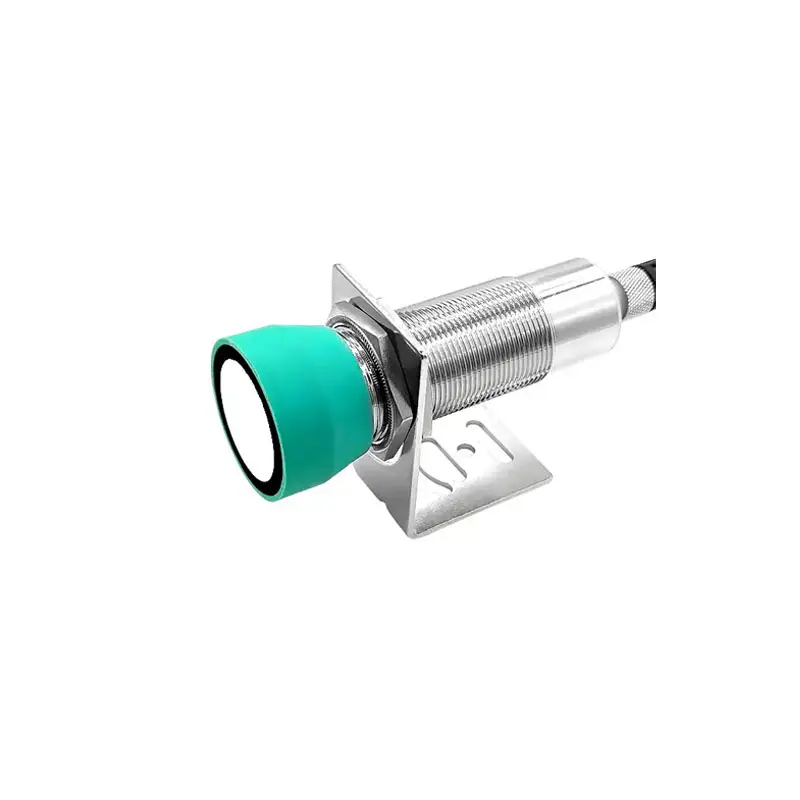
In modern robotic systems, sensing accuracy and response speed are not optional — they are fundamental. A proximity switch plays a central role in enabling robots to detect objects, measure positions, and trigger actions without physical contact. As robotics technology advances across manufacturing, logistics, and assembly, the proximity switch has become one of the most relied-upon components in the entire control architecture.
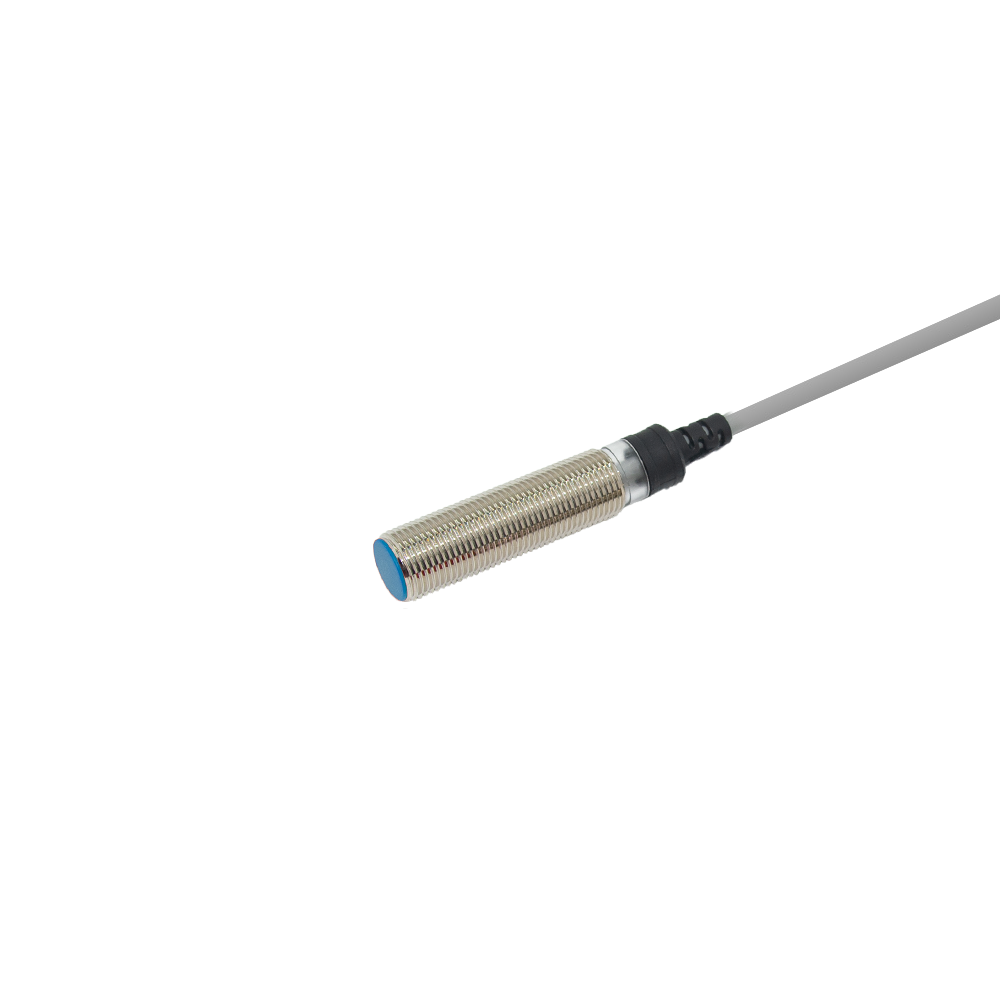
The benefits of using a proximity switch in robotics extend well beyond simple object detection. From protecting mechanical components to enabling precise motion control, the proximity switch offers a combination of reliability, speed, and durability that few other sensing technologies can match. Understanding these benefits helps engineers and system designers make smarter decisions when specifying sensors for robotic applications.
Precision and Speed in Robotic Detection
Non-Contact Detection for High-Cycle Environments
One of the most significant advantages of a proximity switch in robotics is its ability to detect targets without physical contact. In high-cycle robotic arms and automated assembly lines, mechanical contact sensors wear out rapidly. The proximity switch eliminates this problem by using electromagnetic fields or infrared signals to detect the presence of a target. This non-contact sensing approach allows a proximity switch to operate reliably across millions of detection cycles without degradation.
The fast switching speed of a proximity switch is equally critical in robotic systems. Robots operating at high speeds require detection signals within milliseconds to maintain precise timing. A proximity switch can respond in microseconds, ensuring that robotic actuators receive accurate feedback in real time. This speed advantage directly supports tighter positioning tolerances and smoother motion sequences throughout the robotic workflow.
Consistent Accuracy Across Repetitive Tasks
Robotic systems are built around repeatability, and the proximity switch supports this requirement directly. Each time a robotic arm reaches a target position, the proximity switch delivers a consistent signal regardless of ambient light, surface texture, or minor vibration. This consistency is especially important in pick-and-place robots, welding robots, and CNC loading systems where even small sensing errors can cause downstream quality problems. A proximity switch maintains its detection accuracy throughout the operational life of the robot.
Durability and Environmental Resistance
Built for Harsh Industrial Conditions
Robots in industrial environments face dust, coolant mist, metal chips, and temperature extremes. A proximity switch is specifically engineered to withstand these conditions. Most inductive proximity switch models feature IP67 or IP68-rated enclosures that block water and particulate ingress. The solid-state design of the proximity switch contains no moving parts, which means it resists shock and vibration far better than mechanical limit switches or reed contacts.
In automotive welding lines, for example, a proximity switch must operate correctly near high-energy sparks, magnetic interference, and cleaning chemicals. The rugged construction of an inductive proximity switch makes it suitable for these demanding environments without requiring frequent replacement or recalibration. This durability translates directly into lower maintenance costs and higher uptime for the robotic system.
Long Service Life Reduces Downtime
Downtime in robotic production lines carries significant costs. Every hour of unexpected stoppage impacts throughput and delivery schedules. Because a proximity switch operates without mechanical wear, its service life often exceeds tens of millions of switching operations. Engineers can install a proximity switch with confidence that it will not become the weak point in an otherwise robust robotic cell. This long service life is a direct economic benefit that supports the business case for choosing a proximity switch over contact-based alternatives.
Integration and Functional Benefits in Robotic Systems
Seamless Integration with Robot Controllers
Modern robotic controllers require sensors that communicate quickly and reliably through standard electrical interfaces. The proximity switch is fully compatible with PLC inputs, robot I/O modules, and fieldbus systems. Most proximity switch models output a clean digital signal — either NPN or PNP — that integrates directly into robot control programs without requiring signal conditioning hardware. This compatibility makes the proximity switch easy to deploy across a wide range of robot brands and control platforms.
In collaborative robot setups, a proximity switch can serve as a zone detection device that triggers speed reduction or emergency stop sequences when a person enters a defined area. This safety application demonstrates that the proximity switch contributes not only to productivity but also to workplace safety. System integrators value the proximity switch for its ability to fulfill multiple functional roles within one compact device.
Position Sensing and End-of-Stroke Detection
One of the most common robotic applications for a proximity switch is end-of-stroke detection on linear actuators and rotary joints. By placing a proximity switch at each travel limit, the control system receives confirmation that a joint has reached its programmed position. This feedback enables closed-loop control strategies that improve the overall accuracy of the robot. Without the proximity switch providing this position feedback, robots would rely entirely on stepper counts or encoders, which are vulnerable to slip and cumulative error.
Grippers on robotic arms also use a proximity switch to confirm part presence before a transfer operation begins. If a part is not correctly seated, the proximity switch signals the controller to halt the cycle, preventing damaged tooling or misplaced components. This kind of conditional logic, powered by the proximity switch, protects both the robot and the workpiece throughout automated operations.
FAQ
What type of proximity switch is most commonly used in robotics?
The inductive proximity switch is the most widely used type in robotic applications because it reliably detects metallic targets — which are common in robotic tooling and mechanical assemblies — without contact. It offers fast response, compact size, and strong resistance to industrial environments, making it the standard choice for most robotic sensing tasks.
Can a proximity switch be used for safety functions in robots?
Yes, a proximity switch is frequently used in safety-related robotic functions. It can detect human presence in restricted zones, confirm guard door closure, or validate that a mechanical stop has been reached before motion resumes. However, safety-critical applications may require a proximity switch that meets specific functional safety standards such as IEC 60947-5-3 to ensure adequate reliability levels.
How does a proximity switch improve robot cycle time?
A proximity switch improves cycle time by delivering extremely fast, reliable detection signals that allow the robot controller to immediately trigger the next motion step without waiting for mechanical confirmation. Because the proximity switch responds in microseconds and produces no signal bounce, the controller can act on sensor data with minimal delay, supporting tighter timing sequences and faster overall throughput in robotic production cells.