 EN
EN

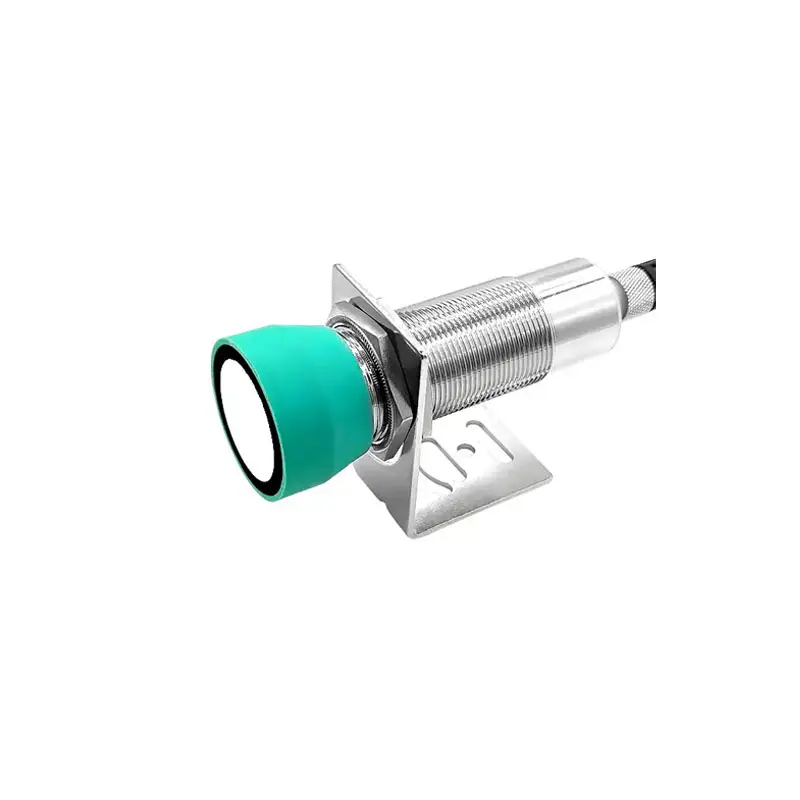
In modern industrial environments, measurement precision is not optional — it is a fundamental requirement. The proximity switche has become one of the most relied-upon sensing components in automated machinery, valued for its ability to detect objects without physical contact. As production lines grow faster and tolerances become tighter, the question of whether a proximity switche can truly ensure accuracy in real-world conditions deserves a detailed and honest answer.
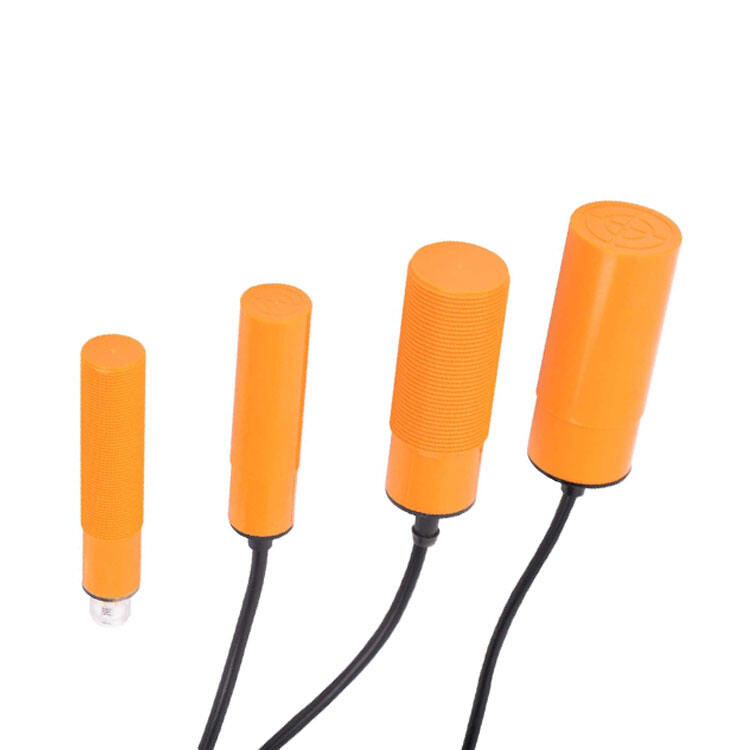
A proximity switche operates by generating an electromagnetic or electrostatic field and detecting changes caused by nearby objects. Because the proximity switche requires no physical touch to function, it eliminates the mechanical wear that typically degrades sensor performance over time. This contact-free design is one reason why the proximity switche is trusted across packaging, automotive, food processing, and precision engineering industries where consistent detection is critical.
How a Proximity Switche Achieves Detection Accuracy
The Role of Sensing Technology
The accuracy of any proximity switche depends heavily on the underlying detection technology. An inductive proximity switche uses alternating electromagnetic fields to detect metallic targets, while a capacitive proximity switche responds to changes in dielectric properties, making it suitable for detecting liquids, powders, and non-metallic materials. Each proximity switche type is engineered to perform within a defined sensing range, and staying within that range is essential for maintaining reliable output signals.
The repeatability of a proximity switche — its ability to produce the same output under the same conditions — is a strong indicator of accuracy. High-quality proximity switche units are built with tight tolerances in their oscillator circuits and output stages, reducing signal jitter and ensuring that the switching point remains consistent across thousands of detection cycles. This consistency is what makes the proximity switche a cornerstone technology in closed-loop control systems.
Influence of Environmental Conditions
Environmental factors can affect how accurately a proximity switche performs. Temperature fluctuations, electromagnetic interference, vibration, and the presence of moisture or dust all create variables that interact with proximity switche output. Industrial-grade proximity switche models are designed with housings and shielding that minimize these effects, but selecting the right proximity switche for the specific operating environment remains a key responsibility for engineers and system designers.
A properly rated proximity switche installed within its recommended temperature range and protected from extreme interference will maintain its sensing accuracy throughout its service life. Understanding the rated sensing distance and hysteresis of the chosen proximity switche allows engineers to design systems that stay well within the reliable operating zone of the device.
Proximity Switche Performance in Modern Machinery
Integration with Automated Control Systems
Modern automated machinery demands sensors that respond quickly and consistently. A proximity switche meets this demand by providing a digital on/off output that integrates directly with programmable logic controllers and motion control systems. Because the proximity switche generates a clean switching signal without analog noise, control systems can act on its output with minimal processing delay, contributing to tighter positional control and fewer false triggers.
In assembly lines where component positioning must be verified hundreds of times per minute, the proximity switche serves as the primary feedback element that confirms part presence or absence. The fast response time of a well-specified proximity switche — often measured in milliseconds — ensures that the machinery can react at production speed without sacrificing positional accuracy. When a proximity switche is paired with a robust mounting bracket and aligned correctly, its contribution to overall machine accuracy is significant and measurable.
Capacitive Proximity Switche for Non-Metal Applications
The proximity switche built on capacitive sensing technology extends accuracy-focused detection beyond metallic objects. A capacitive proximity switche can reliably detect fill levels in tanks, identify plastic components on a conveyor, or confirm the presence of granular materials inside sealed packaging. This versatility makes the capacitive proximity switche valuable in industries where inductive technology would be blind to the target material.
The accuracy of a capacitive proximity switche is partly determined by the dielectric constant of the target material. Calibrating the sensitivity of the proximity switche for the specific material ensures that false positives and missed detections are avoided. Modern capacitive proximity switche models include adjustable sensitivity controls that allow on-site fine-tuning, giving engineers direct influence over the detection threshold without replacing hardware.
Factors That Maximize Proximity Switche Accuracy
Proper Mounting and Alignment
Even the most precise proximity switche will underperform if it is mounted incorrectly. Axial alignment, consistent gap distance, and freedom from mechanical vibration all contribute to the real-world accuracy of a proximity switche installation. Engineers should follow manufacturer guidelines for flush versus non-flush mounting, as the shielded or unshielded design of each proximity switche affects how the sensing field projects and interacts with surrounding metal surfaces.
When multiple proximity switche units are installed in close proximity, mutual interference between adjacent sensors can reduce accuracy. Maintaining the recommended center-to-center spacing between each proximity switche prevents field overlap and ensures that each device operates independently and correctly. Documenting these spacing requirements during the design phase reduces costly troubleshooting after commissioning.
Routine Validation and Maintenance
A proximity switche is generally considered a low-maintenance component due to its solid-state design. However, periodic validation remains important in precision applications. Checking the output signal of each proximity switche against a known reference target, inspecting the housing for contamination, and confirming that cable connections remain secure are straightforward steps that preserve the accuracy of the proximity switche over time. In safety-critical machinery, a scheduled proximity switche verification routine is often required as part of the operational safety standard.
FAQ
What is the typical sensing range of a proximity switche?
The sensing range of a proximity switche varies by type and size. A standard inductive proximity switche may have a rated sensing distance between 1 mm and 40 mm, while a capacitive proximity switche can reach up to 60 mm depending on the target material. Always match the proximity switche sensing range to the specific application requirement for best accuracy.
Can a proximity switche detect all types of materials?
Not all proximity switche types detect all materials. An inductive proximity switche is limited to metallic targets, while a capacitive proximity switche can detect metals, plastics, liquids, and granular solids. Choosing the correct proximity switche technology for the target material is essential to achieving reliable and accurate detection results.
How does temperature affect proximity switche accuracy?
Temperature changes can shift the sensing distance of a proximity switche slightly, which is why manufacturers specify an operating temperature range. A proximity switche used within its rated temperature range will maintain stable accuracy. Extreme heat or cold beyond the specification of the proximity switche may cause drift in the switching point, so thermal management of the installation environment should be considered.