 EN
EN

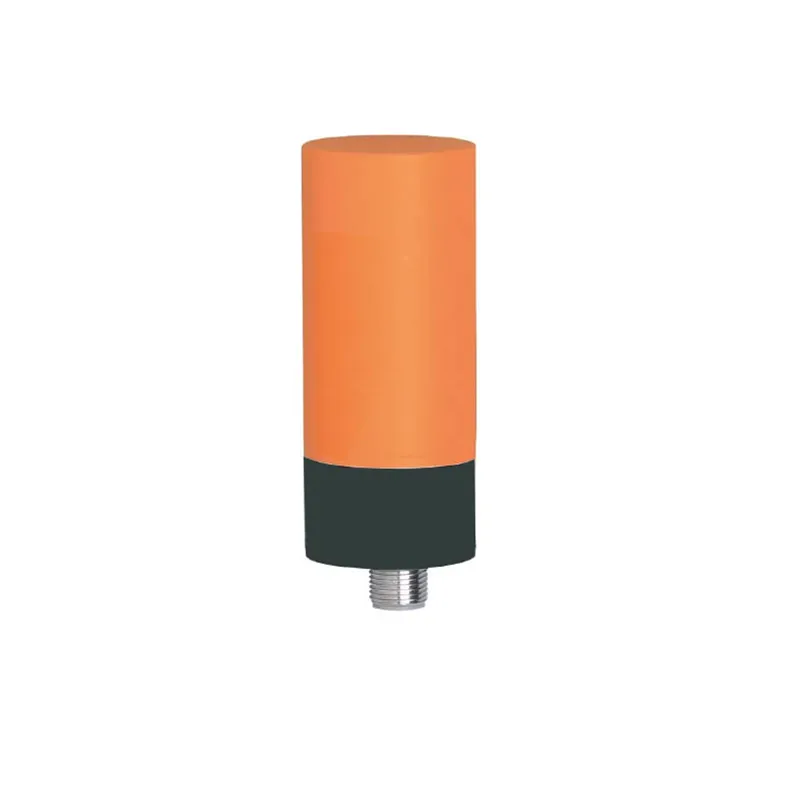
Manufacturing environments are inherently complex, with fast-moving machinery, high-voltage equipment, and human operators working in close proximity. In this context, the question of whether a photoelectric sensor switch can enhance manufacturing safety is not merely theoretical — it is a practical concern that directly affects operational outcomes, worker protection, and regulatory compliance. As industrial automation continues to evolve, the role of sensing technology in creating safer production floors has become increasingly central to how facilities are designed and managed.
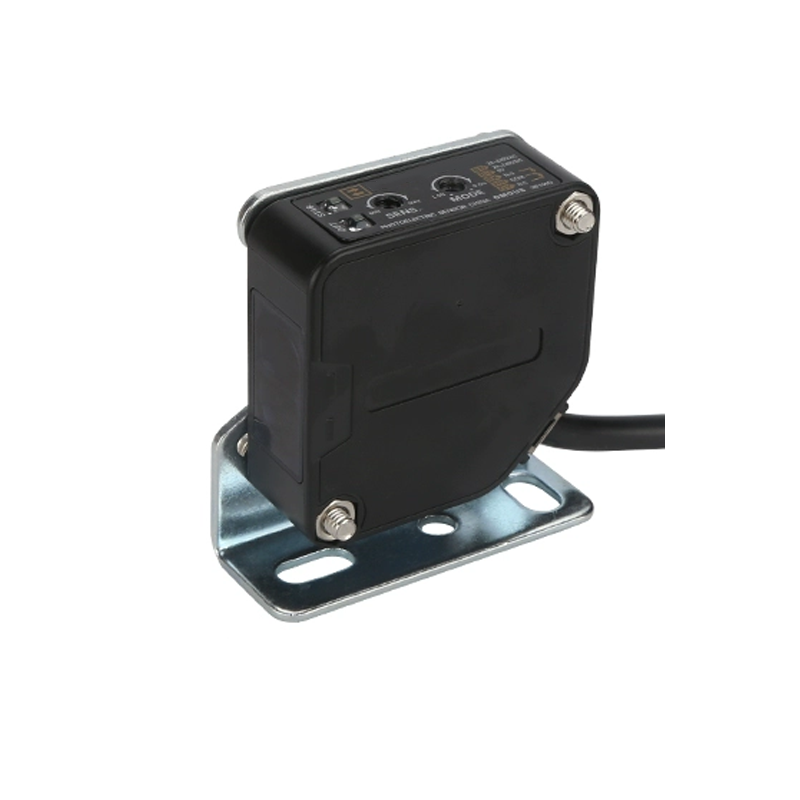
The short answer is yes — a photoelectric sensor switch can significantly enhance manufacturing safety, but the degree of improvement depends on how it is selected, integrated, and maintained within a broader safety architecture. This article explores the specific mechanisms through which a photoelectric sensor switch contributes to safer manufacturing operations, the conditions under which it performs best, and the practical considerations that engineers and safety managers need to understand before deployment.
Understanding How a Photoelectric Sensor Switch Functions in Safety Contexts
The Core Detection Principle
A photoelectric sensor switch operates by emitting a beam of light — typically infrared, visible red, or laser — and detecting changes in that beam caused by the presence, absence, or position of an object. When the beam is interrupted or reflected back to the receiver, the sensor triggers a switching output that can halt machinery, activate alarms, or initiate protective sequences. This non-contact detection method is what makes the photoelectric sensor switch particularly valuable in safety-critical applications.
Unlike mechanical limit switches that require physical contact to actuate, a photoelectric sensor switch responds to objects without touching them. This means it can detect a human hand, a misaligned component, or an unexpected obstruction before any physical contact occurs between a person and a hazardous machine element. The speed of response — typically measured in milliseconds — is fast enough to interrupt machine cycles before injury can result.
In manufacturing safety, this detection speed is not a minor advantage. It is often the difference between a near-miss and a recordable incident. The photoelectric sensor switch essentially creates an invisible boundary that, when crossed, triggers an immediate protective response from the control system.
Operating Modes Relevant to Safety
A photoelectric sensor switch is available in several operating configurations, each suited to different safety scenarios. Through-beam sensors, where the emitter and receiver are separate units facing each other, offer the longest detection range and the highest resistance to false triggering. This makes them well-suited for perimeter guarding and access point monitoring on large machinery.
Retroreflective sensors use a single housing that both emits and receives light, relying on a reflector to return the beam. They are commonly used in conveyor safety applications where detecting the presence of objects or personnel in a defined zone is required. Diffuse-mode sensors detect objects by measuring reflected light directly from the target surface, making them useful for close-range detection tasks such as confirming part presence before a press cycle initiates.
Each mode of a photoelectric sensor switch brings specific strengths to safety integration. Selecting the right mode for the right application is a foundational step in ensuring that the sensor performs its protective function reliably under real production conditions.
Specific Safety Applications in Manufacturing Environments
Machine Guarding and Access Control
One of the most direct ways a photoelectric sensor switch enhances manufacturing safety is through machine guarding. Traditional physical guards prevent access to dangerous zones, but they also slow down maintenance, inspection, and material loading operations. A photoelectric sensor switch used as a light curtain or area scanner creates a virtual guard that stops machine motion the instant a person enters the hazard zone, without requiring the physical removal of barriers.
This approach is widely used on stamping presses, injection molding machines, robotic work cells, and automated assembly lines. When an operator's hand or body breaks the detection field of the photoelectric sensor switch, the machine's safety relay receives a stop signal and the hazardous motion ceases. Once the zone is clear and the operator has stepped back, the machine can be restarted through a deliberate reset action, preventing accidental restart.
The integration of a photoelectric sensor switch into machine guarding systems also supports compliance with international safety standards such as ISO 13849 and IEC 62061, which define performance levels and safety integrity levels for protective devices. Properly rated photoelectric sensor switch units can contribute to achieving the required safety performance levels for a given machine risk assessment.
Conveyor and Material Handling Safety
Conveyor systems present persistent safety challenges in manufacturing, including pinch points, entanglement hazards, and the risk of personnel being struck by moving loads. A photoelectric sensor switch positioned at critical points along a conveyor line can detect jams, misaligned loads, or the unexpected presence of a person in a restricted zone, triggering an automatic stop before a hazardous condition escalates.
In automated warehousing and distribution facilities, a photoelectric sensor switch is often used to monitor the entry and exit points of conveyor tunnels and sorting systems. If a person enters a zone where automated equipment is operating, the sensor immediately signals the control system to halt movement. This is particularly important in facilities where human workers and automated guided vehicles share the same floor space.
Beyond personnel protection, a photoelectric sensor switch also contributes to equipment safety by detecting overloads, misfeeds, and product jams before they cause mechanical damage. Preventing equipment damage is itself a safety benefit, as damaged machinery is more likely to behave unpredictably and create secondary hazards for nearby workers.
Conditions That Determine Safety Effectiveness
Environmental Factors and Sensor Reliability
The safety contribution of a photoelectric sensor switch is only as reliable as the sensor's ability to function correctly in its operating environment. Manufacturing environments often involve dust, oil mist, steam, vibration, and temperature extremes — all of which can degrade sensor performance if the wrong unit is selected. A photoelectric sensor switch that generates false positives due to airborne contamination may cause unnecessary machine stops, leading operators to disable or bypass the sensor, which eliminates the safety benefit entirely.
Selecting a photoelectric sensor switch with an appropriate ingress protection rating, such as IP67 or IP69K, ensures that the unit can withstand washdowns and particulate exposure without compromising detection accuracy. Some models include automatic gain control or background suppression features that help maintain reliable detection even when ambient conditions change. These technical characteristics are not optional refinements — they are prerequisites for sustained safety performance in demanding industrial settings.
Proper mounting and alignment also play a critical role. A photoelectric sensor switch that is misaligned due to vibration or accidental impact may fail to detect objects in the intended zone. Regular inspection and recalibration schedules should be part of any safety maintenance program that relies on photoelectric sensing technology.
Integration with Safety Control Systems
A photoelectric sensor switch does not operate in isolation. Its safety value is realized through integration with a machine's control architecture, including safety relays, programmable safety controllers, and emergency stop circuits. The output signal from the photoelectric sensor switch must be correctly wired and logically configured so that a detection event produces the intended protective response without delay or ambiguity.
For safety-rated applications, it is important to use a photoelectric sensor switch that provides dual-channel outputs or self-monitoring diagnostics, as required by the applicable safety standard. Single-channel outputs may be acceptable for lower-risk applications, but higher-risk machine guarding scenarios typically require redundant signal paths to ensure that a single component failure does not result in a loss of the safety function.
The photoelectric sensor switch should also be included in the facility's overall functional safety validation process. This means documenting the sensor's role in the safety function, verifying its performance under simulated fault conditions, and confirming that the entire safety chain — from detection to machine stop — operates within the required response time. Without this validation, the safety benefit of the photoelectric sensor switch remains theoretical rather than proven.
Long-Term Safety Benefits and Operational Considerations
Reducing Incident Rates and Downtime
Facilities that have systematically integrated a photoelectric sensor switch into their machine safety programs consistently report reductions in near-miss incidents and recordable injuries. The non-contact nature of the technology means that it can be deployed in locations where physical guards would be impractical, extending safety coverage to areas that were previously unprotected or inadequately guarded.
Beyond direct injury prevention, a photoelectric sensor switch contributes to reducing unplanned downtime caused by accidents. When a machine strikes a person or an object due to inadequate detection, the resulting damage — to equipment, tooling, and the production schedule — can be substantial. Proactive detection and automatic shutdown prevent these events, keeping production running more consistently and reducing the costs associated with incident investigation, repair, and regulatory reporting.
There is also a workforce confidence dimension to consider. When workers know that a photoelectric sensor switch is actively monitoring hazardous zones and will stop machinery if they enter, they are more likely to follow safe work procedures and less likely to develop workarounds that compromise safety. This behavioral effect is difficult to quantify but is consistently observed in facilities with mature safety sensor programs.
Maintenance and Lifecycle Management
Sustaining the safety benefits of a photoelectric sensor switch over time requires a structured maintenance approach. Lens surfaces should be cleaned regularly to prevent contamination from reducing detection sensitivity. Mounting hardware should be inspected for looseness or corrosion. Wiring connections should be checked for integrity, particularly in environments with high vibration or thermal cycling.
Most modern photoelectric sensor switch units include diagnostic indicators — typically LED status lights — that signal alignment quality, output state, and fault conditions. Training maintenance personnel to interpret these indicators and respond appropriately is an important part of keeping the safety function operational. A sensor that is technically present but functionally degraded provides a false sense of security that can be more dangerous than no sensor at all.
Lifecycle planning should also account for the eventual replacement of aging photoelectric sensor switch units. As sensors age, their optical components can degrade, reducing detection range and reliability. Establishing replacement intervals based on manufacturer recommendations and observed performance trends ensures that the safety function remains effective throughout the life of the machine.
FAQ
Can a photoelectric sensor switch be used as the sole safety measure on a machine?
A photoelectric sensor switch is a powerful safety tool, but it is generally not intended to be the only protective measure on a machine. Safety standards typically require a layered approach that combines sensing technology with physical guards, emergency stop devices, and administrative controls. The photoelectric sensor switch contributes a critical detection layer, but its effectiveness is maximized when it is part of a comprehensive safety system validated against the machine's risk assessment.
What safety rating should a photoelectric sensor switch have for machine guarding?
The required safety rating for a photoelectric sensor switch used in machine guarding depends on the risk level of the application, as determined by a formal risk assessment. For higher-risk applications, sensors rated to Performance Level d or e under ISO 13849, or Safety Integrity Level 2 or 3 under IEC 62061, are typically required. Lower-risk applications may accept sensors with less stringent ratings. Always consult the applicable machinery safety standard and conduct a documented risk assessment before specifying a photoelectric sensor switch for a safety function.
How does a photoelectric sensor switch handle false triggering in dusty environments?
False triggering in dusty or contaminated environments is a known challenge for photoelectric sensing technology. Modern photoelectric sensor switch designs address this through features such as automatic sensitivity adjustment, background suppression, and optical filters that distinguish between the target beam and ambient interference. Selecting a unit with an appropriate IP rating and using air purge accessories in heavily contaminated environments can further reduce false trigger rates. Regular lens cleaning and alignment checks are also essential for maintaining reliable performance.
Is a photoelectric sensor switch suitable for detecting people as well as objects?
Yes, a photoelectric sensor switch can detect people as well as inanimate objects, provided it is configured with an appropriate detection field size and sensitivity level. For personnel detection in safety applications, light curtains — which are arrays of multiple photoelectric sensor switch beams — are commonly used because they provide a continuous detection plane rather than a single point. The minimum object resolution of the light curtain must be specified to ensure that hands, fingers, or other body parts can be reliably detected before entering the hazard zone.
Table of Contents
- Understanding How a Photoelectric Sensor Switch Functions in Safety Contexts
- Specific Safety Applications in Manufacturing Environments
- Conditions That Determine Safety Effectiveness
- Long-Term Safety Benefits and Operational Considerations
-
FAQ
- Can a photoelectric sensor switch be used as the sole safety measure on a machine?
- What safety rating should a photoelectric sensor switch have for machine guarding?
- How does a photoelectric sensor switch handle false triggering in dusty environments?
- Is a photoelectric sensor switch suitable for detecting people as well as objects?