High Precision Distance Sensors: Advanced Measurement Solutions for Industrial Applications

Get a Free Quote

Our representative will contact you soon.
Email
Name
Company Name
Message
0/1000

high precision distance sensor

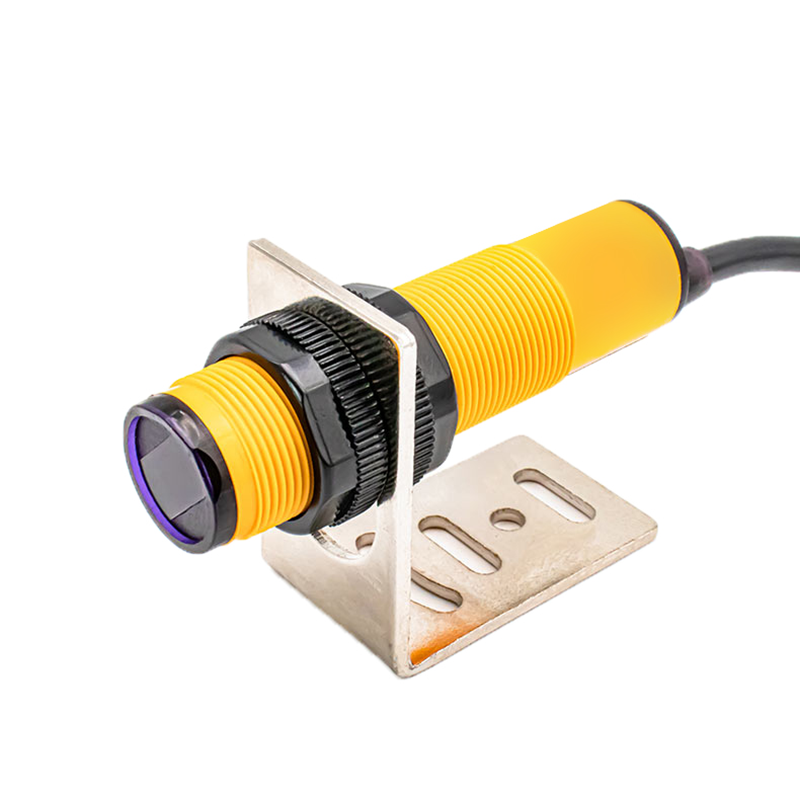
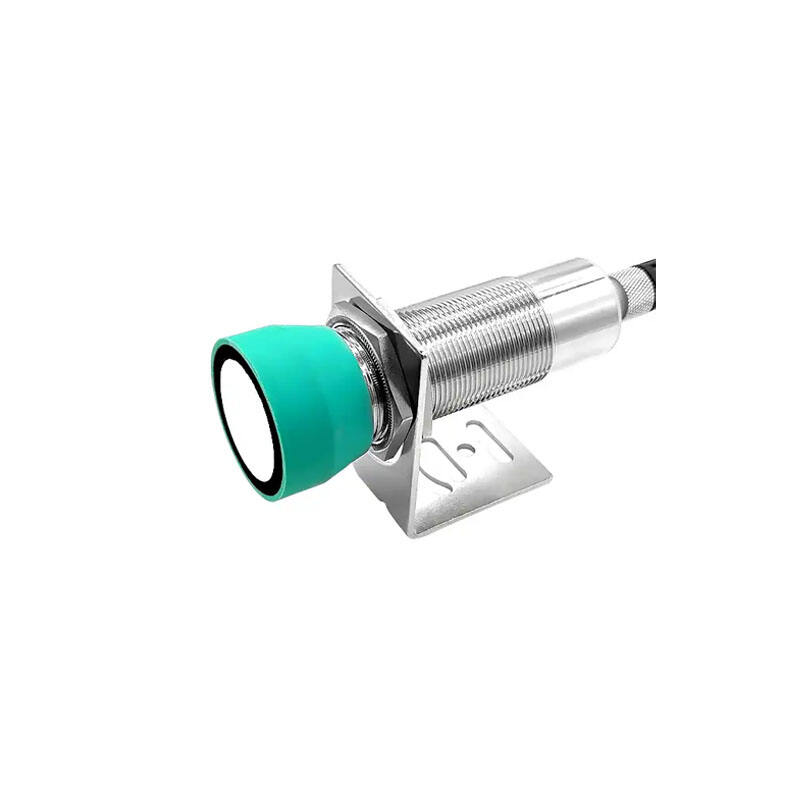
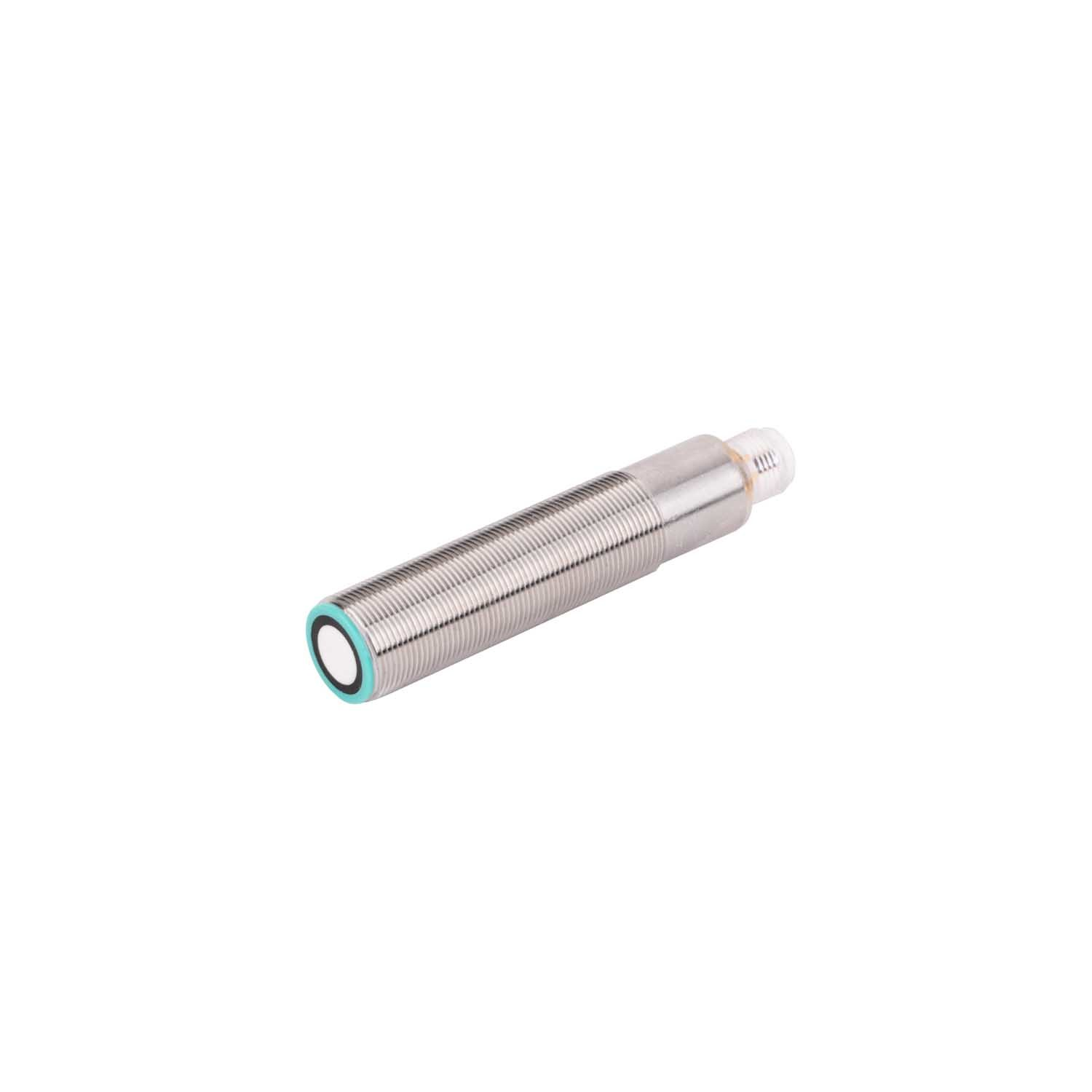
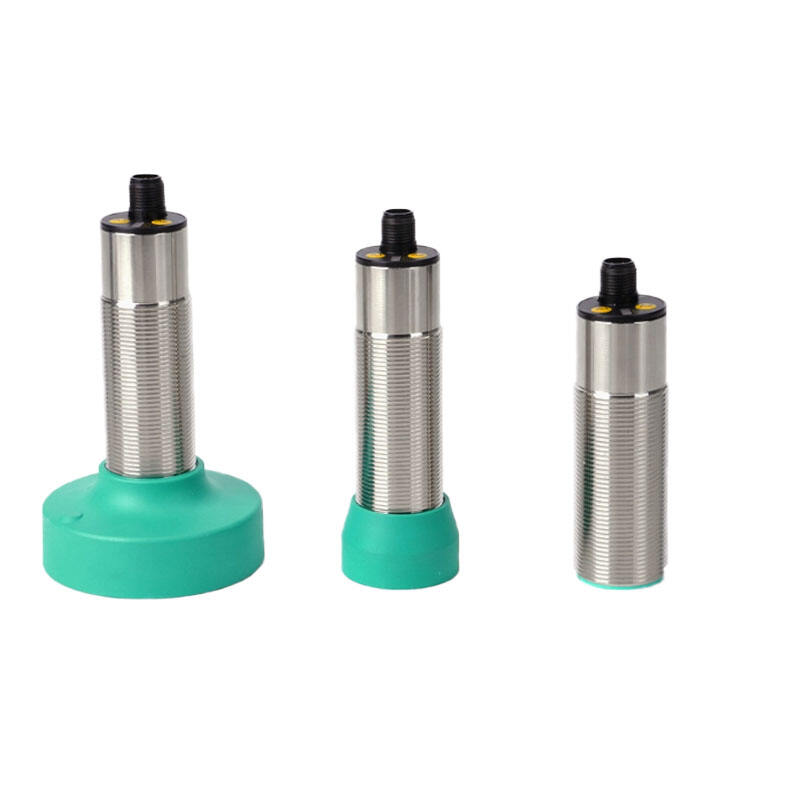
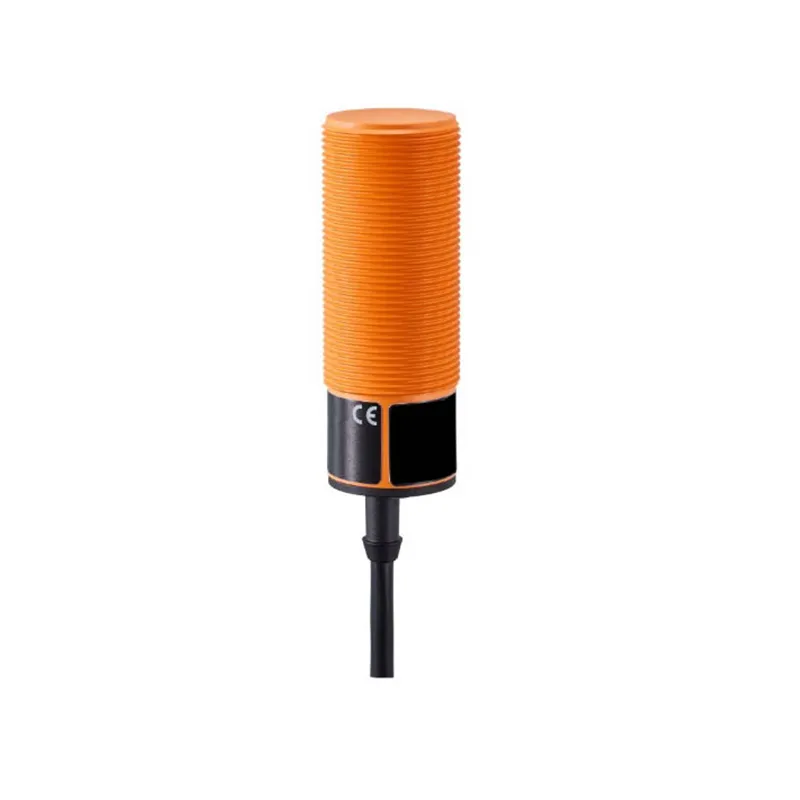
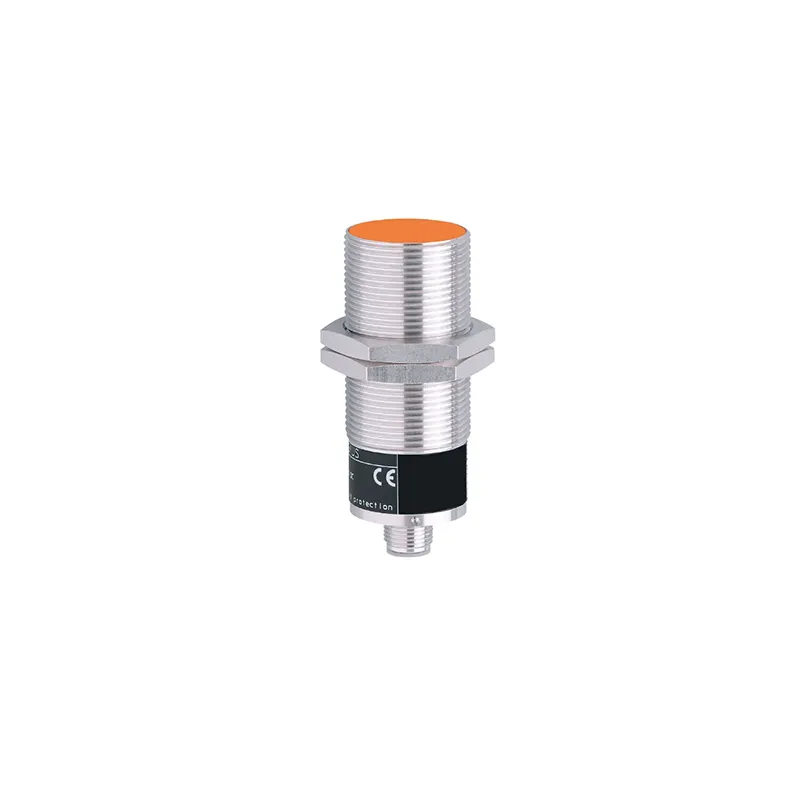
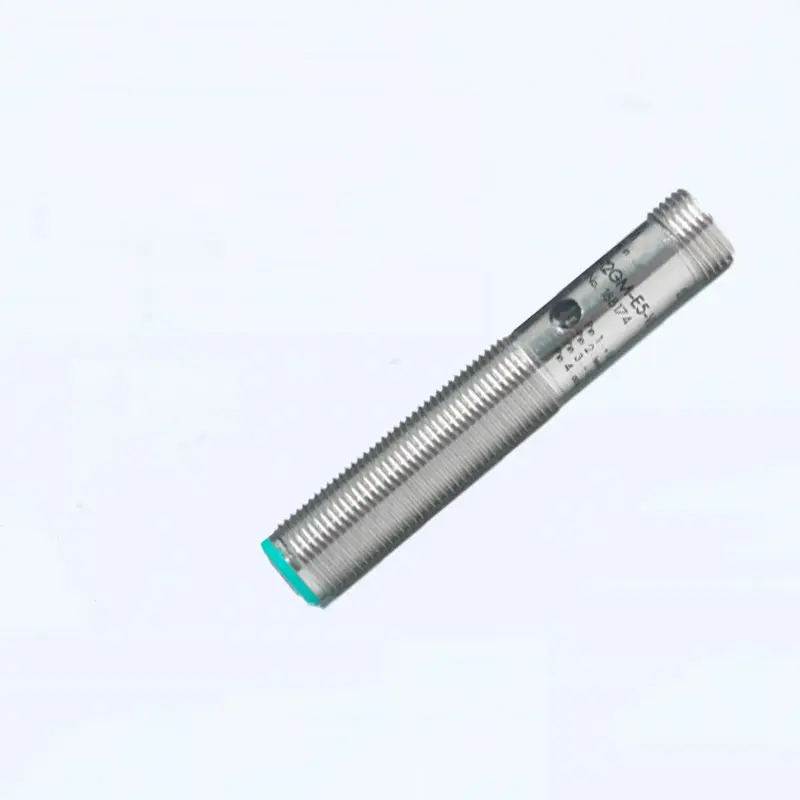
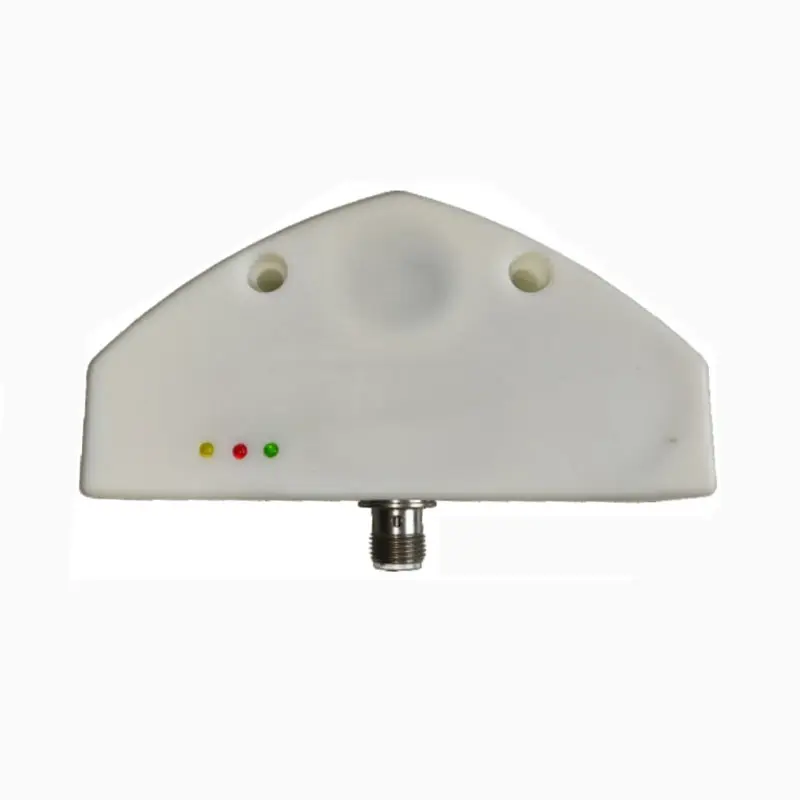
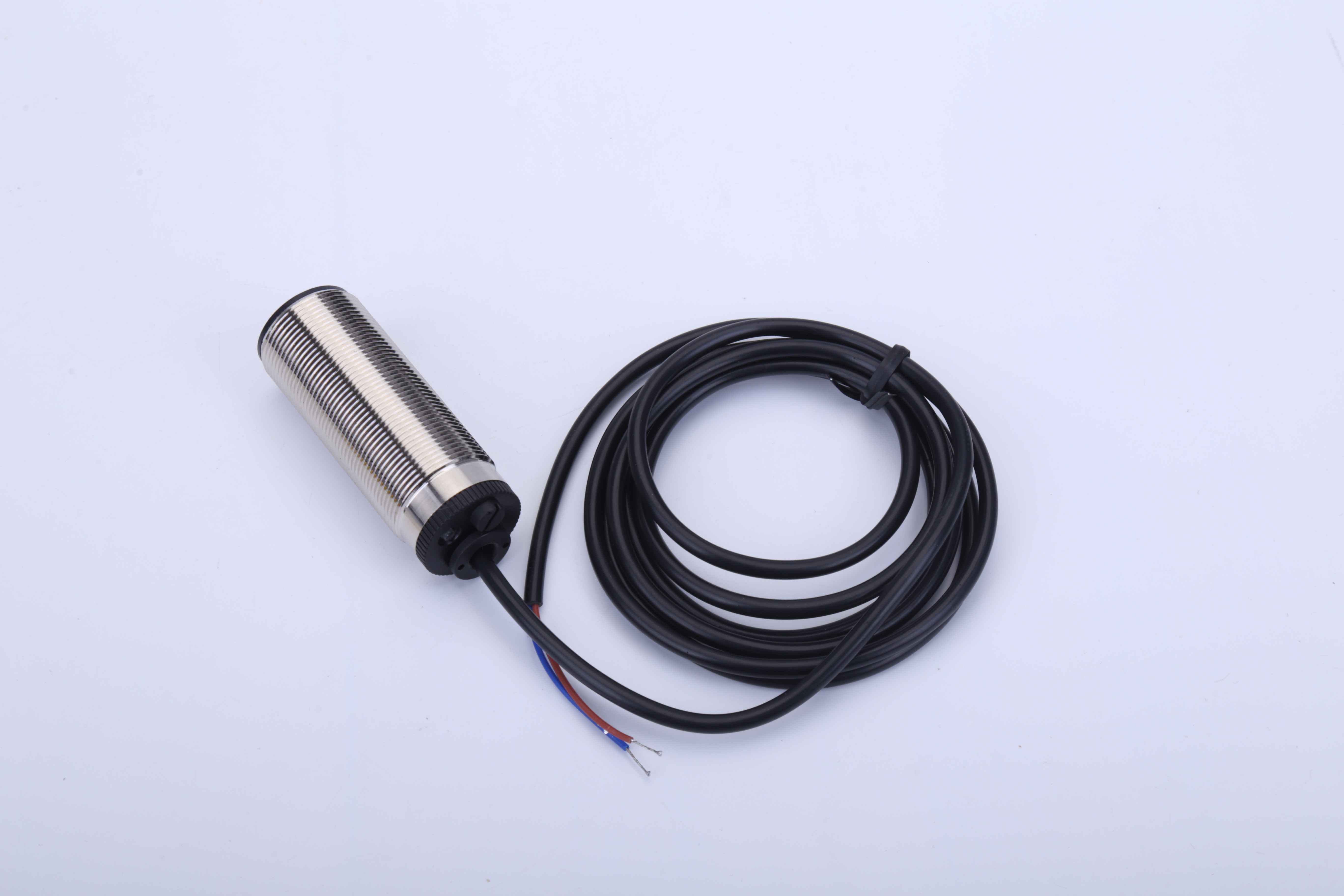
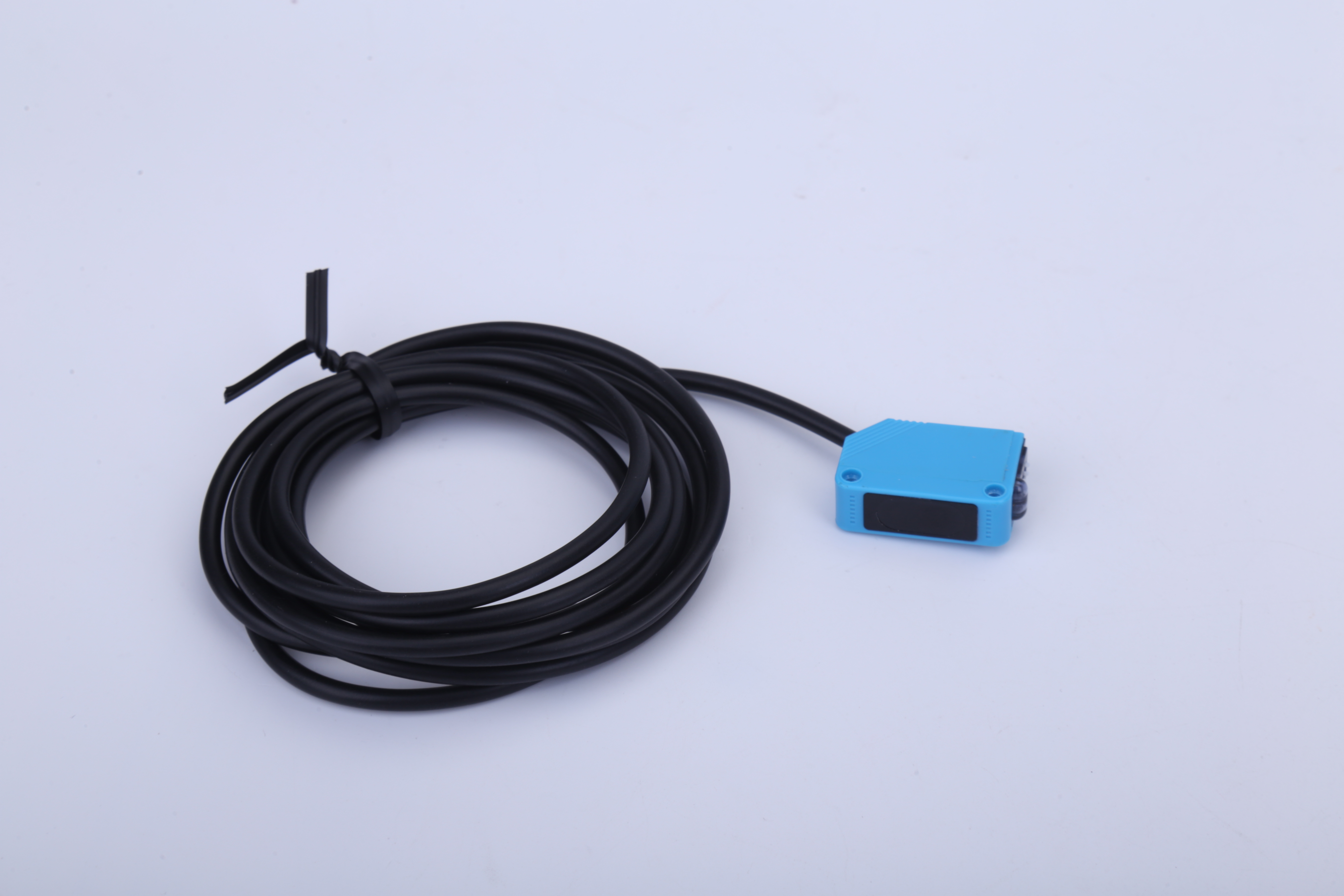
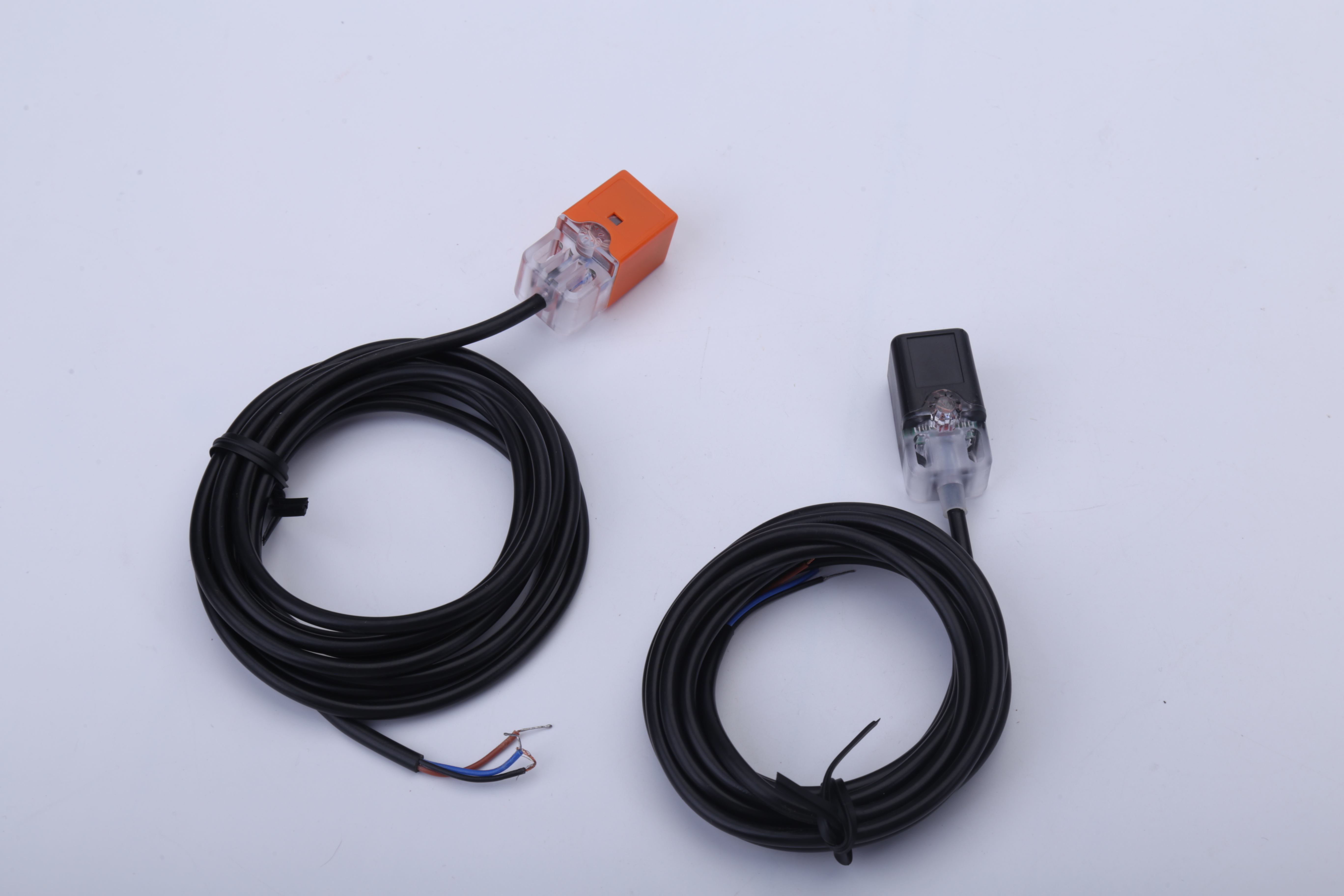
High precision distance sensors represent cutting-edge measurement technology that delivers exceptionally accurate distance measurements across various applications. These sophisticated devices utilize advanced sensing technologies, including laser, ultrasonic, or infrared methods, to provide precise distance measurements with accuracy levels often reaching submillimeter precision. The sensor operates by emitting a signal that bounces off the target object and returns to the sensor, with the time difference or phase shift used to calculate exact distances. Modern high precision distance sensors incorporate advanced signal processing capabilities, enabling them to filter out environmental noise and maintain accuracy even in challenging conditions. These sensors excel in both static and dynamic measurement scenarios, offering real-time data acquisition with high sampling rates. They are designed with robust housing to withstand industrial environments while maintaining their precision capabilities. The integration capabilities of these sensors are particularly noteworthy, as they can easily connect with various control systems through standard industrial protocols. Their versatility makes them invaluable in manufacturing, robotics, automation, quality control, and structural monitoring applications. The sensors also feature self-diagnostic capabilities, ensuring reliable operation and minimal maintenance requirements.

New Products

High precision distance sensors offer numerous compelling advantages that make them indispensable in modern industrial and technological applications. First and foremost, their exceptional accuracy provides users with reliable measurements that can be trusted for critical operations. This precision translates directly into improved quality control, reduced waste, and enhanced operational efficiency. The sensors' ability to perform non-contact measurements eliminates the risk of damage to delicate materials or contamination in sensitive processes. Their rapid measurement capabilities enable real-time monitoring and quick decision-making in automated systems. The durability and reliability of these sensors ensure consistent performance even in harsh industrial environments, reducing maintenance costs and downtime. Another significant advantage is their versatility in terms of measurement range and target materials, allowing a single sensor type to serve multiple applications. The sensors' digital output and easy integration with existing systems make them particularly valuable for Industry 4.0 applications. Their low power consumption and minimal maintenance requirements contribute to reduced operational costs over time. The built-in temperature compensation and environmental interference rejection capabilities ensure accurate measurements regardless of ambient conditions. These sensors also offer the advantage of remote monitoring capabilities, allowing users to access measurement data from anywhere in the facility. The compact design of modern high precision distance sensors means they can be installed in space-constrained areas without compromising performance.

Tips And Tricks

Proximity Switch vs. Limit Switch: Which One to Choose?

21

Jul

Proximity Switch vs. Limit Switch: Which One to Choose?

Understanding the Functionality of Modern Switches in Industrial Automation In industrial automation and control systems, choosing the right switch can significantly impact efficiency, safety, and overall system reliability. Two of the most commonly ...
View More
Best Proximity Switches for Harsh Environments & Heavy Duty

21

Jul

Best Proximity Switches for Harsh Environments & Heavy Duty

Reliable Performance in Demanding Industrial Conditions In harsh and demanding industrial environments, equipment reliability becomes paramount. Proximity switch technology plays a vital role in maintaining safety and efficiency, particularly in area...
View More
Ultrasonic Sensor Calibration: Ensuring Precise Measurements

04

Aug

Ultrasonic Sensor Calibration: Ensuring Precise Measurements

The Significance of Calibration in Ultrasonic Sensing Importance of Accurate Ranging in Ultrasonic Sensing Ultrasonic sensing relies on emitting sound waves and measuring reflections to determine distances. Calibration ensures that the time-of-fligh...
View More
Why Choose an Ultrasonic Sensor for Industrial Applications?

28

Sep

Why Choose an Ultrasonic Sensor for Industrial Applications?

Revolutionizing Industrial Sensing Technology with Ultrasonic Solutions Modern industrial processes demand precise, reliable, and versatile sensing technologies to maintain operational excellence. Ultrasonic sensors have emerged as a cornerstone tech...
View More

Get a Free Quote

Our representative will contact you soon.
Email
Name
Company Name
Message
0/1000

high precision distance sensor

Superior Measurement Accuracy and Reliability

Superior Measurement Accuracy and Reliability

The exceptional accuracy of high precision distance sensors sets them apart in the field of measurement technology. These sensors achieve remarkable precision levels, with typical accuracy ratings of ±0.1% of the measurement range or better. This high level of accuracy is maintained across the entire measuring range, ensuring consistent and reliable results. The sensors employ advanced signal processing algorithms that continuously compensate for environmental factors such as temperature variations and ambient light changes. This sophisticated processing ensures measurement stability and repeatability, crucial for quality control and precise manufacturing processes. The sensors also feature built-in calibration capabilities that maintain accuracy over time, reducing the need for frequent recalibration and ensuring long-term measurement reliability.
Advanced Integration and Connectivity Features

Advanced Integration and Connectivity Features

Modern high precision distance sensors come equipped with comprehensive integration capabilities that make them highly adaptable to various industrial applications. They support multiple communication protocols, including RS-485, Ethernet/IP, and PROFINET, enabling seamless integration with existing automation systems. The sensors feature user-friendly interfaces that simplify configuration and monitoring, while their programmable parameters allow customization for specific application requirements. Real-time data streaming capabilities ensure immediate access to measurement data, while built-in data logging functions enable trend analysis and quality documentation. The sensors also support remote configuration and monitoring, allowing users to adjust settings and access data from anywhere in the facility.
Robust Environmental Performance

Robust Environmental Performance

High precision distance sensors are engineered to maintain their accuracy and reliability even in challenging industrial environments. Their robust construction features IP67 or IP68-rated housings that protect against dust, water, and other environmental contaminants. The sensors incorporate advanced filtering algorithms that effectively eliminate interference from ambient light, electromagnetic fields, and other potential sources of measurement error. Temperature compensation mechanisms ensure consistent performance across a wide range of operating conditions, typically from -20°C to +60°C. The sensors' ability to maintain accuracy in these conditions makes them ideal for outdoor applications and harsh industrial environments where lesser sensors might fail or provide unreliable readings.
High Precision Distance Sensors: Advanced Measurement Solutions for Industrial Applications

Get a Free Quote

Our representative will contact you soon.
Email
Name
Company Name
Message
0/1000