 EN
EN

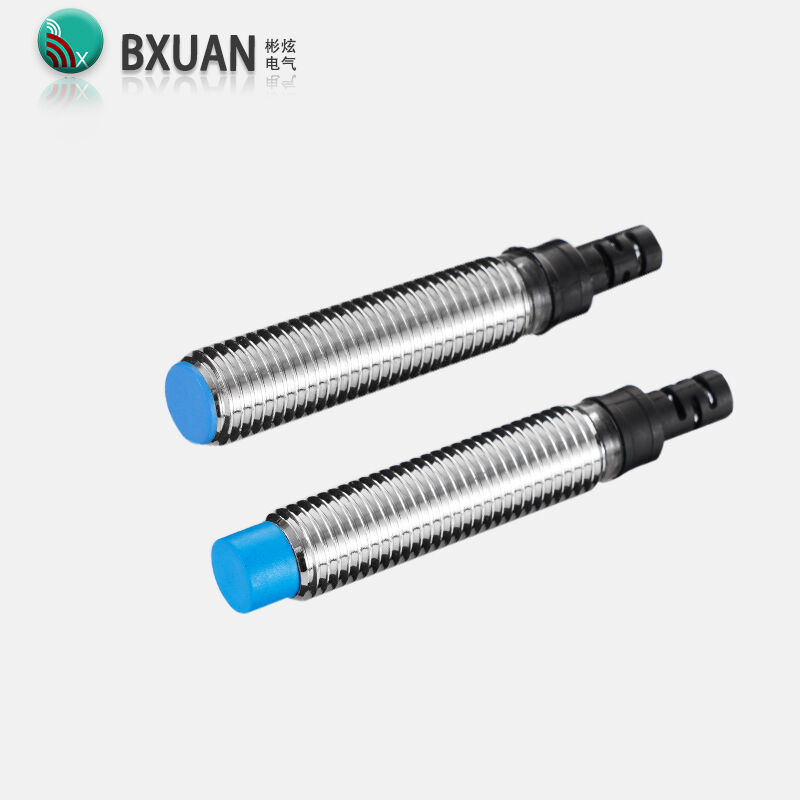
Modern üretim ortamlarında, her saniye süren durma süresi ve her yanlış algılanan parça ölçülebilir bir maliyet taşır. endüktif sensör metal nesneleri fiziksel temas olmadan algılayarak, konum ve varlık bilgilerini gerçek zamanlı olarak doğrudan otomatik kontrol sistemlerine aktarır; bu da makinelerin, daha eski algılama yöntemlerinin izin verdiği ölçüden çok daha hızlı, daha doğru ve insan müdahalesi gerektirmeden harekete geçmesini sağlar.
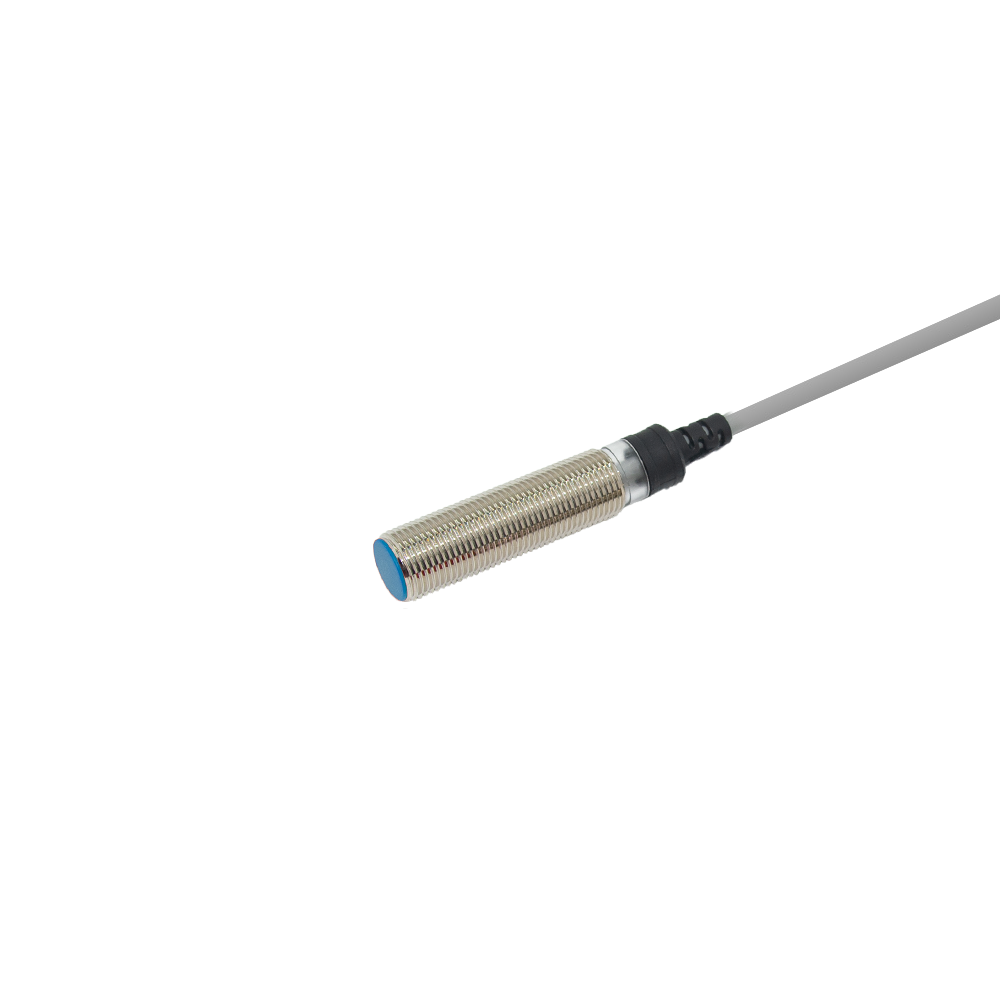
Bir endüktif sensörün fabrika verimliliğine tam olarak nasıl katkı sağladığını anlamak, cihazın kendisine odaklanmaktan öte, üretim hattının daha geniş iş akışında nasıl entegre olduğunu incelemeyi gerektirir. Parça doğrulaması ve çevrim zamanlamasından tahmine dayalı bakım tetikleyicilerine ve kalite kontrol noktalarına kadar, endüktif sensör, iyi optimize edilmiş bir üretim sürecinin neredeyse her aşamasına dokunur. Bu makale, bu sensörlerin fabrika zemininde ölçülebilir verimlilik kazançları sağlamasını sağlayan özel mekanizmaları ayrıntılı olarak açıklar.
Verimlilik Kazançlarının Arkasındaki Çalışma Prensibi
Endüktif Sensörün Temassız Algılama Yöntemi
İndüktif sensör, elektromanyetik indüksiyon prensibiyle çalışır. Dahili bir bobin, sensör yüzeyinin ötesine uzanan yüksek frekanslı salınımlı bir manyetik alan üretir. Metalik bir hedef bu alana girdiğinde, hedefin yüzeyinde girdap akımları oluşur ve bu da salınım genliğini azaltır. Sensörün dahili devresi bu değişikliği algılar ve çıkış durumunu buna göre değiştirir.
Bu temasız algılama mekanizması, üretkenlik değerinin temelini oluşturur. Çünkü hedefle fiziksel bir prob veya mekanik koluyla temas eden hiçbir parça bulunmadığından, endüktif sensör tekrarlanan algılama döngülerinden neredeyse hiç aşınma yaşamaz. Tek bir birim, yanıt doğruluğunda herhangi bir bozulma olmadan milyonlarca açma/kapama işlemi gerçekleştirebilir; bu da doğrudan daha az sensör değişimi ve daha az plansız bakım kesintisi anlamına gelir.
Temas olmaması, sensörün algıladığı nesneyi yavaşlatmayacağı anlamına da gelir. Konveyör hattı boyunca veya işlenebilir hücreler içinde yüksek hızda hareket eden parçalar, üretim hızının tamamında tespit edilebilir; ölçüm için yavaşlatmaya gerek kalmaz. Bu durum, çevrim sürelerini sıkı tutar ve uzun üretim süreçleri boyunca verim oranlarını tutarlı kılar.
Yanıt Hızı ve Çevrim Süresi Üzerindeki Etkisi
Modern endüktif sensör modelleri, birkaç yüz hertze kadar ulaşabilen anahtarlama frekansları sunar; bu da dakikada binlerce algılama olayını kaydedebilme ve buna yanıt verebilme anlamına gelir. Yüksek hızlı montaj veya kalıp presleme işlemlerinde bu yanıt hızı, kontrol sisteminin makine çevrimine gecikme katmadan doğru konumsal geri bildirim almasını sağlar.
Tespit gecikmesindeki bile küçük azalmalar, tam bir üretim vardiya süresince önemli ölçüde birikir. Eğer bir endüktif sensör, saatte 3.000 çevrim yapan bir süreçte her tespit olayından 10 milisaniye kısaltıyorsa, sekiz saatlik bir vardiyada biriken zaman tasarrufu oldukça büyük olur. Bu etkiyi bir üretim hattındaki birden fazla istasyon için çarptığınızda, verimlilik üzerindeki etki somut bir rekabet avantajına dönüşür.
Hızlı yanıt aynı zamanda konuma dayalı tetiklemelerin doğruluğunu da artırır. Bir robot kolu veya aktüatör, bir parçanın konumuna göre kesin bir anda harekete geçmesi gerekiyorsa, endüktif sensörün hızlı anahtarlama özelliği, tetikleme sinyalinin doğru zamanda ulaşmasını sağlar ve bu sayede konumsal hatalar ile bunların yol açtığı yeniden işlenmeler azalır.
Güvenilir Tespit Yoluyla Duruş Sürelerinin Azaltılması
Yanlış Tetiklemelerin ve Kaçırılan Tespitlerin Ortadan Kaldırılması
Endüktif bir sensörün fabrika verimliliğini artırmasının en doğrudan yollarından biri, tutarlı ve tekrarlanabilir algılama sonuçları sağlamasıdır. Ortam ışığı, toz veya yüzey rengi değişimi gibi faktörlerden etkilenen optik sensörlere kıyasla endüktif sensör, yalnızca metal hedeflerin elektromanyetik özelliklerine tepki verir. Bu seçicilik, diğer sensör türlerinde yanlış tetiklemelere veya algılanmamış nesnelere neden olan çevresel değişkenlere karşı yüksek direnç kazandırır.
Otomatik bir üretim hattında yanlış tetiklemeler, makinenin gerçek bir parça ile ilişkili olmayan bir sinyale göre harekete geçmesine neden olabilir; bu da tıkanmalara, yanlış beslemelere veya yanlış montaj sıralamalarına yol açar. Her böyle olay, arızayı gidermek ve döngüyü yeniden başlatmak için operatör müdahalesi gerektirir. Yüksek hacimli üretimde, vardiya başına yalnızca birkaç yanlış tetikleme bile önemli ölçüde kayıp üretim miktarına neden olabilir. Endüktif sensörün metal olmayan etkenlere karşı bağışıklığı, bu arıza modunu tamamen ortadan kaldırır.
Kaçırılan tespitler de eşit derecede ciddi maliyetlere neden olur. Bir parça, tespit noktasından kaydedilmeden geçtiğinde, aşağı akış süreçleri parçanın varlığı veya konumuyla ilgili yanlış varsayımlarla çalışabilir. Bu durum, üretim sürecinin sonraki aşamalarına kadar kusurlu montajların ulaşmasına yol açabilir; bu noktada hatanın düzeltilmesi, hatanın kaynağında yakalanmasına kıyasla çok daha maliyetlidir. Endüktif sensörün güvenilir anahtarlama davranışı, tüm üretim süresince tespit doğruluğunu yüksek düzeyde korur.
Sert Endüstriyel Ortamlarda Dayanıklılık
Fabrika zeminleri zorlu ortamlardır. Soğutma sıvısı püskürtmesi, metal talaşı, titreşim, sıcaklık dalgalanmaları ve elektromanyetik girişim, tipik tornalama ve montaj işlemlerinde yaygın olarak karşılaşılan faktörlerdir. Endüktif sensör, bu koşullar altında güvenilir şekilde çalışacak şekilde tasarlanmıştır. Sızdırmaz muhafazası, iç elektronikleri sıvı girişi ve parçacık kirliliğinden korurken, katı hal çıkışının kullanılması, röle tabanlı sistemlerde aşınan mekanik kontakları ortadan kaldırır.
Bu çevre dayanıklılığı, arızalar arasındaki ortalama süreyi uzatarak doğrudan verimliliği destekler. Soğutma sıvısı ve talaşlara sürekli maruz kalan bir sensör, daha kırılgan bir algılama cihazına kıyasla daha az sıklıkta değiştirilme veya yeniden kalibre edilme gerektirir. Bakım aralıkları, reaktif değil; planlı şekilde belirlenebilir ve beklenmedik bir sensör arızasının üretim hattını durdurma riski önemli ölçüde azaltılır.
Endüktif sensörlerin titreşime direnci, mekanik şoka sürekli maruz kalan pres ve kalıp uygulamalarında özellikle değerlidir. Titreşim altında kalibrasyonunu kaybeden veya erken dönem başarısızlık gösteren sensörler, tekrarlayan bakım yükleri oluşturur. Doğru şekilde belirtilen bir endüktif sensör, yüksek şoklu ortamlarda bile anahtarlama noktası doğruluğunu korur ve süreci kesintisiz olarak sürdürür.
Otomasyon ve Süreç Entegrasyonunu Sağlamak
Verileri PLC ve Kontrol Sistemlerine Aktarmak
Endüktif sensör izole bir şekilde çalışmaz. Çıkış sinyali, makine davranışını yöneten programlanabilir lojik denetleyicilere (PLC'ler), hareket denetleyicilere ve diğer otomasyon donanımlarına doğrudan bağlanır. Endüktif sensörün sağladığı verilerin kalitesi ve tutarlılığı, bu sistemlerin programlanmış mantıklarını ne kadar iyi yürütebileceğini belirler.
Bir endüktif sensör, yükleme istasyonunda parça varlığını güvenilir bir şekilde bildirdiğinde PLC, manuel onay veya yedekli bir doğrulama adımı gerektirmeden sıradaki işlem adımını güvenle başlatabilir. Bu algılama ile kontrol arasındaki sıkı entegrasyon, modern otomatik hatların yüksek hızda ve minimum operatör gözetimiyle çalışmasını sağlar. Endüktif sensör, etkili bir şekilde makinenin bağımsız davranışını mümkün kılan duyusal girdidir.
Daha gelişmiş uygulamalarda, sürekli konum farkındalığı sağlamak amacıyla birden fazla endüktif sensör tek bir makine veya üretim hattı boyunca dağıtılmıştır. Örneğin, bir robotik kaynak hücresi, kaynak çevrimini başlatmadan önce sabitleme sisteminin kapatıldığını, parçanın doğru şekilde oturduğunu ve takımın konumunu doğrulamak için endüktif sensörler kullanabilir. Her doğrulama adımı, elle yapılan kontroller ya da daha yavaş algılama teknolojilerine dayanan bir sistemle karşılaştırıldığında, genel çevrim süresini kısaltarak milisaniye cinsinden otomatik olarak gerçekleştirilir.
Esnek Üretimi ve Hızlı Ürün Değişimlerini Destekleme
Esnek üretim, tespit doğruluğundan ödün vermeden ürün varyantları arasında hızlı geçiş yapabilme yeteneği gerektirir. Endüktif sensör, ayarlanabilir algılama menzili ve standartlaştırılmış montaj formatlarıyla bu gereksinimi destekler. Bir üretim hattı farklı bir parça geometrisine geçtiğinde, sensörün konumu hızla ayarlanıp sabitlenebilir; bu işlem, montaj konfigürasyonuna bağlı olarak çoğu zaman alet kullanmadan yapılabilir.
Bazı endüktif sensör modelleri, operatörün bir potansiyometreyi elle ayarlamak yerine hedef nesneyi sensöre sunarak anahtarlama noktasını belirlemesini sağlayan öğretme (teach-in) işlevselliği sunar. Bu özellik, ürün değişikliği sonrası erken üretim aşamasında ortaya çıkan kusurların yaygın nedeni olan yanlış kurulum riskini azaltır ve değişim işlemlerini basitleştirir. Daha hızlı ve daha güvenilir değişimler, hatların üretken kullanım oranını doğrudan artırır.
Flush montajlı M12 varyantları da dahil olmak üzere birçok endüktif sensör tasarımının kompakt yapısal boyutu, tespit fonksiyonunun sabitleri ve kalıplar içindeki dar alanlara entegre edilmesini kolaylaştırır. Bu fiziksel esneklik, mühendislerin sensör boyutu kısıtlamalarına göre tasarım yapmak zorunda kalmadan, tespiti tam olarak ihtiyaç duyulduğu yere yerleştirmesine olanak tanır; bu da daha temiz süreç mantığına ve makine tasarımı konusunda daha az uzlaşma yapılmasına yol açar.
Kalite Kontrolü ve Hata Önleme Uygulamaları
Parça Varlığı ve Yön Doğrulaması
Endüktif sensörün verimlilik bağlamında en yüksek değerli uygulamalarından biri, kritik süreç adımlarında hata önleme (poka-yoke) işlemidir. Bir endüktif sensörü bir sabitleme aparatı veya montaj istasyonuna yerleştirerek kontrol sistemi, sürecin devam etmesine izin vermeden önce bir metal parçanın mevcut olduğunu ve doğru şekilde oturduğunu doğrulayabilir. Bu, makinenin boş bir aparat üzerinde veya yanlış yüklü bir parça ile çalışmasını engeller; aksi takdirde ürün kusurlu olur veya takım tezgâhları zarar görür.
Endüktif sensör bu rol için oldukça uygundur çünkü algılama çıkışı ikili (binary) ve belirsizlik içermez: ya hedef algılama aralığının içindeyse ya da değildir. Bu netlik, algılama sinyali onaylandıktan sonra sürecin başlatılmasını sağlayan kontrol mantığı yazmayı kolaylaştırır. Sonuç olarak, doğrulanmış bir parça pozisyonda olmadıkça sürecin bir sonraki adıma geçmesi yapısal olarak mümkün olmaz.
Birleştirilmeden önce birden fazla metal bileşenin bulunması gereken montaj işlemlerinde, endüktif sensörler ağı, montaj döngüsü başlamadan önce her bileşeni bağımsız olarak doğrulayabilir. Bu çok noktalı doğrulama yaklaşımı, eksik parçaların gömülü kusurlara dönüşmesinden önce tespit edilmesini sağlar ve hurda oranlarını, ayrıca aşağı akışta yapılan muayene ve revizyon maliyetlerini azaltır.
Alet ve Bileşen Aşınmasını İzleme
Parça algılamanın ötesinde, endüktif sensör, zaman içinde alet bileşenlerinin konumunu izlemek için kullanılabilir. Bir delme veya şekillendirme işlemi sırasında, bir çentik veya kalıp ile referans noktası arasındaki konum, aşınma birikimine bağlı olarak yavaş yavaş kayabilir. Bu konumu izleyen bir endüktif sensör, kaymanın belirlenen eşik değerini aşmasını tespit edebilir ve böylece kusurlu parçaların üretimine veya alet arızasına neden olmadan önce bakım uyarısı tetikler.
Bu tahmine dayalı bakım uygulaması, endüktif sensörü basit bir algılama cihazından bir süreç sağlığı izleme aracı haline getirir. Aşınma eğilimlerini erken tespit ederek bakım, beklenmedik bir arıza sonucu ortaya çıkan acil müdahale yerine planlı duruş süreleri sırasında yapılabilir. Bu durumun verimlilik kazancı oldukça yüksektir: Planlı bakım genellikle acil onarımların gerektirdiği sürenin yalnızca küçük bir kesrini alır ve plansız bir duruşun yol açtığı zincirleme gecikmeleri önler.
Endüktif sensörün uzun kullanım ömrü ve kararlı anahtarlama özellikleri, bu tür izleme için güvenilir bir referans noktası oluşturur. Sensör kendisi normal işletme koşullarında kaymaz veya bozulmaz; bu nedenle çıkışındaki değişimler, sensörün yaşlanması yerine hedefin konumundaki değişimi güvenilir şekilde yansıtır ve böylece izleme mantığı uzun dönemler boyunca doğru kalır.
Verimlilik Etkisini Maksimize Etmek İçin Pratik Hususlar
Doğru Algılama Mesafesi ve Muayene Kapsülü Formatının Seçilmesi
Endüktif bir sensörün verimlilik avantajları, cihazın uygulama için doğru şekilde belirlenmesi durumunda ancak sağlanır. Algılama mesafesi, hedef malzemenin, hedef boyutunun ve makinenin montaj kısıtlamalarının dikkate alınarak kurulum geometrisine uygun olarak seçilmelidir. Belirtilen aralığın ötesinde monte edilen bir endüktif sensör, güvenilir olmayan anahtarlama üretir ve bu da verimlilik kazanımlarını sağlayan süreç tutarlılığını zayıflatır.
Seviye ile monte edilen tasarım şekilleri, örneğin M12 seviye ile monte edilen endüktif sensör formatı, sensör yüzeyinin çevredeki montaj yüzeyiyle aynı düzlemde yerleştirilmesine olanak tanır. Bu, geçen parçalar veya takımlar nedeniyle mekanik hasar riskini ortadan kaldırır ve çıkıntılı bir sensörün uygulanmasının pratik olmadığı yerlerde sensörün konumlandırılmasını sağlar. Yüksek yoğunluklu aparat tasarımları ve dar makine kapasiteleri için seviye ile montaj genellikle tek uygulanabilir seçenektir.
Kasa malzemesi ve koruma sınıfı (ingress protection) aynı zamanda ortama uygun olmalıdır. Soğutma sıvısıyla ıslatma, yüksek basınçlı temizleme veya tam daldırma uygulamaları gibi durumlar, uygun IP derecelendirmesine sahip sensörler gerektirir. İndüktif sensörü başlangıçtan itibaren doğru çevresel derecelendirmeye sahip olarak seçmek, bu teknolojinin sağlaması beklenen güvenilirlik avantajlarını ortadan kaldıracak erken arızalardan kaçınmayı sağlar.
Entegrasyon Planlaması ve Kablolama Hususları
Doğru entegrasyon planlaması, indüktif sensörün kontrol mimarisinde tam verimlilik potansiyelini ortaya koymasını sağlar. Çıkış tipi seçimi — PNP ya da NPN, normalde açık ya da normalde kapalı — bağlı PLC veya denetleyicinin giriş gereksinimleriyle uyumlu olmalıdır. Uyumsuz çıkış yapılandırmaları, maliyeti artırıp potansiyel arıza noktaları yaratan ek kablolama veya arayüz bileşenleri gerektirir.
Kablo yönlendirilmesi ve konektör seçimi de uzun vadeli güvenilirliği etkiler. Önemli makine hareketi veya titreşim içeren ortamlarda esnek kablolar ve gerilimden korunmuş konektörler, arızalara neden olabilecek kablo yorgunluğunu önler. Laboratuvar testlerinde mükemmel performans gösteren ancak kullanım sırasında kablo sorunları geliştiren bir endüktif sensör, sensörün engellemesi amaçlanan aynı türde öngörülemez duruş sürelerine neden olur.
Algılama mesafesi doğrulaması, çıkış yapılandırması, montaj güvenilirliği ve kablo yönetimi de dahil olmak üzere kurulumun doğru şekilde planlanması, endüktif sensörün makinenin devreye alınmasından tam hizmet ömrü boyunca tasarlandığı gibi çalışmasını sağlar. Entegrasyon kalitesine yapılan bu başlangıç yatırımı, sensörün teknik özelliklerini fabrika zemininde sürdürülebilir ve ölçülebilir verimlilik artışı haline dönüştürür.
SSS
Endüktif bir sensör hangi tür metalleri algılayabilir?
Endüktif bir sensör, çelik, paslanmaz çelik, alüminyum, bakır ve pirinç de dahil olmak üzere tüm elektriksel olarak iletken metalleri algılayabilir. Algılama mesafesi, farklı metallerin manyetik geçirgenlik ve iletkenlik özelliklerine bağlı olarak malzeme türüne göre değişir. Yumuşak çelik gibi ferromanyetik metaller genellikle en uzun algılama mesafesini sağlarken, alüminyum ve bakır gibi ferromanyetik olmayan metaller, sensör modeline bağlı olarak etkili mesafeyi %30 ila %60 oranında azaltabilir. Üreticiler, mühendislerin uygulamaları için doğru algılama mesafesini seçmelerine yardımcı olmak amacıyla yaygın hedef malzemeler için genellikle düzeltme faktörleri yayımlar.
Endüktif bir sensör, fabrika ortamında kullanımda kapasitif bir sensörden nasıl farklılaşır?
Endüktif bir sensör, elektromanyetik alan değişikliklerine tepki vererek yalnızca metal hedefleri algılar; buna karşılık kapasitif bir sensör, kapasite değişikliklerine tepki vererek plastikler, sıvılar ve tozlar da dahil olmak üzere hem metal hem de metal olmayan malzemeleri algılayabilir. Hedefin her zaman metal olduğu ve ortamda algılamanın tetiklenmemesi gereken metal olmayan malzemelerin bulunduğu fabrika uygulamalarında endüktif sensör tercih edilen seçenektir çünkü seçiciliği üretim hattında ambalaj, soğutma sıvısı veya diğer metal olmayan maddelerden kaynaklanan yanlış tetiklemeleri önler.
Endüktif bir sensör yıkama ortamında kullanılabilir mi?
Evet, birçok endüktif sensör modeli yıkama ortamları için uygun olarak derecelendirilmiştir. IP67, IP68 veya IP69K giriş koruma derecelendirmelerine sahip sensörler, bu derecelendirmelerin belirttiği seviyelerde su girişi karşı korunaklıdır. IP67 geçici daldırma işlemlerini kapsar, IP68 tanımlanmış derinliklerde sürekli daldırma işlemlerini kapsar ve IP69K yüksek basınçlı ve yüksek sıcaklıklı yıkama işlemlerini kapsar. Tesisinizde kullanılan temizleme yöntemi için uygun derecelendirmeyi seçmek, endüktif sensörün rutin hijyen prosedürleri nedeniyle hasar görmesini önleyerek güvenilir bir şekilde çalışmasını sağlar.
Endüktif bir sensör ne sıklıkla yeniden kalibre edilmeli veya değiştirilmelidir?
Normal işletme koşullarında, endüktif bir sensörün periyodik olarak yeniden kalibre edilmesine gerek yoktur. Anahtarlama noktası fabrikada ayarlanır ve sensörün kullanım ömrü boyunca sabit kalır; bu kullanım ömrü genellikle yüz milyonlarca anahtarlama döngüsü olarak belirtilir. Değişim, iç aşınma veya kaymaya değil, genellikle muhafaza veya kabloda meydana gelen fiziksel hasara bağlı olarak gerçekleştirilir. Sensör, belirtilen teknik özelliklerinin ötesindeki aşırı koşullara maruz bırakıldığı uygulamalarda daha sık denetim yapılması önerilir; ancak doğru şekilde seçilmiş bir endüktif sensör için rutin yeniden kalibrasyon, standart bir bakım gereksinimi değildir.