 EN
EN

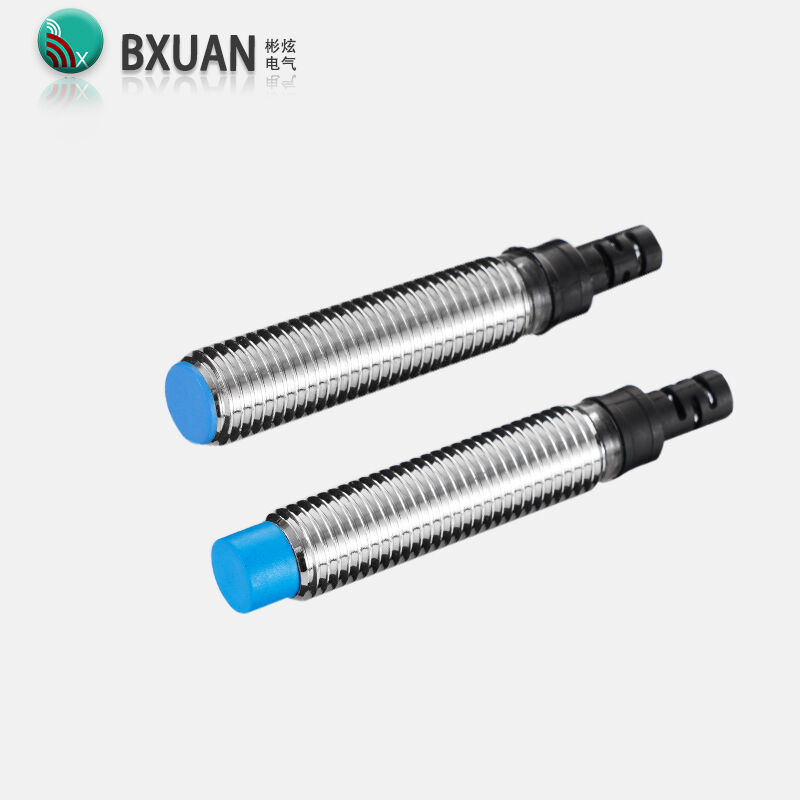
आधुनिक औद्योगिक वातावरण में, धातु की वस्तुओं की उपस्थिति, स्थिति और गति का तीव्रता और सटीकता के साथ पता लगाना कोई विलासिता नहीं है — यह एक मौलिक संचालन आवश्यकता है। इंडक्टिव सेंसर प्रेरक सेंसर ने निर्माण, स्वचालन और भारी उद्योग जैसे क्षेत्रों में सबसे अधिक भरोसेमंद घटकों में से एक के रूप में अपनी पहचान बना ली है, क्योंकि यह इस क्षमता को बिना किसी भौतिक संपर्क, बिना किसी क्षरण और किसी भी समझौते के प्रदान करता है। असेंबली लाइनों से लेकर हाइड्रोलिक प्रणालियों तक, प्रेरक सेंसर चुपचाप यह सुनिश्चित करता है कि मशीनें प्रत्येक चक्र में उसी तरह कार्य करें जैसा कि उनका अभिप्राय होता है।
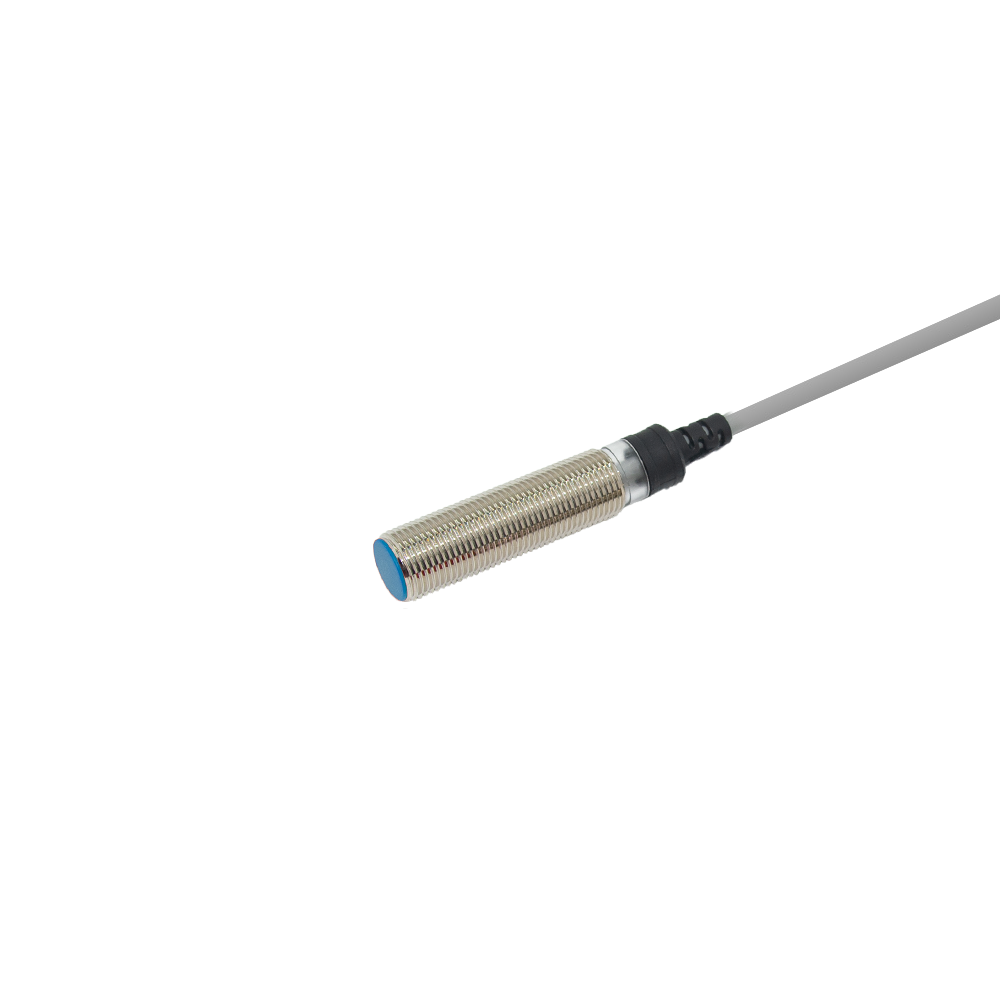
इंडक्टिव सेंसर को इतना आवश्यक बनाने वाले कारकों को समझने के लिए उसके मूल कार्य से परे देखना आवश्यक है। यह केवल धातु का पता लगाने वाला एक स्विच नहीं है। यह एक परिशुद्धता यंत्र है, जिसे ऐसी परिस्थितियों में विश्वसनीय रूप से कार्य करने के लिए अभियांत्रिकी द्वारा डिज़ाइन किया गया है, जो कमज़ोर घटकों को नष्ट कर देती हैं — अत्यधिक तापमान, निरंतर कंपन, तेल का कोहरा, शीतलक का छिड़काव और विद्युतचुंबकीय हस्तक्षेप। यह लेख उन मुख्य कारणों की जाँच करता है, जिनके कारण इंडक्टिव सेंसर औद्योगिक उपकरणों में अपनी अपरिहार्य स्थिति प्राप्त कर चुका है, और यह भी कि इंजीनियर इसे माँग वाले अनुप्रयोगों में पता लगाने की प्राथमिक तकनीक के रूप में क्यों निर्दिष्ट करते रहते हैं।
औद्योगिक विश्वसनीयता को संचालित करने वाला संचालन सिद्धांत
विद्युतचुंबकीय प्रेरण कैसे गैर-संपर्क पता लगाने को सक्षम बनाती है
प्रेरक सेंसर विद्युतचुंबकीय प्रेरण के सिद्धांत पर कार्य करता है। सेंसर के आवरण के अंदर, एक फेराइट कोर के चारों ओर लपेटी गई कुंडली एक उच्च-आवृत्ति के दोलनशील विद्युतचुंबकीय क्षेत्र को उत्पन्न करती है, जो संवेदन फलक से बाहर की ओर फैलता है। जब कोई धात्विक लक्ष्य इस क्षेत्र में प्रवेश करता है, तो लक्ष्य के पदार्थ के भीतर भंवर धाराएँ प्रेरित हो जाती हैं। ये भंवर धाराएँ दोलन परिपथ से ऊर्जा अवशोषित करती हैं, जिससे दोलन के आयाम में एक मापनीय कमी आती है। सेंसर का आंतरिक परिपथ इस परिवर्तन का पता लगाता है और एक स्विचिंग आउटपुट को सक्रिय करता है।
यह डिटेक्शन तंत्र सेंसर और लक्ष्य के बीच किसी भौतिक संपर्क की आवश्यकता नहीं रखता है। डिटेक्शन घटना में कोई यांत्रिक कार्यान्वयन, कोई लीवर, कोई स्प्रिंग या कोई गतिमान भाग शामिल नहीं है। पूरी प्रक्रिया विद्युतचुंबकीय है, जिसका अर्थ है कि इंडक्टिव सेंसर यांत्रिक घिसावट के कारण किसी भी अवनति के बिना लाखों डिटेक्शन चक्र पूरे कर सकता है। उच्च-चक्र औद्योगिक अनुप्रयोगों में, यह विशेषता अकेले ही इस प्रौद्योगिकी के व्यापक अपनाए जाने का औचित्य प्रदान करती है।
इंडक्टिव सेंसर की सेंसिंग रेंज कुंडली की ज्यामिति, दोलन आवृत्ति और लक्ष्य सामग्री द्वारा निर्धारित की जाती है। फेरस धातुएँ, जैसे स्टील और लोहा, सबसे मजबूत प्रतिक्रिया उत्पन्न करती हैं, जबकि एल्यूमीनियम और तांबा जैसी अफेरस धातुएँ अपने विभिन्न विद्युतचुंबकीय गुणों के कारण कमजोर प्रतिक्रिया उत्पन्न करती हैं। इंजीनियर गैर-फेरस लक्ष्यों के लिए सेंसर के विनिर्देशन के समय इसे ध्यान में रखते हुए सुधारात्मक गुणांकों का उपयोग करते हैं, ताकि सामग्री के प्रकार के बावजूद सटीक और दोहरावयोग्य डिटेक्शन सुनिश्चित किया जा सके।
वास्तविक औद्योगिक परिस्थितियों में गैर-संपर्क सिद्धांत का महत्व क्यों है
औद्योगिक मशीनरी ऐसी परिस्थितियों के अधीन काम करती है जो यांत्रिक घटकों के लिए मौलिक रूप से प्रतिकूल होती हैं। कंपन, आघात भार, तापीय चक्र और दूषण — ये सभी कारक किसी भी ऐसी प्रणाली में घिसावट को तेज करते हैं जो अपने कार्य के लिए भौतिक संपर्क पर निर्भर करती है। उदाहरण के लिए, एक यांत्रिक सीमा स्विच एक भौतिक एक्चुएटर पर निर्भर करता है जिसे लक्ष्य द्वारा दबाया जाता है। समय के साथ, एक्चुएटर घिस जाता है, संपर्क तंत्र का अवक्षय होता है, और स्विच अविश्वसनीय आउटपुट उत्पन्न करना शुरू कर देता है या पूरी तरह से विफल हो जाता है।
प्रेरक सेंसर इस विफलता के मोड को पूरी तरह से समाप्त कर देता है। चूँकि डिटेक्शन विद्युतचुंबकीय है, न कि यांत्रिक, इसलिए कोई एक्चुएटर घिसने के लिए नहीं है, कोई संपर्क क्षरण के लिए नहीं है, और कोई स्प्रिंग थकान के लिए नहीं है। सेंसर का फेस आमतौर पर एक मजबूत हाउसिंग — अक्सर स्टेनलेस स्टील या निकल-लेपित पीतल — के पीछे सील किया जाता है, जो धक्के, रासायनिक संपर्क और घर्षण का प्रतिरोध करता है। इससे प्रेरक सेंसर लगभग हर औद्योगिक वातावरण में संपर्क-आधारित विकल्पों की तुलना में स्वतः ही अधिक टिकाऊ बन जाता है।
सीएनसी मशीनिंग केंद्रों जैसे अनुप्रयोगों में, जहाँ लगातार कूलेंट और धातु के चिप्स मौजूद रहते हैं, या खाद्य प्रसंस्करण लाइनों में, जहाँ वॉशडाउन चक्र नियमित रूप से किए जाते हैं, प्रेरक सेंसर की सील की गई गैर-संपर्क डिज़ाइन एक ऐसी संचालन निरंतरता प्रदान करती है जिसे यांत्रिक स्विच बिल्कुल भी प्रतिस्पर्धा नहीं कर सकते। इसका परिणाम कम अनियोजित रुकावटें, कम रखरखाव लागत और लंबे उत्पादन चक्र के दौरान मशीन के व्यवहार के प्रति अधिक विश्वास है।
उद्योगिक उपकरणों में प्रेरक सेंसर की मुख्य भूमिकाएँ
स्थिति का पता लगाना और यात्रा के अंत की पुष्टि करना
उद्योगिक उपकरणों में प्रेरक सेंसर की सबसे मौलिक भूमिकाओं में से एक गतिशील घटकों की स्थिति की पुष्टि करना है। एक्चुएटर, स्लाइड, क्लैम्प, घूर्णन मेज़ें और उपकरण परिवर्तक सभी को यह सुनिश्चित करने के लिए विश्वसनीय स्थिति प्रतिक्रिया की आवश्यकता होती है कि मशीन नियंत्रक को प्रत्येक घटक की स्थिति का पता हो, ताकि वह क्रम में अगले चरण को शुरू कर सके। सटीक स्थिति पुष्टि के बिना, मशीनें सुरक्षित या कुशल रूप से संचालित नहीं की जा सकतीं।
प्रेरक सेंसर इस भूमिका के लिए आदर्श रूप से उपयुक्त है क्योंकि इसका आउटपुट स्वच्छ, तीव्र और दोहरावयोग्य होता है। कई सौ हर्ट्ज़ की स्विचिंग आवृत्तियाँ सामान्य हैं, जिसका अर्थ है कि सेंसर मिलीसेकंड में होने वाले स्थिति परिवर्तनों की पुष्टि कर सकता है। यह गति उच्च-उत्पादकता ऑटोमेशन में आवश्यक है, जहाँ साइकिल समय एक सेकंड के अंशों में मापे जाते हैं और स्थिति प्रतिक्रिया में कोई भी देरी सीधे उत्पादन क्षमता को कम कर देती है।
यात्रा के अंत का पता लगाना एक विशेष रूप से महत्वपूर्ण अनुप्रयोग है। जब एक वायवीय या हाइड्रोलिक सिलेंडर अपने स्ट्रोक के अंत तक पहुँच जाता है, तो इंडक्टिव सेंसर यह स्थिति कंट्रोलर को पुष्टि करता है, जिसके बाद कंट्रोलर अनुक्रम में अगली कार्यवाही की अनुमति देता है। यदि सेंसर स्थिति की पुष्टि नहीं कर पाता है, तो कंट्रोलर अनुक्रम को रोक देता है, जिससे संभावित रूप से हानिकारक टक्कर या प्रक्रिया त्रुटियों को रोका जा सकता है। इस भूमिका में इंडक्टिव सेंसर की विश्वसनीयता सीधे मशीन सुरक्षा और उत्पादन गुणवत्ता दोनों का समर्थन करती है।
ड्राइव सिस्टम में गति और घूर्णन निगरानी
स्थिर स्थिति का पता लगाने के अतिरिक्त, इंडक्टिव सेंसर का उपयोग ड्राइव सिस्टम में घूर्णन गति और गति की निगरानी के लिए व्यापक रूप से किया जाता है। एक दांतेदार पहिया, गियर या कैम के निकट इंडक्टिव सेंसर को स्थापित करके, इंजीनियर एक पल्स ट्रेन उत्पन्न कर सकते हैं जिसकी आवृत्ति सीधे घूर्णन गति के समानुपाती होती है। यह संकेत आरपीएम की गणना करने, अतिगति या अल्पगति की स्थितियों का पता लगाने और बहु-अक्ष सिस्टम में शाफ्ट समकालन की निगरानी करने के लिए एक नियंत्रक या आवृत्ति काउंटर द्वारा संसाधित किया जा सकता है।
यह अनुप्रयोग कन्वेयर ड्राइव, स्पिंडल निगरानी प्रणालियों और गियरबॉक्स स्थिति निगरानी में आम है। इंडक्टिव सेंसर की क्षमता जो उच्च गति पर गुजरने वाले व्यक्तिगत गियर दांतों का पता लगा सकती है — बिना किसी संपर्क के और गियर सतह पर चिकनाई या कूड़े-करकट के प्रभाव के बिना — इसे ऐसे वातावरणों में ऑप्टिकल एन्कोडर्स की तुलना में कहीं अधिक व्यावहारिक बनाती है जहाँ दूषण एक निरंतर कारक है।
सुरक्षा-महत्वपूर्ण अनुप्रयोगों में, दोहरे प्रेरक सेंसर कभी-कभी एक ही घूर्णन तत्व पर दोहरित गति संकेत प्रदान करने के लिए उपयोग किए जाते हैं। यदि दोनों संकेत अलग-अलग हो जाते हैं, तो नियंत्रक एक दोष स्थिति को चिह्नित कर सकता है और एक नियंत्रित शटडाउन शुरू कर सकता है। प्रेरक सेंसर की कम लागत और संक्षिप्त आकार के कारण संभव यह दोहराव वास्तुकला, कार्यात्मक सुरक्षा को जटिल और महंगे समर्पित सुरक्षा हार्डवेयर के बिना लागू करने का एक व्यावहारिक तरीका है।
वातावरणीय प्रतिरोधात्मकता जो औद्योगिक विनिर्देश को उचित ठहराती है
दूषण और कठोर माध्यमों के तहत प्रदर्शन
औद्योगिक वातावरण शायद ही कभी स्वच्छ होते हैं। कटिंग द्रव, हाइड्रोलिक तेल, धूल, धातु का स्वार्फ (छीलन), और रासायनिक वाष्प अधिकांश विनिर्माण एवं प्रसंस्करण सुविधाओं में विभिन्न संयोजनों में मौजूद होते हैं। इन वातावरणों में उपयोग के लिए निर्दिष्ट किसी भी सेंसिंग प्रौद्योगिकी को इन संदूषकों के लगातार संपर्क में आने के बावजूद भी सटीक और दोहरावयोग्य प्रदर्शन बनाए रखने में सक्षम होना चाहिए। इंडक्टिव सेंसर को इस आवश्यकता को पूरा करने के लिए मूल स्तर से ही डिज़ाइन किया गया है।
एक इंडक्टिव सेंसर का सेंसिंग फेस एक ठोस, गैर-सुगम सतह होती है — आमतौर पर एक पॉलिमर या सिरेमिक सामग्री — जो द्रवों को अवशोषित नहीं करती है और बिना क्षति के साफ की जा सकती है। अधिकांश औद्योगिक-श्रेणी के उत्पादों में मानक के रूप में हाउसिंग को IP67 या IP68 रेटिंग के अनुसार सील किया जाता है, जिसका अर्थ है कि सेंसर को कूलेंट में पूर्णतः डुबोया जा सकता है या उच्च-दाब वॉशडाउन के अधीन किया जा सकता है, बिना किसी जल प्रवेश के। यह प्रकार की पर्यावरणीय सुरक्षा कोई वैकल्पिक अपग्रेड नहीं है; यह किसी भी औद्योगिक उपयोग के लिए निर्दिष्ट इंडक्टिव सेंसर के लिए एक आधारभूत अपेक्षा है।
रासायनिक प्रदूषण के प्रति प्रतिरोधकता भी उतनी ही महत्वपूर्ण है। कई औद्योगिक द्रव — जिनमें कुछ कटिंग तेल, हाइड्रोलिक द्रव और सफाई एजेंट शामिल हैं — प्लास्टिक और इलास्टोमर्स के प्रति आक्रामक होते हैं। औद्योगिक प्रेरक सेंसर आमतौर पर ऐसी आवास सामग्रियों और केबल जैकेट यौगिकों से निर्मित होते हैं जो विशेष रूप से रासायनिक प्रतिरोधकता के लिए चुने गए होते हैं, जिससे यह सुनिश्चित होता है कि सेंसर प्रक्रिया द्रवों में डूबे रहने या बार-बार उनसे छींटे खाने की स्थिति में भी कार्यात्मक बना रहे।
तापीय और यांत्रिक तनाव सहनशीलता
तापमान के चरम मान औद्योगिक सेंसिंग अनुप्रयोगों में एक अन्य महत्वपूर्ण चुनौती प्रस्तुत करते हैं। फाउंड्री, ऊष्मा उपचार सुविधाएँ और बाहरी स्थापनाएँ सेंसरों को ऐसे तापमान के संपर्क में लाती हैं, जो संवेदन बिंदु के तुरंत आसपास जमाव बिंदु से काफी नीचे से लेकर सैकड़ों डिग्री सेल्सियस तक हो सकते हैं। इंडक्टिव सेंसर विस्तारित तापमान सीमा के लिए अनुमति प्रदान करने वाले संस्करणों में उपलब्ध हैं, जिनमें आंतरिक घटकों और आवरण सामग्रियों का चयन पूर्ण संचालन सीमा के दौरान स्थिर प्रदर्शन बनाए रखने के लिए किया गया है।
यांत्रिक झटका और कंपन समान रूप से कठोर होते हैं। स्टैम्पिंग प्रेस, फोर्जिंग उपकरण और भारी वाहन परिवहन बेल्ट जैसे अनुप्रयोगों में, सेंसरों को लगातार कंपन और आवधिक प्रभाव भारों के संपर्क में रखा जाता है, जो कमजोर डिज़ाइन वाले घटकों को शीघ्र ही ढीला कर देगा या उन्हें क्षतिग्रस्त कर देगा। इंडक्टिव सेंसर का सॉलिड-स्टेट निर्माण — जिसमें कोई गतिमान भाग नहीं होते और एक मजबूत आवरण होता है — इन यांत्रिक तनावों के प्रति इसकी अंतर्निहित प्रतिरोधक क्षमता प्रदान करता है। कठोर ब्रैकेट में उचित माउंटिंग यह और सुनिश्चित करती है कि सेंसर गतिशील भारण स्थितियों के तहत अपनी संरेखण और संवेदन अंतराल को बनाए रखे।
विद्युत चुम्बकीय हस्तक्षेप औद्योगिक पर्यावरण में कम दृश्यमान लेकिन समान रूप से वास्तविक चुनौती है। परिवर्तनशील आवृत्ति ड्राइव, वेल्डिंग उपकरण और बड़े मोटर सभी महत्वपूर्ण विद्युत चुम्बकीय शोर उत्पन्न करते हैं, जो संवेदनशील इलेक्ट्रॉनिक घटकों से आने वाले संकेतों को विकृत कर सकता है। प्रेरक सेंसर की आंतरिक सर्किट्री को शोर प्रतिरोध के ध्यान में रखकर डिज़ाइन किया गया है, और सेंसर का आउटपुट सिग्नल — आमतौर पर एक स्वच्छ डिजिटल स्विचिंग आउटपुट — अन्य संवेदन प्रौद्योगिकियों से आने वाले एनालॉग सिग्नलों की तुलना में हस्तक्षेप के प्रति सहज रूप से अधिक प्रतिरोधी होता है।
स्वचालित प्रणालियों में एकीकरण के लाभ
औद्योगिक नियंत्रण वास्तुकला के साथ संगतता
प्रेरक सेंसर आधुनिक औद्योगिक स्वचालन में उपयोग की जाने वाली नियंत्रण वास्तुकला के साथ पूर्णतः एकीकृत होता है। मानक आउटपुट विन्यास — एनपीएन, पीएनपी और पुश-पुल — औद्योगिक उपकरणों में उपयोग किए जाने वाले लगभग सभी प्रोग्रामेबल लॉजिक कंट्रोलर्स, सुरक्षा रिले और मोशन कंट्रोलर्स के साथ संगत हैं। सेंसर का डिजिटल स्विचिंग आउटपुट सिग्नल कंडीशनिंग, एनालॉग-टू-डिजिटल कन्वर्जन या अतिरिक्त इंटरफ़ेस हार्डवेयर की आवश्यकता के बिना सीधे एक डिजिटल इनपुट कार्ड से जुड़ जाता है।
यह प्लग-एंड-प्ले संगतता एक प्रेरक सेंसर को किसी नई या मौजूदा मशीन में एकीकृत करने के लिए आवश्यक इंजीनियरिंग प्रयास को काफी कम कर देती है। वायरिंग सीधी-सादी है, चालू करने की प्रक्रिया त्वरित है, और सेंसर का व्यवहार भविष्यवाणी योग्य है तथा स्वचालन इंजीनियरों द्वारा विश्वभर में अच्छी तरह से समझा जाता है। मानकीकृत आकार-कारकों (फॉर्म फैक्टर्स) की उपलब्धता — जिनमें M8, M12, M18 और M30 बेलनाकार आवरण सबसे सामान्य हैं — का अर्थ है कि विभिन्न उत्पादन बैचों या यहाँ तक कि विभिन्न आपूर्तिकर्ताओं से प्राप्त सेंसरों को मशीन में कोई यांत्रिक संशोधन किए बिना आपस में बदला जा सकता है।
ऐसे अनुप्रयोगों के लिए, जिनमें सरल स्विचिंग आउटपुट के बजाय एनालॉग स्थिति प्रतिक्रिया की आवश्यकता होती है, एनालॉग इंडक्टिव सेंसर उपलब्ध हैं जो सेंसर के मुख्य भाग और लक्ष्य के बीच की दूरी के समानुपातिक एक निरंतर वोल्टेज या धारा आउटपुट प्रदान करते हैं। ये संस्करण इंडक्टिव सेंसर के अनुप्रयोग क्षेत्र को गैप मॉनिटरिंग, मोटाई मापन और सतह रनआउट डिटेक्शन जैसे परिशुद्धता मापन कार्यों तक विस्तारित करते हैं, जिससे औद्योगिक उपकरणों में इसकी उपयोगिता और अधिक व्यापक हो जाती है।
पूर्वानुमानात्मक रखरखाव और स्थिति निगरानी में योगदान
जैसे-जैसे औद्योगिक सुविधाएँ भविष्यवाणी रखरखाव (प्रेडिक्टिव मेंटेनेंस) की रणनीतियों की ओर बढ़ रही हैं, प्रेरक सेंसर अपने पारंपरिक स्विचिंग कार्य के पार एक बढ़ती हुई महत्वपूर्ण भूमिका निभा रहा है। महत्वपूर्ण उपकरणों पर पहले से स्थापित प्रेरक सेंसरों की सिग्नल गुणवत्ता और स्विचिंग स्थिरता की निगरानी करके, रखरखाव प्रणालियाँ यांत्रिक अवक्षय के प्रारंभिक लक्षणों — जैसे बढ़ी हुई कंपन, असंरेखण या लक्ष्य (टारगेट) का क्षरण — का पता लगा सकती हैं, इससे पहले कि ये स्थितियाँ किसी मशीन की विफलता का कारण बनें।
कुछ उन्नत प्रेरक सेंसर डिज़ाइनों में आईओ-लिंक (IO-Link) संचार क्षमता को शामिल किया गया है, जो सेंसर को केवल अपनी स्विचिंग स्थिति ही नहीं, बल्कि सिग्नल शक्ति, कार्यात्मक तापमान और संचयी स्विचिंग चक्रों सहित नैदानिक डेटा भी प्रसारित करने की अनुमति देती है। यह डेटा एक आईओ-लिंक मास्टर द्वारा एकत्र किया जा सकता है और फिर एक संयंत्र-स्तरीय निगरानी प्रणाली को अग्रेषित किया जा सकता है, जिससे रखरखाव टीमों को सेंसर के स्वास्थ्य और उन यांत्रिक प्रणालियों की स्थिति के बारे में दृश्यता प्राप्त होती है, जिनकी निगरानी सेंसर कर रहा है।
एक प्रेरक सेंसर से स्थिति निगरानी के आंकड़ों को निकालने की क्षमता, जो पहले से ही अपना प्राथमिक डिटेक्शन कार्य कर रहा है, एक महत्वपूर्ण दक्षता लाभ प्रदान करती है। कंपन सेंसर, तापमान सेंसर या क्षरण संकेतकों को अलग से स्थापित करने के बजाय, इंजीनियर उस प्रेरक सेंसर की नैदानिक क्षमताओं का उपयोग कर सकते हैं जिससे मशीन के स्वास्थ्य के बारे में एक समृद्ध चित्र बनाया जा सके, और इसके लिए न्यूनतम अतिरिक्त हार्डवेयर निवेश की आवश्यकता होती है। यह दोहरी कार्यक्षमता एक मुख्य कारण है जिसके कारण प्रेरक सेंसर नए मशीन डिज़ाइनों में निर्दिष्ट किए जाने की प्रवृत्ति में लगातार वृद्धि हो रही है।
औद्योगिक अनुप्रयोगों के लिए चयन विचार
सेंसर विनिर्देशों का मिलान अनुप्रयोग आवश्यकताओं को
किसी दिए गए अनुप्रयोग के लिए सही प्रेरक सेंसर का चयन करने के लिए कई आपस में निर्भर पैरामीटरों पर ध्यान से विचार करना आवश्यक है। संवेदन रेंज सबसे स्पष्ट शुरुआती बिंदु है, लेकिन इसका मूल्यांकन लक्ष्य सामग्री, उपलब्ध माउंटिंग स्थान और पूर्ण संचालन स्थितियों की श्रृंखला में आवश्यक संसूचन विश्वसनीयता के संदर्भ में किया जाना चाहिए। अधिकतम नामांकित संवेदन रेंज पर निर्दिष्ट एक सेंसर, लक्ष्य में परिवर्तनों और माउंटिंग सहिष्णुताओं के प्रति उस सेंसर की तुलना में अधिक संवेदनशील होगा जो अपनी नामांकित रेंज के भीतर पर्याप्त सुरक्षित सीमा पर संचालित हो रहा हो।
हाउसिंग फॉर्म फैक्टर और माउंटिंग शैली दोनों समान रूप से महत्वपूर्ण हैं। फ्लश-माउंट इंडक्टिव सेंसर, जिन्हें सेंसिंग फेस को आसपास की माउंटिंग सतह के स्तर पर स्थापित किया जा सकता है, उन अनुप्रयोगों में वरीयता प्राप्त हैं जहाँ सेंसर को गुज़रते हुए लक्ष्यों द्वारा टकराया जा सकता है या जहाँ स्थान की सीमाएँ उभरे हुए सेंसर के उपयोग को रोकती हैं। गैर-फ्लश सेंसर एक दिए गए हाउसिंग व्यास के लिए अधिक सेंसिंग रेंज प्रदान करते हैं, लेकिन इन्हें सेंसिंग फेस के चारों ओर एक स्पष्ट क्षेत्र की आवश्यकता होती है ताकि आसन्न धातु संरचनाओं से गलत ट्रिगरिंग को रोका जा सके।
आउटपुट कॉन्फ़िगरेशन को जुड़े हुए नियंत्रक की इनपुट आवश्यकताओं के अनुरूप होना चाहिए। NPN (करंट सिंकिंग) आउटपुट एशियाई मशीन टूल अनुप्रयोगों में कई बार मानक होते हैं, जबकि PNP (करंट सोर्सिंग) आउटपुट यूरोपीय स्वचालन प्रणालियों में अधिक सामान्य हैं। पुश-पुल आउटपुट, जो वायरिंग कॉन्फ़िगरेशन के आधार पर या तो NPN या PNP के रूप में कार्य कर सकते हैं, मिश्रित-मानक वातावरणों में लचीलापन प्रदान करते हैं। इंडक्टिव सेंसर के विनिर्देशन से पहले आवश्यक आउटपुट प्रकार की पुष्टि करने से चालू करने के दौरान महंगे वायरिंग संशोधनों से बचा जा सकता है।
खरीद मूल्य के अतिरिक्त दीर्घकालिक स्वामित्व लागत
एक प्रेरक सेंसर की खरीद मूल्य, उस उपकरण के समग्र स्वामित्व लागत का केवल एक छोटा सा हिस्सा है, जिसमें यह स्थापित किया गया है। रखरखाव के लिए श्रम, सेंसर की विफलता के कारण होने वाला अनियोजित डाउनटाइम, और प्रतिस्थापन भागों की लागत — ये सभी कारक चुने गए सेंसिंग प्रौद्योगिकी के वास्तविक आर्थिक प्रभाव में योगदान देते हैं। जब इन कारकों पर विचार किया जाता है, तो प्रेरक सेंसर का लागत प्रोफाइल यांत्रिक विकल्पों की तुलना में लगातार अधिक अनुकूल होता है।
गतिशील भागों का अभाव इस बात का अर्थ है कि प्रेरक सेंसर को नियमित रूप से चिकनाई, समायोजन या यांत्रिक निरीक्षण की आवश्यकता नहीं होती है। इसका सीलबंद निर्माण अधिकांश औद्योगिक वातावरणों में सुरक्षात्मक कवर या आवास की आवश्यकता समाप्त कर देता है। और इसका लंबा सेवा जीवन — जो अक्सर कई करोड़ स्विचिंग चक्रों में मापा जाता है — इसका अर्थ है कि प्रतिस्थापन के अंतराल उन यांत्रिक स्विचों की तुलना में काफी लंबे होते हैं, जो समान परिस्थितियों में कार्य करते हैं।
मशीन निर्माताओं और अंतिम उपयोगकर्ताओं दोनों के लिए, इंडक्टिव सेंसर की विश्वसनीयता सीधे रूप से रखरखाव के बोझ को कम करने और उत्पादन के अधिक समय तक चलने (अपटाइम) में वृद्धि में अनुवादित होती है। उच्च-मात्रा वाले विनिर्माण वातावरण में, जहाँ प्रत्येक मिनट का अनियोजित डाउनटाइम एक मापने योग्य लागत का कारण बनता है, एक ऐसी सेंसिंग तकनीक का मूल्य, जो सिर्फ चक्र के बाद चक्र और शिफ्ट के बाद शिफ्ट चलती रहती है, को अतिरंजित करना कठिन है। यही अंततः वह कारण है जिसके कारण इंडक्टिव सेंसर विश्व भर में औद्योगिक उपकरण डिज़ाइन में एक मानक घटक बन गया है।
अक्सर पूछे जाने वाले प्रश्न
इंडक्टिव सेंसर किन प्रकार के लक्ष्यों का पता लगा सकता है?
एक प्रेरक सेंसर को धात्विक लक्ष्यों का पता लगाने के लिए डिज़ाइन किया गया है। स्टील और लोहे जैसी लौह धातुएँ सबसे मजबूत प्रतिक्रिया उत्पन्न करती हैं और सेंसर की पूर्ण नामित सीमा तक पता लगाने की अनुमति देती हैं। एल्यूमीनियम, तांबा और पीतल जैसी अलौह धातुओं का भी पता लगाया जा सकता है, लेकिन लौह लक्ष्यों की तुलना में प्रभावी संवेदन सीमा कम हो जाती है। सटीक कमी का कारक विशिष्ट धातु और सेंसर के डिज़ाइन पर निर्भर करता है, और निर्माता आमतौर पर अपने उत्पाद दस्तावेज़ीकरण में इसकी भरपाई के लिए सुधार कारक प्रदान करते हैं, ताकि इंजीनियर अलौह अनुप्रयोगों के लिए सेंसर निर्दिष्ट करते समय इसका ध्यान रख सकें।
प्रेरक सेंसर, धारितीय सेंसर से किस प्रकार भिन्न होता है?
एक प्रेरक सेंसर धातु की वस्तुओं का पता लगाता है, जो लक्ष्य में प्रेरित भंवर धाराओं के कारण विद्युत चुम्बकीय क्षेत्र में आने वाले परिवर्तनों पर प्रतिक्रिया देता है। इसके विपरीत, एक संधारित्री सेंसर किसी भी पदार्थ — जिसमें प्लास्टिक, द्रव, लकड़ी और कणीय पदार्थ जैसे अधात्विक पदार्थ शामिल हैं — की उपस्थिति के कारण अपने संवेदन क्षेत्र में होने वाले धारिता में परिवर्तन का पता लगाता है। जब धातु-विशिष्ट पहचान की आवश्यकता होती है, तो प्रेरक सेंसर को वरीयता दी जाती है, क्योंकि यह अधात्विक दूषकों या पैकेजिंग सामग्रियों पर प्रतिक्रिया नहीं करेगा, जो अनजाने में संधारित्री सेंसर को ट्रिगर कर सकते हैं।
क्या एक प्रेरक सेंसर का उपयोग वेल्डिंग वातावरण में किया जा सकता है?
मानक प्रेरक सेंसर वेल्डिंग वातावरण में उत्पन्न होने वाले तीव्र विद्युत चुंबकीय क्षेत्रों और वेल्ड स्पैटर से प्रभावित हो सकते हैं। इन अनुप्रयोगों के लिए, वेल्ड-प्रतिरोधी प्रेरक सेंसर उपलब्ध हैं, जिनमें वेल्डिंग उपकरणों द्वारा उत्पन्न होने वाले हस्तक्षेप को अस्वीकार करने के लिए विशेष रूप से डिज़ाइन किए गए शील्डिंग और सर्किट डिज़ाइन शामिल हैं। इन सेंसरों में वेल्ड स्पैटर के भौतिक प्रभावों का प्रतिरोध करने के लिए कठोर फेस और एंटी-स्पैटर कोटिंग भी होती है। वेल्डिंग फिक्सचर और रोबोटिक वेल्डिंग अनुप्रयोगों में वेल्ड-प्रतिरोधी प्रेरक सेंसर का चयन विश्वसनीय दीर्घकालिक प्रदर्शन के लिए आवश्यक है।
प्रेरक सेंसर की IP रेटिंग क्या दर्शाती है?
इंडक्टिव सेंसर की आईपी (इनग्रेस प्रोटेक्शन) रेटिंग उसकी ठोस कणों और तरल पदार्थों के प्रवेश के प्रति प्रतिरोध को दर्शाती है। यह रेटिंग दो अंकों से बनी होती है: पहला अंक धूल जैसे ठोस कणों के प्रति सुरक्षा को दर्शाता है, और दूसरा अंक तरल पदार्थों के प्रति सुरक्षा को दर्शाता है। आईपी67 रेटेड इंडक्टिव सेंसर पूर्णतः धूलरोधी होता है और एक मीटर की गहराई तक पानी में अस्थायी डुबकी को सहन कर सकता है। आईपी68 रेटिंग बड़ी गहराई पर निरंतर डुबकी के लिए सुरक्षा को दर्शाती है। अधिकांश औद्योगिक अनुप्रयोगों में, जिनमें कूलेंट, वॉशडाउन या बाहरी प्रकाश के संपर्क का सामना करना होता है, इंडक्टिव सेंसर का चयन करते समय न्यूनतम आईपी67 रेटिंग की अनुशंसा की जाती है।