 EN
EN

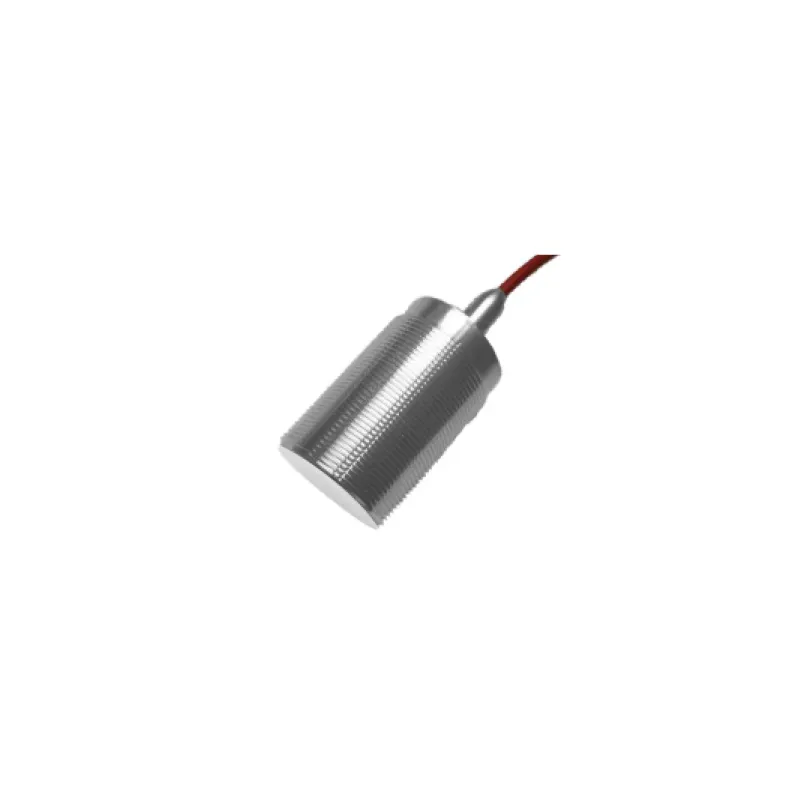
শিল্প স্বয়ংক্রিয়করণ সিস্টেমগুলি ক্রমবর্ধমানভাবে সঠিক এবং নির্ভরযোগ্য সনাক্তকরণ প্রযুক্তির উপর নির্ভর করছে, যা বিভিন্ন ধরনের লক্ষ্য উপাদানের সাথে সামঞ্জস্যপূর্ণ হতে পারে। যদিও ইনডাক্টিভ প্রোক্সিমিটি সেন্সরগুলি দীর্ঘদিন ধরে ধাতু সনাক্তকরণ অ্যাপ্লিকেশনগুলিতে প্রাধান্য বজায় রেখেছে, প্লাস্টিক, তরল, গুঁড়ো এবং জৈব পদার্থের মতো অ-ধাতব উপাদান সনাক্ত করার চ্যালেঞ্জটি ক্যাপাসিটিভ সেন্সিং প্রযুক্তির বিকাশকে ত্বরান্বিত করেছে। একটি ক্যাপাসিটিভ প্রোক্সিমিটি সুইচ একটি মৌলিকভাবে আলাদা সনাক্তকরণ নীতি প্রদান করে যা এটিকে অ-ধাতব বস্তুগুলির জন্য বিশেষভাবে উপযুক্ত করে তোলে, এবং বিভিন্ন শিল্প প্রক্রিয়ায় উৎপাদনকারীদের বহুমুখী সেন্সিং ক্ষমতা প্রদান করে। এই প্রযুক্তির অ-পরিবাহী উপাদানগুলির সাথে কেন এত ভালো কাজ করে তা বোঝা শুধুমাত্র এর কার্যকরী সুবিধাগুলির পাশাপাশি আধুনিক স্বয়ংক্রিয়করণ স্থাপত্যে এর বিস্তারিত ভূমিকাও প্রকাশ করে।
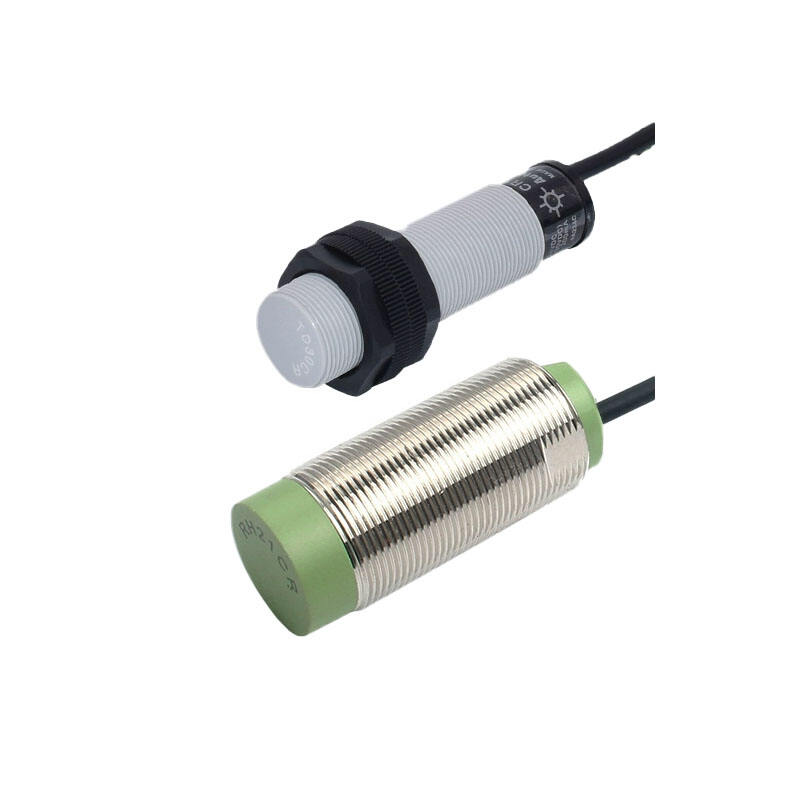
অ-ধাতব বস্তু সনাক্তকরণে ধারকীয় নিকটতা সুইচগুলির শ্রেষ্ঠত্ব এই বস্তুগুলির ডাইইলেকট্রিক বৈশিষ্ট্যের পরিবর্তন অনুভব করার ক্ষমতা থেকে উদ্ভূত হয়, যা ইলেকট্রোম্যাগনেটিক আবেশনের উপর নির্ভর করে না। কার্যকরী নীতিতে এই মৌলিক পার্থক্য এই সেন্সরগুলিকে বায়ুর চেয়ে ভিন্ন ডাইইলেকট্রিক ধ্রুবক সম্পন্ন প্রায় যেকোনো পদার্থ—যেমন জল, কাঠ, কাগজ, কাচ, সিরামিক এবং বিভিন্ন সিনথেটিক উপাদান—সনাক্ত করতে সক্ষম করে। খাদ্য প্রক্রিয়াকরণ ও ফার্মাসিউটিক্যালস থেকে শুরু করে রাসায়নিক উৎপাদন ও প্যাকেজিং পর্যন্ত বিভিন্ন শিল্প ক্ষেত্রে এই ক্ষমতা ইনডাক্টিভ সেন্সরগুলি যে সমস্যাগুলি সমাধান করতে পারে না, সেগুলির সমাধান প্রদান করে। নিম্নলিখিত বিশ্লেষণে ধারকীয় সেন্সিং প্রযুক্তিকে অ-ধাতব লক্ষ্যবস্তু সনাক্তকরণের জন্য সর্বোত্তম পছন্দ করে তোলা তার কারিগরি কারণ, কার্যকরী সুবিধা এবং ব্যবহারিক প্রয়োগগুলি আলোচনা করা হয়েছে।
অ-ধাতব উপাদানগুলির ধারকীয় সনাক্তকরণের পেছনে থাকা পদার্থবিদ্যা
ডাইইলেকট্রিক ক্ষেত্র সনাক্তকরণ নীতি
একটি ধারকত্ব-ভিত্তিক নিকটবর্তী সুইচ তার সেন্সিং পৃষ্ঠে একটি ইলেকট্রোস্ট্যাটিক ক্ষেত্র তৈরি করে, যা ইলেকট্রোড ও গ্রাউন্ডের মধ্যে একটি ধারক গঠন করে। যখন কোনো লক্ষ্য বস্তু এই ক্ষেত্রে প্রবেশ করে, তখন তা প্লেটগুলির মধ্যবর্তী মাধ্যমের ডাইইলেকট্রিক বৈশিষ্ট্য পরিবর্তন করে সিস্টেমের ধারকত্ব পরিবর্তন করে। প্রবাহিত ধারার কারণে ভর্তুকি প্রবাহ সৃষ্টি করতে পরিবাহী উপাদানের প্রয়োজন হয় এমন ইন্ডাক্টিভ সেন্সরগুলির বিপরীতে, ক্যাপাসিটিভ সেন্সরগুলি লক্ষ্য উপাদানের নিজস্ব ডাইইলেকট্রিক ধ্রুবকের প্রতি সাড়া দেয়। প্লাস্টিক, তরল ও জৈব উপাদানের মতো অ-ধাতব পদার্থগুলির ডাইইলেকট্রিক ধ্রুবক প্রায় ২ থেকে ৮০ পর্যন্ত হয়, যেখানে জল এই স্পেকট্রামের উচ্চ প্রান্তে অবস্থিত। ডাইইলেকট্রিক মানের এই বিস্তৃত পরিসরটি ক্যাপাসিটিভ নিকটবর্তী সুইচকে সহজাতভাবে ইন্ডাক্টিভ সেন্সিং প্রযুক্তির দ্বারা অদৃশ্য হওয়া উপাদানগুলির প্রতি সঁজিবদ্ধ করে তোলে।
সেন্সিং ব্যবস্থাটি লক্ষ্যবস্তু যখন সেন্সরের পৃষ্ঠের কাছাকাছি আসে, তখন ধারকতা (ক্যাপাসিট্যান্স) পরিবর্তনের পরিমাপের উপর নির্ভর করে। যখন ডাই-ইলেকট্রিক উপাদানটি ইলেকট্রোস্ট্যাটিক ক্ষেত্রে প্রবেশ করে, তখন এটি সিস্টেমের মোট ধারকতা বৃদ্ধি করে, যা উপাদানটির ডাই-ইলেকট্রিক ধ্রুবক এবং সেন্সরের সাপেক্ষে এর নিকটতা অনুযায়ী সমানুপাতিকভাবে বৃদ্ধি পায়। এই ধারকতা পরিবর্তনটি একটি বৈদ্যুতিক সংকেতে রূপান্তরিত হয়, যা একটি পূর্বনির্ধারিত সীমা অতিক্রম করলে সুইচিং আউটপুটকে ট্রিগার করে। সংবেদনশীলতা সামঞ্জস্য করার ক্ষমতা অপারেটরদের বিভিন্ন লক্ষ্যবস্তুর উপাদানের জন্য সেন্সরটি ক্যালিব্রেট করতে দেয়, যাতে বিভিন্ন অ্যাপ্লিকেশনে ডাই-ইলেকট্রিক বৈশিষ্ট্যগুলির পার্থক্য মেনে চলা যায়। এই সামঞ্জস্য পরিসরটি সাধারণত শুষ্ক প্লাস্টিকের মতো নিম্ন ডাই-ইলেকট্রিক ধ্রুবক সম্পন্ন উপাদান থেকে শুরু করে জলীয় দ্রবণ ও আর্দ্র পদার্থের মতো উচ্চ ধ্রুবক সম্পন্ন উপাদান পর্যন্ত সনাক্ত করার ক্ষমতা বিস্তৃত করে।
উপাদানের বৈশিষ্ট্য প্রতিক্রিয়া বৈশিষ্ট্য
অধাতব উপকরণগুলি বিভিন্ন ডাইইলেকট্রিক বৈশিষ্ট্য প্রদর্শন করে যা ক্যাপাসিটিভ প্রোক্সিমিটি সুইচ দ্বারা সনাক্তকরণ আচরণকে প্রভাবিত করে। কাঠ, কাগজ এবং প্রাকৃতিক তন্তু সহ জৈব উপকরণগুলির সাধারণত ডাইইলেকট্রিক ধ্রুবক ২ থেকে ৭-এর মধ্যে থাকে, ফলে উপযুক্ত সংবেদনশীলতা সেটিংস প্রয়োগ করলে এগুলি সহজেই সনাক্তযোগ্য হয়। পলিইথিলিন, পলিপ্রোপিলিন এবং পিভিসি সহ সিনথেটিক পলিমারগুলির ডাইইলেকট্রিক ধ্রুবক ২ থেকে ৪-এর মধ্যে থাকে, অন্যদিকে নাইলন এবং অ্যাক্রিলিক সহ উপকরণগুলির ডাইইলেকট্রিক ধ্রুবক ৩ থেকে ৫-এর মধ্যে থাকে। এই মাঝারি ডাইইলেকট্রিক মানগুলি সাধারণ শিল্প সেন্সিং দূরত্বে নির্ভরযোগ্য সনাক্তকরণের জন্য যথেষ্ট ক্যাপাসিট্যান্স পরিবর্তন প্রদান করে। তরল সনাক্তকরণ একটি বিশেষভাবে শক্তিশালী অ্যাপ্লিকেশন ক্ষেত্র প্রতিনিধিত্ব করে, কারণ ডাইইলেকট্রিক ধ্রুবক ৫০ থেকে ৮০-এর মধ্যে থাকা জল-ভিত্তিক দ্রবণগুলি বিস্তৃত সেন্সিং পরিসরেও উল্লেখযোগ্য ক্যাপাসিট্যান্স পরিবর্তন সৃষ্টি করে।
অ-ধাতব উপকরণগুলির ডাইইলেকট্রিক বৈশিষ্ট্যগুলি সাধারণ কার্যকরী তাপমাত্রার পরিসরে আপেক্ষিকভাবে স্থিতিশীল থাকে, যা সাধারণ শিল্প পরিবেশে সুস্পষ্ট এবং সুসংগত সনাক্তকরণ কর্মক্ষমতা প্রদান করে। তবে, কাঠ, কাগজ এবং টেক্সটাইলের মতো সুষম উপকরণগুলির ক্ষেত্রে আর্দ্রতার পরিমাণ কার্যকরী ডাইইলেকট্রিক ধ্রুবককে উল্লেখযোগ্যভাবে প্রভাবিত করে। একটি ধারকীয় নিকটবর্তী সুইচ এই আর্দ্রতা-সংবেদনশীলতাকে আসলে আর্দ্রতা সনাক্তকরণ বা ভেজা বনাম শুষ্ক পার্থক্য নির্ণয়ের জন্য প্রয়োগ করতে পারে। গ্লাস এবং সিরামিক উপকরণগুলি, যাদের ডাইইলেকট্রিক ধ্রুবক সাধারণত ৪ থেকে ১০-এর মধ্যে থাকে, তাদের অ-পরিবাহী প্রকৃতি সত্ত্বেও চমৎকার সনাক্তকরণ বৈশিষ্ট্য প্রদান করে। এই উপকরণের বহুমুখিতা একটি একক সেন্সর প্রযুক্তিকে বিভিন্ন উৎপাদন প্রক্রিয়ায় বিভিন্ন সনাক্তকরণ চ্যালেঞ্জের সমাধান করতে সক্ষম করে, যার জন্য প্রতিটি উপকরণ শ্রেণির জন্য বিশেষায়িত সেন্সর প্রকারের প্রয়োজন হয় না।
বাধা উপকরণের মধ্য দিয়ে ভেদ
অ-ধাতব অ্যাপ্লিকেশনগুলিতে ধারকতা-ভিত্তিক প্রোক্সিমিটি সুইচের একটি বিশিষ্ট সুবিধা হলো এটি প্লাস্টিক, কাচ বা অন্যান্য অপরিবাহী উপাদানের পাতলা বাধা স্তরের মাধ্যমে লক্ষ্য উপাদানগুলি সনাক্ত করতে পারে। সেন্সর দ্বারা উৎপন্ন ইলেকট্রোস্ট্যাটিক ক্ষেত্রটি এই বাধা উপাদানগুলির মধ্য দিয়ে ভেদ করে এবং বাধার পরে অবস্থিত লক্ষ্য পদার্থটিকে সনাক্ত করে, যদি সম্মিলিত ডাইইলেকট্রিক প্রভাবটি যথেষ্ট ধারকতা পরিবর্তন সৃষ্টি করে। এই ক্ষমতাটি প্লাস্টিক বা কাচের পাত্রের দেয়ালের মাধ্যমে স্তর সনাক্তকরণ, সীল করা প্যাকেজিংয়ের ভিতরে বিষয়বস্তু সনাক্তকরণ বা সুরক্ষামূলক বাধার পিছনে পদার্থগুলির নজরদারির মতো অ্যাপ্লিকেশনগুলিতে অত্যন্ত গুরুত্বপূর্ণ প্রমাণিত হয়েছে। বাধা উপাদানের মধ্য দিয়ে সেন্সিং দূরত্বটি বাধা উপাদান এবং লক্ষ্য পদার্থ উভয়ের পুরুত্ব ও ডাইইলেকট্রিক ধ্রুবকের উপর নির্ভর করে।
বাধা-অতিক্রমকারী সনাক্তকরণের ব্যবহারিক বাস্তবায়নের জন্য সেন্সিং ক্ষেত্রের মধ্যে অবস্থিত সমস্ত উপাদানের সম্মিলিত ডাইইলেকট্রিক প্রভাবের যত্নপূর্ণ বিবেচনা করা আবশ্যক। একটি ধারকত্ব-ভিত্তিক নিকটবর্তী সুইচকে বাধা উপাদান দ্বারা সৃষ্ট ভিত্তি ধারকত্ব এবং লক্ষ্য বস্তু দ্বারা আহিত অতিরিক্ত ধারকত্ব পরিবর্তনের মধ্যে পার্থক্য করার জন্য ক্যালিব্রেট করতে হয়। এটি সাধারণত খালি পাত্র বা বাধার স্থায়ী-অবস্থা ধারকত্বের উপরে সংবেদনশীলতা থ্রেশহোল্ড সেট করার মাধ্যমে সম্পন্ন হয়, যাতে লক্ষ্য পদার্থের উপস্থিতির প্রতি সুস্পষ্ট প্রতিক্রিয়া বজায় থাকে। পানীয় বোতলের পূরণ স্তর সনাক্তকরণ, ফার্মাসিউটিক্যাল ভায়ালের সামগ্রী যাচাইকরণ এবং দৃশ্য কাচের জানালা বরাবর রাসায়নিক ট্যাঙ্ক মনিটরিং—এই ধরনের অ্যাপ্লিকেশনগুলি এই ভেদন ক্ষমতার ব্যবহারিক মূল্য প্রদর্শন করে। লক্ষ্য পদার্থের সঙ্গে সরাসরি যোগাযোগ ছাড়াই সনাক্তকরণের ক্ষমতা খাদ্য ও ফার্মাসিউটিক্যাল অ্যাপ্লিকেশনগুলিতে স্বাস্থ্য বিধিমালা মেনে চলার ক্ষেত্রেও উন্নতি ঘটায়।
শিল্প ক্ষেত্রে অ-ধাতব সনাক্তকরণে কার্যকরী সুবিধা
ইউনিভার্সাল ম্যাটেরিয়াল কম্পাটিবিলিটি
ক্যাপাসিটিভ প্রোক্সিমিটি সুইচের বিস্তৃত উপাদান সামঞ্জস্যতা বিভিন্ন অ-ধাতব পদার্থ পরিচালনা করা হয় এমন বিভিন্ন উৎপাদন এলাকায় একাধিক সেন্সর প্রযুক্তির প্রয়োজনীয়তা দূর করে। খাদ্য প্রক্রিয়াকরণ সুবিধাগুলি এই বহুমুখীতার থেকে উল্লেখযোগ্যভাবে উপকৃত হয়, কারণ একটি একক সেন্সর প্রকার উৎপাদন লাইন জুড়ে প্যাকেজিং উপকরণ, উপাদান, চূড়ান্ত পণ্য এবং তরল পদার্থ সনাক্ত করতে পারে। ফার্মাসিউটিক্যাল উৎপাদন শিল্পও ট্যাবলেট গণনা, গুঁড়ো স্তর মনিটরিং, তরল পূরণ যাচাইকরণ এবং প্যাকেজিংয়ের উপস্থিতি নিশ্চিতকরণের জন্য ক্যাপাসিটিভ সনাক্তকরণ ব্যবহার করে। এই মানকীকরণ ইনভেন্টরির প্রয়োজনীয়তা কমায়, রক্ষণাবেক্ষণ প্রশিক্ষণকে সরলীকরণ করে এবং প্রতিটি উপাদান শ্রেণীর জন্য বিশেষায়িত সেন্সর প্রকার ব্যবহার করার তুলনায় স্পেয়ার পার্টস ব্যবস্থাপনাকে আরও দক্ষ করে তোলে।
রাসায়নিক প্রক্রিয়াকরণ শিল্পগুলি নির্ভর করে ক্যাপাসিটিভ প্রোক্সিমিটি সুইচ ট্যাঙ্কগুলিতে ক্ষয়কারী তরল, গুঁড়ো এবং শস্যাকার উপাদানের স্তর নির্ণয়ের জন্য প্রযুক্তি, যা যান্ত্রিক ফ্লোট সুইচগুলিকে ক্ষতিগ্রস্ত করতে পারে বা তাদের কার্যকারিতায় বাধা দিতে পারে। অ-যোগাযোগ ভিত্তিক সেন্সিং নীতি প্রক্রিয়াজাত উপাদানগুলির দূষণ রোধ করে এবং যান্ত্রিক সনাক্তকরণ পদ্ধতির সাথে যুক্ত ক্ষয় ঘটনাগুলি দূর করে। প্লাস্টিক উৎপাদন ও প্যাকেজিং অপারেশনগুলিতে ক্যাপাসিটিভ সেন্সরগুলি অংশের উপস্থিতি যাচাই, পুরুত্ব মনিটরিং এবং গুণগত নিয়ন্ত্রণ পরীক্ষার জন্য মোল্ডিং, এক্সট্রুশন এবং সংযোজন প্রক্রিয়াগুলির সময় ব্যবহৃত হয়। অপটিক্যাল সেন্সিং সিস্টেমগুলিকে চ্যালেঞ্জ করে এমন স্বচ্ছ ও আংশিকভাবে স্বচ্ছ উপাদানগুলি সনাক্ত করার ক্ষমতা এই অ্যাপ্লিকেশনগুলিতে আরেকটি উল্লেখযোগ্য সুবিধা প্রদান করে।
পৃষ্ঠের অবস্থার পরিবর্তনের প্রতি অনাক্রম্যতা
অপটিক্যাল সেন্সরগুলির বিপরীতে, যা পৃষ্ঠের প্রতিফলন ক্ষমতা, রং বা স্বচ্ছতা পরিবর্তনের দ্বারা প্রভাবিত হতে পারে, একটি ক্যাপাসিটিভ প্রোক্সিমিটি সুইচ মূলত লক্ষ্য উপাদানের আয়তনিক ডাই-ইলেকট্রিক বৈশিষ্ট্যগুলির প্রতি প্রতিক্রিয়া জানায়। পৃষ্ঠের অবস্থার পরিবর্তনের প্রতি এই অনাক্রম্যতা নিশ্চিত করে যে লক্ষ্যটি পরিষ্কার বা ময়লা, ভিজে বা শুকনো, চকচকে বা ম্যাট, স্বচ্ছ বা অস্বচ্ছ—যাই হোক না কেন—সনাক্তকরণের কার্যকারিতা সদাচরিত থাকবে। কাঠ প্রক্রিয়াকরণ, মৃৎপাত্র উৎপাদন বা গুঁড়ো প্রক্রিয়াকরণের মতো ধূলিপূর্ণ শিল্প পরিবেশে সেন্সরটি তার সেন্সিং ফেসে কণা-ভিত্তিক দূষণ জমা হওয়া সত্ত্বেও বিশ্বস্তভাবে কাজ করতে থাকে। স্থির বৈদ্যুতিক ক্ষেত্রটি পৃষ্ঠের দূষণ স্তরগুলির মধ্য দিয়ে ভেদ করে অন্তর্নিহিত লক্ষ্য উপাদানটিকে সনাক্ত করে, যা অপটিক্যাল পদ্ধতিগুলির তুলনায় সনাক্তকরণের স্থিতিশীলতা বজায় রাখে।
পৃষ্ঠের আর্দ্রতা ও ঘনীভবনের প্রতি সহনশীলতা ক্যাপাসিটিভ সনাক্তকরণকে আর্দ্র পরিবেশ এবং আর্দ্র উপকরণ নিয়ে কাজ করা অ্যাপ্লিকেশনগুলিতে বিশেষভাবে মূল্যবান করে তোলে। খাদ্য প্রক্রিয়াকরণের ধৌত-নিম্ন (ওয়াশ-ডাউন) এলাকা, আবহাওয়ার সংস্পর্শে রাখা বাইরের ইনস্টলেশন, এবং যেসব শীতল সংরক্ষণ সুবিধায় সেন্সরের পৃষ্ঠে ঘনীভবন গঠিত হয়—সমস্ত ক্ষেত্রেই ক্যাপাসিটিভ প্রোক্সিমিটি সুইচের দৃঢ় কার্যকারিতা থেকে উপকৃত হওয়া যায়। সেন্সরের মুখে জলের পর্দা থাকলেও সনাক্তকরণ নীতিটি মৌলিকভাবে অপরিবর্তিত থাকে, যদিও চরম ঘনীভবনের ক্ষেত্রে উপযুক্ত ইঞ্জেস প্রোটেকশন রেটিং এবং তাপমাত্রা কম্পেনসেশন সম্পন্ন সেন্সর প্রয়োজন হতে পারে। এই পরিবেশগত স্থিতিস্থাপকতা পৃষ্ঠের অবস্থার পরিবর্তনে সংবেদনশীল বিকল্প সনাক্তকরণ প্রযুক্তির তুলনায় ভুল ট্রিগারিংয়ের ঘটনা এবং রক্ষণাবেক্ষণের হস্তক্ষেপ কমিয়ে দেয়।
সামঞ্জস্যযোগ্য সংবেদনশীলতা প্রয়োগ অপটিমাইজেশন
অধিকাংশ ক্যাপাসিটিভ প্রক্সিমিটি সুইচ ডিজাইনের অন্তর্নিহিত সংবেদনশীলতা সমন্বয় বৈশিষ্ট্যটি নির্দিষ্ট অ্যাপ্লিকেশনের প্রয়োজনীয়তা এবং লক্ষ্যবস্তুর বৈশিষ্ট্যের জন্য নির্ভুল টিউনিং সক্ষম করে। এই সমন্বয়যোগ্যতা অপারেটরদের নির্দিষ্ট উপকরণের জন্য সেন্সিং দূরত্ব অপ্টিমাইজ করতে, একই রকম ডাইইলেকট্রিক বৈশিষ্ট্যযুক্ত উপকরণগুলির মধ্যে পার্থক্য করতে, অথবা তাপমাত্রার ওঠানামার মতো পরিবেশগত প্রভাবগুলির জন্য ক্ষতিপূরণ করতে সাহায্য করে। লেভেল সেন্সিং অ্যাপ্লিকেশনগুলিতে, সংবেদনশীলতা সমন্বয় প্রকৃত প্রসেস উপাদানটি সনাক্ত করার জন্য ক্যালিব্রেশনের অনুমতি দেয়, যেখানে উপস্থিত থাকতে পারে এমন ফেনা, বাষ্প বা ঘনীভবনকে উপেক্ষা করা হয়। এই পার্থক্য করার ক্ষমতা উদ্দিষ্ট লক্ষ্যবস্তুর নির্ভরযোগ্য সনাক্তকরণ বজায় রেখে আনুষঙ্গিক উপকরণ থেকে ভুল ট্রিগারিং প্রতিরোধ করে।
সামঞ্জস্য করার পরিসরটি সাধারণত জলের মতো উচ্চ-ডাই-ইলেকট্রিক উপাদানগুলির জন্য ন্যূনতম সংবেদনশীলতা থেকে শুরু হয় এবং শুষ্ক প্লাস্টিকের মতো নিম্ন-ডাই-ইলেকট্রিক পদার্থগুলি দীর্ঘ দূরত্বে সনাক্ত করার জন্য সর্বোচ্চ সংবেদনশীলতা পর্যন্ত বিস্তৃত হয়। এই নমনীয়তা প্রক্রিয়া উপাদান বা সনাক্তকরণ পরামিতিগুলি পরিবর্তনের সময় সেন্সর প্রতিস্থাপন ছাড়াই পরিবর্তিত অ্যাপ্লিকেশন প্রয়োজনীয়তাগুলির সাথে খাপ খাওয়ানোর অনুমতি দেয়। কিছু উন্নত ক্যাপাসিটিভ প্রোক্সিমিটি সুইচ মডেলে টিচ-ইন ফাংশনালিটি অন্তর্ভুক্ত করা হয়েছে, যা সেটআপের সময় বিদ্যমান নির্দিষ্ট টার্গেট এবং পটভূমির শর্তগুলির সাথে স্বয়ংক্রিয়ভাবে সেন্সরটি ক্যালিব্রেট করে। এই সরলীকৃত কমিশনিং প্রক্রিয়াটি ইনস্টলেশন সময় কমায় এবং ডাই-ইলেকট্রিক ধ্রুবকগুলির বিস্তারিত জ্ঞান বা ম্যানুয়াল সংবেদনশীলতা গণনা ছাড়াই অপটিমাল কার্যকারিতা নিশ্চিত করে।
শিল্পগুলি জুড়ে অ্যাপ্লিকেশন-নির্দিষ্ট সুবিধা
খাদ্য এবং পানীয় প্রসেসিং
খাদ্য শিল্পের অ্যাপ্লিকেশনগুলি ক্যাপাসিটিভ প্রক্সিমিটি সুইচ প্রযুক্তির ব্যবহারিক মূল্যকে প্রদর্শন করে, যা কঠোর স্বাস্থ্যবিধির প্রয়োজনীয়তা পূরণ করে বিভিন্ন অ-ধাতব উপাদান সনাক্ত করতে সক্ষম। ময়দা, চিনি, লবণ এবং অন্যান্য শুষ্ক বাল্ক উপাদান সংরক্ষণের বিনগুলিতে স্তর নিরীক্ষণের জন্য ক্যাপাসিটিভ সেন্সিং ব্যবহার করা হয়, যা ব্যাকটেরিয়া আশ্রয় করতে পারে বা উপাদানের প্রবাহকে বাধা দিতে পারে এমন যান্ত্রিক যোগাযোগ ছাড়াই নির্ভরযোগ্য নির্দেশনা প্রদান করে। মিশ্রণ পাত্র, ধারণ ট্যাঙ্ক এবং ফিলিং মেশিনে তরল স্তর সনাক্তকরণের ক্ষেত্রে প্লাস্টিক বা কাচের পাত্রের দেয়ালের মাধ্যমে সংবেদন করার ক্ষমতা লাভ করা যায়, যাতে সেন্সরের উপাদানগুলি সম্ভাব্য ক্ষয়কারী বা দূষণকারী খাদ্য পদার্থের সংস্পর্শে আসে না। অ-যান্ত্রিক সংবেদন নীতিটি খাদ্য নিরাপত্তা বিধিমালা মেনে চলার পাশাপাশি স্বয়ংক্রিয় প্রক্রিয়া নিয়ন্ত্রণের জন্য প্রয়োজনীয় সনাক্তকরণ নির্ভরযোগ্যতা বজায় রাখতে সহায়তা করে।
প্যাকেজিং লাইন অপারেশনগুলি কার্টনের উপস্থিতি যাচাই, বোতল গণনা এবং প্যাকেজের সম্পূর্ণতা পরীক্ষা করতে ধারকত্ব সেন্সর ব্যবহার করে উৎপাদন প্রক্রিয়ার সমগ্র ধাপে। স্বচ্ছ প্লাস্টিকের মোড়ানো বা জানালাযুক্ত প্যাকেজিংয়ের মধ্য দিয়ে সনাক্ত করার ক্ষমতা সীল করা পাত্রগুলি খোলার ছাড়াই পণ্যের উপস্থিতি যাচাই করতে সক্ষম করে। কনভেয়ার সিস্টেমগুলি পণ্যের অবস্থান নির্ধারণ, জ্যাম সনাক্তকরণ এবং জমার নিয়ন্ত্রণের জন্য ধারকত্ব সনাক্তকরণ থেকে উপকৃত হয়, যা পণ্যের ক্ষতি বা দূষণ ঘটানোর ঝুঁকি ছাড়াই ভৌত যোগাযোগ এড়ায়। স্টেইনলেস স্টিল নির্মিত ওয়াশ-ডাউন সক্ষম সেন্সর হাউজিং এবং উচ্চ ইঞ্জেকশন সুরক্ষা রেটিং সহ এই সেন্সরগুলি উচ্চ চাপের জল ও রাসায়নিক স্যানিটাইজার দ্বারা নিয়মিত পরিষ্কার করা পরিবেশে অবিচ্ছিন্নভাবে কাজ করার নিশ্চয়তা প্রদান করে।
ওষুধ এবং মেডিকেল ডিভাইস উত্পাদন
ঔষধ উৎপাদনের ক্ষেত্রে নির্ভরযোগ্যতা এবং দূষণ প্রতিরোধের সমন্বয় সাধনকারী সনাক্তকরণ সমাধানের প্রয়োজন হয়, যা ধারকত্ব-ভিত্তিক নিকটতা সুইচকে অনেকগুলি গুরুত্বপূর্ণ অ্যাপ্লিকেশনের জন্য আদর্শ করে তোলে। ট্যাবলেট ও ক্যাপসুল গণনা সিস্টেমগুলিতে চুট বা কনভেয়ার সিস্টেমের মধ্য দিয়ে অতিক্রমকারী পৃথক ইউনিটগুলি সনাক্ত করতে ধারকত্ব-ভিত্তিক সেন্সর ব্যবহার করা হয়, যা সঠিক ইনভেন্টরি নিয়ন্ত্রণ এবং প্যাকেজ ফিল যাচাইকরণ নিশ্চিত করে। সংবেদনশীলতা সামঞ্জস্য করার ক্ষমতা ঔষধ পণ্য এবং এর প্যাকেজিং উপকরণের মধ্যে পার্থক্য করতে সক্ষম করে, ফলে কন্টেইনার উপস্থিত থাকা সত্ত্বেও গণনার নির্ভুলতা নিশ্চিত হয়। গুঁড়ো পূরণ অপারেশনগুলিতে ডিসপেন্সিং সরঞ্জাম নিয়ন্ত্রণের জন্য ধারকত্ব-ভিত্তিক স্তর সনাক্তকরণ ব্যবহার করা হয়, যা অতিরিক্ত পূরণের শর্ত রোধ করে এবং নির্দিষ্টকৃত মান অনুযায়ী প্যাকেজটি সম্পূর্ণরূপে পূর্ণ করা নিশ্চিত করে।
স্টেরাইল প্রক্রিয়াকরণ পরিবেশগুলি অ-যোগাযোগ সেন্সিং নীতি থেকে উপকৃত হয়, যা যান্ত্রিক সনাক্তকরণ পদ্ধতির সাথে যুক্ত সম্ভাব্য দূষণের উৎসগুলিকে দূর করে। একটি ধারকত্ব প্রোক্সিমিটি সুইচ স্টেরাইল বাধা উপকরণের মাধ্যমে ভিয়াল ও অ্যাম্পুলের উপস্থিতি নজর রাখতে পারে, প্রক্রিয়ার অখণ্ডতা বজায় রেখে প্রয়োজনীয় সনাক্তকরণ ফিডব্যাক প্রদান করে। ক্লিন রুম ইনস্টলেশনগুলি সীলযুক্ত নির্মাণ এবং মসৃণ আবাসন পৃষ্ঠের সুবিধা নেয় যা পরিষ্কার করা সহজ করে এবং কণা জমা রোধ করে। চিকিৎসা যন্ত্রপাতি সংযোজন লাইনগুলি উপাদানের উপস্থিতি যাচাই করতে ধারকত্ব সনাক্তকরণ ব্যবহার করে, যাতে প্লাস্টিকের অংশ, সিল এবং অ-ধাতব উপকরণগুলি পরবর্তী সংযোজন পর্যায়ে যাওয়ার আগে সঠিকভাবে অবস্থান করা হয়। এই প্রযুক্তির উচ্চ-প্রভাবশালী অ্যাপ্লিকেশনগুলিতে বিশ্বস্ততা এটির পরিপক্ক বিকাশ এবং প্রমাণিত কার্যকারিতার বৈশিষ্ট্যগুলিকে প্রতিফলিত করে।
রাসায়নিক প্রক্রিয়াকরণ ও সঞ্চয়
রাসায়নিক শিল্পের অ্যাপ্লিকেশনগুলিতে প্রায়শই ক্ষয়কারী তরল, আক্রমণাত্মক দ্রাবক এবং বিক্রিয়াশীল পদার্থ জড়িত থাকে যা ঐতিহ্যগত স্তর সনাক্তকরণ প্রযুক্তিগুলিকে চ্যালেঞ্জ করে। ধারকত্ব-ভিত্তিক নিকটতা সুইচ এই চ্যালেঞ্জগুলির সমাধান করে দেয় যার মাধ্যমে প্রক্রিয়া উপকরণগুলির সাথে সেন্সরের সরাসরি যোগাযোগ এড়ানো যায়। অ্যাসিড, বেস, দ্রাবক এবং অন্যান্য রাসায়নিক পদার্থের ট্যাঙ্ক স্তর মনিটরিংয়ের জন্য প্লাস্টিক বা ফাইবারগ্লাস পাত্রের বাইরে থেকে ধারকত্ব-ভিত্তিক সেন্সরগুলি সংযুক্ত করা হয়, যা ট্যাঙ্কের দেয়ালে কোনো ছিদ্র না করে বা সেন্সর উপাদানগুলিকে রাসায়নিক আক্রমণের মুখে না ফেলেই বিশ্বস্ত সূচনা প্রদান করে। এই ইনস্টলেশন পদ্ধতি রক্ষণাবেক্ষণকে সহজতর করে, সম্ভাব্য লিকেজ পয়েন্টগুলি প্রতিরোধ করে এবং সেন্সিং ইলেকট্রনিক্সকে বিপজ্জনক অঞ্চলের বাইরে রেখে নিরাপত্তা বৃদ্ধি করে।
রাসায়নিক কারখানাগুলিতে গুঁড়ো ও শস্যাকার উপাদান সঞ্চয় ব্যবস্থাগুলি উচ্চ-স্তর নির্দেশনার জন্য ধারকত্ব-ভিত্তিক সনাক্তকরণ (ক্যাপাসিটিভ ডিটেকশন) এর উপর নির্ভর করে, যা উপস্থিতি অতিমাত্রায় পূর্ণ হওয়ার ঘটনা রোধ করে—যা উপস্থিতি ছড়িয়ে পড়া বা সরঞ্জামের ক্ষতির কারণ হতে পারে। ধূলিকণা জমা ও উপাদান জমার প্রতি এই ব্যবস্থার অনাক্রম্যতা নিশ্চিত করে যে, সূক্ষ্ম রাসায়নিক গুঁড়ো যেখানে সরঞ্জামের পৃষ্ঠে আস্তরণ গঠন করে, সেই পরিবেশেও এটি অবিচ্ছিন্নভাবে কাজ করবে। ব্যাচ প্রক্রিয়াকরণ অপারেশনগুলিতে ক্যাপাসিটিভ সেন্সরগুলি উপাদান যোগ নিশ্চিত করতে, পাত্রের দেয়ালের মাধ্যমে মিশ্রণ প্রগতি পর্যবেক্ষণ করতে এবং প্রক্রিয়া সরঞ্জাম থেকে উপাদানগুলির সম্পূর্ণ নিষ্কাশন নিশ্চিত করতে ব্যবহৃত হয়। একটি একক সামঞ্জস্যযোগ্য সেন্সর টাইপ ব্যবহার করে বিভিন্ন ডাই-ইলেকট্রিক বৈশিষ্ট্যযুক্ত উপাদান সনাক্ত করার ক্ষমতা ব্যবস্থার ডিজাইনকে সরলীকরণ করে এবং বিভিন্ন রাসায়নিক পরিচালনা অ্যাপ্লিকেশনে স্পেয়ার পার্টসের মজুদ হ্রাস করে।
অপটিমাল পারফরমেন্সের জন্য তেকনিক্যাল বিবেচনা
সেন্সিং দূরত্ব এবং টার্গেট আকারের সম্পর্ক
ক্যাপাসিটিভ প্রোক্সিমিটি সুইচের কার্যকরী সেন্সিং পরিসর যখন অ-ধাতব উপাদান সনাক্ত করা হয়, তখন এটি কয়েকটি পরস্পরসম্পর্কিত ফ্যাক্টরের উপর নির্ভর করে, যার মধ্যে রয়েছে লক্ষ্য বস্তুর ডাইইলেকট্রিক ধ্রুবক, সেন্সিং ফেসের তুলনায় লক্ষ্য বস্তুর আকার এবং পরিবেশগত শর্তাবলী। জল-ভিত্তিক তরলের মতো উচ্চ ডাইইলেকট্রিক ধ্রুবকযুক্ত উপাদানগুলি শুষ্ক প্লাস্টিকের মতো নিম্ন-ডাইইলেকট্রিক উপাদানের তুলনায় বৃহত্তর দূরত্বে সনাক্তযোগ্য ক্যাপাসিট্যান্স পরিবর্তন সৃষ্টি করে। সেন্সিং ফেসের ব্যাস ক্ষেত্রের আকারের প্রাথমিক ভিত্তি নির্ধারণ করে, যেখানে বৃহত্তর সেন্সিং ফেসগুলি সাধারণত দীর্ঘতর সনাক্তকরণ পরিসর এবং লক্ষ্য বস্তুর বিচ্যুতির প্রতি বেশি সহনশীলতা প্রদান করে। নির্ভরযোগ্য সনাক্তকরণের জন্য, লক্ষ্য বস্তুটি আদর্শভাবে সেন্সিং ফেসের ব্যাসের সমান বা তার চেয়ে বড় হওয়া উচিত, যাতে ইলেক্ট্রোস্ট্যাটিক ক্ষেত্রের সঙ্গে যথেষ্ট মিথস্ক্রিয়া নিশ্চিত করা যায়।
ছোট লক্ষ্যবস্তু বা পাতলা উপকরণগুলির জন্য নির্ভরযোগ্য সুইচিং ঘটানোর জন্য যথেষ্ট ক্যাপাসিট্যান্স পরিবর্তন তৈরি করতে কাছাকাছি পৌঁছানোর দূরত্ব কম হওয়া প্রয়োজন। এই সম্পর্কগুলি বুঝতে পারলে সিস্টেম ডিজাইনের সময় সঠিক সেন্সর নির্বাচন এবং মাউন্টিং অবস্থান নির্ধারণে সহায়তা করে। বৃহত্তর সেন্সিং ফেস সহ একটি ক্যাপাসিটিভ প্রক্সিমিটি সুইচ একটি বিস্তৃত ক্ষেত্র তৈরি করে, যা অবস্থানের পরিবর্তনগুলিকে গ্রহণ করতে পারে, ফলে অনিয়মিত বা গতিশীল লক্ষ্যবস্তুগুলির স্থিতিশীল সনাক্তকরণ সম্ভব হয়। অন্যদিকে, ছোট সেন্সিং ফেসগুলি সঠিক সনাক্তকরণ অঞ্চল বা ঘন সনাক্তকরণ প্রয়োজনীয় অ্যাপ্লিকেশনগুলিতে আরও ভালো স্থানিক রেজোলিউশন প্রদান করে। নির্মাতাদের দ্বারা নির্দিষ্ট করা রেটেড সেন্সিং দূরত্ব সাধারণত ভূ-সংযুক্ত ধাতব প্লেটকে লক্ষ্যবস্তু ধরে অপ্টিমাল পরিস্থিতির উল্লেখ করে, এবং অ-ধাতব উপকরণগুলির সাথে প্রকৃত কার্যকারিতা তাদের নির্দিষ্ট ডাই-ইলেকট্রিক বৈশিষ্ট্যের উপর নির্ভর করে পরিবর্তিত হবে।
পরিবেশগত উপাদান ব্যবস্থাপনা
সাধারণত দৃঢ় হলেও, একটি ধারকীয় নিকটবর্তী সুইচের কার্যকারিতা পরিবেশগত উৎসগুলি দ্বারা প্রভাবিত হতে পারে যা স্থির বৈদ্যুতিক ক্ষেত্র বা চারপাশের উপকরণগুলির ডাই-ইলেকট্রিক বৈশিষ্ট্যগুলিকে প্রভাবিত করে। তাপমাত্রার চরম মাত্রা সেন্সর হাউজিং বা লক্ষ্য উপকরণগুলিতে মাত্রাগত পরিবর্তন ঘটাতে পারে, যা ভিত্তি ধারকত্বে সামান্য পরিবর্তন আনতে পারে এবং ফলস্বরূপ সংবেদনশীলতা সামঞ্জস্য করা বা উপযুক্ত তাপমাত্রা কম্পেনসেশন সহ সেন্সর নির্বাচন করা প্রয়োজন হতে পারে। আর্দ্রতার পরিবর্তনগুলি বাতাস ও জলগ্রাহী উপকরণগুলির ডাই-ইলেকট্রিক বৈশিষ্ট্যগুলিকে প্রভাবিত করে, যেখানে উচ্চ আর্দ্রতা কার্যত ভিত্তি ধারকত্বকে বৃদ্ধি করে যা লক্ষ্য সনাক্ত করতে সেন্সরকে অতিক্রম করতে হয়। উচ্চ আর্দ্রতা পরিবেশের জন্য ডিজাইন করা সেন্সরগুলিতে কম্পেনসেশন সার্কিট অন্তর্ভুক্ত থাকে যা আর্দ্রতা পরিবর্তন সত্ত্বেও সুস্থির সুইচিং থ্রেশহোল্ড বজায় রাখে।
পাশ্ববর্তী উচ্চ-ফ্রিক uency সরঞ্জাম, মোটর বা পাওয়ার লাইন থেকে তড়িৎচুম্বকীয় হস্তক্ষেপ সংবেদনশীল ধারকীয় সনাক্তকরণ সার্কিটগুলিকে সম্ভাব্যভাবে প্রভাবিত করতে পারে, যদিও অধিকাংশ শিল্প-মানের সেন্সরে সুরক্ষা এবং ফিল্টারিং অন্তর্ভুক্ত করা হয় যাতে সংবেদনশীলতা কমানো যায়। সেন্সর হাউজিং এবং মাউন্টিং ব্র্যাকেটের সঠিক গ্রাউন্ডিং রেফারেন্স বিভবকে স্থিতিশীল করতে এবং শোরগুলির প্রতি প্রতিরোধ বৃদ্ধি করতে সহায়তা করে। উচ্চ-গতির মেশিনারি বা মোবাইল সরঞ্জাম জড়িত অ্যাপ্লিকেশনগুলির জন্য কম্পন এবং যান্ত্রিক আঘাত প্রতিরোধের বিশেষকরণগুলি যাচাই করা উচিত, যাতে দীর্ঘমেয়াদী নির্ভরযোগ্য অপারেশন নিশ্চিত করা যায়। এই পরিবেশগত বিবেচনাগুলি বুঝতে পারলে সঠিক সেন্সর বিশেষকরণ এবং ইনস্টলেশন পদ্ধতি নির্ধারণ করা যায় যা শিল্প সুবিধাগুলিতে অপারেটিং অবস্থার সম্পূর্ণ পরিসরে সনাক্তকরণের নির্ভরযোগ্যতা সর্বাধিক করে।
অ-ধাতব সনাক্তকরণের জন্য ইনস্টলেশন সর্বোত্তম অনুশীলন
ক্যাপাসিটিভ প্রোক্সিমিটি সুইচের কার্যকারিতা ও নির্ভরযোগ্যতা অ-ধাতব উপাদান সনাক্তকরণ অ্যাপ্লিকেশনে সঠিক ইনস্টলেশন পদ্ধতির উপর উল্লেখযোগ্যভাবে নির্ভর করে। মাউন্টিং অবস্থানটি যথাসম্ভব লক্ষ্যবস্তুকে সেন্সিং ফেসের সমকোণে একটি স্পষ্ট আসার পথ প্রদান করা উচিত, যাতে কোণিক আসার পরিমাণ কমিয়ে সনাক্তকরণ ক্ষেত্রের মধ্যে লক্ষ্যবস্তুর কার্যকরী আকার হ্রাস পায়। ধাতুর ব্র্যাকেট, পাইপ বা গাঠনিক উপাদানের মতো পরিবাহী উপাদান থেকে যথেষ্ট দূরত্ব বজায় রাখলে এই বস্তুগুলো সেন্সিং ক্ষেত্রে প্রবেশ করে বেসলাইন ক্যাপাসিট্যান্সে পরিবর্তন ঘটানো বা ভুল ট্রিগারিং ঘটানো রোধ করা যায়। যখন ওয়াল-থ্রু ডিটেকশন ব্যবহার করা হয়, তখন বাধা উপাদানের সমান পুরুত্ব নিশ্চিত করা এবং সেন্সর ফেস ও পাত্রের দেয়ালের মধ্যে বাতাসের ফাঁক কমিয়ে আনা ক্ষেত্র প্রবেশ ও সনাক্তকরণের সামঞ্জস্যতা অপটিমাইজ করে।
প্রাথমিক সংবেদনশীলতা সামঞ্জস্য করার সময় লক্ষ্যবস্তু উপস্থিত ও অনুপস্থিত—উভয় অবস্থাতেই পরীক্ষা করতে হবে, যাতে অপটিমাল সুইচিং থ্রেশহোল্ড নির্ধারণ করা যায় যা পর্যাপ্ত সনাক্তকরণ মার্জিন প্রদান করে এবং পটভূমির উপকরণ বা পরিবেশগত পরিবর্তনের কারণে ভুল ট্রিগার এড়ায়। লক্ষ্যবস্তুর প্রত্যাশিত সমস্ত অবস্থান, উপাদান অবস্থা এবং পরিবেশগত অবস্থার পূর্ণ পরিসরে সনাক্তকরণের বিশ্বস্ততা পরীক্ষা করা হলে সিস্টেমটিকে উৎপাদন অপারেশনে চালু করার আগে ইনস্টলেশনটি যাচাই করা হয়। সংবেদনশীলতা সেটিংস, মাউন্টিং মাত্রা এবং লক্ষ্যবস্তুর বৈশিষ্ট্যগুলির ডকুমেন্টেশন ভবিষ্যতে সমস্যা নির্ণয়ে সহায়তা করে এবং রক্ষণাবেক্ষণ প্রয়োজন হলে সামঞ্জস্যপূর্ণ প্রতিস্থাপন সেন্সর কনফিগারেশন নিশ্চিত করে। নির্মাতার সুপারিশ অনুযায়ী বৈদ্যুতিক সংযোগ, শিল্ডিং এবং সুরক্ষা রেটিং নির্বাচন করলে নিরাপত্তা মানদণ্ড মেনে চলা হয় এবং চাহিদাপূর্ণ শিল্প পরিবেশে অপারেশনের আয়ু সর্বাধিক হয়।
প্রায়শই জিজ্ঞাসিত প্রশ্নাবলী
একটি ধারকত্ব-ভিত্তিক নিকটবর্তী সুইচ কি সমস্ত ধরনের অ-ধাতব উপাদানকে সমানভাবে ভালোভাবে সনাক্ত করতে পারে?
একটি ধারকত্ব-ভিত্তিক নিকটবর্তী সুইচ প্রায় সমস্ত অ-ধাতব উপাদান সনাক্ত করতে পারে, কিন্তু সনাক্তকরণের কার্যকারিতা উপাদানটির ডাই-ইলেকট্রিক ধ্রুবকের উপর নির্ভর করে। জল, জলীয় দ্রবণ এবং সিরামিকের মতো উচ্চ ডাই-ইলেকট্রিক ধ্রুবক সম্পন্ন উপাদানগুলি শক্তিশালী ধারকত্ব পরিবর্তন সৃষ্টি করে এবং বড় দূরত্ব থেকে সনাক্ত করা যায়। শুষ্ক প্লাস্টিক, কাঠ এবং কাগজের মতো নিম্ন ডাই-ইলেকট্রিক উপাদানগুলি ছোট ধারকত্ব পরিবর্তন সৃষ্টি করে এবং সাধারণত কাছাকাছি আসার দূরত্ব কমানো বা সংবেদনশীলতা বাড়ানো প্রয়োজন। সামঞ্জস্যযোগ্য সংবেদনশীলতা বৈশিষ্ট্যটি বিভিন্ন উপাদানের জন্য কার্যকারিতা অপটিমাইজ করতে সাহায্য করে, যদিও অত্যন্ত নিম্ন ডাই-ইলেকট্রিক পদার্থগুলি প্রযুক্তিটির সনাক্তকরণ সীমা প্রায় অতিক্রম করতে পারে। বাতাসের মতো ডাই-ইলেকট্রিক ধ্রুবক সম্পন্ন কিছু ফোম বা এরোজেলের মতো উপাদানগুলি সনাক্তকরণের জন্য সবচেয়ে বড় চ্যালেঞ্জ তৈরি করে, কিন্তু সঠিক ক্যালিব্রেশন এবং কাছাকাছি দূরত্ব বজায় রাখলে এগুলিকেও প্রায়শই সনাক্ত করা যায়।
ধাতব এবং অ-ধাতব লক্ষ্যবস্তুর মধ্যে সেন্সিং দূরত্বের তুলনা কীভাবে করা হয়?
নির্মাতাদের প্রকাশিত সেন্সিং দূরত্বের বিবরণীগুলি সাধারণত ভূ-সংযুক্ত ধাতব লক্ষ্যবস্তুকে উল্লেখ করে, যা একটি নির্দিষ্ট ক্যাপাসিটিভ প্রোক্সিমিটি সুইচ মডেলের জন্য সর্বোচ্চ সম্ভাব্য পরিসীমা নির্দেশ করে। অ-ধাতব উপাদানগুলি সাধারণত তাদের পরিবাহী ধাতুর তুলনায় নিম্ন ডাই-ইলেকট্রিক ধ্রুবকের কারণে ছোট দূরত্বে সনাক্ত করা হয়। জলের মতো উচ্চ-ডাই-ইলেকট্রিক উপাদানগুলি প্রায় ৭০-৯০% রেটেড ধাতব সনাক্তকরণ দূরত্ব অর্জন করতে পারে, যেখানে মাঝারি ডাই-ইলেকট্রিক প্লাস্টিকগুলি প্রায় ৪০-৬০% অর্জন করতে পারে এবং শুষ্ক কাঠের মতো নিম্ন-ডাই-ইলেকট্রিক উপাদানগুলি শুধুমাত্র রেটেড দূরত্বের ২০-৪০% পর্যন্ত পৌঁছাতে পারে। এই হ্রাস ফ্যাক্টরটি সিস্টেম ডিজাইনের সময় বিবেচনা করা আবশ্যিক, যাতে নির্দিষ্ট অ-ধাতব অ্যাপ্লিকেশনের জন্য যথেষ্ট সেন্সিং পরিসীমা নিশ্চিত করা যায়। দীর্ঘতর রেটেড দূরত্ব সহ একটি সেন্সর নির্বাচন করলে অ-পরিবাহী লক্ষ্যবস্তুর সাথে কম কার্যকারিতা সহ্য করার জন্য পর্যাপ্ত মার্জিন পাওয়া যায় এবং নির্ভরযোগ্য সনাক্তকরণ বজায় রাখা যায়।
অ-ধাতব উপকরণ সনাক্তকরণের জন্য ধারকীয় সেন্সরগুলির কী রকম রক্ষণাবেক্ষণের প্রয়োজনীয়তা প্রযোজ্য?
একটি ধারকীয় নিকটতা সুইচের প্রায়শই অ-ধাতব সনাক্তকরণ অ্যাপ্লিকেশনে খুব কম রক্ষণাবেক্ষণের প্রয়োজন হয়, কারণ এটি সলিড-স্টেট নির্মাণ এবং যোগাযোগবিহীন সেন্সিং নীতির উপর ভিত্তি করে। সেন্সিং ফেসের পর্যায়ক্রমিক পরিষ্কার করে জমা ধূলিকণা, অবশিষ্টাংশ বা ঘনীভূত জলীয় বাষ্প অপসারণ করা অপটিমাল কার্যকারিতা বজায় রাখতে সহায়তা করে, যদিও মাঝারি মাত্রার দূষণ সাধারণত সনাক্তকরণ বাধা দেয় না। কম্পনজনিত ব্যর্থতা প্রতিরোধের জন্য নিয়মিত সরঞ্জাম পরিদর্শনের সময় সুদৃঢ় মাউন্টিং এবং বৈদ্যুতিক সংযোগ যাচাই করা আবশ্যক। ইনস্টলেশনের সময় যদি সংবেদনশীলতা সামঞ্জস্য করা হয়ে থাকে, তবে সেটিংসগুলি রেকর্ড করা হলে সামঞ্জস্য বিঘ্নিত হলে বা সেন্সর প্রতিস্থাপনের প্রয়োজন হলে দ্রুত পুনরুদ্ধার সম্ভব হয়। চরম দূষণ বা রাসায়নিক প্রক্রিয়ার সম্মুখীন কঠিন পরিবেশে আরও ঘন ঘন পরিদর্শন ব্যবধান গৃহীত হলে কার্যকারিতা প্রভাবিত হওয়ার আগেই হাউজিংয়ের ক্ষয় বা সিল ক্ষতিগ্রস্ত হওয়া শনাক্ত করা সম্ভব হয়। চলমান অংশ বা খরচযোগ্য উপাদানের অভাবে সাধারণ শিল্প পরিস্থিতিতে বছরের পর বছর ধরে দীর্ঘ কার্যকাল অর্জন করা যায়।
একাধিক ক্যাপাসিটিভ সেন্সর হস্তক্ষেপ ছাড়াই একত্রে স্থাপন করা যায় কি?
যখন পাশাপাশি অবস্থিত সেন্সরগুলির মধ্যে ক্ষেত্র হস্তক্ষেপ রোধ করার জন্য উপযুক্ত দূরত্ব নির্দেশিকা অনুসরণ করা হয়, তখন একাধিক ক্যাপাসিটিভ প্রোক্সিমিটি সুইচ ইউনিট পাশাপাশি ইনস্টল করা যেতে পারে। ক্যাপাসিটিভ সেন্সরগুলি দ্বারা উৎপন্ন ইলেকট্রোস্ট্যাটিক ক্ষেত্রগুলি নমুনা সেন্সিং দূরত্বের বাইরেও বিস্তৃত হয় এবং যদি সেন্সরগুলি খুব কাছাকাছি মাউন্ট করা হয়, তবে এগুলি পাশের ইউনিটগুলিকে সম্ভাব্যভাবে প্রভাবিত করতে পারে। নির্মাতারা সেন্সিং ফেসের আকার এবং নির্ধারিত সনাক্তকরণ দূরত্বের উপর ভিত্তি করে ন্যূনতম স্পেসিং প্রয়োজনীয়তা নির্দিষ্ট করেন, যা সাধারণত সমান্তরালভাবে মাউন্ট করা হলে সেন্সরের কেন্দ্রগুলির মধ্যে কমপক্ষে নির্ধারিত সেন্সিং দূরত্বের দুগুণ দূরত্ব বজায় রাখার প্রয়োজন হয়। যখন স্থানের সীমাবদ্ধতার কারণে সেন্সরগুলিকে আরও কাছাকাছি স্থাপন করতে হয়, তখন লম্বভাবে মাউন্ট করা অভিমুখ বা শিল্ডেড সেন্সর মডেলগুলি ক্রস-টক কমাতে সহায়তা করে। কিছু উন্নত মডেলে উপলব্ধ সিঙ্ক্রোনাইজড সুইচিং সার্কিটগুলি একাধিক সেন্সরের ক্ষেত্র উৎপাদন সমন্বয় করে পারস্পরিক হস্তক্ষেপ রোধ করে। উৎপাদন অপারেশন শুরু হওয়ার আগে প্রকৃত কার্যকরী অবস্থায় সম্পূর্ণ ইনস্টলেশনটি পরীক্ষা করে নিশ্চিত করা হয় যে কোনও হস্তক্ষেপ নেই এবং সমস্ত সেন্সর বিশ্বস্তভাবে কাজ করছে।
বিষয়সূচি
- অ-ধাতব উপাদানগুলির ধারকীয় সনাক্তকরণের পেছনে থাকা পদার্থবিদ্যা
- শিল্প ক্ষেত্রে অ-ধাতব সনাক্তকরণে কার্যকরী সুবিধা
- শিল্পগুলি জুড়ে অ্যাপ্লিকেশন-নির্দিষ্ট সুবিধা
- অপটিমাল পারফরমেন্সের জন্য তেকনিক্যাল বিবেচনা
-
প্রায়শই জিজ্ঞাসিত প্রশ্নাবলী
- একটি ধারকত্ব-ভিত্তিক নিকটবর্তী সুইচ কি সমস্ত ধরনের অ-ধাতব উপাদানকে সমানভাবে ভালোভাবে সনাক্ত করতে পারে?
- ধাতব এবং অ-ধাতব লক্ষ্যবস্তুর মধ্যে সেন্সিং দূরত্বের তুলনা কীভাবে করা হয়?
- অ-ধাতব উপকরণ সনাক্তকরণের জন্য ধারকীয় সেন্সরগুলির কী রকম রক্ষণাবেক্ষণের প্রয়োজনীয়তা প্রযোজ্য?
- একাধিক ক্যাপাসিটিভ সেন্সর হস্তক্ষেপ ছাড়াই একত্রে স্থাপন করা যায় কি?