 EN
EN

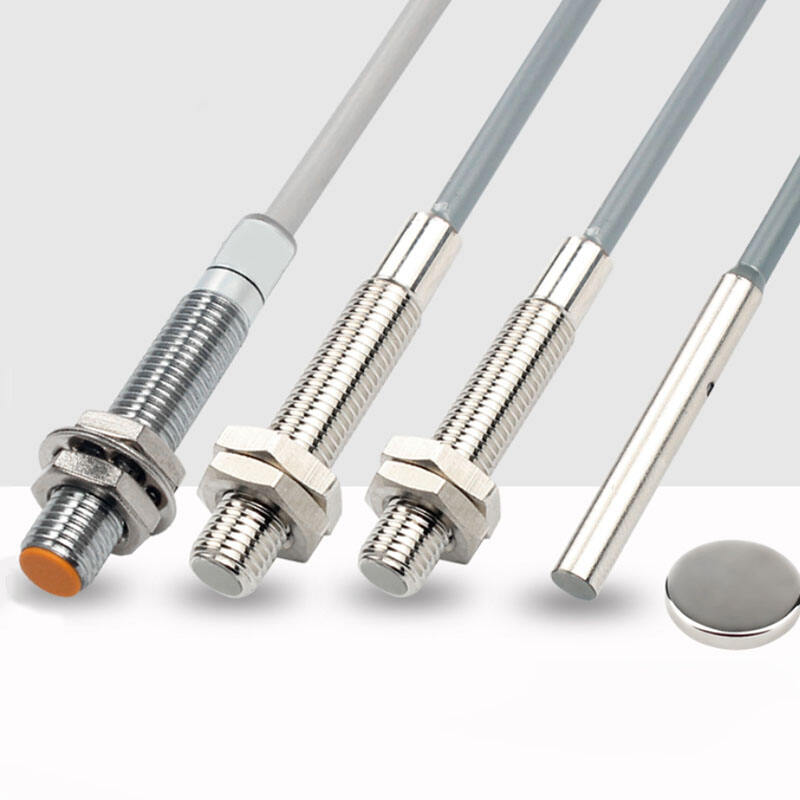
Industrial automation systems rely heavily on precise detection and monitoring technologies to maintain optimal performance and safety standards. Among the various sensing technologies available, the proximity switch sensor has emerged as a cornerstone component in modern manufacturing environments. These sophisticated devices provide contactless detection capabilities that eliminate mechanical wear and reduce maintenance requirements, making them indispensable for continuous operation scenarios. The versatility and reliability of proximity sensors have revolutionized how automated systems interact with their environment, offering unprecedented accuracy in position sensing and object detection applications.
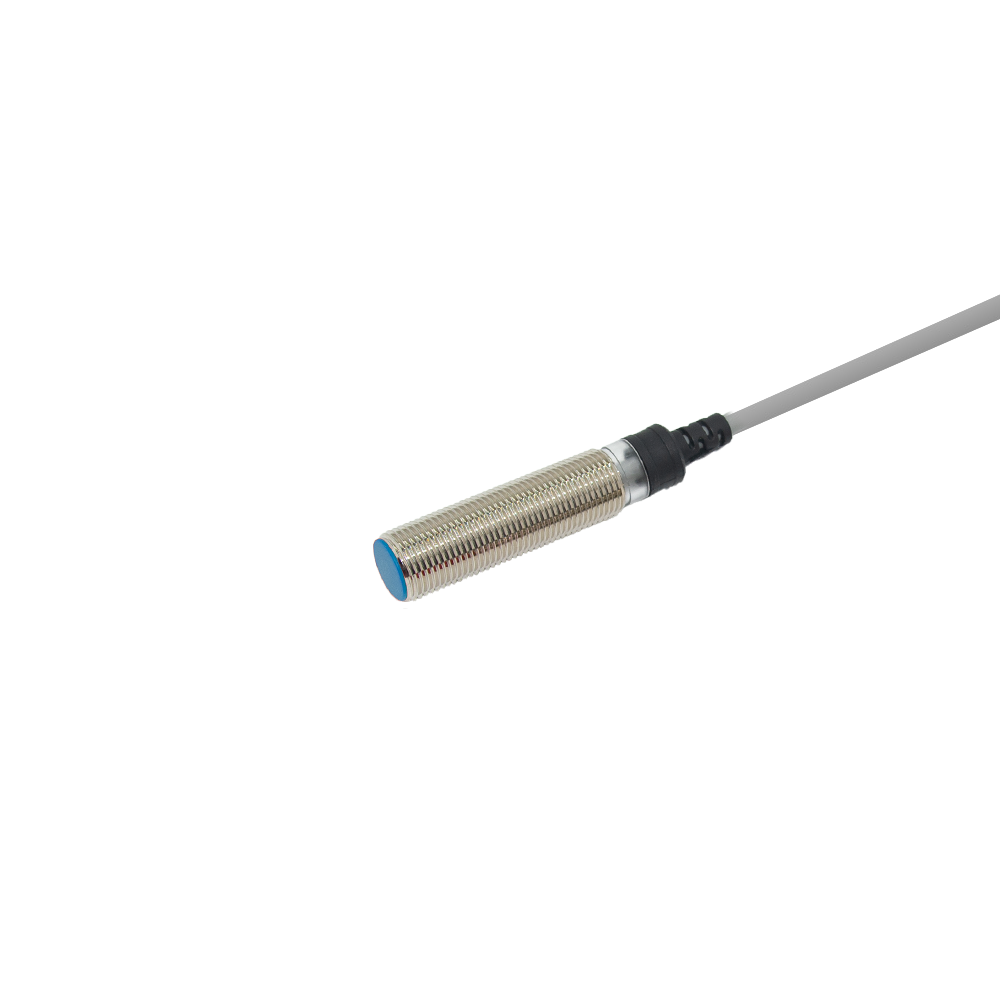
Understanding Proximity Switch Sensor Technology
Core Operating Principles
The fundamental operation of a proximity switch sensor depends on electromagnetic field generation and disturbance detection. When a metallic object enters the sensor's detection zone, it disrupts the oscillating electromagnetic field, triggering a switching action without physical contact. This non-contact detection method ensures consistent performance across millions of switching cycles while maintaining precise detection distances. The sensing technology eliminates the friction and mechanical stress associated with traditional limit switches, significantly extending operational lifespan and reducing downtime.
Modern proximity sensors incorporate advanced oscillator circuits that generate stable electromagnetic fields with exceptional sensitivity to metallic targets. The detection process occurs when conductive materials alter the oscillator's amplitude, causing the internal circuitry to change the output state. This sophisticated mechanism allows for reliable detection of various metallic objects regardless of their shape, size, or surface condition, providing consistent switching performance in challenging industrial environments.
Types and Configurations
Inductive proximity sensors represent the most common type, specifically designed for detecting ferrous and non-ferrous metals through electromagnetic induction principles. These sensors excel in manufacturing applications where precise metal detection is critical for quality control and safety systems. Capacitive variants extend detection capabilities to non-metallic materials including plastics, liquids, and granular substances, broadening application possibilities across diverse industrial sectors.
Flush-mount and non-flush mounting configurations offer different installation options to accommodate various mechanical constraints and detection requirements. Flush-mount designs enable installation within metallic housings without performance degradation, while non-flush versions provide extended detection ranges for applications requiring greater sensing distances. The selection between configurations depends on specific application requirements, environmental conditions, and mechanical integration constraints.
Industrial Applications and Benefits
Manufacturing Automation Integration
Assembly line operations extensively utilize proximity switch sensor technology for position verification, part presence detection, and automated sorting applications. These sensors provide real-time feedback to control systems, enabling precise coordination of robotic movements and conveyor operations. The immediate response time and consistent accuracy ensure optimal production flow while minimizing defective product output through continuous monitoring capabilities.
Quality control processes benefit significantly from proximity sensor integration, particularly in applications requiring non-destructive testing and inspection procedures. The contactless nature prevents contamination of sensitive products while maintaining inspection accuracy. Manufacturing facilities implementing proximity switch sensor systems report substantial improvements in production efficiency and quality consistency compared to mechanical switching alternatives.
Safety and Monitoring Systems
Safety applications leverage proximity sensors for machine guarding, emergency stop systems, and personnel protection protocols. These devices create invisible detection zones around hazardous equipment, automatically triggering safety responses when unauthorized access occurs. The fail-safe design principles ensure reliable operation under adverse conditions, providing consistent protection for both equipment and personnel in industrial environments.
Continuous monitoring applications utilize proximity sensors for equipment condition assessment, wear detection, and predictive maintenance programs. By monitoring component positions and movements, these sensors provide early warning indicators for potential mechanical failures, enabling proactive maintenance strategies that minimize unexpected downtime and repair costs.
Technical Specifications and Selection Criteria
Performance Characteristics
Detection range specifications vary significantly based on sensor design and target material properties, typically ranging from submillimeter precision to several centimeters for standard industrial models. The nominal sensing distance refers to the calibrated detection point for standard steel targets, while actual performance may vary with different materials and environmental conditions. Understanding these parameters ensures appropriate sensor selection for specific application requirements.
Operating frequency characteristics influence both detection performance and electromagnetic compatibility with surrounding equipment. Higher frequency sensors provide improved resolution and faster response times but may exhibit increased sensitivity to electrical interference. Lower frequency variants offer enhanced immunity to external electromagnetic fields while maintaining reliable detection capabilities in electrically noisy environments.
Environmental Considerations
Temperature stability represents a critical performance factor for proximity switch sensor applications in harsh industrial environments. Quality sensors maintain consistent detection distances across wide temperature ranges, typically from negative forty to positive eighty degrees Celsius. This thermal stability ensures reliable operation in applications involving temperature variations, thermal cycling, or extreme ambient conditions.
Protection rating specifications indicate the sensor's resistance to environmental contamination including dust, moisture, and chemical exposure. IP67 and IP68 rated sensors provide comprehensive protection against water immersion and particulate contamination, making them suitable for washdown applications, outdoor installations, and chemically aggressive environments commonly encountered in industrial settings.
Installation and Configuration Guidelines
Mounting Considerations
Proper installation techniques significantly impact proximity switch sensor performance and longevity. Mounting orientation affects detection patterns and sensing distances, requiring careful consideration of target approach angles and environmental factors. Mechanical stability prevents vibration-induced false triggering while ensuring consistent detection performance throughout the operational lifecycle.
Electrical connection procedures must account for proper grounding, cable routing, and electromagnetic compatibility requirements. Shielded cables minimize interference from external electrical sources while maintaining signal integrity over extended distances. Connection terminal specifications vary between sensor models, requiring appropriate tools and techniques to ensure reliable long-term performance.
Calibration and Testing
Initial calibration procedures establish optimal detection distances and switching thresholds for specific target materials and application conditions. Test procedures verify consistent switching performance across the full detection range while confirming proper hysteresis characteristics. Regular calibration maintenance ensures continued accuracy and prevents drift-related performance degradation over time.
Performance validation testing should include temperature cycling, vibration resistance, and electromagnetic compatibility assessments to verify specification compliance. Documentation of calibration results provides baseline references for future maintenance activities and troubleshooting procedures, supporting comprehensive quality management systems in industrial applications.
Maintenance and Troubleshooting
Preventive Maintenance Strategies
Regular cleaning procedures remove accumulated contamination that may affect sensing performance, particularly in dusty or chemically aggressive environments. Visual inspection protocols identify physical damage, cable wear, or mounting hardware deterioration before they impact operational reliability. Scheduled maintenance intervals should align with production schedules to minimize operational disruption while maintaining optimal sensor performance.
Performance monitoring systems track detection consistency, response times, and switching frequency to identify potential degradation trends. Data logging capabilities enable predictive maintenance strategies by identifying gradual performance changes that precede complete failure. This proactive approach significantly reduces unexpected downtime while optimizing maintenance resource allocation.
Common Issues and Solutions
Interference problems typically result from electromagnetic sources, improper grounding, or inadequate cable shielding. Systematic troubleshooting procedures isolate interference sources and implement appropriate mitigation strategies. Power supply quality significantly affects sensor performance, requiring stable voltage sources and proper filtering to maintain consistent operation.
Detection range variations may indicate component aging, environmental contamination, or temperature-related drift. Calibration verification procedures identify whether performance changes result from sensor degradation or application condition modifications. Understanding normal performance variations helps distinguish between acceptable operational changes and conditions requiring corrective action.
FAQ
What is the typical lifespan of a proximity switch sensor in industrial applications
Quality proximity switch sensors typically operate reliably for five to ten years in standard industrial environments, with some models exceeding fifteen years under optimal conditions. The contactless detection mechanism eliminates mechanical wear, while solid-state electronics provide exceptional longevity compared to mechanical switches. Actual lifespan depends on environmental factors, operating frequency, and maintenance quality, making proper installation and care essential for maximizing operational life.
How do environmental factors affect proximity sensor performance
Temperature variations can influence detection distances and switching thresholds, typically causing minor changes within specified operating ranges. Moisture, dust, and chemical contamination may affect sensing performance if they accumulate on sensor faces or penetrate inadequately sealed housings. Electromagnetic interference from nearby equipment can cause false triggering or detection instability, requiring proper shielding and grounding techniques to maintain reliable operation.
Can proximity sensors detect non-metallic materials effectively
Inductive proximity sensors are specifically designed for metallic target detection and cannot reliably sense non-metallic materials like plastics, wood, or ceramics. Capacitive proximity sensors extend detection capabilities to non-metallic substances including liquids, powders, and dielectric materials, though detection ranges may be reduced compared to metallic targets. Material selection significantly impacts sensor choice, requiring careful consideration of target properties during system design.
What safety considerations apply to proximity sensor installations
Safety-critical applications require sensors with appropriate safety ratings and fail-safe design characteristics to ensure reliable protection system operation. Proper installation techniques prevent false triggering that could compromise safety functions, while regular testing verifies continued performance under fault conditions. Redundant sensor configurations may be necessary for applications where single-point failures could result in personnel injury or significant equipment damage, requiring comprehensive risk assessment during system design.