 EN
EN

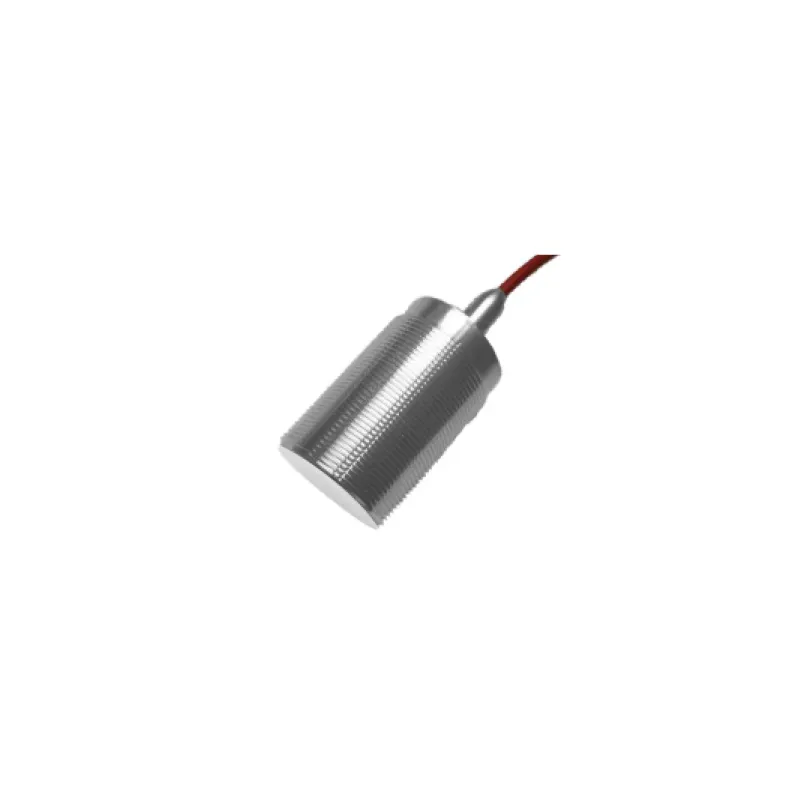
In modern industrial automation, sensing technology plays a foundational role in how machines detect, respond, and operate with precision. Among the many sensor types available today, the capacitive proximity switch has earned a strong reputation for its versatility, reliability, and ability to detect a wide range of materials without physical contact. Understanding the specific benefits this technology offers helps engineers, procurement specialists, and facility managers make smarter decisions when designing or upgrading automated systems.
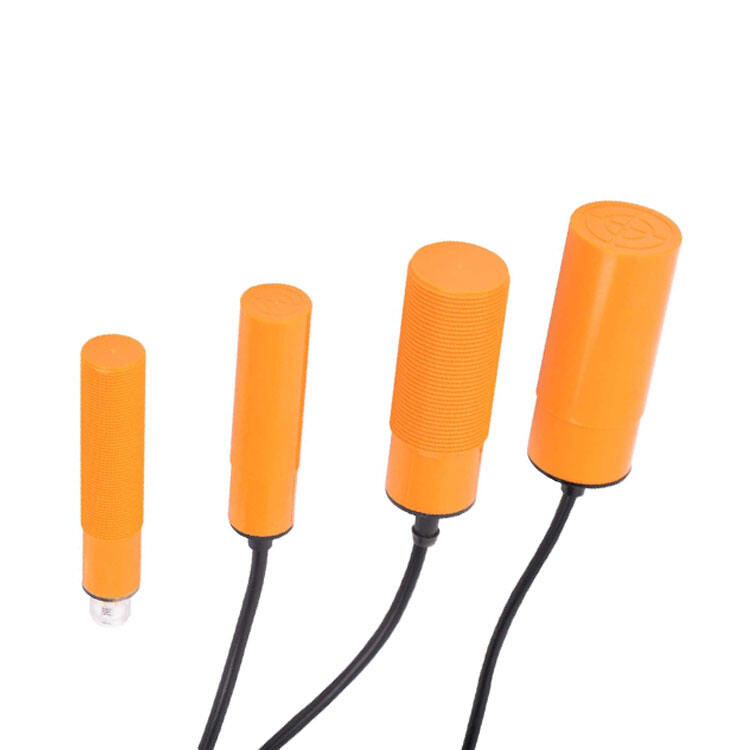
Unlike inductive sensors that are limited to detecting metallic targets, a capacitive proximity switch can sense virtually any material — including liquids, powders, granules, glass, wood, and plastics. This broad detection capability, combined with a non-contact operating principle, makes the capacitive proximity switch one of the most adaptable sensing solutions across industries ranging from food processing and pharmaceuticals to packaging and material handling. This article explores the key benefits of this technology in detail, helping you understand exactly why it continues to be a preferred choice in demanding industrial environments.
Non-Contact Detection Across Diverse Materials
How Capacitive Sensing Works Without Physical Touch
The operating principle of a capacitive proximity switch is based on changes in an electrostatic field. When a target object enters the sensing zone, it alters the capacitance of the sensor's internal oscillator circuit, triggering a switching output. This entire process happens without any mechanical contact between the sensor and the target, which is one of the most significant advantages the technology offers.
Because there is no physical interaction, the sensor itself experiences virtually no mechanical wear during operation. This translates directly into a longer service life and reduced maintenance requirements compared to contact-based detection methods. In high-cycle applications where a sensor may trigger thousands of times per day, this durability advantage becomes especially valuable.
The non-contact nature of a capacitive proximity switch also means it can be used in applications where touching the target would be problematic — such as detecting fragile packaging, wet surfaces, or hygiene-sensitive materials in food and pharmaceutical production lines.
Detection of Non-Metallic and Liquid Targets
One of the most commercially important benefits of a capacitive proximity switch is its ability to detect non-metallic materials. Inductive sensors are restricted to conductive metals, but a capacitive proximity switch responds to any material with a dielectric constant higher than air. This includes water, oil, adhesives, grain, plastic pellets, glass containers, and even human tissue.
This capability makes the capacitive proximity switch particularly useful in level detection applications. Whether monitoring the fill level of a liquid tank, detecting the presence of powder in a hopper, or confirming that a plastic bottle is correctly filled, the sensor performs reliably without needing direct access to the material itself. It can often detect targets through container walls made of glass or thin plastic, adding further flexibility to system design.
For industries that handle a wide variety of materials on the same production line, the capacitive proximity switch reduces the need to install multiple sensor types, simplifying both the hardware architecture and the maintenance workflow.
Reliability and Durability in Harsh Industrial Conditions
Sealed Construction and Environmental Resistance
Industrial environments are rarely clean or controlled. Dust, moisture, vibration, and chemical exposure are common challenges that sensing equipment must withstand. A well-designed capacitive proximity switch is typically housed in a robust enclosure with high IP ratings — often IP67 or IP68 — meaning it is fully protected against dust ingress and capable of withstanding immersion in water.
This sealed construction allows the capacitive proximity switch to operate reliably in washdown environments, outdoor installations, and areas with heavy particulate contamination. In food processing facilities, for example, sensors must endure regular high-pressure cleaning cycles. The capacitive proximity switch handles these conditions without compromising detection accuracy or electrical integrity.
The absence of moving parts further contributes to the sensor's durability. With no mechanical components to fatigue or corrode, the capacitive proximity switch maintains consistent performance over extended operational periods, reducing unplanned downtime and the associated costs of emergency maintenance.
Stable Performance Under Vibration and Temperature Variation
Many industrial machines generate significant vibration during operation. Mechanical sensors or switches with moving parts are vulnerable to premature failure under these conditions. A capacitive proximity switch, being entirely solid-state, is inherently resistant to vibration-induced damage. Its electronic switching mechanism responds to field changes rather than physical movement, making it well-suited for installation on vibrating conveyors, presses, or rotating equipment.
Temperature stability is another important reliability factor. Quality capacitive proximity switch models are engineered to maintain accurate switching behavior across a wide temperature range, typically from -25°C to +70°C or beyond. This ensures consistent detection performance whether the sensor is installed in a cold storage facility or near heat-generating machinery.
Together, these environmental resilience characteristics mean that a capacitive proximity switch can be deployed with confidence in applications where other sensor technologies might require frequent recalibration or replacement.
Ease of Integration and Flexible Installation
Compact Form Factors and Mounting Options
A capacitive proximity switch is available in a wide range of physical formats, including cylindrical barrel designs, flat rectangular housings, and miniature versions for space-constrained installations. This variety allows system designers to select the most appropriate form factor for each specific application without compromising on sensing performance.
Most capacitive proximity switch models support both flush and non-flush mounting configurations. Flush-mount versions can be installed level with a machine surface, reducing the risk of mechanical damage from passing objects. Non-flush versions offer a longer sensing range, which is useful when the sensor must be positioned at a greater distance from the target.
The compact dimensions of a typical capacitive proximity switch also make it easy to retrofit into existing machinery without requiring significant structural modifications. This is a practical advantage for facilities upgrading older equipment to meet new automation requirements.
Simple Electrical Integration with Standard Control Systems
From an electrical integration standpoint, a capacitive proximity switch is designed to work seamlessly with standard industrial control architectures. Most models output a simple PNP or NPN switching signal that is directly compatible with PLCs, relay modules, and other common control devices. This plug-and-play compatibility reduces commissioning time and eliminates the need for specialized signal conditioning hardware.
Many capacitive proximity switch models also include a sensitivity adjustment potentiometer, allowing technicians to fine-tune the detection threshold on-site. This is particularly useful when the sensor must distinguish between a target material and background objects, or when detecting materials through container walls of varying thickness.
The combination of straightforward wiring, adjustable sensitivity, and broad control system compatibility makes the capacitive proximity switch a practical choice for both new installations and system upgrades, minimizing the engineering effort required to bring a sensing solution into service.
Cost Efficiency and Long-Term Operational Value
Reduced Maintenance and Replacement Costs
The long service life of a capacitive proximity switch directly reduces the total cost of ownership over the lifetime of an installation. Because the sensor has no mechanical wear components and is protected against environmental ingress, it requires far less routine maintenance than contact-based alternatives. Fewer maintenance interventions mean lower labor costs and less production disruption.
In high-volume manufacturing environments where dozens or hundreds of sensors are deployed, even a modest improvement in mean time between failures translates into significant cumulative savings. The capacitive proximity switch delivers this reliability without requiring premium maintenance programs or specialized service contracts.
When replacement does eventually become necessary, the standardized form factors and wiring configurations of most capacitive proximity switch models make substitution straightforward. Technicians can swap out a failed unit quickly, minimizing the duration of any unplanned downtime.
Versatility That Reduces the Need for Multiple Sensor Types
Because a single capacitive proximity switch can detect metals, non-metals, liquids, and powders, facilities can often standardize on this sensor type across multiple applications rather than maintaining separate inventories of inductive, optical, and ultrasonic sensors. This consolidation simplifies spare parts management, reduces procurement complexity, and lowers the training burden on maintenance staff.
From a procurement perspective, standardizing on a capacitive proximity switch platform also creates opportunities for volume pricing and simplified supplier relationships. The operational and administrative savings that result from this consolidation add meaningful value over time, particularly in large facilities with complex automation infrastructure.
The broad application range of the capacitive proximity switch also provides flexibility when production requirements change. If a line is reconfigured to handle a different material or product format, the existing sensors may remain suitable without modification, protecting the initial investment in sensing infrastructure.
FAQ
What types of materials can a capacitive proximity switch detect?
A capacitive proximity switch can detect a wide variety of materials, including metals, plastics, glass, wood, liquids, powders, and granular substances. The key requirement is that the target material has a dielectric constant higher than air, which applies to virtually all solid and liquid materials encountered in industrial settings. This broad material compatibility is one of the primary advantages of capacitive proximity switch technology over inductive sensors, which are limited to metallic targets.
Can a capacitive proximity switch detect objects through walls or containers?
Yes, a capacitive proximity switch can often detect materials through thin non-metallic walls, such as glass or plastic containers. This capability is commonly used in level detection applications where the sensor monitors fill levels from outside a tank or bottle without direct contact with the contents. The effectiveness of through-wall detection depends on the wall thickness, the dielectric properties of the wall material, and the sensitivity setting of the capacitive proximity switch.
How is the sensitivity of a capacitive proximity switch adjusted?
Most capacitive proximity switch models include a built-in sensitivity adjustment, typically a potentiometer accessible from the sensor housing. Technicians can increase sensitivity to detect low-dielectric materials at greater distances, or reduce it to prevent false triggering from background objects or container walls. Proper sensitivity calibration is important for reliable operation, especially in applications where the capacitive proximity switch must distinguish between a target and nearby non-target materials.
What is the typical sensing range of a capacitive proximity switch?
The sensing range of a capacitive proximity switch varies depending on the model and the target material. For standard cylindrical sensors, typical ranges fall between 2 mm and 25 mm, though specialized models may offer longer ranges. The rated sensing distance is usually specified for a standard target material such as water or a grounded metal plate. When detecting materials with lower dielectric constants, the effective sensing range of the capacitive proximity switch may be somewhat shorter than the rated value, which is why sensitivity adjustment is an important feature in practical installations.