 EN
EN

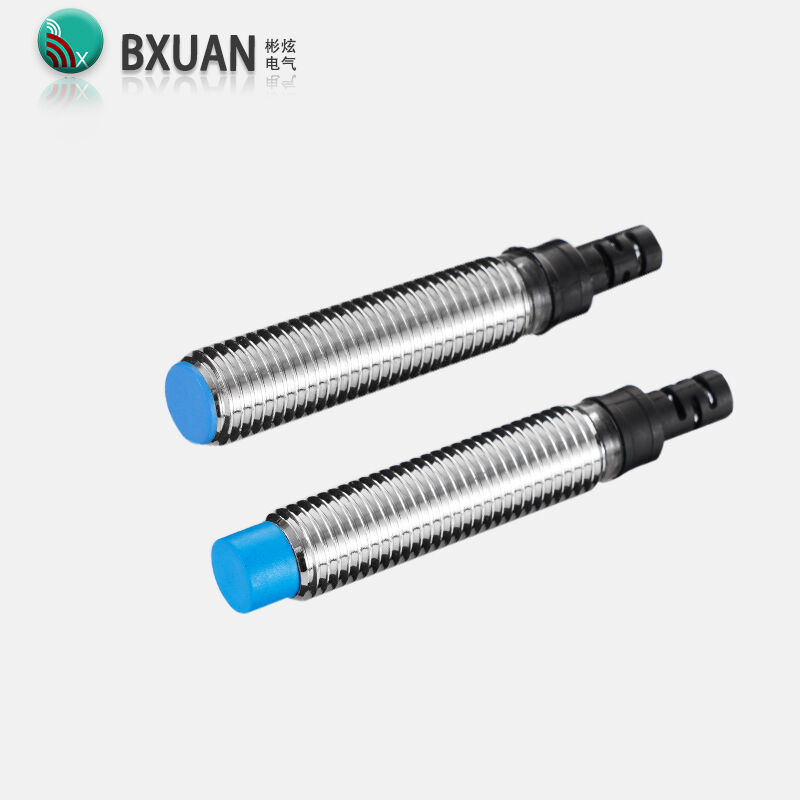
Toz, nem, titreşim ve aşırı sıcaklıkların günlük gerçeklik olduğu endüstriyel ortamlarda doğru algılama teknolojisini seçmek küçük bir karar değildir. endüktif sensör i̇ndüktif sensör, işlev prensibinin dayanıklılık ve güvenilirlik üzerine kurulması nedeniyle bu zorlayıcı ortamlarda öncü bir konuma sahip olmuştur. Optik veya kapasitif alternatiflerin aksine indüktif sensör, metal hedefleri fiziksel temas olmadan, diğer algılama teknolojilerini rutin olarak devre dışı bırakabilen kirlilik ve girişim türlerine doğal olarak dirençli olan bir elektromanyetik alan kullanarak tespit eder.
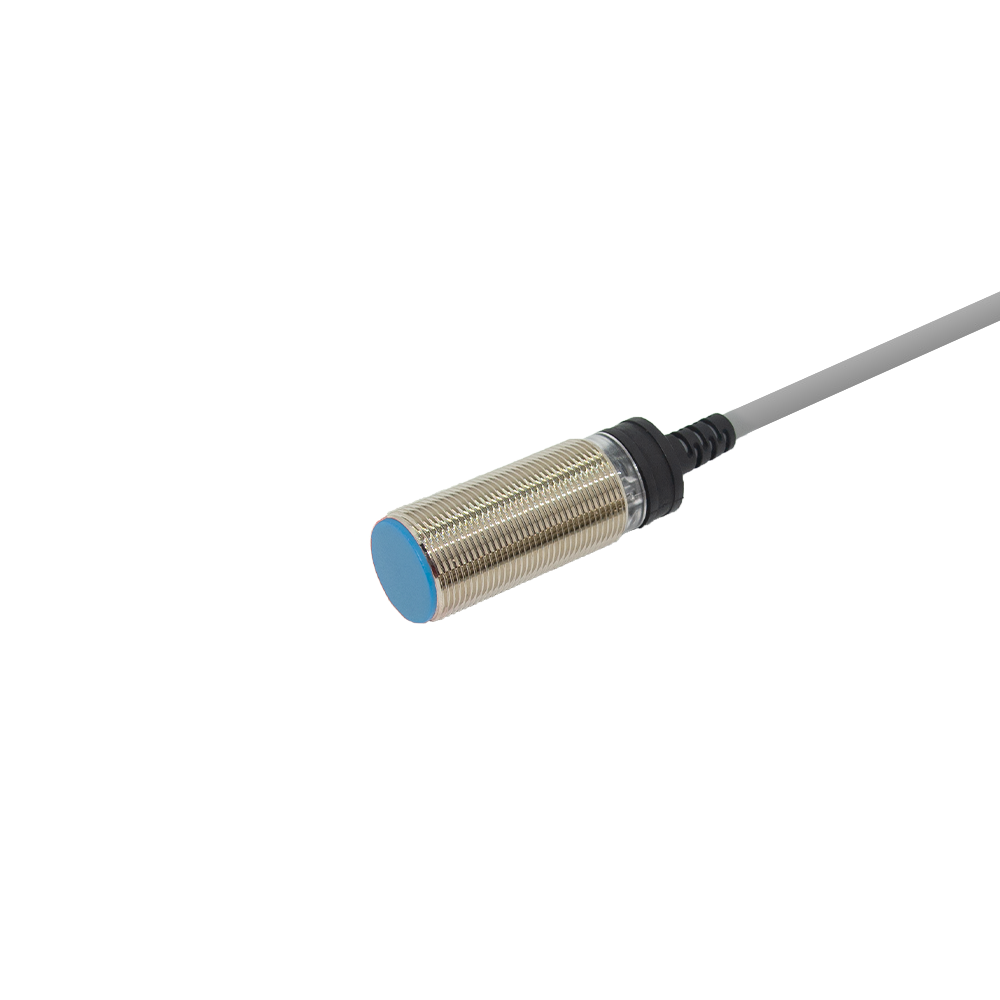
Endüktif sensörün sert endüstriyel ortamlarda tercih edilen seçim olması nedenini anlamak, basit teknik özelliklerin ötesine geçmeyi gerektirir. Bunun yerine, elektromanyetik indüksiyonun temel fiziksel prensiplerinin gerçek dünyada dayanıklılığa nasıl dönüştüğüne, iyi mühendislikle tasarlanmış bir endüktif sensörün kapalı yapısının kimyasallara maruz kalma ve mekanik stres gibi etkenlere nasıl direndiğine ve bu teknolojinin temas gerektirmeyen algılama yönteminin mekanik anahtarların kullanım ömrünü kısaltan aşınma desenlerini nasıl ortadan kaldırdığına bakmak gerekir. Fabrikalar, işleme tesisleri ve ağır makineler için algılama çözümleri belirleyen mühendisler ve satın alma profesyonelleri açısından bu nedenler, operasyonel ve mali açıdan önemli ağırlığa sahiptir.
Dayanıklılığı Sağlayan Çalışma Prensibi
Fiziksel Temasa Gerek Kalmadan Elektromanyetik Algılama
İndüktif sensörlerin diğer teknolojilerin zorlandığı yerlerde başarılı olmasının temel nedeni, temassız algılama mekanizmasıdır. Sensör, yüzeyine yerleştirilmiş bir bobin aracılığıyla salınım yapan bir elektromanyetik alan üretir. Metal bir nesne bu alana girdiğinde, hedefte girdap akımları oluşur ve bu da salınım genliğini azaltır. Sensörün iç devresi bu değişikliği algılar ve bir anahtarlama çıkışı tetikler. Hedefe fiziksel olarak hiçbir şey temas etmediği için, mekanik aşınma, temas bozulması ve tekrarlanan fiziksel darbeyle ilişkili arıza modu yoktur.
Bu ilke, indüktif sensörün çıkışının mekanik bir sınır anahtarında olduğu gibi bozulmadan milyonlarca kez çalışabileceğini ifade eder. Konveyör sistemleri, presler veya otomatik montaj hatları gibi yüksek çevrimli uygulamalarda bu durum doğrudan bakım aralıklarının kısalmasına ve plansız işletme kesintilerinin azalmasına yol açar. Hareketli parçaların olmaması yalnızca bir tasarım kolaylığı değil — aynı zamanda indüktif sensörün zorlu koşullarda uzun ömürlülük için tasarlanmasının temel nedenidir.
Elektromanyetik alan kendisi de genellikle metal olmayan kirleticilere karşı büyük ölçüde dirençlidir. Optik bir sensörün lensini kaplayarak yanlış okumalara veya tamamen sinyal kaybına neden olan yağ sisleri, ince tozlar, odun talaşları ve plastik parçacıkları, indüktif sensörün algılama alanından hiçbir etki yaratmadan geçer. Bu seçicilik, kirlenmenin kaçınılmaz olduğu ve temizleme döngülerinin seyrek olduğu ortamlarda kritik bir avantajdır.
Endüstriyel bağlamlarda Neden Metal Algılama Özgüllüğü Önemlidir
Endüktif sensör, yalnızca iletken metal hedeflere tepki verir. Birçok endüstriyel ortamda bu özgüllük, bir sınırlama değil; aksine bir avantajdır. Metal parçaları taşıyan bir konveyörde sensör, iş parçasını güvenilir şekilde algılar ve ambalaj malzemesini, soğutma sıvısını ve ortamdaki artıkları yok sayar. Hidrolik silindir uygulamasında ise endüktif sensör, hidrolik akışkanı veya dış titreşimi karıştırmadan silindir duvarı üzerinden pistonun konumunu algılar.
Bu metal özelindeki yanıt aynı zamanda montaj mantığını da basitleştirir. Mühendislerin çevresel gürültüden kaynaklanan yanlış tetiklemeleri önlemek için karmaşık kalkanlama veya sinyal süzme sistemleri tasarlamalarına gerek kalmaz. Endüktif sensörün doğasından gelen seçiciliği, kontrol sisteminin karmaşıklığını azaltır ve üretim süreçlerini kesintiye uğratabilecek gereksiz arızaların riskini düşürür. Süreç güvenilirliğinin en üst düzeyde olduğu ortamlarda bu tahmin edilebilirlik ölçülebilir bir değer taşır.
Sert Koşullara Dayanıklı Yapı Özellikleri
Kapalı Gövde ve IP Sınıflandırmaları
İyi tasarlanmış bir endüktif sensör, kirleticilerin girebileceği herhangi bir açıklıktan yoksun, tamamen kapalı bir birim olarak üretilir. Genellikle dayanıklı bir termoplastik veya paslanmaz çelik gövdeden yapılan algılama yüzeyi, sıvılar ve parçacıklara karşı sürekli bir bariyer oluşturmak amacıyla kalıplanır veya kaynakla birleştirilir. Bu yapı, endüktif sensörün yüksek koruma sınıfı (ingress protection) derecelendirmelerine ulaşmasını sağlar; yaygın olarak IP67 veya IP68 seviyeleri söz konusudur. Bu, sensörün iç bileşenlerine zarar vermeden tamamen suya batırılabileceği ya da yüksek basınçlı temizleme işlemlerine sürekli maruz kalabileceği anlamına gelir.
Gıda işleme, ilaç üretimi ve kimyasal madde işleme ortamlarında, yıkama direnci isteğe bağlı değildir — bu, düzenleyici ve hijyen gereksinimidir. Endüktif sensörün tamamen kapalı yapısı, koruyucu kapaklar veya bakım işlemlerini zorlaştıracak özel montaj düzenlemeleri gerektirmeden bu temizlik protokolleriyle uyumlu hale getirir. Endüktif sensörün paslanmaz çelik varyantları, bu sektörlerde kullanılan aşındırıcı temizlik maddelerine karşı daha yüksek direnç sunar.
Kablo giriş noktası da yapının kalitesinin önemli olduğu bir diğer alandır. Uygun şekilde sızdırmazlık sağlanmış bir endüktif sensör, kabloların çıkışı için aşırı kalıplanmış (overmolded) bağlantı noktaları veya uygun sızdırmazlık contalarına sahip sağlam M12 konektör arayüzleri kullanır. Bu, kablonun geçtiği yol boyunca nem girişi oluşmasını önler; bu durum, nemli ortamlara yönelik nominal derecelendirmeye sahip ancak kablo yönetimi tasarımı zayıf olan sensörlerde yaygın bir arıza kaynağıdır.
Sıcaklık Direnci ve Titreşim Toleransı
Endüstriyel ortamlar, algılama ekipmanlarını sıkça sıcaklık uç noktalarına maruz bırakır. Dökümhaneler, ısı işlem hatları ve soğuk iklimlerdeki dış mekân kurulumları, sensörleri tüketici sınıfı elektronik cihazların rahat çalışma aralığının ötesine taşır. Endüktif sensörler genellikle -25°C ile +70°C veya daha geniş çalışma sıcaklığı aralıkları için belirtilebilir; ayrıca fırınlar veya döküm ekipmanları gibi yüksek sıcaklıkta çalışan uygulamalar için ortam sıcaklığının 100°C’yi aşabileceği durumlarda kullanılabilen yüksek sıcaklık versiyonları da mevcuttur.
Titreşim, ağır sanayi ortamlarında başka bir kalıcı zorluktur. Kompresörler, presler ve dönen makineler, bağlantıların gevşemesine, lehim eklemelerinin yorulmasına ve kötü tasarlanmış sensörlerde rezonans arızalarına neden olabilecek sürekli mekanik titreşim üretir. Hareketli iç parçaları olmayan indüktif sensörün katı hal yapısal tasarımı, titreşim kaynaklı mekanik arızalara doğrudan dirençlidir. Silindirik indüktif sensörün kompakt ve rijit muhafazası da, daha büyük ve karmaşık sensör montajlarını etkileyen rezonans etkilerine karşı direnç gösterir.
Yüksek titreşim bölgelerinde bir indüktif sensör monte edilirken, montaj donanımının seçimi ile kilitleme somunlarının veya vida kilitleme bileşiklerinin kullanılması, servis ömrünü daha da uzatır. Ancak sensörün kendisi, hasar görmeye karşı temel direncini, sadece montaj tekniğine dayanmak yerine, yapısı sayesinde sağlar.
Alternatif Sensör Teknolojilerine Karşı Güvenilirlik Avantajları
Mekanik Limit Anahtarları ile Karşılaştırma
Mekanik sınır anahtarları, endüstriyel otomasyonda on yıllardır standart konum algılama çözümüydü ve günümüzde hâlâ birçok eski sistemde kullanılmaktadır. Ancak endüktif sensör, temelde farklı bir güvenilirlik profili sunar. Mekanik bir anahtarın, ark oluşturabilen, aşınan ve sonunda güvenilir elektriksel temas kuramayan fiziksel kontakları vardır. Bükülebilen, kırılabilecek veya kalıntılara takılabilecek bir hareket kolu vardır. Belirli bir mekanik ömrü vardır ve bu ömür milyonlarca çevrim ile ölçülür; bu ömür dolduğunda, çevre koşullarından bağımsız olarak değiştirilmesi gerekir.
Endüktif sensör, tüm bu arıza modlarını ortadan kaldırır. Aşınmaya uğrayabilecek hiçbir kontak yoktur, hasar görebilecek hiçbir aktüatör yoktur ve geleneksel anlamda mekanik ömür sınırı da yoktur. Endüktif sensörün katı hal çıkış sinyali, belirtilen çevrim ömrü boyunca temiz ve tutarlı bir şekilde anahtarlanır; bu süre, benzer bir limit anahtarının mekanik ömrünü önemli ölçüde aşar. Bakım için erişimin zor veya maliyetli olduğu uygulamalarda bu uzatılmış hizmet ömrü, toplam sahip olma maliyeti üzerinde doğrudan bir etkiye sahiptir.
Yanıt süresi, endüktif sensörün mekanik alternatiflere kıyasla üstün performans gösterdiği bir diğer alandır. Endüktif sensör, mikrosaniye cinsinden anahtarlanabilir; bu da yüksek hızda çalışan üretim hatlarında hızlı hareket eden hedeflerin doğru algılanmasını sağlar. Mekanik bir anahtarın yanıt gecikmesi ise konumlandırma hatalarına veya algılanamama durumlarına neden olur.
Optik ve Kapasitif Sensörlerle Karşılaştırma
Optik sensörler uzun algılama mesafeleri sunar ve metal olmayan hedefleri algılayabilir, ancak havada bulunan kirleticilerin bulunduğu ortamlarda performansları önemli ölçüde düşer. Toz, duman, buhar ve yağ sisleri, ışın demetini zayıflatır veya yanlış çıkış sinyallerine neden olan şekilde dağıtır. Lens kirliliği, güvenilir çalışmayı sürdürmek için düzenli temizlik gerektirir. Kirlenmenin sürekli olduğu ve temizliğin uygulanamadığı ortamlarda, endüktif sensörün bu koşullara karşı direnci onu daha güvenilir bir seçim haline getirir.
Kapasitif sensörler, sıvılar, taneli maddeler ve plastikler de dahil olmak üzere metal olmayan malzemeleri algılayabilir; bu da onlara indüktif sensörlerin sahip olmadığı uygulama esnekliği kazandırır. Ancak kapasitif sensörler, çevrelerinin dielektrik özelliklerindeki değişikliklere duyarlıdır; bu nedenle nem, yoğuşma ve sensör yüzeyine biriken malzeme yanlış tetiklemelere neden olabilir. Nemli veya kimyasal olarak aktif ortamlarda indüktif sensörlerin bu dielektrik etkilere karşı direnci, metal hedef algılama için daha kararlı ve tahmin edilebilir bir teknoloji olmasını sağlar.
Uygulama İndüktif Sensörlerin Üstünlük Kazandığı Senaryolar
Metal İşleme ve Talaşlı İmalat Ortamları
Metal işlemenin yapıldığı ortamlar, algılama teknolojisinin aşması gereken neredeyse tüm zorlukları bir araya getirir: metal talaşı ve döküntüler, kesme sıvısı sisleri, kesme takımlarından kaynaklanan titreşimler ile iş parçaları ya da takımlarla fiziksel çarpışma riski. Bu ortamlarda algılama için standart çözüm, tüm bu koşulları aynı anda karşılayabilen endüktif sensördür. Yüzeye hizalı (flush-mount) endüktif sensör tasarımları, takımlar veya iş parçaları tarafından çarpılabilen çıkıntılı yüzeyler oluşturmadan, kesme bölgesine yakın dar alanlara montaj yapılmasına olanak tanır.
CNC freze tezgâhlarında endüktif sensör, takım konumunu, palet yerini, kapı kapanma durumunu ve iş parçasının bağlanma durumunu izler. Bu işlevlerin her biri, sinyal kalitesinde düşüş yaşanmaksızın soğutma sıvısıyla doygun ve talaşla dolu bir ortamda sürekli çalışabilen bir sensör gerektirir. Endüktif sensörün tamamen kapalı yapısı ve elektromanyetik algılama ilkesi, tek bir makine içinde bu izleme görevlerinin tamamı için doğal bir çözüm sunar.
Otomotiv ve Ağır İmalat Hatları
Otomotiv montajı ve presleme işlemleri, sıkı konumsal toleranslarla yüksek hızlarda yürütülür. Endüktif sensör, parça varlığını doğrulamak, sabitleme elemanının yüklenmesini teyit etmek ve üretim hızlarında takım pozisyonunu tespit etmek için gerekli olan hızlı tepki sürelerini ve tutarlı anahtarlama özelliklerini sağlar; bu hızlar mekanik anahtarların ulaşamayacağı düzeydedir. Gövde kaynak hatlarında endüktif sensör, kaynak sıçraması, kaynak ekipmanlarından kaynaklanan elektromanyetik girişim ve termal çevrim gibi zorlu koşullarda çalışır — bu koşullar daha az dayanıklı algılama teknolojilerini hızla bozar.
Çelikhane, madencilik ekipmanı ve inşaat makineleri gibi ağır imalat ortamları, aynı zorlukların aşırı versiyonlarını sunar. Endüktif sensörler, bu ortamlarda hidrolik aktüatörlerde konum geribildirimi, taşıma bantlarındaki metal bileşenlerin tespiti ve dönen ekipmanın izlenmesi amacıyla kullanılır. Dayanıklı yapı, yüksek IP derecelendirmesi ve geniş sıcaklık dayanımı kombinasyonu, endüktif sensörü, her kurulum için özel koruyucu önlemler gerektirmeden bu talepkar uygulamaların tamamında kullanılabilen az sayıdaki algılama teknolojisi haline getirir.
Uygulamanız için Doğru Endüktif Sensörü Belirtmek
Değerlendirilecek Anahtar Parametreler
Zorlu ortam uygulamaları için doğru endüktif sensörü seçmek, birbirleriyle ilişkili birkaç parametreyi değerlendirmeyi gerektirir. Algılama mesafesi, en açık başlangıç noktası — sensörün en kötü koşullarda hedefi güvenilir şekilde algılayabildiği mesafedir. Bir endüktif sensör için yayımlanan algılama mesafeleri genellikle belirli boyutlarda standart yumuşak çelik bir hedef için belirtilir. Daha küçük hedeflerin, demir dışı metallerin veya paslanmaz çeliğin algılanması etkili algılama mesafesini azaltır ve bu azalma, montaj tasarımı sırasında dikkate alınmalıdır.
Kasa malzemesi ve form faktörü eşit derecede önemlidir. Paslanmaz çelik kasalı silindirik bir endüktif sensör, yıkama ortamları için uygundur; buna karşılık nikel kaplı pirinç kasa, kuru endüstriyel uygulamalar için yeterli olabilir. Sensör yüzeyinin bir metal braket içine gömülü olduğu düz (flush) montaj, mekanik hasar riskini azaltır ve endüktif sensörün çıkıntılı bir sensörün zarar görmesine açık olacağı yerlere kurulmasını sağlar. Düz olmayan (non-flush) montaj ise algılama mesafesini uzatır ancak sensör yüzeyini korumak için daha dikkatli bir montaj gerektirir.
Çıkış konfigürasyonu — PNP veya NPN, normalde açık veya normalde kapalı — bağlı kontrol sisteminin giriş gereksinimleriyle uyumlu olmalıdır. Çoğu modern endüktif sensör modeli her iki çıkış polaritesinde de mevcuttur ve bazıları, teşhis verilerinin alınması ve parametre ayarlarının uzaktan yapılması gereken akıllı fabrika mimarilerine entegrasyon için IO-Link iletişimi sunar.
Kurulum ve Bakım Konusunda Dikkatler
İndüktif bir sensörün tam güvenilirlik potansiyelini gerçekleştirmek için doğru kurulum şarttır. Sensörü, hedef malzemenin belirli azaltma faktörünü dikkate alarak hedefe doğru mesafeden monte etmek, sensör yüzeyine temas riski olmadan tutarlı anahtarlama işlemi sağlamayı garanti eder. Doğru montaj donanımını kullanmak ve sensörün titreşime karşı mekanik olarak sabitlenmesini sağlamak, zaman içinde etkili algılama aralığını değiştirebilecek konum kaymalarını önler.
Endüktif sensör, mekanik alternatiflere kıyasla minimum düzeyde bakım gerektirse de, yüksek kirlilik ortamlarında kablonun ve konektörün hasar açısından periyodik olarak denetlenmesi ile sensör yüzeyinin metalik kalıntı birikiminden arındırıldığından emin olmak iyi bir uygulamadır. Sensör yüzeyinde biriken metal talaşı, etkili algılama mesafesini azaltabilir veya aşırı durumlarda sürekli çıkış aktive olmasına neden olabilir. Bu koşulları üretim üzerinde etki göstermeden önce tespit edip düzeltmek için planlı bakım aralıklarında kısa bir denetim yeterlidir.
SSS
Endüktif bir sensör, tüm metal türlerini eşit derecede iyi algılayabilir mi?
Hayır. İndüktif sensör, yumuşak çelik gibi demirli metalleri tam nominal algılama aralığında algılar. Alüminyum, bakır ve pirinç gibi demir dışı metaller daha düşük manyetik geçirgenliğe ve daha yüksek elektriksel iletkenliğe sahiptir; bu da hedefte girdap akımlarının nasıl oluştuğunu etkiler. Bu durum, bu malzemeler için etkili algılama aralığının azalmasına neden olur ve bu azalma genellikle sensörün veri sayfasında bir azaltma faktörü olarak ifade edilir. Paslanmaz çelik de yumuşak çeliğe göre bir azaltma faktörüne sahiptir. Demir dışı veya paslanmaz çelik hedefler için indüktif bir sensör belirtilirken, güvenilir algılama sağlamak için montaj aralığı buna göre ayarlanmalıdır.
Endüktif bir sensörün IP derecelendirmesi, zorlu ortam koşullarında kullanım açısından aslında ne anlama gelir?
Bir endüktif sensörün IP derecelendirmesi, katı parçacıkların ve sıvıların girişi karşı koruma düzeyini gösterir. İlk rakam, katı parçacıklara karşı korumayı ifade eder; 6 değeri tam toz geçirmezliği anlamına gelir. İkinci rakam, sıvılara karşı korumayı ifade eder; 7 değeri geçici olarak suya batırılmaya karşı koruma, 8 değeri ise belirlenmiş derinliklerde sürekli olarak suya batırılmaya karşı koruma anlamına gelir. Çoğu endüstriyel yıkama uygulaması için IP67 veya IP68 derecelendirilmiş bir endüktif sensör yeterli korumayı sağlar. Yüksek basınçlı püskürtmeli temizleme işlemlerinde, temizleme işleminin özel basınç ve sıcaklık değerleri sensörün teknik özelliklerine karşı doğrulanmalıdır; çünkü standart IP derecelendirmeleri yüksek basınçlı püskürtmeye karşı korumayı kapsamaz.
Kaynak ekipmanlarından kaynaklanan elektromanyetik girişim, bir endüktif sensörü nasıl etkiler?
Kaynak ekipmanları, standart endüktif sensörün osilatör devresiyle etkileşime girebilecek güçlü elektromanyetik alanlar üretir ve bu durum yanlış anahtarlama çıkışlarına veya geçici sinyal kesintilerine neden olabilir. Kaynak ortamları için tasarlanmış endüktif sensör modelleri, kaynakla ilişkili girişim frekans aralıklarını reddeden zırhlı elektronik ve filtreleme devreleri içerir. Kaynak istasyonlarının yakınına monte edilmek üzere bir endüktif sensör belirtirken, kaynak alanı dayanıklılığı açısından açıkça onaylanmış bir model seçmek hayati öneme sahiptir. Uygun kablo yönlendirmesi—sensör kablolarını kaynak kablolarından uzak tutmak ve gerekli yerlerde zırhlı kablo kullanmak—girişim kaynaklı arızalar riskini daha da azaltır.
Endüktif sensör, hava koşullarına maruz kalan dış mekân kurulumları için uygun mudur?
Uygun IP derecelendirmesine ve çalışma sıcaklığı aralığına sahip bir endüktif sensör, dış mekânda kurulum için oldukça uygundur. IP67 veya IP68 derecelendirmeli modeller, yağmur, yoğuşma ve geçici su baskınlarını iç hasara uğratmadan karşılar. Dış mekânda kullanım için temel hususlar; sıcaklık aralığı — yani sensörün belirtilen minimum çalışma sıcaklığının, beklenen en düşük ortam sıcaklıklarını kapsaması — ve muhafaza malzemesi ile kablo kaplamasının UV dayanımıdır. Bazı endüktif sensör modelleri, dış mekânda kullanım için özel olarak tasarlanmıştır ve UV kararlı malzemelerden yapılmıştır; ayrıca genişletilmiş sıcaklık aralıklarına sahiptirler. Kıyı bölgelerinde veya kimyasal olarak aktif dış mekânlarda paslanmaz çelik muhafaza, standart pirinç veya nikel kaplı varyantlara kıyasla ek korozyon direnci sağlar.
İçindekiler Tablosu
- Dayanıklılığı Sağlayan Çalışma Prensibi
- Sert Koşullara Dayanıklı Yapı Özellikleri
- Alternatif Sensör Teknolojilerine Karşı Güvenilirlik Avantajları
- Uygulama İndüktif Sensörlerin Üstünlük Kazandığı Senaryolar
- Uygulamanız için Doğru Endüktif Sensörü Belirtmek
-
SSS
- Endüktif bir sensör, tüm metal türlerini eşit derecede iyi algılayabilir mi?
- Endüktif bir sensörün IP derecelendirmesi, zorlu ortam koşullarında kullanım açısından aslında ne anlama gelir?
- Kaynak ekipmanlarından kaynaklanan elektromanyetik girişim, bir endüktif sensörü nasıl etkiler?
- Endüktif sensör, hava koşullarına maruz kalan dış mekân kurulumları için uygun mudur?