 EN
EN

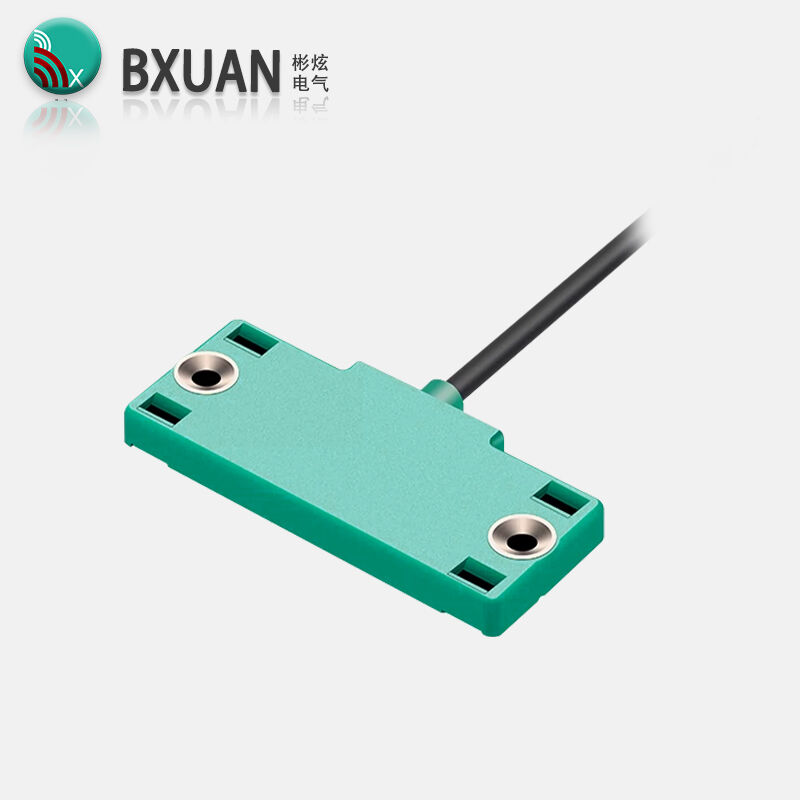
Endüstriyel ortamlarda metal nesneleri tespit etmek söz konusu olduğunda, birkaç teknoloji, "indüktif sensör"ün tutarlılığı ve dayanıklılığıyla kıyaslanabilir. endüktif sensör otomotiv montaj hatlarından gıda işleme ekipmanlarına kadar, indüktif sensör, tekrarlanabilir, temas gerektirmeyen tespit sağlayarak mekanik aşınmaya maruz kalan eski algılama yöntemlerinin aksine, otomatikleştirilmiş metal tespitinde temel bir bileşen haline gelmiştir. Bu teknolojinin neden bu kadar güvenilir olduğu sorusunun cevabı, çalışma prensibinin nasıl işlediğini ve neden metal tespiti görevlerine doğasından uygun olduğunu anlamakla başlar.
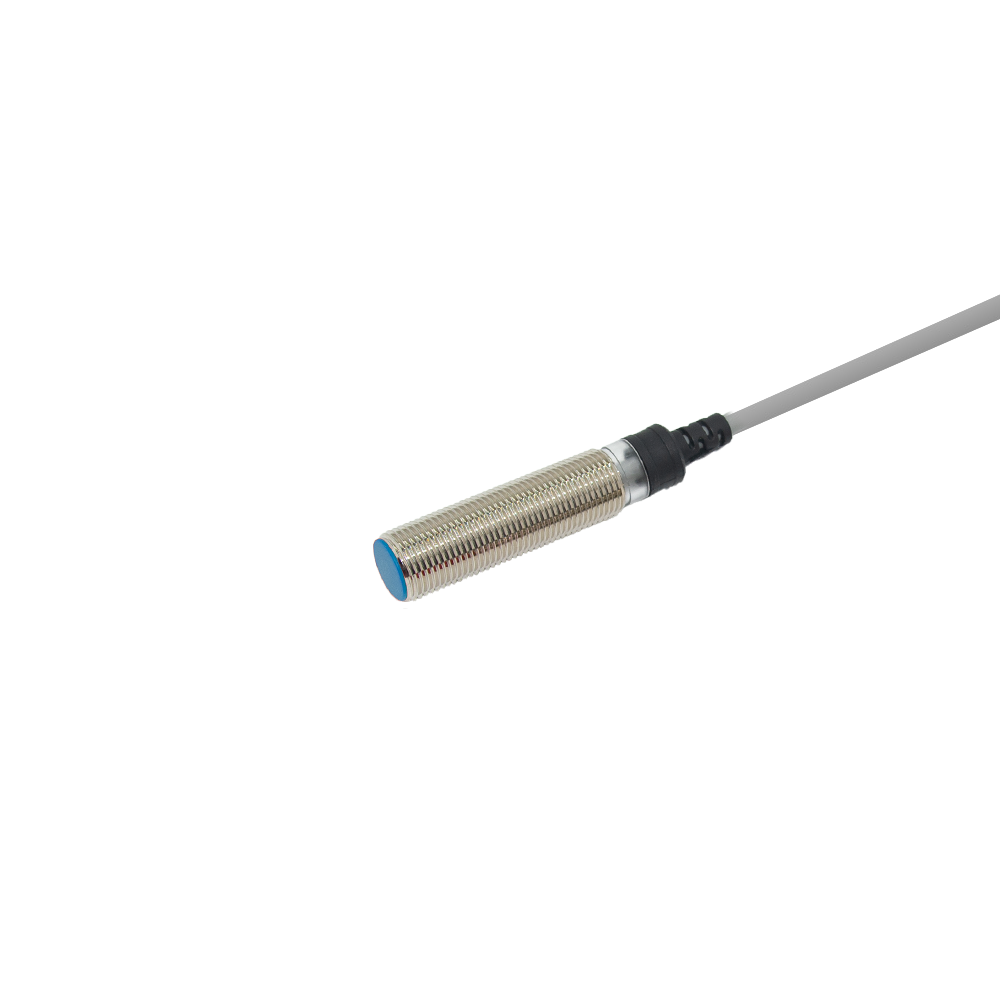
Endüktif bir sensörün metal tespiti görevlerindeki güvenilirliği tesadüfi değildir. Bu, diğer algılama teknolojilerini etkileyen birçok çevresel değişkene karşı dirençli olan, fiziksel prensiplere dayalı bir algılama mekanizmasının doğrudan sonucudur. Optik veya kapasitif sensörleri yanıltacak toz, nem, titreşim ve yüzey kirliliği, doğru şekilde belirlenmiş bir endüktif sensör üzerinde çok az etkiye sahiptir. Bu makale, endüktif sensörün zorlu endüstriyel uygulamalarda metal tespiti için tercih edilen çözüm olarak kalmasının temel nedenlerini incelemektedir.
Endüktif Sensör Güvenilirliğinin Arkasındaki Fizik
Elektromanyetik İndüksiyon Nasıl Kararlı Bir Algılama Prensibi Oluşturur
İndüktif bir sensör, algılama yüzeyine yerleştirilmiş bir bobin aracılığıyla salınım yapan bir elektromanyetik alan üreterek çalışır. Metal bir cisim bu alana girdiğinde, metal içinde girdap akımları oluşur ve bu akımlar salınım yapan devreden enerji emer. Sensörün iç elektroniği, bu enerji kaybını salınım genliğindeki bir değişiklik olarak algılar ve bir anahtarlama çıkışını tetikler. Bu sürecin tamamı, iyi bilinen elektromanyetik fizik kurallarına tabidir; bu da algılama davranışının milyonlarca anahtarlama döngüsü boyunca tahmin edilebilir ve tutarlı olduğu anlamına gelir.
Algılama ilkesi, fiziksel temas yerine elektromanyetik etkileşime dayandığından, endüktif sensör ile hedef arasında mekanik bir arayüz yoktur. Bu durum, temas tabanlı algılama sistemlerinde aşınmanın ana kaynağını ortadan kaldırır. Endüktif sensörün içindeki bobin ve osilatör devresi, sensörün çevresel koşullara uygun şekilde doğru şekilde seçildiği sürece, algılama performansında herhangi bir bozulma olmadan yıllarca sürekli olarak çalışabilir.
Elektromanyetik alanın kararlılığı, endüktif sensörün çok temiz bir anahtarlama sinyali üretmesini de sağlar. Çıkışta herhangi bir belirsizlik yoktur — sensör, nominal algılama aralığının içinde metal tespit eder ya da etmez. Bu ikili netlik, yanlış pozitifler veya kaçırılan algılamaların maliyetli üretim hatalarına veya güvenlik olaylarına neden olabileceği otomatik sistemlerde hayati öneme sahiptir.
Neden Metal Hedefler Endüktif Algılama İçin Uygun Dur?
Endüktif sensör, metallerin elektriksel olarak iletken olması ve bu nedenle örtük akımları destekleyebilmesi sebebiyle özellikle metal hedefler için optimize edilmiştir. Hedefte indüklenen örtük akımlar ne kadar güçlüyse, sensör tarafından algılanan enerji emilimi de o kadar belirgin olur. Çelik ve demir gibi ferromanyetik metaller, yüksek elektriksel iletkenlik ile manyetik geçirgenliği bir araya getirdikleri için en güçlü tepkiyi verir; çünkü bu iki özellik, sensörün elektromanyetik alanı ile etkileşimi artırır.
Alüminyum, bakır ve pirinç gibi demir dışı metaller de genellikle ferromanyetik hedeflere kıyasla biraz azaltılmış bir algılama menziliyle olsa da, endüktif sensörleri güvenilir şekilde tetikler. Bunun nedeni, demir dışı metallerin manyetik geçirgenliğe sahip olmaması ve dolayısıyla sadece özdirenç akımı (eddy current) etkisinin algılamaya katkı sağlamasıdır. Çoğu endüktif sensör veri sayfası, farklı hedef malzemeleri için düzeltme faktörleri sağlar; bu da mühendislerin uygulamalarındaki herhangi bir metal hedef için algılama menzilini doğru bir şekilde tahmin etmelerini sağlar.
Bu malzeme özelindeki duyarlılık, çoklu malzeme ortamlarında aslında bir güvenilirlik avantajıdır. Endüktif bir sensör, plastik parçalar, kauçuk conta, karton ambalaj veya sıvı sıçramaları tarafından tetiklenmez — yalnızca metal tarafından tetiklenir. Metal parçaların metal olmayan malzemeler arasında algılanması gereken uygulamalarda bu seçicilik, yanlış algılamaları ortadan kaldırır ve sistem tasarımını basitleştirir.
Uzun Vadeli Güvenilirliği Destekleyen Çevresel Dayanıklılık
Kirlenmeye ve Zorlu Koşullara Direnç
Endüstriyel ortamlar nadiren temiz veya kontrollüdür. Soğutma sıvıları, metal talaşı, yağ sisleri, toz ve sıcaklık uç değerleri, tornalama, presleme ve montaj işlemlerinde yaygındır. Endüktif sensör, tam olarak bu koşullarda güvenilir şekilde çalışacak şekilde tasarlanmıştır. Algılama yüzeyi genellikle paslanmaz çelik veya PTFE kaplı muhafazalar gibi dayanıklı malzemelerden yapılmıştır ve iç elektronik bileşenler, sıvı ve parçacıkların içeri girmesini önlemek için tamamen kaplanmıştır.
Çoğu endüstriyel sınıf endüktif sensör modeli, suya dalmayı veya soğutma sıvısı püskürtmesine sürekli maruz kalmayı performans kaybı olmadan dayanabilmesini sağlayan IP67 veya IP68 koruma derecelendirmelerine sahiptir. Bu düzeyde sızdırmazlık, sensörün sürekli olarak sıvı ve talaşa maruz kaldığı metal kesme ve taşlama uygulamalarında kritik öneme sahiptir. Bu koşullar altında nominal anahtarlama mesafesini koruyan bir endüktif sensör, alternatif algılama teknolojileriyle elde edilmesi zor olan bir süreç güvenilirliği sağlar.
Sıcaklık kararlılığı, çevresel dayanıklılığın bir başka boyutudur. Endüktif sensör, genellikle -25°C ile +70°C arasında veya uzatılmış sıcaklık aralığına sahip modellerde bu değerlerin ötesinde olmak üzere geniş sıcaklık aralıklarında çalışacak şekilde tasarlanmıştır. Bu aralıklar içindeki sıcaklık değişimleri, elektromanyetik algılama prensibini önemli ölçüde etkilemez; bu da sensörün, bir fırının yanında ya da soğutulmuş bir işleme alanında kurulu olsa bile tutarlı anahtarlama davranışını korumasını sağlar.
Dinamik Uygulamalardaki Titreşim ve Darbeye Dayanıklılık
Birçok metal tespit görevi, önemli mekanik titreşimlerin oluştuğu ortamlarda gerçekleşir — pres makineleri, konveyör sistemleri, robotik kol uç aletleri ve CNC işleyici merkezleri gibi sistemler, zamanla sensör performansını bozabilecek titreşim üretir. Endüktif sensör, hareketli parçası olmadığı için titreşime karşı dayanıklıdır. Tespit mekanizması tamamen elektroniktir; bu nedenle tekrarlayan şok ve titreşim yükleri altında gevşeyebilecek, yorulabilecek veya hizalanamayacak mekanik bileşen yoktur.
Endüktif sensörün katı hal yapısı, aynı zamanda çalışma sırasında anahtarlama çıkışının titreşimden etkilenmeyeceğini de garanti eder. Mekanik limit anahtarlarının aksine, endüktif sensör titreşime maruz kaldığında temas sıçraması (contact bounce) veya yanlış sinyaller üretmez; bunun yerine temiz, debounce’suz bir çıkış sinyali üretir. Bu özellik, kontrol sisteminin her anahtarlama olayına doğru şekilde yanıt vermesi gereken yüksek hızda tespit görevlerinde özellikle önemlidir.
Montaj güvenliği aynı zamanda pratik bir güvenilirlik faktörüdür. Endüktif sensör genellikle silindirik, dişli bir gövdede yer alır — yaygın olarak M8, M12 veya M18 formatlarında — ve bu gövde altıgen somunlarla sağlam bir şekilde sabitlenebilir. Doğru şekilde monte edilip sıkıldıktan sonra sensörün hedefe göre konumu, uzun süreli titreşim altında bile sabit kalır ve devreye alınma sırasında belirlenen algılama geometrisini korur.
Yüksek Dönüşlü Endüstriyel Uygulamalarda Tutarlılık
Anahtarlama Frekansı ve Yanıt Süresi Avantajları
Otomatik üretimdeki metal tespiti görevleri genellikle çok yüksek çevrim oranları içerir. Bir pres makinesinde parça atma sensörü, saatin içinde metal varlığını binlerce kez doğrulaması gerekebilir. Endüktif sensör, bu talepleri karşılamak için uygundur çünkü anahtarlama frekansı — saniyede tamamlayabildiği algılama çevrimlerinin sayısı — tipik olarak model ve algılama mesafesine bağlı olarak yüzlerce ile binlerce hertz aralığındadır.
Bu yüksek anahtarlama frekansı, endüktif sensörün, kontrol sisteminde kaçırılan sayım veya zamanlama hatalarına neden olabilecek algılama gecikmesi oluşturmaksızın, hızlı hareket eden üretim süreçlerini takip edebilmesini sağlar. Tipik bir endüktif sensörün yanıt süresi milisaniye cinsinden ölçülür; bu da yüksek hızda sınıflandırma, parça sayımı ve servo tahrikli eksenlerde konum doğrulaması gibi neredeyse tüm endüstriyel metal algılama görevleri için yeterince hızlıdır.
Sensörün çalışma ömrü boyunca yanıt süresinin tutarlılığı da aynı derecede önemlidir. Endüktif sensörün mekanik aşınmaya neden olan bir mekanizması olmadığından, anahtarlama karakteristikleri zamanla mekanik sensörlerde olduğu gibi kaymaz. Üretim hattına monte edilen bir endüktif sensör, fiziksel olarak hasar görmemişse, devreye alındığı gündeki yanıt süresini beş yıl sonra da aynı şekilde gösterir.
Süreç Kontrolü İçin Temel Olan Tekrarlanabilirlik
Kesme işlemine başlamadan önce işlenmiş bir parçanın sabitleme aparatında doğru şekilde oturduğunu doğrulama gibi hassas metal tespiti görevlerinde, tekrarlanabilirlik, ham tespit yeteneği kadar önemlidir. Endüktif sensör, anahtarlama noktasının aşınmayla kayabilen bir mekanik temas konumundan ziyade sabit bir elektromanyetik eşik tarafından belirlenmesi nedeniyle üstün bir tekrarlanabilirlik sağlar.
Endüstriyel endüktif sensör modelleri için tekrarlanabilirlik özellikleri genellikle mikrometre cinsinden veya nominal algılama aralığının bir yüzdesi olarak ifade edilir. Bu sıkı tekrarlanabilirlik değerleri, sensörün her algılama döngüsünde hedefe göre neredeyse aynı konumda anahtarlandığı anlamına gelir ve bu da sensör çıkışı temel alınarak hassas süreç kontrol kararlarının alınmasını sağlar. Bu düzeyde konumsal tutarlılık, uzun süreli çalışma dönemleri boyunca kontak tabanlı algılama yöntemleriyle elde edilemez.
Yüksek anahtarlama frekansı, hızlı tepki süresi ve sıkı tekrarlanabilirlik kombinasyonu, sensör çıkışının doğrudan bir PLC veya hareket denetleyicisine beslendiği ve süreç parametrelerini gerçek zamanlı olarak ayarlayan kapalı döngülü metal tespiti uygulamaları için endüktif sensörü doğal bir seçim haline getirir. Sensörün çıkışı, her çevrimde metal hedefin fiziksel durumunu doğru bir şekilde temsil ettiği için güvenilir olarak kabul edilebilir.
Güvenilirliği Artıran Montaj ve Entegrasyon Faktörleri
Korumalı Montaj İçin Düz ve Düz Olmayan Montaj Seçenekleri
Endüktif sensörün hizmette yüksek güvenilirlik kazanmasının pratik bir nedeni, algılama yüzeyinin metal bir bağlantı parçası veya makine çerçevesi içine gömülü olarak monte edilebilen düz (flush) montaj konfigürasyonunda kurulabilmesidir. Düz montaj, algılama yüzeyini geçen metal parçalar, aletler veya sabitleme elemanları tarafından doğrudan mekanik darbelere karşı korur. Düz monte edilmiş bir endüktif sensörün elektromanyetik alanı, gömülü yüzeyin ötesine uzandığından algılama performansı, sensör gövdesi fiziksel olarak korunsa bile korunmuş olur.
Düz montaj yapılmayan konfigürasyonlar, elektromanyetik alanın daha serbestçe uzayabilmesine izin vererek daha büyük bir algılama menzili sağlar; ancak bu konfigürasyonlar, montaj yapısından kaynaklanan girişimleri önlemek için sensör gövdesi etrafında metal içermeyen bir bölge gerektirir. Uygulama için doğru montaj konfigürasyonunun seçilmesi, endüktif sensörün kullanım ömrü boyunca güvenilir şekilde çalışmasını sağlamak açısından kritik bir adımdır. Mekanik hasar riskinin yüksek olduğu ortamlarda genellikle düz montaj tercih edilirken, maksimum algılama menzili öncelikliyse düz montaj yapılmayan konfigürasyon seçilir.
Çoğu endüstriyel endüktif sensör ürününde kullanılan standartlaştırılmış silindirik muhafaza formatları, kurulumu ve değiştirilmesini kolaylaştırır. Bir sensör fiziksel hasar veya kullanım ömrünün sona ermesi nedeniyle değiştirilmek zorunda kalındığında, aynı formatta bir yedek ünite aynı montaj konumuna minimum ayarlama ile takılarak algılama performansı hızlı bir şekilde geri kazanılır ve üretimdeki kesinti süresi en aza indirilir.
Elektriksel Arayüz Uyumluluğu ve Sinyal Bütünlüğü
Endüktif sensör, NPN, PNP, NO, NC ve analog varyantlar olmak üzere çeşitli elektriksel çıkış yapılandırmalarıyla mevcuttur; bu da sensörün ek sinyal koşullandırma donanımı olmadan neredeyse her endüstriyel kontrol sistemiyle doğrudan entegre olmasını sağlar. Bu geniş uyumluluk, algılama devresinin karmaşıklığını azaltır ve ara sinyal dönüştürücüler veya röle modülleri tarafından ortaya çıkarılabilecek olası arıza noktalarını ortadan kaldırır.
Günümüzün endüktif sensör tasarımları ayrıca çıkış aşamasında kısa devre koruması, ters kutuplanma koruması ve aşırı yük koruması gibi özellikler içerir. Bu yerleşik koruma mekanizmaları, sensörün kurulum sırasında yapılan kablolama hataları ya da işletme sırasında oluşan geçici elektriksel olaylar nedeniyle zarar görmesini önler. Kurulum hatalarına ve elektriksel geçici olaylara rağmen hasar görmeden hayatta kalan bir sensör, planlanmamış değiştirme işlemlerini azaltarak doğrudan sistem güvenilirliğine katkı sağlar.
Endüktif sensör için kablo ve konektör seçenekleri de aynı derecede iyi geliştirilmiştir. Önceden kablolanan kablo versiyonları ile M8 veya M12 hızlı bağlantılı konektör versiyonları yaygın olarak mevcuttur; bu da sensörün, kablolamayı mekanik hasarlara ve sıvıya maruz kalma riskine karşı koruyan kablo yönetimi sistemlerine entegre edilmesini sağlar. Toplam sistem çalışabilirliğini sağlamak için güvenilir elektriksel bağlantılar, güvenilir algılama performansı kadar önemlidir.
SSS
Endüktif bir sensör hangi tür metalleri güvenilir şekilde algılayabilir?
Endüktif bir sensör, çelik ve demir gibi ferromanyetik metalleri yanı sıra alüminyum, bakır, pirinç ve paslanmaz çelik gibi ferromanyetik olmayan metaller de dahil olmak üzere tüm elektriksel olarak iletken metalleri güvenilir bir şekilde algılayabilir. Ferromanyetik metaller genellikle en güçlü tepkiyi ve en uzun algılama mesafesini sağlarken, ferromanyetik olmayan metaller, sensörün veri sayfasında belirtilen düzeltme faktörleri kullanılarak hesaplanabilen azaltılmış bir mesafede algılanır. Sensör, metal olmayan malzemelere tepki vermez; bu da metalin diğer malzemelerden ayırt edilmesi gereken uygulamalarda bir avantaj sağlar.
Endüktif bir sensör, nemli veya kirli ortamlarda güvenilirliğini nasıl korur?
Endüktif bir sensör, tamamen kapalı yapısı ve yüksek giriş koruma dereceleri sayesinde nemli veya kirli ortamlarda güvenilirlik sağlar. Algılama ilkesi optik şeffaflık veya temiz bir yüzey gerektirmediğinden, soğutma sıvıları, yağ sisleri, metal talaşları ve toz algılama işlemini engellemez. IP67 veya IP68 derecelendirmeli sensörler doğrudan sıvıya daldırılmaya dayanabilir; bu nedenle özel koruyucu önlemler alınmadan torna tezgâhları, yıkama istasyonları ve diğer nemli endüstriyel ortamlarda kullanılabilir.
Endüktif bir sensör, yüksek çevrim sayısı gerektiren uygulamalarda zamanla doğruluğunu kaybeder mi?
Endüktif bir sensör, temaslı sensörlerde doğruluk kaybına neden olan mekanik aşınmayı yaşamaz; bu nedenle anahtarlama noktası ve tekrarlanabilirliği çok yüksek çevrim sayısında dahi sabit kalır. Katı hal algılama mekanizmasının yorulabilecek veya hizalanamayacak hareketli parçaları yoktur. Sensör fiziksel hasara uğratılmazsa ve nominal elektriksel ile çevresel özelliklerinin dışında çalıştırılmazsa, algılama performansı genellikle on milyonlarca anahtarlama çevrimiyle ölçülen kullanım ömrü boyunca tutarlı kalır.
Endüktif bir sensör için gömülü (flush) ve gömülü olmayan (non-flush) montaj arasındaki fark nedir?
Düz monte edilen bir endüktif sensör, algılama yüzeyi çevredeki metal yapı ile aynı seviyede veya bu yapı içinde gömülü olarak kurulabilir; çünkü elektromanyetik alan öncelikle ileri yönde uzanacak şekilde şekillendirilmiştir ve bu nedenle çevreleyen metal parçalar tarafından etkilenmez. Bu yapılandırma, sensörü mekanik darbelerden korur ancak algılama menzilini sınırlar. Düz olmayan bir endüktif sensörün, ileri yönde olduğu kadar yanal yönde de uzanan daha geniş bir elektromanyetik alanı vardır; bu da daha uzun bir algılama menzili sağlar ancak sensör gövdesi etrafında, montaj yapısının algılama alanını etkilemesini önlemek için metal içermeyen bir bölge gerektirir. Bu iki sensör tipi arasındaki seçim, uygulamanın özel mekanik kısıtlamalarına ve menzil gereksinimlerine bağlıdır.
İçindekiler Tablosu
- Endüktif Sensör Güvenilirliğinin Arkasındaki Fizik
- Uzun Vadeli Güvenilirliği Destekleyen Çevresel Dayanıklılık
- Yüksek Dönüşlü Endüstriyel Uygulamalarda Tutarlılık
- Güvenilirliği Artıran Montaj ve Entegrasyon Faktörleri
-
SSS
- Endüktif bir sensör hangi tür metalleri güvenilir şekilde algılayabilir?
- Endüktif bir sensör, nemli veya kirli ortamlarda güvenilirliğini nasıl korur?
- Endüktif bir sensör, yüksek çevrim sayısı gerektiren uygulamalarda zamanla doğruluğunu kaybeder mi?
- Endüktif bir sensör için gömülü (flush) ve gömülü olmayan (non-flush) montaj arasındaki fark nedir?