 EN
EN

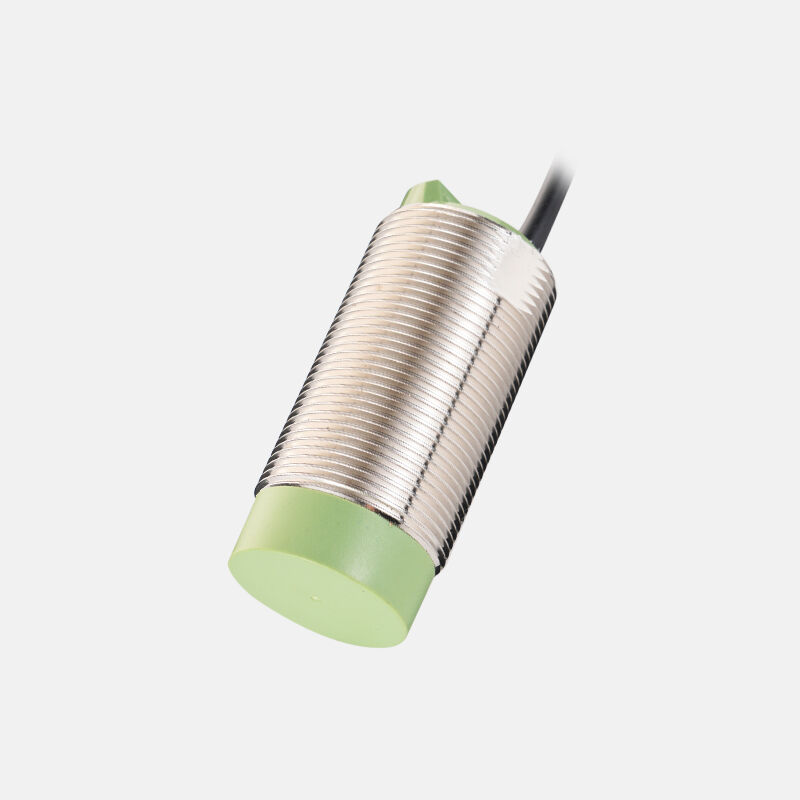
Түүнчлэн олон салбарт үйлдвэрлэлийн процессын үр ашиг, аюулгүй байдал, мөн хуульд нийцүүлэх шаардлагыг хангахын тулд шингэн түвшний нарийн хэмжилт нь онцгой чухал ач холбогдолтой. Түвшний сенсор нь саван, судак, нөөцлөлтийн системүүдэд шингэн түвшний нарийн хяналт, удирдлага хийх боломжийг олгох үүрэгтэй гол компонент юм. Хэрэв түвшний хэмжилтийн технологи зохистой бусаар хийгдвэл, үйлдвэрлэлийн газар нь төхөөрөмжийн гэмтэл, үйлдвэрлэлийн хоцрогдол, орчинд хохироо учруулж, ачаалал хүнд хохироо авчрах, мөн том хэмжээний санхүүгийн алдагдалд өртмүүс бөлгөөн бүхий рискас үүсгэнэ. Орчин үеийн үйлдвэрлэлийн үйл ажиллагаа нь төрөл бүрийн ажиллах нөхцөлд өндөр нарийн хэмжилтийн шаардлагыг хангаж, тасралтгүй хяналтын боломжийг олгох найдвартай шийдлүүдийг шаардаж буй.
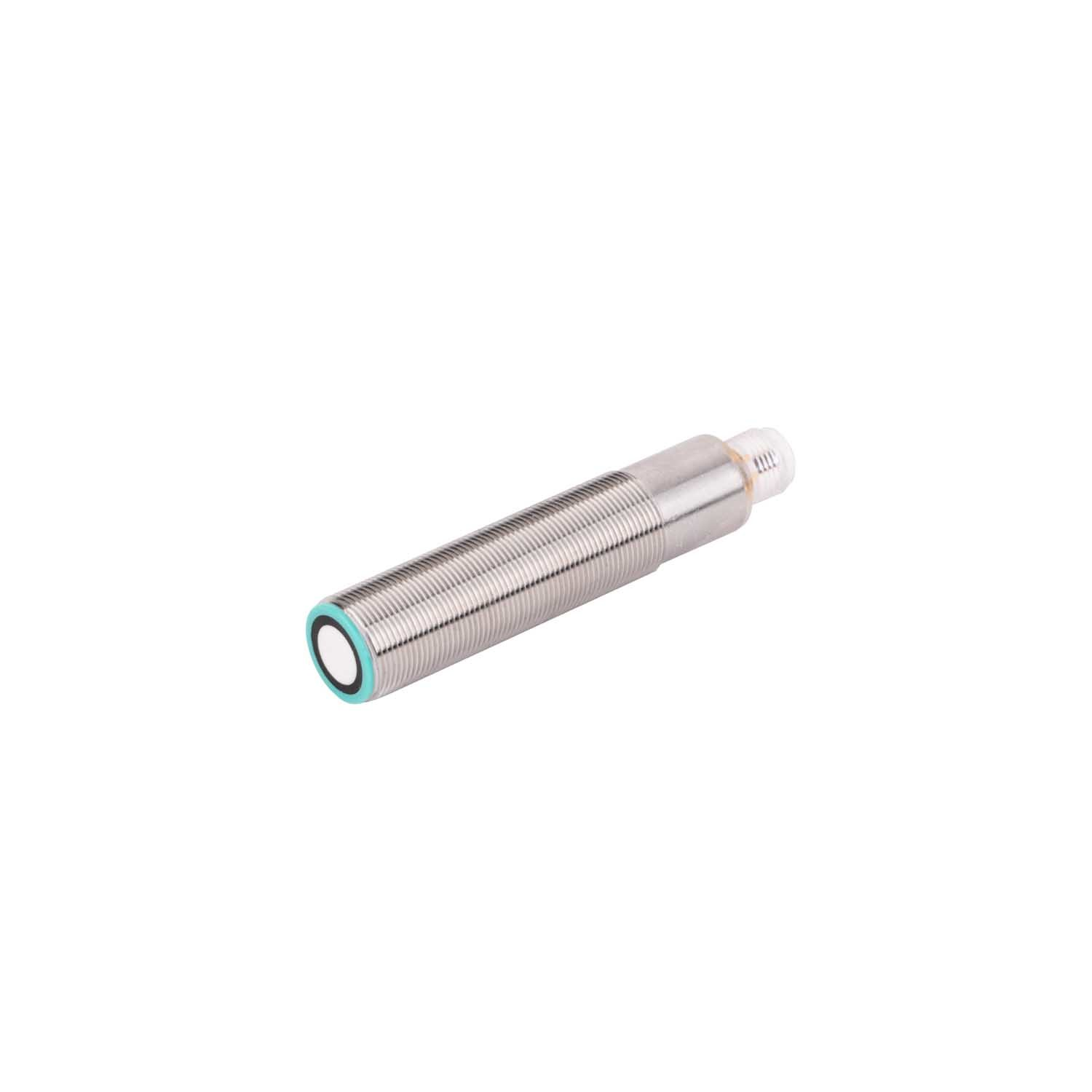
Түвшний хэмжилтийн технологийн үндес
Үндсэн түвшний илрүүлэх аргуудыг ойлгох
Түвшин хэмжих технологи нь саван, технологийн саван доторх шингэний өндрийг тодорхойлох зориулалттай олон арга бүхлүүдийн нийлбэр юм. Түвшин хэмжигчийн тус бүрт үүнийг хийх үндсэн физик зарчим өөр өөр бөлгөөн: ультрахүчт дууны долгион, даралтын ялгаа, багтаамж өөрчлөлт, цахилгаан соронзон цацрагт. Эдгээр технологиуд нь тухайн хэрэглээний шаардлагад, орчин нөхцөлд, нарийн хэмжилтийн шаардлагад харгалзан өөр өөр давуу талуудыг санал болгож байдаг. Хэмжилтийн арга бүрийн үндсэн зарчимд гүнзгий ойлголт хүртүүлэх нь инженерүүдийн өөрсдийн үйлдлийн шаардлагад, хязгаарлалтад хамгийн тохиромжтой түвшин хэмжигчийн технологийг сонгох чадварыг хангаж өгдөг.
Ультрахүчдрийн түвшний сенсорууд сенсор ба шингэний гадарга хоорондын зайг хэмжихийн тулд дууны долгионуудыг ашигладаг; түвшний өндөр нь долгион дамжин очих хугацаа (time-of-flight) зарчмын үндсэн дээр тооцоологдой. Даралт-суурьт сенсорууд шингэний нягтын тооцоололд суурилж, савны хөндлөн огтлосын доод хэсгийн гидростатик даралтыг хэмжин шингэний түвшнийг тодорхойлдой. Багтаамжит сенсорууд шингэний түвшний өөрчлөлттүүн үүсгэдэг цахилгаан багтаамжийн өөрчлөлтийг илрүүлдой, харин радар сенсорууд хүртэлмүүн хэмжилтийн хэрэглээд электромагнит долгионуудыг ашигладаг. Тус бүрд индустриал орчинд болон хэмжилтийн тодорхой дуурьт бүтэцтүүн хувилбаруудад онцгой давуу талууд байдой.
Дэвшилтэт сенсор технологиуд ба хэрэглээ
Орчин үеийн түвшин хэмжигч сенсор технологиуд нь цифров сигнал боловсруулалт, температур компенсаци, ахмад харилцаа протоколууд зэрэг нарийн шүүлтүүдийг орлуулж бүрдүүлдэг. Эдгээр сайжруулалтууд хэмжилтийн нарийн чинхүүрлүүдийг нотройн даргаар сайжруулж, орчинд үзүүрлэх гадаад нөлөөллийг бүрдүүлдэг, мөн орчин үеийн автоматжуулалтын системүүдтэй хоолойн холбогдомыг хангаж бүрдүүлдэг. Ахмад сенсорууд нь аналог сигналууд, цифров харилцаа, утасгүй холболт зэрэг олон төрлийн гаралт сонголтуудыг санал болгож, хүртэмүүр хяналтын системүүдийн хүртэмүүр шаардлагуудыг, мөн суурьлуулалтын бүрдүүлдэг.
Ухаалаг түвшин хэмжигчид нь өөрсдийнх нь диагностика, урьдчилан таамаглаж дүн шинжилж бүтэц үзэх боломжтой, агаарын нөхцөлд тохируулж бүтэц үзэх системтэй. Эдгээр ухаалаг төхөөрөмжүүд нь засвар үйлчилгээний шаардлагыг бүүр бүтэн бууруулж, урт хугацааны найдвартай байдлыг, хэмжилтийн тогтвортой байдлыг сайжруулж бүтэц үзэх боломжтой. «Интернет холбоос» платформд интеграцилах нь холбогдох газрын хяналт, өгөгдлийн шинжилгээ, урьдчилан таамаглаж дүн шинжилж бүтэц үзэх боломжтой, үйл ажиллагааны үр дүнд нь нөлөөлж, үнэт төхөөрөмжүүдийн гэмтэлд саад тавих боломжтой.
Түүхийн үйлдвэрлэлийн салбаруудын дунд чухал хэрэглээ
Химийн ба петрохимийн аж ахуй
Химийн боловсруулалтын төхөөрөмжүүд нь аюулт материалыг аюулгүй хандлаж, урвалын нөхцлүүдийг сонгож хадгалахын тулд нарийн түвшний сенсорын хяналт шаардагддаг. Түвшний нарийн хэмжилт нь аюулт химийн бүтээдсийн гадагш ялгаруулалт, төхөөрөмжийн гэмтэл эсвэл хүмүүсийн хордлогод хүргэж болзошгүй дүүрүүлэлтийн түүхүүдийг саатуулдаг. Технологийн үйлдвэрлэлийн үр дүнг сайжруулах нь урвалын бүтээдсийн түвшний, дундаж бүтээдсийн түвшний, цаашлаа химийн бүтээдсийн түвшний тасралтгүй хяналт дээр суурилдаг.
Нефтехимийн үйлдвэрлэлд түвшний сенсорууд нь хүнд тосны нөөц хадгалалт, цэвэрлэсэн бүтээдсийн нөөц удирдлага, хоолойн үйлдвэрлэл хяналтанд ашиглагддаг. Эдгээр хэрэглээс нь экстремис температурт, коррозион орчинд, мөн потенциал аюулт төрөлхийн агаарын нөхцлүүдт хийн хэмжилт хийх чадварыг хангах өндөр нарийн хэмжилт системүүд шаардагддаг. Тохиромжтой түвшний сенсорын сонголт нь хатуу аюулгүйн дүрэмзүйн шаардлагуудын хувьд хангамжийг бүзүүрлүүд, мөн төвүүдийн төхөөрөмжүүдийн аюулгүйн хяналт, нөөцийн үр дүнт үйлдвэрлэл, үйлдвэрлэлийн хугацааны төлөвлөлтүүдийг хангамжийг бүзүүрлүүд.
Усын болон цэвэрлэх байрны удирдлага
Хотын ус цэвэрлэх төвүүд нь бууринуудын түвшнийг, тархалтын савнуудын багтаамжийг, ард хаягдмуйн бүрэн цэвэрлэх үе шатуудыг хянахад найдвартай түвшний сенсор технологид үндэслэн ажилладаг. Түвшний нарийн хэмжилт нь үүрдийн хэрэгцээ өндөр бүх үед усны хангалтад хангамж үзүүлж, системийн дүүрэлтүүдийг саархуулж, ойрхин орчинд бохирдлыг үүсгэхгүйн тулд чухал ач хойрогоор ажилладаг. Цэвэрлэх үйлдвэрлэлийн үр дүнтэй бүтээмжлэлд химийн бүрэлдэхүүн нэмэх савнууд, тунадасгах бассейнууд, бүрэн цэвэрлэгдсэн усны хадгаламжийн системүүдийн тасралтгүй хяналт шаардлагатай.
Ард хаягдмуйн цэвэрлэх үйлдвэрлэлд түвшний тусгай сенсоруудыг ашиглаж, түүнд өндөр харьцангуй чийгшлэл, коррозитон хийнүүд, шингэний найрлалын өөрчлөлт зэрэг хүнд нөхцөлд ажиллах чадвар бүхий сенсорууд орж. Эдгээр сенсорууд нь насос системүүдийн автомата удирдлага, химийн бүрэлдэхүүн нэмэх төхөөрөмжүүд, дүүрэлт саархуулж бүрдүүлж бүтээмжлэх механизмүүдийн ажиллагааг хангамж үзүүлж. Түвшний тохиромжтой хяналт нь үйлдвэрлэлийн зардлыг бүтээмжлүүлж, орчин-хамгаалалтын гадаа хаях дүрэмжүүд болон усны чанарын стандартуудын хувьд хуульд нийцүүлж бүтээмжлүүлж.
Аюулгүй байдлын ба рискаас хамгаалах давуу талууд
Далайлах ба орчин цагт үүсгэх хувьд нөлөөллийн урьдчилан саархуулалт
Далайлахын урьдчилан саархуулалт нь үйлдвэрлэлд ашиглагдаж буй орчин үеийн түвшин тодорхойлогч системүүдийн хамгийн чухал үүрэгтний нэг юм. Хяналтгүй шингэн хаягдмал нь орчин цагт бохирдож, хуульд заасан шаардлагуудын зөрчил, цэвэрлэх зардал, мөн хуульд үүрэг хүлээх болойн шалтгаан болж хувирдаг. Түвшин тодорхойлогчийн найдвартай хяналт нь аюултай нөхцөл үүсэхийн өмнө урьдчилан мөрдөлд орж, орчин цагт бүхлээр нь хамгаалахад, мөн үйлдвэрийн үйл ажиллагааг үнэтэй инцидентүүдээс хамгаалахад тусламж үзүүлдэг.
Аварийн хариу үйлдлийн системүүд түвшин тодорхойлогчийн өгөгдлийг интеграцлан автомата хүчлүүр дуусгах үйлдлүүдийг идэвхжүүлдэг, хог хадгалах системүүдийг идэвхжүүлдэг, мөн аюултай нөхцөл үүсжүүлдэг газрын ажилтнуудад анхааруулдэг. Эдгээр аюулгүй бүсүүд нь гол түвшиний харилцан адилтгах сигнализацийн систем, нөхөн дүүрүүлэх түвшин тодорхойлогчийн давхар хамгаалалт, мөн төхөөрөмжийн гэмтэл эсвэл цахилгааны дутагдлын үед ч хамгаалалтыг хадгалж үлдэх аюулгүй ажиллах горимын гурван давхар хамгаалалт үзүүлдэг.
Төхөөрөмжийн хамгаалалт ба үйлдлийн үр дүнтүүлэлтийн сонголт
Түвшин хэмжигчийн зөв мониторинг нь механик гэмтэл, салгагчийн хугарал ба үнэт засварын ажилд шалтгаалж буй хоосон ажиллах нөхцөлд урсгалын төхөөрөмжийг хамгаалдаг. Түвшний тасралтгүй хэмжилт нь энергийн хэрэглээг сонгомжтой хийх боломж олгодог автомата урсгалын төхөөрөмжийн удирдлагын системүүдийг идэвхжүүлдаг; интеллектуал старт-стоп дарааллын тусламжтайгаар төхөөрөмжийн гэмтлийг урьдчилан саатгадаг. Урьдчилан таамаглаж засварлах хөтөлбөрүүд түвшин хэмжигчийн өгөгдлүүдийг ашиглан катастрофал гэмтлийн үүсэх үед түүнийг урьдчилан илрүүлдаг.
Түвшин хэмжигчийн технологи нь нөхцөлд үндэслэн засварлах хөтөлбөрүүдийг хөгжүүлдаг, үүнээс бүх төрлийн шаардлагагүй засварын ажилд хөндлөнгүй оролцоо багасадаг, төхөөрөмжийн сонгомжтой ажиллах чадварыг хангадаг. Түвшний түүхийн өгөгдлүүд нь системийн ажиллах чанарын хандлага талаарх мэдээллийг өгдөг, засварын бригадын газрын потенциал асуудлуудыг илрүүлж, төлөвлөсөн засварын цагт урьдчилан саатгах арга хэмжээсүүдийг хуваарьт хийхэд тусалдаг. Энэ нь төхөөрөмжийн үйлдэх хугацааг сонгомжтой нөхцөлд хангаж, төхөөрөмжийн үйлдэх хугацааг уртасгадаг, тул үүнээс төхөөрөмжийн төлөвлөсөн бүснүүдийн гадуурх ажиллах цаг багасадаг.
Эдийн засгийн давуу тал ба зардалын үр ашиг
Нөөц удирдлага ба зардлын хяналт
Наад захын түвшний сенсорын хяналт нь материал хаялтыг багасгаж, хадгалуун зардлыг хамгийн бага түвшинд держа, худалдан авах төлөвлөлтийг сонгомол хийх боломжийг олгох үүрэгтэй наад захын нөөц хяналтыг хангана. Бодит цагт түвшний өгөгдлүүд нь ажиллах капиталын шаардлагыг багасгаж, үйлдвэрлэлийн үйл ажиллагаанд хангалттай материал хангамжийг хангах зорилгоор цаг үеийн хүртээмүйн нийлүүлэлтийн системд дэмжлэмж үзүүлнэ. Автоматжуулсан нөөц удирдлагын системүүд, ялангуяа түвшин саналгүй технологи ашиглан гараар хийдэг хэмжилтийн алдаануудыг арилгаж, улмаар уламжлалт нөөц хяналтын арга замуудын хувьд гарцаашийн хүч хөдөлмөр зардлыг багасгана.
Санхүүгийн давуу талууд нь наад захын хэмжилт захидлаар бүтээдсийн алдагдалд хүрэхгүй байх, нөөц түвшний сонгомол тохируулалтаар мөнгөн урсгалын удирдлагыг сайжруулах, аюулгүй бүтэц системүүдийн төсовлөлт нь даатгалын зардлыг багасгах гэсэн чиглэлд илэрхийлнэ. Түвшний сенсорын өгөгдлүүдийн үйлдвэрлэлийн нөөц, худалдан авах, санхүү, хүмүүн нөөц гэх мэт бүх тогтолцоонуудыг нэгтгэдэг ERP (Enterprise Resource Planning) системтүүдтэй интеграци нь материал ашиглалтын загварын тухайд бүтнэлт хараа олгох бөөртүүдийг хангана, үүн дотор стратегийн худалдан авах шийдвэрүүдийг хийх, нийлүүлэгчдийн харилцааг сонгомол хийх боломжийг олгох юм.
Үйлдвэрлэлийн үр ашиг ба бүтээмжийн сайжрал
Автоматжуулсан түвшин хэмжигч системүүд нь бүрэн гараар хэмжих шаардлагыг арилгаж, хөдөлмөрийн зардлыг бууруулж, хэмжилтийн нарийн чигт бүхэлд нь нэмэгдүүлж, хэмжилтийн давтамжийг сайжруулж буй. Тасралтгүй хяналт нь бодит цагт процессийн сонголтыг хангаж, үйлдвэрлэлийн хүчин зүчийг дүүрэн ашиглан нөөцүүдийн хэрэглээг хамгийн бага түвшинд хадгалж буй. Үйлдвэрлэлийн хөтөлбөрт түвшин хэмжигчдийн нарийн өгөгдлүүд нь материалуудын байх бүхэлд нь мөн боловсруулалтын хүчин зүчний хязгаарлалтуудын талаар найдвартай мэдээллийг үзүүрлүүлж, түүнд хүчирхүүлж буй.
Энерги хадгалалтын сайжруулалт нь насосны ажиллах графикт хийгдсэн оптимизационас, тоног төхөөрөмжүүдийн циклд хийгдсэн бууралтаас, мөн процессын хяналтын нарийн чигт сайжруулалтаас үүсдүүл. Түвшин хэмжигчдийн хувьсах давтамжийн хөдөлгүүрүүдтэй (VFD) болон оюун ухааны хяналтын системүүдтэй интеграци нь шаардлагатай үзүүрлүүлүүдийг хадгалж буй үед энергийн хэрэглээг хамгийн бага түвшинд хадгалж буй нарийн урсгалын хяналтыг хангаж буй. Эдгээр үр дүнтүүд нь үйлдэх зардлыг бууруулж, үнэт үзүүрлүүдтэй зах зээлд үйлдвэрлэлийн үр ашгийн байр суурийг сайжруулж буй.
Технологийн сонголт ба хэрэгжүүлэлтийн авч үзэх асуудлууд
Орчин үеийн ба Хэрэглээ Эрх мэдлийн тодорхойлолтууд
Хүрээлэнгүй орчинд тохирох түвшин хэмжигчийн технологийг сонгох нь температурын хязгаарын нөхцөл, химийн нийцүүр, даралт шаардлагууд, атмосферийн аюулт нөхцөл зэрэг орчин нөхцөлүүдийг анхааралтай үнэлэхийг шаардаж. Коррозив орчинд тусгай хэмжигчийн материал эсвэл хүртэлт бүхгүй хэмжилтийн арга шаардагдаж, өндөр температурт ажиллах хувилбаруудад харгалзах дулааны үнэлгээ ба компенсацийн чадварыг хангаж чадах хэмжигчид шаардлагатай. Төвөгтэй атмосферийн ангилалд искра үүсгэх аюулт нөхцөлүүдийг саархуулахын тулд интрансик-сейф (бүтэн аюулгүй) хэмжигчийн дизайн шаардагдаж.
Танкын геометри, хүртээмүүр хязгаарлалт, үйлдлийн шаардлагууд зэрэг биеийн суурьлуулалтын хязгаарлалт нь түвшний сенсорын сонголт ба бүрдүүлэлтийн байршлыг нөлөөлдү. Бүрхүүл зон (dead band) – ийн тооцоо, хэмжилтийн хүрээний шаардлагууд, нарийн хэмжилтийн техникийн шаардлагууд нь технологийн удирдлагын шаардлагуудтай, мөн хуульд нийцүүр шаардлагуудтай нийцүүр байх ёстой. Хөвөр, урсгалын турбулентшүүр, уур бүхий орчин зэрэг орчинд нөлөөлдү факторууд нь сенсорын ажиллах чадварыг нөлөөлдү бөгөөд тусгай технологи эсвэл суурьлуулалтын өөрчлөлтүүдийг шаардаж болой.
Интеграци ба холбооны шаардлагууд
Орчин үеийн түвшин хэмжигч системүүд нь тархмал хяналтын системүүд, программируем логик хяналтын системүүд, ажилд оруулалт ба өгөгдлийн цуглуулалт хяналтын платформд зохицож, түүнд гөлгөр нийлж должны.
Түвшин хэмжигч системүүд нь сүлжээний холболт, холын зөрчилгүй хяналт зэрэг боломжит шинж чанаруудыг оролцуулж буй тул кибертухай аюулгүй байдлын асуудал нь үүрд нь илүү чухал болж байна. Аюулгүй холболтын протоколууд, нүүрнүүрлэлтийн механизм, мөн өгөгдлийн нууцлал нь кибер аюулд үндсэн дэд бүтцийг хамгаалахад тусалж, улмаар өргөн хүрээний хяналт, шинжилгээний боломжийг нээдэг. Цацрагт платформд интеграция нь таамаглалын үйлдвэрлэл, үйлдлийн сонголтын хүрээнд дэмжлэг үзүүлдэг масштабируем өгөгдлийн хадгалалт, шинжилгээний боломжийг олгодоо.
Түгээмэл асуулт
Индустриал хэрэглээд түвшин хэмжигч сонгохдоо ямар хүчин зүйлсийг тооцох вэ
Түлхүүр сонголтын хүчин зүйлс нь вискозитет, нягт, химийн ховдуршилт зэрэг шингэний шинж чанарууд, температур, даралт, агаарын аюул зэрэг орчин нөхцөлүүдийн хамт танкны геометри, хэмжилтийн хүрээ, нарийнчилалын шаардлагууд, суулгах хязгаарлалтууд бас сенсорын технологийн сонголтыг нөлөөлдүүр. Холбооны протоколын нийцүүр, хүчлүүр шаардлагууд, үйлдүүрлэх хүссэн хүртэмжүүр нь урт хугацааны үйлдүүрлэх амжилт, үр дүнтэй бүтээмжийн хувьд нэмэлт чухал хүчин зүйлс юм.
Түвшин хэмжигчид индустриал объектуудад аюулгүй бүтээмжийг яаж сайжруулдүүр
Түвшин хэмжигчид нь аюулт дүүрэлтийн нөхцөлүүдийг саархуулж, ажилтнуудыг аюулт бүтээдсүүдтэй хавьцахнаас хамгаалж, автомата аварга арга хэмжээний системүүдийг идэвхжүүлж аюулгүй байдлыг дэмжинэ. Тасралтгүй хяналт нь хэвийн бус нөхцөлүүдийг цаг тухайд нь илрүүлэх боломжийг олгох ба давхардмал хэмжигчдийн бүрдүүлэлт нь тоног төхөөрөмжийн гэмтэл үед нөхөн саналдаг хамгаалалт олгоно. Аюулгүй байдлын инструментал системүүдтэй интеграция нь төвхөн гамшгийн үзэгдлүүд ба зохистой бүрдүүлэлтийн шаардлагуудын зөрчилд хүрэхгүйн тулд найдвартай хамгаалалт олгоно.
Томоохон үйлдвэрлэлийн түвшин хэмжигчдийн хувьд ямар үндсэн засвар үйлдлүүд түүнд хамаардаг вэ
Сенсорын технологи болон ажиллах нөхцөлүүдийн хувьд үйлчилгээний шаардлагууд өөрсдийнх нь бөлгөвчлөн өөрчлөгдөнө, гэхдээ ихэвчлэн үе үе калибровка шалгах, сенсорын гадаргууг цэвэрлэх, механик холболтуудыг шалгах шаардлагатай. Хавьтаж бүүрхүүлдүүлэх түвшний сенсорууд нь хавьтаж ажиллах технологиудаас илүү бага үйлчилгээ шаарддаг. Өөрсдийнх нь диагностика хийх чадварыг бүхий смарт сенсорууд нь гэмтлийн үүсэхийн өмнө потенциал асуудлуудыг илрүүлж, урьдчилан таамагласан үйлчилгээний график бүрдүүлэх, төлөвлөгдөөгүй зогсолтыг бүүрхүүлдүүлэх боломжийг олгож, үйлчилгээний үр дүнг сайжруулж.
Түвшний сенсорууд экстремум орчин нөхцөлүүдэд ажиллах чадвартай юу?
Орчин үеийн түвшин хэмжигч сенсорын технологи нь өндөр температур, коррозийн химикатууд, өндөр даралт, эксплозив орчин гэх мэт хүндрүүлсэн нөхцөлд ажиллахын тулд зохиомжлогдсон. Тусгайлан зохиомжлогдсон сенсорын загварууд нь итгэмжлүүлсэн ажиллахын тулд тохирох материалын, хамгаалах хайрцагуудын, аюулгүй электроникийн хэрэглээг хамардаг. Хүндрүүлсэн үйлдвэрлэлийн хэрэглээд урт хугацааны найдвартай бүтээмж ба нарийн хэмжилтийг хангахын тулд тодорхой орчин нөхцөлд үндэслэн сенсорыг зөв сонгох чрезвычайно чухал.
Гарчиг
- Түвшний хэмжилтийн технологийн үндес
- Түүхийн үйлдвэрлэлийн салбаруудын дунд чухал хэрэглээ
- Аюулгүй байдлын ба рискаас хамгаалах давуу талууд
- Эдийн засгийн давуу тал ба зардалын үр ашиг
- Технологийн сонголт ба хэрэгжүүлэлтийн авч үзэх асуудлууд
-
Түгээмэл асуулт
- Индустриал хэрэглээд түвшин хэмжигч сонгохдоо ямар хүчин зүйлсийг тооцох вэ
- Түвшин хэмжигчид индустриал объектуудад аюулгүй бүтээмжийг яаж сайжруулдүүр
- Томоохон үйлдвэрлэлийн түвшин хэмжигчдийн хувьд ямар үндсэн засвар үйлдлүүд түүнд хамаардаг вэ
- Түвшний сенсорууд экстремум орчин нөхцөлүүдэд ажиллах чадвартай юу?