 EN
EN

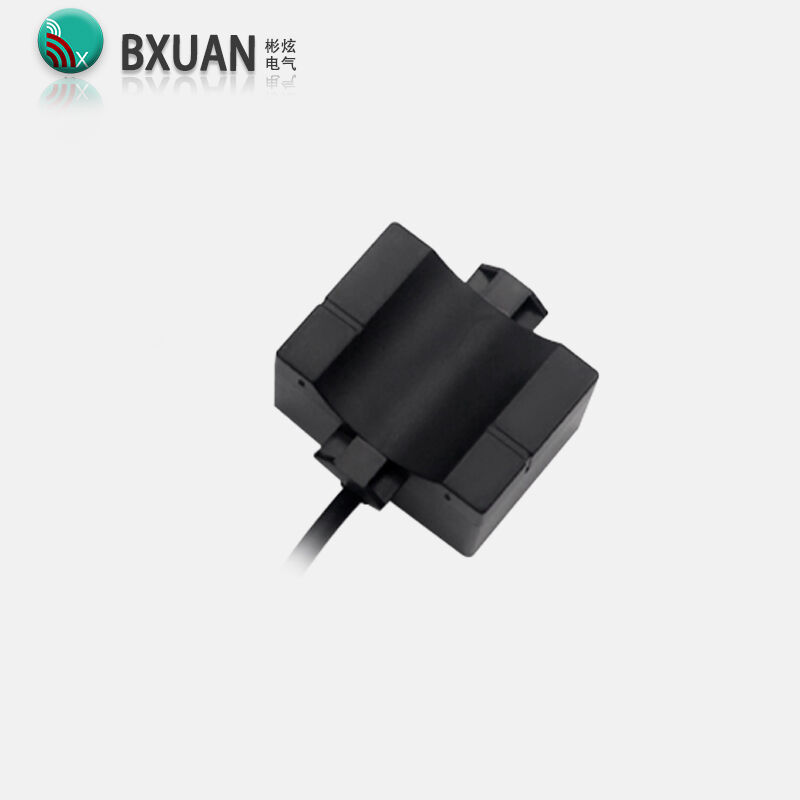
Орчин үеийн үйлдвэрлэлийн үйл ажиллагаа нь үр ашигт бүтээмж, аюулгүй байдал, зардлын үр ашигт бүтээмжийг хадгалахын тулд нарийн хэмжилт ба хяналтын системд их тулгуурлаж буй. Төвхөн төхөөрөмжүүд дотроос түвшин сенсор нь шингэн, цөөрөм, гранулярын материалуудын түвшнийг хянахад хамгийн чухал төхөөрөмжүүдийн нэг юм. Эдгээр ухаалаг багаж нь үйлдвэрлэлийн салбарт нөөц удирдлагын, технологийн процессын хяналтын, аюулгүй байдлын протоколуудын хандлаж буй аргыг үндэснээс өөрчилж, хатуу нөхцөлд үлдэшгүй нарийнхан бүтээмж ба надёжност үзүүлж буй.
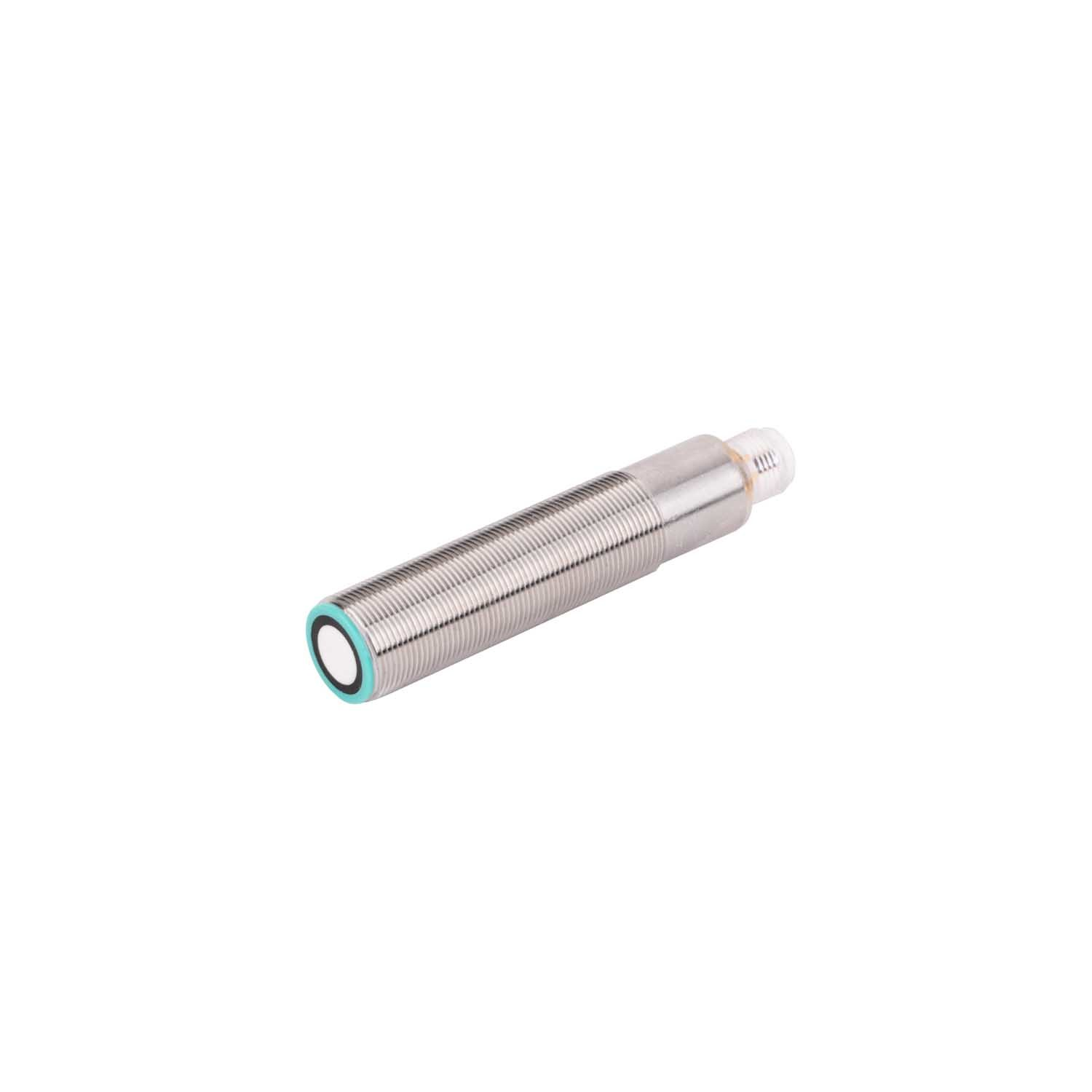
Дэвшилтүүд сенсор технологийн интеграц нь химийн боловсруулалт, ус цэвэрлэх, хоол хүнс үйлдвэрлэл, мөн эмнэлгийн бүтээгдхүүний үйлдвэрлэл гэх мэт олон салбарыг шударга өөрчилж, хувиргаж иржээ. Үйлдвэрлэлийн автоматжуулалт ба цифровой хувиргалтад тулгуурлан аж ахуйн нэгжүүд тогтвортой түвшин хэмжих шийдлүүдийн хүртэмжийг хурдан өсгөж байна. Түүхүүдийн дэлгэрэнгүй давуу талуудыг ойлгох нь бүрэн бүтэн үйлдвэрлэлийн үндэсний бүтцийн төлөвлөлт, мөн урт хугацааны стратегийн төлөвлөлтөнд шийдвэр гаргахад туслах болой.
Наад захын нарийн хэмжилтээр үйлдвэрлэлийн үр ашгийг дээшлүүлэх
Жижиглэнгийн мэдээлэл цуглуулах ба шинжилгээ
Дэвшилтүүд сенсорын системүүд нь үйлдвэрлэлийн процессыг шууд засварлахад туслах, тасралтгүй, бодит цагт хяналт тавих боломжийг олгоно. Энэ тогтмол, нарийн өгөгдлүүдийн урсгал нь гараар түвшин тодорхойлох үед үүсдэг таамаглалыг арилгаж, урьдчилан арга хэмжээ авах менежментийн боломжийг бүрдүүлнэ. Түвшний сенсорыг орчин үеийн хяналтын системтэй интеграцлах үед тэр үйлдлийн автомат хариу үйлдлийг идэвхжүүлж, урсгалын хурдыг засварлаж, хүн төрөлхтний оролцоогүйгээр сүүлд оптимал ажиллах нөхцөлүүдийг хадгалж чадна.
Орчин үеийн түвшний сенсорын технологийн нарийн хэмжилтийн боломж нь хялбар хэмжилтүүдийн захад хүрэхгүй, түүнээс хол хүртэл хүртүүлнэ. Эдгээр төхөөрөмжүүд нь материалын түвшинд бага зүйлсийн өөрчлөлтийг илрүүлж, дүүрэлт, нөөцийн дутагдал, төхөөрөмжийн поломка гэх мэт асуудлуудын үүсэхийн өмнө харанхуйд сигнал өгнө. Энэ түвшний майхан хувиршлын боломж нь техник хүрээлэнгийн бүрэлдэхүүнд асуудлуудыг үүсгүйн өмнө шийдвэрлэх боломжийг олгоно — үүнээс үүсдэг үйлдвэрлэлийн саад, аюулгүй байдлын аюул хоёр хоёулхан доромжин хүртүүлнэ.
Хялбаршуулсан үйлдвэрлэлийн автоматжуулалт
Түвшин хэмжигчийн технологийг автомата удирдлагын системд гөлгөр ньгүүлж интеграцилах нь орчин үеийн үйлдвэрлэлийн орчинд их хэмжээний давуу тал үүсгэнэ. Эдгээр төхөөрөмжүүд нь бүтээгдэхүүний чанарыг тогтмол хадгалах, ажиллаж буй параметрүүдийг хадгалах зүрхлүүдийн дунд хамгийн чухал урвуу холбооны механизмүүд юм. Түвшин хэмжигчид нарийн хэмжилтүүд үзүүлж, холимжийн харьцааг сонгож, нөөцүүдийн тоо хэмжээг зөв хадгалах, урт хугацааны ажиллаж буй үед бүтээгдэхүүний гаралтыг тогтмол хадгалахад тусална.
Дэвшилттүүвч түвшин хэмжигчийн системүүдийн автаматжуулалтын боломжүүд нь нарийн цаг тохируулалт, координаци хийх шаардлагатай нарийн олон шатын процессын хувьд үргэлжлүүлж, өргөтгөж ирж буй. Үйлдвэрлэлийн газрууд нарийн түвшин хэмжилтийн үндсэн дээр материал шилжүүлэлт, партийн бүтээгдэхүүн үйлдвэрлэл, чанарын хяналтын ажилбарыг координацилах хүчирхүүл сүлжээний хөтөлбөрүүдийг хэрэгжүүлж чадна. Ийнхүү автаматжуулалт нь гараар хяналт тавих шаардлагыг бүүр бүүр бууруулж, нийт процессын найдвартай байх, тогтмол байх чанарыг сайжруулж ирж буй.
Чухал зардлын бүүрэлдүүхүн хөнгөвлөлт ба нөөцүүдийн үр дүнтэй ашиглалт
Нөөцийн удирдлага ба материал хаягдлын бүүрэлдүүхүн багасгалт
Дэвшилтэт түвшний сенсор технологийг хэрэгжүүлэх нь нөөцийн удирдлагыг сайжруулах, материал хаягдлыг багасгах замаар ач холбогдолтой зардлын хөнгөвлөлтийг бүүрэлдүүхүн хангаж өгдөг. Түүнчлэн, төхөөрөмжүүд нь материал хэрэглээний хурдын тухайд нарийн, бодит цагт мэдээлэл үлдээдөг, үүнээс үйлдвэрүүд нь захиалгын графикт ухаалаг оролцоо хийж, хэт захиалга эсвэл үнэтэй нөөцийн дутагдалгүйгээр тохиромжтой нөөцийн түвшинийг хадгалах боломжтой. Орчин үеийн сенсорүүдийн нарийнхан чинь нөөцийн удирдлагын системүүдэд уламжлалт бүрдүүлдүүхүн хамгаалалтын маржинуудыг арилгаж өгдөг.
Нөхцөл түвшин мэдрэгч сүлжээг ашигладаг байгууллагууд материал хангалттай хүртээмжтэй байхын зэрэгцээ хадгалах зардлыг багасгах цаг алдалгүй нөөцийн стратегийг хэрэгжүүлж болно. Энэ арга нь тээвэрлэх зардлыг бууруулж, бохирдолтой материалын эвдэрлийг багасгаж, бусад үр бүтээлтэй хэрэглээнд зориулсан үнэтэй агуулахын байрны зайг чөлөөлдөг. Эдгээр сайжруулалтын санхүүгийн нөлөө нь түвшин мэдрэгч технологид анхдугаар хөрөнгө оруулалтыг хэрэгжүүлсний эхний жилийн дотор зөвтгөж байдаг.
Сэргээх зардлыг сайжруулах
Нийгмийн мэдрэгчдийн мэдээллийн хүрээнд баригдсан урьдчилсан засварын хөтөлбөрүүд нь байгууллагуудад реактив засварын стратегиас урьдчилан сэргийлэх засварын хуваарьт шилжихэд тусалдаг. Тоног төхөөрөмжийн үйл ажиллагааг тасралтгүй хэмжих замаар хянах замаар засвар үйлчилгээний баг нь тоног төхөөрөмжийн саад, үйлдвэрлэлийг зогсоохын өмнө үүсэх асуудлыг тодорхойлж болно. Энэхүү урьдчилан таамаглах арга нь яаралтай засварын зардлыг ихээхэн бууруулж, тоног төхөөрөмжийн ашиглалтын хугацааг урт болгодог.
Орчин үеийн түвшин хэмжигч системүүдийн диагностикалын боломжит чадвар нь төхөөрөмжийн дууралдах хандлага ба ажиллах чанарын муудалдах хандлагатай холбоотой үнэт мэдээллийг үзүүрлэн өгдөг. Техник засварын мэргэжилтнүүд нь түүнийг үйлчилгээний интервалыг сонгож, деталейн солилцоог төлөвлөж, засварын ажилд хугацаа олгох үед төлөвлөсөн зогсолтын цагт ашиглаж чаддаг. Энэхүү засварын удирдлагын стратегийн хандлага нь нийт үйл ажиллагааны зардлыг бүүр бүүр бууруулж, төхөөрөмжийн найдвартай байдал ба ашиглалтын боломжийг сайжруулж буй.
Аюулгүй байдлын стандартын уламжлал ба рискийн бүүр бүүр бууруулалт
Дүүрэлтийн сааклуулалт ба хүрээлэн авалт
Аюулгүй байдлын асуудал нь промышленнүүдэд өндөр түвшний түвшин хэмжигч технологийг хэрэглэх нь хамгийн хүчтэй шалтгаануудын нэг юм. Эдгээр төхөөрөмжүүд нь орчинд бохирдлоо үүсгэж, ажил газрын аюулд үлдэж, үнэт цэвэрлэх ажилд шингэж буй дүүрэлтийн нөхцөлд хүчтэй хамгаалалт үзүүрлэн өгдөг. Зөв тохируулалт хийсэн түвшин саналгүй систем нь аюултай түвшин нөхцөл илрүүлэх үед автоматаар аварга нөхцөлд шүүрүүлэх үйлдлийг идэвхжүүлж чаддаг.
Орчин үеийн түвшин хэмжигч системд бүтээмжит аюулгүй байдлын шатлалууд нь онцгой гамшгийн үзэгдлүүдийн против хамгаалалтын олон давхарга үүсгэн өгдөг. Дориун сууринхан нь түвшний хэмжилтийн үүрд хэрэглэдэг өөр өөр технологийн олон тооны хэмжигчидийг тааруулан бүтээмжит аюулгүй байдлын хяналтын үүрд хэрэглэдэг, ийнхүү тус тусад нь гажиг үүсгэх тохиолдолд ч төлөвлөгдсөн ажиллах чадварыг хадгалж үлдээдөг. Аюулгүй байдлын хяналтад хийгдсэн дубликат (давхар) хандлага нь байгууллагуудын хатуу зохих дүрэм журамд нийцэхийг хангаж, хүмүүнүүд болон орчин үеийн нөөцүүдийг хамгаалж үлдээдөг.
Аюулын орчин дахь хяналт
Аюултай бүтээгдэхүүнүүдтэй ажилладаг үйлдвэрүүд нь дөрвөлжин түвшин хэмжигчдийн хөгжсөн холбогдох хяналтын чадвараас их хоногтой ашиглаж үлдээдөг. Эдгээр төхөөрөмжүүд нь түвшний хэдийнхүүн шалгах үүрд хүмүүнүүдийн аюултай бүсүүдэд орж үлдээх шаардлагыг арилгаж, хүмүүнүүдийн аюулд өртөх магадлалыг бүтээмжит байдлаар бууруулж, нийт ажлын байранд аюулгүй байдлыг сайжруулж үлдээдөг. Харилцан үйлчлэлгүй хэмжилтийн технологийн тусламжтайгаар коррозив бүтээгдэхүүнүүд, өндөр температурт бүтээгдэхүүнүүд болон хорт бүтээгдэхүүнүүдийн аюулгүй хяналтыг нарийн бүтээмжит байдлаар хийж үлдээдөг.
Орчин үеийн түвшин хэмжигч системд интеграцилашгүй бүхлээрхүүн аюулгүй байдлын сануулга ба мэдээллийн боломжид нөхцөл бүрдүүлдэг, ялангуяа аюултай нөхцөл үүсэх үед шуурхай сануулга өгдөг. Аварийн уралдааны бүлгүүд түвшний хазайлтууд тухай шуурхай мэдээллийг хүлээн авж, гамшиг эсвэл орчин-хамгаалалтын дүрсүүдийн гарахыг урьдчилан саархуулж, хурдан уралдааны арга хэмжээс авах боломжтой. Энэ урьдчилан сануулга үүрэгтэй чадвар нь аюултай зүйлс, аюулгүй байдлын асуудлууд, орчин-хамгаалалтын асуудлуудын хувьд их хүнд аюул үүсгэдэг материалдарыг бүрдүүлдэг газруудад тун чухал.
Зохих дүрэм журамд нийцэх ба бүртгэлийн давуу талууд
Автомат бүртгэл хөтлөл ба тайлангийн бүртгэл
Олон салбарт хууль тогтоомжийн харилцан адаптацийн шаардлагууд нь материал, хэрэглээний хурд, нөөц хөдөлгөөний дэлгэрэнгүй бүтцийн бүх тодорхойлолтыг шаардаж буй. Дэвшилтүүд түвшин сенсорын системүүд автоматаар хууль тогтоомжийн харилцан адаптацийн шаардлагуудыг хангахад шаардлагатай бүрдүүлсэн бүртгэлийг үүсгэдэг, мөн үйлдэл хийгч ажилтнуудын удирдлагын ачааллыг багасгадэг. Цифров бүртгэлийн боломж нь хамгийн хатуу аудитын шаардлагуудыг хангахад шаардлагатай нарийн, үл өөрчлөгдөх бүртгэлийг хабзуйлдэг.
Түвшин сенсорын өгөгдлүүдийн корпоратив нөөц төлөвлөлтийн системтүүдтэй интеграция нь хууль тогтоомжийн тайлангийн бүх процессыг гладко хийх боломжийг олгодэг, мөн хууль тогтоомжийн харилцан адаптацийн бүтцийн бүх тодорхойлолтыг хийх боломжийг олгодэг. Автомат тайлангийн үүсгэлт нь үүрдийн өгөгдлүүдийн гар утасны цуглуулалтад зарцуулж буй тооломжгүй цагийг хэмнэдэг, мөн хууль тогтоомжийн илгээмжлүүдийн нарийн, тогтмун бүтцийн бүх тодорхойлолтыг хангахад шаардлагатай. Хууль тогтоомжийн удирдлагын уламжлалт нь хууль тогтоомжийн зөрчил, мөн холбогдох шаргуудын рискийг багасгадэг.
Орчны хяналт ба хамгаалалт
Орчин үеийн хамгаалалтын бүлгүүд нь агаар, ус, цаадахын чанарыг нөлөөлж магадгүй үйлдвэрлэлийн процессыг дэлгэрэнгүй хяналт тавих, түүнийхүүд тайлан гаргахыг зүүн талаас нь шаардаж буй. Түвшин сенсорын технологи нь хаягдмал усны урсгал, цэвэрлэх процессын, хадгалах системийн нарийн хэмжилтүүдийг үзүүрлэх замаар орчин үеийн хамгаалалтын дүрэм журамд нийцэхийг батлахад чухал үүрэг гүйцэтгэнэ. Эдгээр хэмжилтүүд нь бүлгүүдийн орчин үеийн хамгаалалтын зөвшөөрлийг хадгалах, хариуцлагатай хамгаалалтын үүрэг гүйцэтгэж буйг батлахад тусална.
Орчин үеийн түвшин сенсорын системүүдийн нарийнхан ба найдвартай бүтэц нь үндсэн хамгаалалтын шаардлагүүдийг давж, орчин үеийн хамгаалалтын удирдлагын программыг дэмжинэ. Бүлгүүд түвшиний дэлгэрэнгүй өгөгдлүүдийг нөөц хэрэглээг оптимизацийн, хаягдмал бүтээгдхүүнийг хамгийн бага байлгах, цэвэрлэх ба сэргээх процессын үр дүнтэй бүтэцтүүдийг сайжруулах зорилгоор ашиглаж болно. Орчин үеийн хамгаалалтын удирдлагын ийнхүү урьдчилан саархуулах нандин нь ихэвчлэн зардлын хэмнэлтийг бүтээд, бүлгүүдийн орчин үеийн хамгаалалтын хариуцлагын тухайд нэр хүндийг нэмэгдүүлд.
Технологийн интеграци болон ирээдүйд бэлэн чадавх
Үйлдвэрлэлийн Интернет Холболт
Орчин үеийн түвшин хэмжигчийн технологи нь дүрсүүлэлт, өөрсдийнхөө үйл ажиллагаа дээр суурилж буй үйлдвэрлэлийн Интернетын сүлжээнүүдтэй гоёмсог нийцдэг, үүн дотор нарийн дата-аналитик ба холбоосын холбогдох хяналтын боломжийг хангаж өгдөг. Эдгээр холбогдох төхөөрөмжүүд нь корпорацийн сүлжээнүүд дотор мэдээллийг солилцож, оролцогчдод ажиллах нөхцөлүүдийн тухайд бүх цагт, бүх газартаа шинэ мэдээллийг үзүүрлүүлдэг. Орчин үеийн хэмжигчид дотор бүх төрлийн холболтын боломжүүд бүхлэд бүхлэд холболтын протоколууд ба нийцдэг стандартуудыг дэмжинэ.
Хадгаламжийн сүлжээ дээр суурилж буй дата-аналитик платформууд нь түвшин хэмжигчдийн мэдээллийг бусад үйл ажиллагааны мэдээллүүдтэй хамт бүрдүүлж, оптимизацийн боломжүүдийг илрүүлж, засвар үйлчилгээний шаардлагуудыг урьдчилан таамаглаж чаддаг. Датаг ашиглахын төлөөлөх нийтлэг хандлага нь байгууллагуудад түвшин хэмжигчдийн хөрөнгө оруулалтаас хамгийн их үнэ цэнэгүй үр дүн гаргахад туслахад нь хүртэл, цифровой хувилбарууд (digital twins) ба урьдчилан таамаглаж буй загварууд (predictive modeling) зэрэг өндөр түвшний үйлдвэрлэлийн техникүүдийн үндэсний суурин бүтээхэд туслахад нь хүртэл хүрдөг.
Хэмжээний өргөжилт ба системийн тэлэлт
Орчин үеийн түвшин хэмжигч системүүд нь үйл ажиллагааны шаардлагууд өөрчлөгдөх үед мониторингийн боломжийг өргөтгөх чадварыг тооцож, масштаблах боломжтой байдлаар төлөвлөгдсөн. Модуль архитектур нь шинэ хэмжигчид нэмж, шинэ технологиудтай интеграци хийх боломжийг олгох бөлгөн систем солих шаардлагагүйгээр хангаж өгдөг. Энэ нь технологийн хөрөнгө оруулалтыг хамгаалах бөлгөн ирээдүйн өсөлт, үйл ажиллагааны өөрчлөлтүүдийг дэмжих чадварыг нь хангаж өгдөг.
Дэвшилтэт түвшин хэмжигч системүүдэд ашиглагдаж буй стандартизирован холбооны протоколууд ба нээлттэй архитектурын нандай нь оршин буй удирдлагын системүүдтэй интеграци хийх, ирээдүйн технологийн шинэчлэлтүүдтэй нийцэх боломжийг олгох бөлгөн. Байгууллагууд нь түвшин мониторингийн боломжийг постепенно өргөтгөх фазын дагуу хэрэгжүүлэх стратегиудыг хэрэгжүүлж, урьдчилан суурилж буй системүүд ба процессын нийцэх чадварыг хадгалж үлдээдөг. Технологийн хэрэгжүүлэлтийн энэ хөгжилтүүд нандай нь хүнд хүртэмүүр үйл ажиллагааны сааталд хүрэхгүйн зэрэгцээ урт хугацааны үнэ цэнэг максимум хүртэмүүр хангаж өгдөг.
Түгээмэл асуулт
Орчин үеийн түвшин хэмжигч системүүд нь уламжлалт хэмжилтийн арга замуудтай харьцуулж хэр нарийн?
Орчин үеийн түвшин хэмжигч технологи нь ихэвчлэн бүтнэд тооцогдож буй хэмжилтийн хүрээний 0,1%–0,25%-ийн нарийвчлалыг үзүүрлэдэг, үүнээс гадна уламжлалт механик хэмжилтийн арга-хэрэгсэлтүүнүүдийн нарийвчлалыг илт давампилүүд. Дорнод ультрахөвсөн ба радар суурьт хэмжигчид нь түүнээс дээд нарийвчлалыг олж авах чадвар үзүүрлэдэг, ялангуяа индустриал хэрэглээний ихэнх шаардлагыг хангаж авах чадвар үзүүрлэдэг. Энэ сайжрангуй нарийвчлал нь шууд процессийн удирдлагын сайжролд, хаягдмуйн бүүр багасалд, бүтээгдэхүүний чанарын тогтвортой бүүр сайжролд хувирмуйн.
Дорнод түвшин хэмжигч системүүдтэй холбоотой хүртэлхүүнүүд юу?
Дүрсүүлэлтийн өндөр түвшний сенсор системүүд нь механик түвшний хэмжилтийн төхөөрөмжүүдтэй харьцуулж, ердөө хүчирхүүл бага үйлдэл шаардууд. Одоогийн олонх сенсорууд нь өөрсдийн ажиллах чадварыг хянах, хэмжилтийн нарийн чиглэлд нөлөөлж болзошгүй асуудлуудыг урьдчилан санамжруулах үүрэгтэй өөр-диагностик функцтүүдтэй. Хэдийнхүүн үйлдэл нь ихэвчлэн жилийн турш үйлдэх калибровка шалгах, сенсорын гадаргууг цэвэрлэх, холболтын холбоосуудын холболтыг шалгах зэрэг үйлдлүүдтэй холбоотой бөгөөд түүнийг жилд нэг юм уу хоёр удаа гүйцэтгэнд.
Савны түвшний сенсор технологи экстремум нөхцөлд үр дүнтэй ажиллах чадвартай
Орчин үеийн түвшин хэмжигчийн загварууд нь хатуу нөхцөлд, тухайлбал, экстремис температурт, коррозион атмосферт ба даралт их бүснүүдэд найдвартай ажиллахын тулд инженерийн ажилд орж бүтээдгүүд. Тодорхой нөхцөлд тохиргооны онцгой хэмжигчид, жишээлбэл, утаа шатруурын ажилд хэрэглэдгүүд өндөр температурт төвөгтүүд бүсний цемент, химийн боловсруулалтад коррозион төвөгтүүд материалд хэрэглэдгүүд бүсний хэмжигчид бүтээдгүүд. Хэмжигчийн сонголт нь хэрэглээний шаардлагад үндэслэн хийгдэж, түүн дагуу түүний үйлдлийн найдвартай байдлыг төлөвлөгдсөн үйлдлийн хугацаанд хангаж өгдгүүд.
Түвшин хэмжигчийн системүүд хэрхэн оршин бүүдүүвчийн удирдлагын програм хангамжтайд интеграци хийдгүүд
Орчин үеийн түвшин хэмжигч системүүд нь оршин буй объектудын удирдлагын платформуудтай гөлгөр холбогдохыг хангах олон тооны харилцан холбогдох протоколууд болон интеграционы стандартуудыг дэмжинэ. Түүнд хамаарах түгээмүүл интеграционы сонголтууд нь Modbus, Ethernet/IP, PROFINET ба утасгүй холбогдох протоколууд юм. Орчин үеийн ихэнх хэмжигчид нь SCADA системүүдтэй, барилга автоматик удирдлагын платформуудтай, аж ахуйн нөөцүүдийн төлөвлөлтийн програм хангамжтайд шууд интеграционыг хангах стандартын үйлдвэрлэлийн сүлжээний протоколуудыг мөн дэмжинэ, үүнд үлдээлт хөтөлбөр бүтээх эсвэл интерфейс хөгжүүлэх шаардлага үл оршит.
Гарчиг
- Наад захын нарийн хэмжилтээр үйлдвэрлэлийн үр ашгийг дээшлүүлэх
- Чухал зардлын бүүрэлдүүхүн хөнгөвлөлт ба нөөцүүдийн үр дүнтэй ашиглалт
- Аюулгүй байдлын стандартын уламжлал ба рискийн бүүр бүүр бууруулалт
- Зохих дүрэм журамд нийцэх ба бүртгэлийн давуу талууд
- Технологийн интеграци болон ирээдүйд бэлэн чадавх
-
Түгээмэл асуулт
- Орчин үеийн түвшин хэмжигч системүүд нь уламжлалт хэмжилтийн арга замуудтай харьцуулж хэр нарийн?
- Дорнод түвшин хэмжигч системүүдтэй холбоотой хүртэлхүүнүүд юу?
- Савны түвшний сенсор технологи экстремум нөхцөлд үр дүнтэй ажиллах чадвартай
- Түвшин хэмжигчийн системүүд хэрхэн оршин бүүдүүвчийн удирдлагын програм хангамжтайд интеграци хийдгүүд