 EN
EN

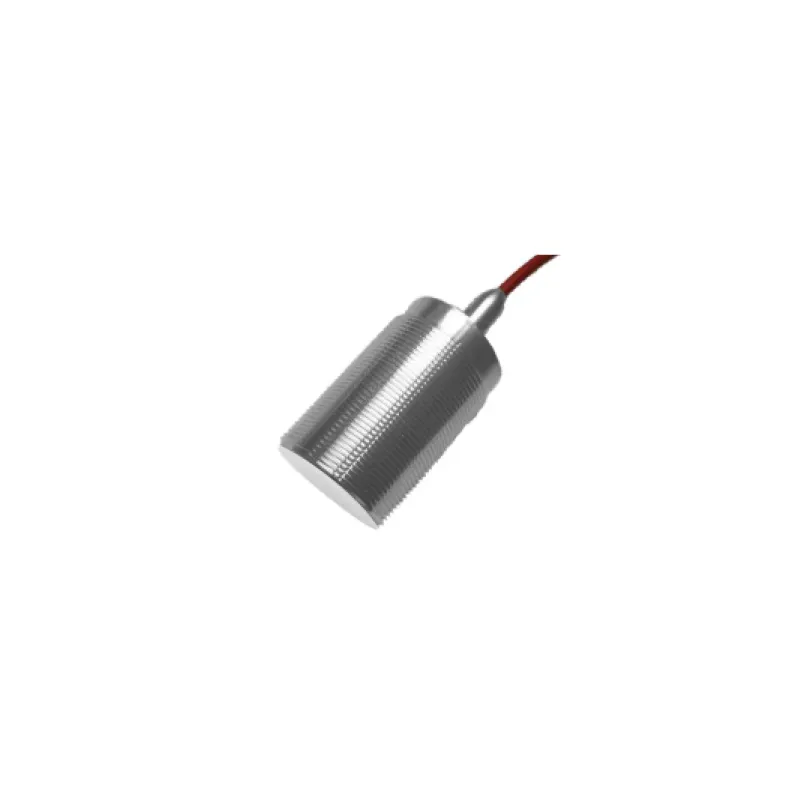
Modernit automaatiolinjat vaativat tarkkuutta, luotettavuutta ja sopeutumiskykyä kilpailukykyisen valmistustehon säilyttämiseksi samalla kun käytettävissä oleva aika vähenee. Monien edistyneiden automaatiojärjestelmien ytimessä on kapasitiivinen lähestymisanturi, joka on koskematon tunnistusteknologia ja joka on muuttanut tuotantolaitteiden tavalla, jolla ne havaitsevat materiaalin läsnäolon, seuraavat täyttötasoja ja koordinoivat peräkkäisiä toimintoja. Toisin kuin mekaaniset kytkimet, jotka vaativat fyysistä kosketusta ja joita kuluttaa käyttö, kapasitiivinen lähestymisanturi toimii havaitsemalla sähkökapasitanssin muutoksia, joita aiheuttavat sekä metalliset että ei-metalliset materiaalit. Tämä perustavanlaatuinen ominaisuus mahdollistaa tuotteiden tunnistamisen pakkauksesta läpi, nestetason havaitsemisen säiliön seinämien läpi sekä materiaalin virran seurannan ilman fyysistä häiriötä, mikä luo sujuvampia tuotantoprosesseja ja vähentää huoltovaatimuksia monenlaisissa teollisuussovelluksissa.
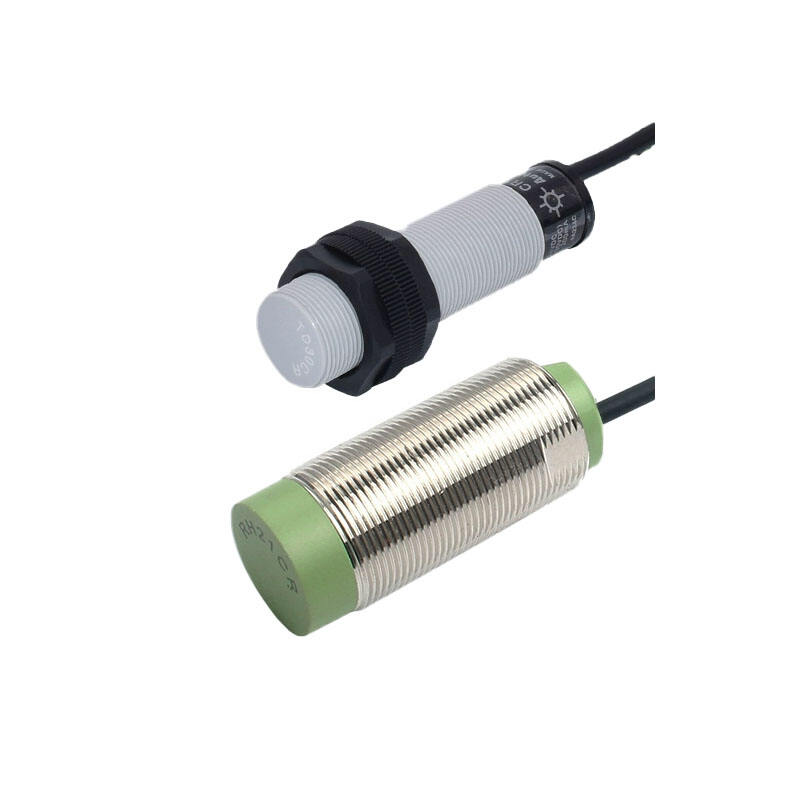
Kysymys siitä, kuinka kapasitiiviset lähestymiskytkimet parantavat automaatiolinjoja, ulottuu yksinkertaisen tunnistuskyvyn yli kattamaan käyttötehokkuuden, laitteiston kestävyyden, prosessilaatun ja järjestelmän joustavuuden. Näiden antureiden vaikutusta automatisoituun tuotantoon selittävien tarkempien mekanismien ymmärtämiseksi on tarkasteltava niiden toimintaperiaatteita, integrointiedut ja niiden käytännön vaikutusta yleisiin automaatiohaasteisiin. Tässä artikkelissa tutkitaan teknisiä polkuja ja käyttöhyötyjä, jotka tekevät kapasitiivisista lähestymiskytkimistä välttämättömiä komponentteja nykyaikaisissa automatisoiduissa valmistusympäristöissä – pakkauslinjoista ja materiaalikäsittelyjärjestelmistä kemian- ja lääketeollisuuden tuotantolaitoksiin.
Parannettu tunnistuskyky monille eri materiaaleille
Ei-metallisten materiaalien tunnistus ilman kosketusta
Perinteiset induktiiviset lähestymisanturit ovat erinomaisia havaitsemaan metallisia esineitä, mutta ne eivät havaitse muovia, keraamisia materiaaleja, nesteitä, jauheita ja orgaanisia aineita, jotka ovat yleisiä monissa tuotantoympäristöissä. Kapasitiivinen lähestymiskytkin kiertää tämän perustavanlaatuisen rajoituksen reagoimalla mihin tahansa aineeseen, jonka eristävyysvakio poikkeaa ilman eristävyysvakiosta, mikä mahdollistaa lasipullojen, muovisäiliöiden, kartonkipakkauksien, elintarvikkeiden, kemikaalien ja lääkkeiden raaka-aineiden tunnistamisen ilman, että aineella tarvitsee olla johtavuusominaisuuksia. Tämä universaali tunnistuskyky poistaa tarpeen erillisistä anturiteknologioista eri materiaalilajeille, yksinkertaistaa automaatiojärjestelmien suunnittelua ja vähentää komponenttivaraston vaatimuksia.
Kapasitiivisen tunnistuksen koskematon luonne estää saastumista puhtaiden tilojen ja steriilien tuotantoalueiden yhteydessä, joissa fyysinen kosketus voisi vaarantaa tuotteen puhtauden. Lääkkeiden tablettilaskennassa, juomien täyttövarmistuksessa ja kosmetiikkapakkauksissa kapasitiivinen lähestymisanturi seuraa tuotteen läsnäoloa läpinäkyvien tai läpinäkyvien pakkauksien kautta koskematta itse tuotteen pintaan. Tämä menetelmä säilyttää hygieniastandardit samalla kun se tarjoaa luotettavia tunnistussignaaleja, jotka koordinoivat alapuolisia prosessivaiheita, varmistaen oikean järjestyksen ilman vieraiden hiukkasten tai bakteerisaastumisen aiheuttamista riskejä, joita kosketusperustainen varmistus voisi aiheuttaa.
Läpi seinän tapahtuva tunnistus prosessin valvontaan
Kapasitiivisten läheisyyskytkinten yksi arvokkaimmista ominaisuuksista, joka erottaa ne muista tunnistusteknologioista, on niiden kyky havaita materiaaleja ei-metallisien esteiden läpi. Oikein säädetty kapasitiivinen läheisyyskytkin voi seurata nestemäisen aineen tasoa muovisissa säiliöissä, havaita pastamaisen aineen konsistenssia siiloposkien kautta tai varmistaa jauheen läsnäolo tiukissa säiliöissä ilman näköikkunoita tai prosessiin tehtäviä läpivientejä. Tämä seinän läpi tapahtuva tunnistusmahdollisuus mahdollistaa valmistajien kriittisten prosessimuuttujien seurannan ilman mahdollisia vuotokohtia, mikä säilyttää järjestelmän eheyden samalla kun kerätään olennaisia käyttötilanteeseen liittyviä tietoja.
Kemiallisessa käsittelyssä ja elintarviketuotannossa, joissa tiukat suljetut järjestelmät estävät saastumista ja varmistavat turvallisuuden, kapasitiivinen lähestymiskytkin toimii ei-invasiivisena valvontaratkaisuna. Anturi voi havaita, kun massamateriaalin säiliöt vaativat täyttöä, varmistaa, että sekoitustankit sisältävät riittävästi aineksia ennen prosessin käynnistämistä, tai vahvistaa, että tyhjennyskupit ovat tyhjentyneet kokonaan eri erien välillä. Nämä valvontatoiminnot tapahtuvat jatkuvasti ilman prosessivirran keskeytystä tai sitä, että työntäjien olisi avattava tarkistusluukkuja, mikä edistää sekä toiminnallista tehokkuutta että työpaikan turvallisuutta vähentämällä manuaalisia tarkistustehtäviä mahdollisesti vaarallisissa ympäristöissä.
Säädettävä herkkyys Sovellus Optimointi
Modernit kapasitiiviset lähestymiskytkimet sisältävät herkkyyden säätömekanismit, jotka mahdollistavat kenttätekniikkojen materiaaliominaisuuksien ja asennuskonfiguraatioiden mukaisen havaitsemisparametrien optimoinnin. Säätämällä tunnistuskentän voimakkuutta käyttäjä voi säätää anturin niin, että se jättää huomiotta säiliön seinämät ja havaitsee kuitenkin säiliön sisällön, erottaa täytetyt ja tyhjät pakkaukset toisistaan vaikka ulkoiset mitat olisivat samat tai erottaa toisistaan tuoteluokkia, joiden kosteus- tai tiheysominaisuudet vaihtelevat. Tämä säädettävyys muuttaa yhden anturimallin monikäyttöiseksi havaintoratkaisuksi, jota voidaan soveltaa useissa tuotantoskenaarioissa.
Mahdollisuus kalibroida herkkyyden asetuksia suoraan asennuspaikalla poistaa usein kiinteäparametrisia antureita käytettäessä vaadittavan kokeilu- ja virheprosessin. Automatisointi-insinöörit voivat asentaa kapasitiivinen lähikytkin käyttöasennossaan ja sitten säädä herkkyyttä vaiheittain havaitaksesi reaaliaikaista vastetta todellisista tuotantomateriaaleista ja ympäristöolosuhteista. Tämä kenttässä säädettävä ominaisuus vähentää käyttöönottotyön kestoa, parantaa tunnistustarkkuutta ja mahdollistaa saman anturityypin käytön useissa eri sovelluksissa laitoksen sisällä, mikä standardoi komponenttivalintoja samalla kun sovelluskohtainen suorituskyky säilyy.
Toimintaluotettavuus, joka vähentää pysähtyneisyyksiä
Mekaanisten kulumiskomponenttien poistaminen
Mekaaniset rajoitinkytkimet ja kosketuspohjaiset anturit sisältävät liikkuvia osia, joita kuluu kitkasta, materiaalin väsymisestä ja jatkuvan tuotantosyklin aikana lopulta tapahtuvasta vioittumisesta. Kapasitiivisen lähestymisanturin solid-state-rakenne ei sisällä mekaanisia liitoksia, jousia, toimilaitteita tai kulumalle alttiita kosketuspisteitä, mikä poistaa perustavanlaatuisesti perinteisiä kytkinlaitteita vaivaavan ensisijaisen vioittumismekanismin. Tämä rakenteellinen ominaisuus johtaa suoraan merkittävästi pidempiin käyttöikäihin, jotka mitataan miljoonilla kytkentäsykleillä eikä mekaanisten vaihtoehtojen tyypillisillä tuhansilla, mikä vähentää huomattavasti vaihtofrekvenssiä ja siihen liittyvää huoltotyötä.
Korkean nopeuden pakkauslinjoilla, joissa anturit voivat aktivoitua satoja kertoja minuutissa, kapasitiivisten lähestymisantureiden kulumaton toiminta estää mekaanisten kytkinten tavoin tapahtuvan vähittäisen suorituskyvyn heikkenemisen, joka johtuu kosketuspintojen kuluminen tai jousien jännityksen heikkenemisestä. Anturin koko käyttöiän ajan säilyvä tasainen kytkentäominaisuus varmistaa, että tunnistusajastus pysyy vakiona, mikä estää vähittäisen ajastusvirheen, joka voi aiheuttaa tuotteen väärän sijoittelun, merkintävirheet tai hylkäysjärjestelmän viat mekaanisten anturien vanhetessa. Tämä suorituskyvyn vakaus mahdollistaa valmistajien määrittää pidempiä ennakoivia huoltovälejä ja vähentää linjan säätöjen tarvetta anturien suorituskyvyn heikkenemisen kompensoimiseksi.
Ympäristöresistenssi kovien olosuhteiden varalta
Automaatiolinjat toimivat usein vaativissa ympäristöissä, joissa esiintyy äärimmäisiä lämpötiloja, kosteutta, kemikaalihöyryjä, pölyn kertymistä ja mekaanista värähtelyä, mikä nopeuttaa anturien vaurioitumista. Teollisuuden käyttöön tarkoitetut kapasitiiviset lähestymisanturit käyttävät täysin täytettyjä elektroniikkakomponentteja tiukentettujen koteloiden sisällä, jolloin saavutetaan IP67- tai IP69K-tasoinen tunkeutumissuojaus, mikä suojaan sisäistä piirikorttia vedensuihkulta, syövyttäviltä puhdistusaineilta ja hiukkasten tunkeutumiselta. Tämä kestävä rakenne mahdollistaa luotettavan toiminnan elintarviketeollisuuden pesualueilla, kemikaaliteollisuuden valmistuslaitoksissa, ulkoisissa materiaalienkäsittelyjärjestelmissä sekä muissa vaativissa ympäristöissä, joissa altistetut mekaaniset komponentit ruostuisivat tai epäonnistuisivat nopeasti.
Kapasitiivisen lähestymiskytkimen sisällä oleva kiinteän tilan tunnistusteknologia on luonnostaan kestävä mekaanisille iskuille ja värähtelyille, jotka voivaisivat siirtää mekaanisten kytkinten komponentteja tai aiheuttaa virheellisiä laukaisuja kosketusperusteisissa laitteissa. Kun kapasitiivisia antureita asennetaan vaihtelevaan koneistoon, robottityökaluihin tai kuljetinrungoihin, jotka ovat jatkuvan liikkeen ja iskukuormitusten alaisia, ne säilyttävät tarkan havaitsemiskykynsä ilman aseman siirtymiä tai epäsäännölistä toimintaa, joita esiintyy mekaanisesti toimivissa vaihtoehdoissa. Tämä värähtelykestävyys on erityisen arvokas korkean nopeuden pakkauskalustoissa, pullojen käsittelyjärjestelmissä ja automatisoiduissa kokoonpanokoneissa, joissa mekaaniset komponentit kokevat jatkuvaa dynaamista kuormitusta.
Yhtenäinen suorituskyky tuotannon vaihtelun keskellä
Valmistusprosessit harvoin säilyttävät täysin vakaita materiaaliominaisuuksia, sillä luonnolliset vaihtelut kosteuspitoisuudessa, lämpötilassa, tiukkuudessa ja koostumuksessa vaikuttavat tuotteen ominaisuuksiin koko tuotantokierroksen ajan. Oikein määritelty kapasitiivinen lähestymiskytkin ottaa huomioon kohtalaisen materiaalin vaihtelun sen herkkyyden säätöalueen ja vakaa tunnistusrajan avulla, mikä mahdollistaa luotettavan kytkentätoiminnon myös pienien dielektristen ominaisuuksien vaihteluiden aikana. Tämä prosessivaihteluiden sietokyky vähentää virheellisiä hylkäyksiä, estää tarpeettomia linjapysähdyksiä ja pitää tuotantovirran käynnissä ilman, että anturia joudutaan kalibroimaan jatkuvasti uudelleen.
Kapasitiivisten läheisyyskytkinten sähköinen lähtöpiiri sisältää yleensä hystereesin, joka estää lähtösignaalin tärinän, kun kohdemateriaalit liikkuvat havaintokynnystä lähellä. Tämä sisäänrakennettu vakaus varmistaa selkeät kytkentäsiirtymät eikä nopeaa päälle-pois-kytkentää, joka voisi hämätä ohjauslogiikkaa tai aiheuttaa virheellisiä vikatiloja. Kun havaitaan materiaaleja, jotka lähestyvät hitaasti, kuten nouseva nestetaso tai hitaasti etenevät kuljetetut tuotteet, hystereesi-toiminto varmistaa, että kapasitiivinen läheisyyskytkin tuottaa yhden yksiselitteisen lähtösiirtymän eikä useita virheellisiä laukaisuja, mikä parantaa ohjausjärjestelmän luotettavuutta ja vähentää ohjelmoitavien logiikkakytkinten (PLC) käsittelykuormaa.
Integrointiedut, jotka yksinkertaistavat järjestelmäarkkitehtuuria
Standardoidut sähköiset rajapinnat
Teollisuuden kapasitiiviset lähestymiskytkimet noudattavat standardoituja sähköisiä määrittelyjä, kuten jännitealueita, lähtötyyppejä ja liitäntätapoja, mikä yksinkertaistaa niiden integrointia olemassa olevaan automaatioinfrastruktuuriin. Useimmat mallit tarjoavat useita lähtökonfiguraatioita, kuten NPN-, PNP-, normaalisti avoimia ja normaalisti suljettuja vaihtoehtoja, jotka liittyvät suoraan ohjelmoitaviin logiikkakontrollereihin, moottorikäyttöihin ja relemoduuleihin ilman signaalinkäsittelypiirien käyttöä. Tämä sähköinen yhteensopivuus mahdollistaa kapasitiivisten lähestymiskytkinten määrittelyn suorina korvaustenä muille anturityypeille, mikä helpottaa järjestelmän päivityksiä ilman ohjauspaneelien uudelleensuunnittelua tai PLC-ohjelmien uudelleenkirjoittamista.
Kapasitiivisten lähestymiskytkinten saatavuus teollisuuden standardikokoisissa housingssa, mukaan lukien M12-, M18- ja M30-kierreputkikokoonpanot, mahdollistaa asennusyhteensopivuuden olemassa olevien anturipidikkeiden, paneelileikkauksien ja konepohjaisen rakenteen kanssa, jotka on suunniteltu muille lähestymisanturityypeille. Tämä mitallinen standardointi vähentää mekaanisia sovitusvaatimuksia vanhojen laitteiden päivityksen tai olemassa olevien tuotantolinjojen laajentamisen yhteydessä, mikä mahdollistaa valmiiden asennusratkaisujen hyödyntämisen samalla kun siirrytään parempaan tunnistusteknologiaan. Sähköisen ja mekaanisen standardoinnin yhdistelmä nopeuttaa projektin toteuttamista ja vähentää insinöörikustannuksia, jotka liittyvät erityisesti suunniteltujen anturien integrointiin.
Vähentynyt kaapelointimonimutkaisuus
Nykyiset kapasitiiviset lähestymiskytkimet sisältävät yhä enemmän kolmen ja neljän johtimen liitäntäjärjestelmiä, jotka tarjoavat sekä virran että signaalinsiirron mahdollisuuden mahdollisimman vähillä johtimilla, mikä yksinkertaistaa kaapelointia ja vähentää asennustyön määrää. Näiden antureiden kiinteätilaiset lähtöpiirit voivat kytkentäsuoraan ohjata indikaattorivalojen, pienien magneettiventtiilien ja relekelojen vaatimia kuormia ilman välillä olevaa vahvistusta, mikä poistaa ulkoiset kytkentälaitteet monissa sovelluksissa. Tämä suora kuorman ohjauskyky vähentää paneelin tilatarvetta, pienentää mahdollisia vikaantumiskohtia ja alentaa kokonaissysteemikustannuksia poistamalla lisäohjauslaitteet.
Jakautuneita automaatioarkkitehtuureja varten kapasitiivisia lähestymiskytkimiä on saatavilla IO-Link -viestintäkyvyllä varustettuina, mikä mahdollistaa kytkentätilan, diagnostiikkatiedot ja konfiguraatioparametrit siirtämisen samalla kahden johtimen kaapelilla, jota käytetään myös tehon syöttöön. Tämä älykäs viestintäprotokolla mahdollistaa etäkytkimen konfiguroinnin, jatkuvan terveydentilan seurannan ja ennakoivan huollon suunnittelun ilman lisäkaapelointia. Koska teho ja viestintä yhdistetään samaan kaapelointiin, IO-Link -kyvyllä varustetut kapasitiiviset lähestymiskytkimet vähentävät asennuskustannuksia, yksinkertaistavat vianetsintämenettelyjä ja tarjoavat toiminnallista näkyvyyttä, jota perinteiset erilliskytkimet eivät pysty tarjoamaan, mikä tukee Industry 4.0 -aloitteita ja älykkäiden valmistusratkaisujen toteuttamista.
Yksinkertaisemmät huoltomenettelyt
Kapasitiivisten läheisyyskytkinten kosketukseton toimintaperiaate ja kiinteän tilan rakenne poistavat tavallisesti suoritettavat huoltotehtävät, kuten koskettimien puhdistamisen, mekaanisen säädön ja voitelun, jotka vievät teknikoiden aikaa ja vaativat tuotannon keskeytyksiä. Kun vaihto on välttämätöntä esimerkiksi sattumanvaraisen vaurion tai elektroniikkavian vuoksi, standardoidut kiinnitys- ja liitäntäliittimet mahdollistavat nopean komponentin vaihdon ilman mekaanisia tasausmenettelyjä tai monimutkaisia kalibrointijärjestelmiä. Huoltopersoneeli voi suorittaa anturin vaihdon minuutteissa eikä tunteissa, mikä vähentää suunnittelematonta käyttökatkoa ja alentaa vaadittavaa osaamistasoa tehokkaassa vianetsinnässä.
Monet teollisuuden kapasitiiviset lähestymiskytkimet sisältävät visuaalisia indikaattoreita, jotka näyttävät toimintatilan, kytkentätilan ja diagnostiset olosuhteet suoraan anturin kotelossa, mikä mahdollistaa teknikoiden tarkistaa oikean toiminnan ilman mittalaitteita tai ohjausjärjestelmän käyttöoikeutta. Nämä integroidut indikaattorit nopeuttavat vian diagnosoimista tunnistamalla välittömästi virransyöttöongelmat, johtoviat tai havainto-ongelmat anturin sijainnissa sen sijaan, että vianetsintää jouduttaisiin suorittamaan systemaattisesti ohjauspaneelista. Visuaalisen palautteen ja standardoitujen liittimien yhdistelmä vähentää keskimääräistä korjausaikaa, parantaa huoltotehokkuutta ja tukee tehokasta koulutusta vähemmän kokemukseen perustuville henkilökunnalle anturien vianetsintämenettelyissä.
Suorituskyvyn edut, jotka parantavat tuotteen laatua
Tarkka asemantunnistus tarkkoja toimintoja varten
Kapasitiivisen lähestymiskytkimen ohjattu tunnistuskentän geometria mahdollistaa tarkan aseman tarkistamisen, mikä varmistaa tuotteen oikean sijoittelun ennen kriittisiä toimintoja, kuten merkintöjen lisäämistä, täyttöä, sinetöintiä tai kokoonpanoa. Näillä antureilla luodaan kytkentäsiirtymät johdonmukaisilla tunnistusetäisyyksillä riippumatta kohteen lähestymisnopeudesta tai materiaalimuutoksista, mikä tarjoaa toistettavissa olevia asemaviitteitä, jotka säilyttävät tiukat prosessitoleranssit. Tämä sijoittelutarkkuus estää merkintöjen vinoutumisen, ylitäytön, epätäydelliset sinetöinnit ja kokoonpanovirheet, jotka heikentävät tuotteen laatua ja lisäävät hylkäysasteikkoa.
Korkean nopeuden pakkaussovelluksissa, joissa pulloja, tölkkejä tai säiliöitä kuljetetaan nopealla lineaarisella nopeudella, kapasitiivisten lähestymiskytkinten nopea vastausaika varmistaa, että tunnistussignaalit saapuvat ohjausjärjestelmiin mahdollisimman vähällä viiveellä, mikä mahdollistaa tarkan ajoituksen koordinaation kuljetinliikkeen ja alapuolella olevien prosessien välillä. Kiinteän tilan kapasitiivisten antureiden mikrosekuntitasoiset kytkentänopeudet tukevat linjanopeuksia, jotka ylittävät useita satoja yksikköä minuutissa, samalla kun säilytetään johdonmukainen tunnistusaika ja estetään paikkausvirheet, joita hitaammat mekaaniset kytkimet aiheuttaisivat vastaavilla tuotantonopeuksilla. Tämä aikallinen tarkkuus kääntyy suoraan parantuneeksi tuotelaaduksi paremman prosessien synkronoinnin ansiosta.
Johdonmukainen tunnistus riippumatta ympäristömuutoksista
Valmistusympäristöissä esiintyy lämpötilan vaihteluita, kosteuden muutoksia ja ympäristövalaistuksen vaihteluita, jotka voivat vaikuttaa optisiin antureihin ja aiheuttaa mittausvirhettä analogisissa tunnistusteknologioissa. Laadukkaat kapasitiiviset lähestymisanturit sisältävät lämpötilakorjauspiirit, jotka pitävät kytkentäkynnysten vakautta yllä koko nimellisella toimintalämpötila-alueella, joka yleensä ulottuu miinusneljäkymmenviiteen asteikkoon pluskahdeksankymmenviiteen celsiusasteikkoon. Tämä lämpötilavakaus varmistaa, että tunnistusteho pysyy yhtenäisenä kylmien aamun käynnistysten ja iltapäivän tuotantohuippujen välillä, mikä poistaa laatueroja, jotka johtuisivat ympäristötekijöiden aiheuttamista tunnistuskynnysten muutoksista.
Kapasitiivinen tunnistusperiaate itsessään on luonnostaan immuuni ympäristövalolle, ilmassa oleville hiukkasille ja pinnan kosteusmuodostumille, jotka heikentävät valosähköisten antureiden toimintaa pölyisissä, kosteissa tai vaihtelevissa valaistusolosuhteissa. Vaikka optiset anturit saattavat vaatia usein puhdistusta ja ajoittaisesti uudelleenajoitusta luotettavan toiminnan säilyttämiseksi, kapasitiivinen lähestymisanturi jatkaa luotettavaa toimintaa myös pienemmän pölyn kertymän tai pinnan kosteuden vaikutuksesta huolimatta, ja sen puhdistaminen vaaditaan vain harvoin voimakkaan likakerroksen poistamiseksi. Tämä ympäristöön sopeutuva kestävyys varmistaa johdonmukaisen tuotteen tarkastuksen ja vahvistuksen vuorojen ja vuodenajat läpi, mikä tukee vakaita laatumittareita ilman manuaalista puuttumista.
Varhainen vian havaitseminen prosessin seurannan avulla
Kapasitiiviset läheisyyskytkimet voivat seurata prosessiehtoja, jotka viittaavat kehittyviin laatuongelmiin jo ennen kuin vialliset tuotteet pääsevät asiakkaiden käsiin – ei pelkästään havaitaksemme esineen läsnäoloa. Näillä antureilla voidaan havaita materiaalin määrän, yhdenmukaisuuden tai koostumuksen muutoksia, jotka vaikuttavat dielektrisiin ominaisuuksiin, ja niiden avulla saadaan varhainen varoitus prosessin yläpuolella tapahtuvasta poikkeamasta, raaka-aineiden epäyhtenäisyydestä tai laitteiston vioista. Ohjausjärjestelmät voivat hyödyntää näitä signaaleja korjaustoimenpiteiden käynnistämiseen, operaattoreille annettaviin hälytyksiin tai prosessiparametrien automaattiseen säätöön, mikä estää laatuongelmien syntymisen sen sijaan, että havaittaisiin vain jo vialliset tuotteet.
Täyttöprosesseissa kapasitiivinen läheisyyskytkin, joka on asennettu tunnistamaan nestetason muutokset säiliön seinämien läpi, voi varmistaa oikeat täyttömäärät heti annostelun jälkeen ja havaita liian vähän tai liian paljon täytetyt säiliöt ennen korkkien kiinnittämistä. Tämä rivi-integrerattu tarkistus havaitsee täyttöjärjestelmän vioittumiset välittömästi, eikä koko tuotantoseriaa pääse edistymään pakkausvaiheeseen ennen kuin satunnaisnäytteiden perusteella ongelma havaitaan. Prosessiin integroitujen kapasitiivisten antureiden antama välitön palaute vähentää hukkamateriaalin määrää, minimoi uudelleentyöskentelyn tarpeen ja tukee laadunvarmistusta reaaliajassa sen sijaan, että laadun tarkastus suoritettaisiin vasta tuotannon lopussa, jolloin hyväksytyt ja vialliset yksiköt eroteltaisiin toisistaan.
Kustannustehokkuus useiden arvopolkujen kautta
Laajennettu käyttöikä vähentää vaihtokustannuksia
Kapasitiivisten läheisyyskytkinten kulumismekanismien puuttuminen johtaa toimintaeliniin, jotka ylittävät usein kymmenen vuotta tyypillisissä teollisuussovelluksissa – huomattavasti pidempi aika kuin mekaanisilla kytkimillä, jotka vaativat vaihtoa joka yhden–kolmen vuoden välein riippuen kytkentätaajuudesta. Tämä pidempi käyttöikä vähentää suoria komponenttien vaihtokustannuksia sekä epäsuoria kustannuksia, jotka liittyvät huoltotyöhön, tuotannon keskeytyksiin ja varaosavaraston pitämiseen vaihtosensoreita varten. Kun lasketaan kokonaisomistuskustannus eikä pelkästään alkuostohinta, kapasitiivisten läheisyyskytkinten parempi kestävyys oikeuttaa usein korkeamman alkuinvestoinnin pienemmillä elinkaaren kustannuksilla.
Kiinteän tilan kapasitiivisten antureiden ennakoitavat vianmuodot mahdollistavat kunnon perusteella tehtävän huollon sen sijaan, että komponenttien vaihtoa suunniteltaisiin ajan perusteella, mikä edelleen optimoi huoltovarojen jakelua. Toisin kuin mekaaniset kytkimet, joiden suorituskyky heikkenee vähitellen ja jotka vaativat ennaltaehkäisevää vaihtoa kalenteriaikojen tai käyttökertojen perusteella, kapasitiiviset lähestymisanturit yleensä toimivat määritettyjen vaatimusten mukaisesti, kunnes elektronisen komponentin vikaantuminen tapahtuu, mikä mahdollistaa käytön, kunnes diagnostiikkaindikaattorit ilmoittavat mahdollisista ongelmista. Tämä vianmuoto vähentää aiempaista komponenttien vaihtoa, maksimoi hyödyllisen käyttöiän ja mahdollistaa huollon suunnittelun todellisen anturin kunnon perusteella eikä varovaisia vaihtovälejä noudattaen.
Tuotannon taloudellisen vaikutuksen vähentäminen pysähtyneisyyden vuoksi
Suunnittelemattomat tuotantokatkokset aiheuttavat kustannuksia, jotka ylittävät huomattavasti vioittuneiden komponenttien suorat kustannukset, mukaan lukien menetetty tuottavuus, työvoiman tehottomuus, toimitusaikojen menettäminen ja asiakastyytyväisyys. Kapasitiiviset lähestymisanturit tarjoavat mekaanisia vaihtoehtoja parempaa luotettavuutta, mikä vähentää suunnittelemattomien pysähtyysten määrää ja parantaa kokonaisvarustetun tuotantotehokkuuden (OEE) mittareita, joilla on suora vaikutus valmistavan teollisuuden kannattavuuteen. Kulumaton tunnistusteknologian tarjoama toiminnallinen vakaus johtaa korkeampaan tuotantomäärään, parantuneeseen toimitussuorituskykyyn ja tehokkaampaan kapasiteetin hyötykäyttöön, mikä vahvistaa kilpailuasemaa.
Kun anturiviat sattuvat, standardoituja kiinnitys- ja liitäntäliittimiä hyödyntävä nopea vaihtokyky vähentää tuotantojaksojen keskeytysten kestoa ja rajoittaa jokaisen vian aiheuttamaa taloudellista vaikutusta. Vian esiintymisen taajuuden alentaminen ja korjausten keston lyhentäminen tuottavat kertova vaikutus valmistustoiminnassa, jossa pysäytyskustannukset, jotka voidaan mitata tuhansina dollareina tunnissa, tekevät anturien luotettavuudesta ratkaisevan taloudellisen tekijän. Korkean arvon tuotantolinjoilla, joilla valmistetaan lääkkeitä, elektroniikkaa tai erikoiskemikaaleja, luotettavien kapasitiivisten lähestymisanturien mahdollistama pysäytysten välttäminen oikeuttaa usein merkittävän anturiinvestoinnin vältettyjen tuotantotappioiden avulla.
Monikäyttöisyys, joka vähentää varastovaatimuksia
Kapasitiivisten läheisyyskytkinten laaja materiaalin tunnistuskyky ja kentässä säädettävä herkkyys mahdollistavat yhden anturimallin käytön monipuolisissa sovelluksissa teollisuustuotantolaitoksessa, mikä vähentää erilaisten anturityyppien määrää, joiden varastointia on hallittava. Sen sijaan, että huoltotoimisto pitäisi erillistä varastoa induktiivisista antureista metallikohteita varten, valo-optisista antureista optisen tunnistuksen tarpeisiin ja ultraääniantureista massamateriaalien tunnistamiseen, huoltotoimistot voivat standardoida kapasitiiviset läheisyyskytkimet useisiin sovelluksiin, mikä yksinkertaistaa hankintoja, vähentää varaston kantamiskustannuksia ja parantaa varaosien saatavuutta korkeamman standardointitason ansiosta.
Tämän sovelluksen monikäyttöisyys ulottuu tuotelinjan muutosten ja prosessimuutosten tukemiseen ilman anturien vaihtoa, koska säädettävät tunnistusominaisuudet mahdollistavat uudelleenkuvauksen eri materiaaleille, pakkauskokojen tai käyttönopeuksien mukaan. Kun valmistajat esittelevät uusia tuotevaihtoehtoja tai muuttavat pakkauksen määrittelyjä, olemassa olevat kapasitiiviset lähestymisanturit voivat usein sopeutua muutoksiin herkkyyden säädöllä sen sijaan, että niiden kokonaan vaihtaminen olisi välttämätöntä. Tämä sopeutuvuus vähentää pääomasijoituksia, jotka liittyvät tuotteen vaihtoihin, ja tukee valmistuksen joustavuutta, mikä mahdollistaa nopean reagoinnin markkinoiden vaatimuksiin ilman laajoja automaatiojärjestelmien muutoksia.
UKK
Mitä materiaaleja kapasitiivinen lähestymisanturi voi tunnistaa, kun muut anturit eivät pysty siihen?
Kapasitiivinen läheisyyskytkin havaitsee käytännössä mitä tahansa materiaalia, jonka eristävyysvakio poikkeaa ilman eristävyysvakiosta, mukaan lukien muovit, lasi, keraamiset materiaalit, puu, paperi, nesteet, jauheet, rakeiset materiaalit ja orgaaniset aineet, joita induktiiviset anturit eivät pysty havaitsemaan ja jotka voivat aiheuttaa haasteita valo-optisille teknologioille. Tämä yleiskäyttöinen tunnistuskyky tekee kapasitiivisista antureista erityisen arvokkaita ei-metallisten materiaalien seurannassa, sisällön havaitsemisessa pakkausten läpi sekä tuotteen läsnäolon varmistamisessa sovelluksissa, joissa perinteiset läheisyysanturit eivät tarjoa luotettavaa tunnistusta.
Miten herkkyyden säätö parantaa automaatiolinjan joustavuutta?
Herkkyyden säätö mahdollistaa kapasitiivisen läheisyyskytkimen optimoinnin tietylle materiaaliominaisuudelle, säiliön seinämän paksuudelle ja asennusetäisyyden vaatimuksille, joita esiintyy monenlaisissa sovelluksissa. Säätämällä tunnistuskentän voimakkuutta käyttäjät voivat määrittää anturin havaitsemaan pieniä eroja materiaalin läsnäolossa, jättää huomiotta välissä olevat esteet samalla kun kohdemateriaalit havaitaan tai sopeutua tuotteen ominaisuuksien vaihteluihin ilman anturimallin vaihtoa. Tämä säädettävyys mahdollistaa nopeat tuottemuutokset, tukee useita sovelluksia standardoituja antureita käyttäen ja mahdollistaa kenttäoptimoinnin todellisten käyttöolosuhteiden perusteella eikä pelkästään teoreettisten määritelmien mukaan.
Miksi kapasitiiviset läheisyyskytkimet vaativat vähemmän huoltoa kuin mekaaniset raja-anturit?
Kapasitiiviset lähestymiskytkimet eivät sisällä liikkuvia osia, kosketuspintoja tai mekaanisia kytkentöjä, jotka voivat kulumaa, ruostua tai kärsiä mekaanisesta väsymyksestä ja johtaa rajoitussytkimen vikaantumiseen. Kiinteän tilan elektroninen rakenne poistaa tarpeen kosketuspintojen puhdistamiseen, mekaaniseen säätöön, voiteluun ja kuluvien mekaanisten komponenttien usein tarvittavaan vaihtoon. Lisäksi tiukka rakenne ja koskematon toimintatapa estävät saastumisen kertymisen ja ympäristötekijöiden vaikutuksen, jotka nopeuttavat mekaanisen kytkimen rappeutumista, mikä johtaa pidempiin huoltoväleihin ja vähemmän huoltotyötä vaativaan ratkaisuun.
Voivatko kapasitiiviset lähestymiskytkimet toimia luotettavasti kosteissa tai pölyisissä ympäristöissä?
Teollisuuden käyttöön tarkoitetut kapasitiiviset lähestymiskytkimet, joilla on sopivat tunkeutumissuojauksen luokat, toimivat luotettavasti kosteissa, pölyisissä ja kemiallisesti aggressiivisissa ympäristöissä, joissa monet muut anturitekniikat eivät toimisi. Täysin tiivistetty rakenne estää kosteuden ja hiukkasten tunkeutumisen, mikä voisi aiheuttaa sisäistä vahinkoa, ja kapasitiivinen tunnistusperiaate säilyy toimintakykyisenä myös pinnallisesta likaantumisesta huolimatta, kun taas optiset anturit saattaisivat tukkia. IP67- tai IP69K-luokituksella varustetut mallit kestävät korkeapainepesua, tilapäistä upotusta ja jatkuvaa altistumista ankaroille olosuhteille, kuten ruokateollisuudessa, kemikaaliteollisuudessa ja ulkoisissa materiaalienkäsittelysovelluksissa.
Sisällysluettelo
- Parannettu tunnistuskyky monille eri materiaaleille
- Toimintaluotettavuus, joka vähentää pysähtyneisyyksiä
- Integrointiedut, jotka yksinkertaistavat järjestelmäarkkitehtuuria
- Suorituskyvyn edut, jotka parantavat tuotteen laatua
- Kustannustehokkuus useiden arvopolkujen kautta
-
UKK
- Mitä materiaaleja kapasitiivinen lähestymisanturi voi tunnistaa, kun muut anturit eivät pysty siihen?
- Miten herkkyyden säätö parantaa automaatiolinjan joustavuutta?
- Miksi kapasitiiviset läheisyyskytkimet vaativat vähemmän huoltoa kuin mekaaniset raja-anturit?
- Voivatko kapasitiiviset lähestymiskytkimet toimia luotettavasti kosteissa tai pölyisissä ympäristöissä?