 EN
EN

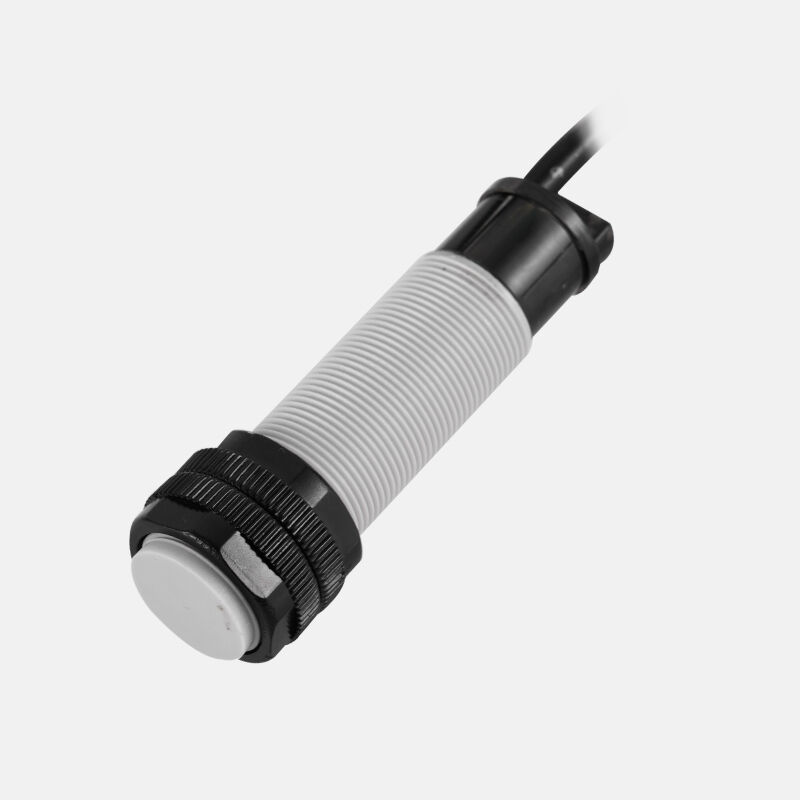
জল পরিশোধন সুবিধা থেকে শুরু করে রাসায়নিক প্রক্রিয়াকরণ কারখানা পর্যন্ত শিল্প অ্যাপ্লিকেশনগুলিতে তরল ও উপাদানের সঠিক নিরীক্ষণ ক্রমশ আরও গুরুত্বপূর্ণ হয়ে উঠেছে। একটি লেভেল সেন্সর চালু করে সর্বোত্তম কার্যকরী দক্ষতা বজায় রাখতে এবং নিরাপত্তা মানদণ্ড ধারাবাহিকভাবে পূরণ করতে প্রয়োজনীয় সঠিকতা ও বিশ্বস্ততা প্রদান করে। আধুনিক শিল্প সুবিধাগুলি ট্যাঙ্কের স্তর নিরীক্ষণ, ওভারফ্লো প্রতিরোধ এবং তাদের সমস্ত কার্যক্রমের মধ্যে সম্পদ ব্যবস্থাপনা অপ্টিমাইজ করার জন্য উন্নত পরিমাপ প্রযুক্তির উপর নির্ভরশীল।
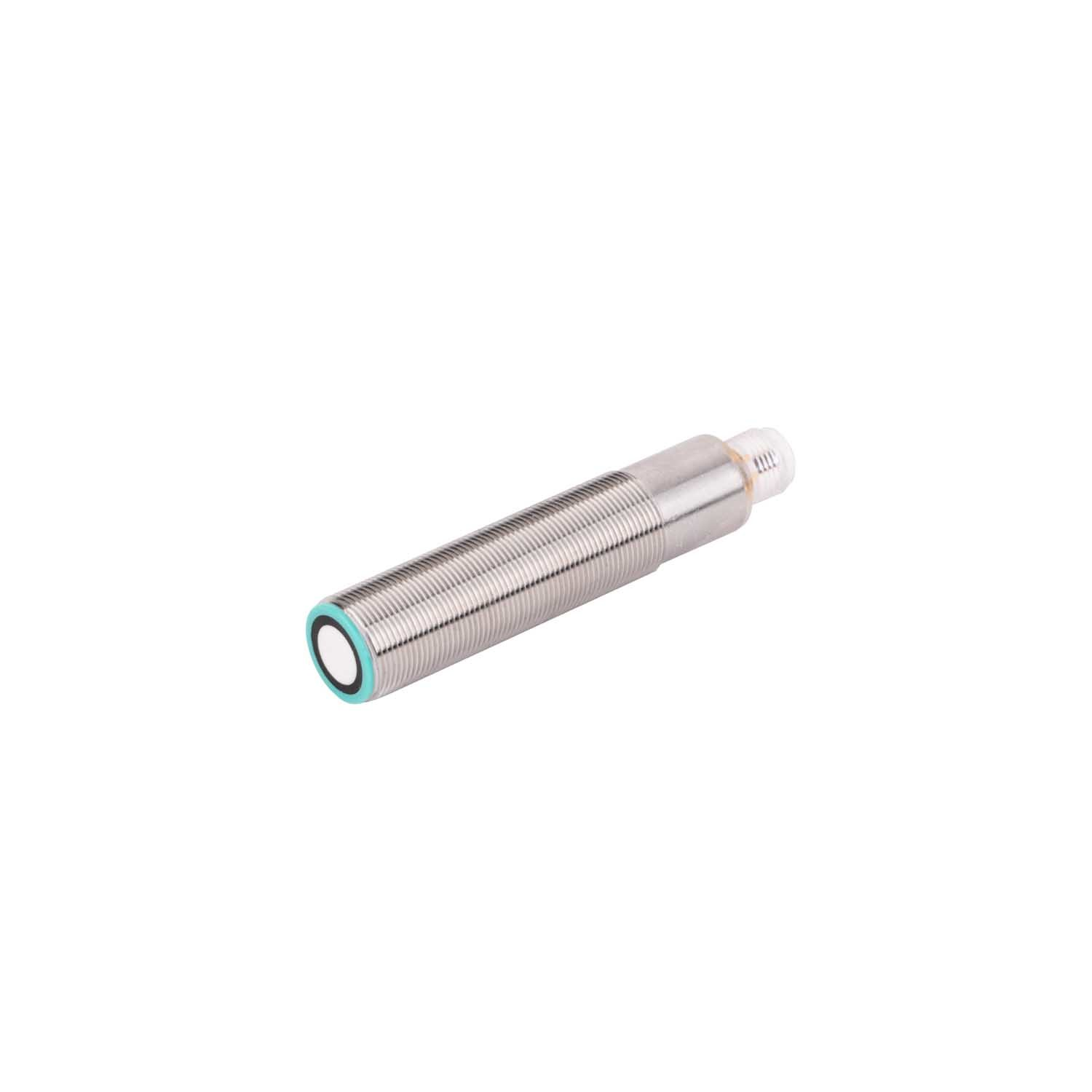
উন্নত স্তর সেন্সর প্রযুক্তির বাস্তবায়ন বাস্তব সময়ে ডেটা অর্জন এবং স্বয়ংক্রিয় নিয়ন্ত্রণ ক্ষমতা প্রদান করে ঐতিহ্যগত মনিটরিং পদ্ধতিকে রূপান্তরিত করে। বিশ্বব্যাপী শিল্প খাতগুলি উৎপাদন বৃদ্ধি, কার্যক্রম খরচ হ্রাস এবং উপকরণ পরিচালনা ও সঞ্চয় প্রক্রিয়ার সাথে যুক্ত পরিবেশগত ঝুঁকি কমানোর জন্য এই পরিমাপ সমাধানগুলি গ্রহণ করেছে।
স্তর মনিটরিং সিস্টেমে উন্নত প্রযুক্তি একীকরণ
আল্ট্রাসাউন্ড পরিমাপের নীতি
আল্ট্রাসাউন্ড স্তর সেন্সর প্রযুক্তি উচ্চ-ফ্রিক uency শব্দ তরঙ্গ সংক্রমণ ও গ্রহণ ব্যবস্থার মাধ্যমে কাজ করে। এই যন্ত্রগুলি লক্ষ্য পৃষ্ঠের দিকে আল্ট্রাসাউন্ড পালস নির্গত করে এবং শব্দ তরঙ্গের সেন্সর হাউজিং-এ ফিরে আসতে যে সময় লাগে তার ভিত্তিতে দূরত্ব পরিমাপ করে। আল্ট্রাসাউন্ড স্তর সেন্সর সিস্টেমের নির্ভুলতা এদেরকে চ্যালেঞ্জিং পরিবেশগত অবস্থায় যেখানে যান্ত্রিক যোগাযোগ ছাড়াই পরিমাপের প্রয়োজন হয়, সেই সমস্ত অ্যাপ্লিকেশনের জন্য আদর্শ করে তোলে।
আল্ট্রাসাউন্ড লেভেল সেন্সরের ডিজাইনে উন্নত সিগন্যাল প্রসেসিং অ্যালগরিদম অন্তর্ভুক্ত করা হয়েছে যা পরিবেশগত বাধা দূর করে এবং বিভিন্ন তাপমাত্রা ও বায়ুমণ্ডলীয় চাপের শর্তে সুস্থির পাঠ প্রদান করে। এই প্রযুক্তি খোলা ট্যাঙ্ক, বন্ধ পাত্র এবং বিপজ্জনক উপাদান সঞ্চয়ের অ্যাপ্লিকেশনে তরল স্তর মনিটরিংয়ের জন্য অসাধারণ বহুমুখিতা প্রদান করে, যেখানে সরাসরি যোগাযোগ-ভিত্তিক পরিমাপ পদ্ধতিগুলি অপ্র্যাকটিক্যাল বা বিপজ্জনক হবে।
ডিজিটাল যোগাযোগ প্রোটোকল
আধুনিক লেভেল সেন্সর সিস্টেমগুলি RS485 যোগাযোগ প্রোটোকল একীভূত করে যা শিল্প নেটওয়ার্কের মধ্য দিয়ে নিরবচ্ছিন্ন ডেটা স্থানান্তরকে সক্ষম করে। এই ডিজিটাল ইন্টারফেসটি একটি একক নেটওয়ার্ক কেবলের মাধ্যমে একাধিক লেভেল সেন্সর ডিভাইসের যোগাযোগকে সম্ভব করে, ফলে ইনস্টলেশনের জটিলতা ও রক্ষণাবেক্ষণের প্রয়োজনীয়তা কমে যায় এবং সুবিধা অপারেটরদের জন্য কেন্দ্রীভূত মনিটরিং ক্ষমতা প্রদান করে।
RS485 আউটপুট ফাংশনালিটি কাঁচা পরিমাপ ডেটাকে মানকৃত ডিজিটাল সংকেতে রূপান্তরিত করে যা প্রোগ্রামেবল লজিক কন্ট্রোলার, ডেটা অ্যাকুইজিশন সিস্টেম এবং শিল্প স্বয়ংক্রিয়করণ প্ল্যাটফর্মের সাথে সরাসরি একীভূত হয়। এই যোগাযোগ মানদণ্ডটি দীর্ঘ দূরত্বের মধ্য দিয়ে নির্ভরযোগ্য ডেটা ট্রান্সমিশন নিশ্চিত করে এবং বৈদ্যুতিকভাবে শোরগুলি পরিপূর্ণ শিল্প পরিবেশে সংকেতের অখণ্ডতা বজায় রাখে।
শিল্প প্রয়োগ এবং কর্মক্ষমতার সুবিধা
জল চিকিত্সা এবং মিউনিসিপ্যাল সিস্টেম
জল পরিশোধন সুবিধাগুলি তাদের পরিচালন চক্র জুড়ে জলাধারের স্তর, চিকিত্সা ট্যাঙ্কের ধারণক্ষমতা এবং বিতরণ সিস্টেমের চাপ পর্যবেক্ষণ করতে স্তর সেন্সর প্রযুক্তি ব্যবহার করে। এই পরিমাপ সিস্টেমগুলি স্বয়ংক্রিয় পাম্প নিয়ন্ত্রণ, রাসায়নিক ডোজিং সামঞ্জস্য এবং ওভারফ্লো প্রতিরোধের প্রোটোকলগুলির জন্য গুরুত্বপূর্ণ ডেটা প্রদান করে যা সুস্থিত জলের গুণগত মানের মানদণ্ড বজায় রাখে।
শহরতলির জল ব্যবস্থাপনা ব্যবস্থাগুলি বিতরণ নেটওয়ার্কের দক্ষতা অপ্টিমাইজ করতে এবং সেবা বিঘ্ন রোধ করতে নির্ভরযোগ্য স্তর সেন্সর ইনস্টলেশনের উপর নির্ভর করে। অবিরাম মনিটরিং ক্ষমতা ভবিষ্যদ্বাণীমূলক রক্ষণাবেক্ষণ সময়সূচী এবং সম্পদ বরাদ্দ পরিকল্পনা সক্ষম করে, যা অপারেশনাল খরচ হ্রাস করে এবং বাসিন্দা ও বাণিজ্যিক গ্রাহকদের কাছে অবিচ্ছিন্ন সেবা প্রদান নিশ্চিত করে।
রাসায়নিক প্রক্রিয়াকরণ এবং উত্পাদন
রাসায়নিক প্রক্রিয়াকরণ শিল্পগুলি প্রয়োগ করে লেভেল সেন্সর প্রতিক্রিয়াকারী পাত্রের সামগ্রী, স্টোরেজ ট্যাঙ্কের মজুদ এবং উৎপাদন ধাপগুলির মাধ্যমে প্রক্রিয়া তরলের স্তর মনিটর করার জন্য প্রযুক্তি। এই অ্যাপ্লিকেশনগুলি পণ্যের গুণগত মানের বিশেষকরণ বজায় রাখতে এবং সম্ভাব্য বিপজ্জনক উপাদানগুলির নিরাপদ পরিচালনা নিশ্চিত করতে সঠিক পরিমাপের নির্ভুলতা প্রয়োজন।
উৎপাদন সুবিধাগুলি স্বয়ংক্রিয় উৎপাদন লাইনে স্তর সেন্সর সিস্টেমগুলি একীভূত করে যেখানে সামঞ্জস্যপূর্ণ উপকরণ প্রবাহ হার এবং ইনভেন্টরি ব্যবস্থাপনা সরাসরি পণ্যের মান এবং উৎপাদন দক্ষতাকে প্রভাবিত করে। বাস্তব-সময়ের নজরদারি ক্ষমতা অবিলম্বে প্রক্রিয়া সামঞ্জস্য করার অনুমতি দেয়, যা বর্জ্য উৎপাদন কমায় এবং উৎপাদন কার্যক্রম জুড়ে সম্পদ ব্যবহার অপটিমাইজ করে।
ইনস্টলেশন এবং কনফিগারেশন বিবেচনা
মাউন্টিং উচ্চতা এবং পরিসর নির্বাচন
স্তর সেন্সর সঠিকভাবে ইনস্টল করতে হলে মাউন্টিং উচ্চতা, পরিমাপের পরিসরের বিশেষকরণ এবং সেন্সরের কার্যকারিতাকে প্রভাবিত করতে পারে এমন পরিবেশগত ফ্যাক্টরগুলির বিষয়ে সাবধানতার সাথে বিবেচনা করা আবশ্যিক। সেন্সরের অবস্থান নির্ধারণ করার সময় সর্বোচ্চ ও সর্বনিম্ন তরল স্তর, ফেনা গঠন, বাষ্প উৎপাদন এবং সম্ভাব্য বাধাগুলি—যা অলট্রাসাউন্ড সিগন্যাল ট্রান্সমিশনকে বাধাগুলি দিতে পারে—এর দিকে লক্ষ্য রাখতে হবে।
উপলব্ধ পরিমাপের পরিসরগুলির মধ্যে ১-মিটার, ২-মিটার, ৪-মিটার এবং ৬-মিটার কনফিগারেশন বিভিন্ন ট্যাঙ্কের আকার এবং অ্যাপ্লিকেশনের প্রয়োজনীয়তার জন্য নমনীয়তা প্রদান করে। লেভেল সেন্সরের পরিসর নির্বাচনের সময় নিরাপত্তা মার্জিন অন্তর্ভুক্ত করা আবশ্যিক, এবং ভবিষ্যতে স্টোরেজ ক্ষমতার সম্ভাব্য বৃদ্ধি বা অপারেশনাল প্যারামিটারে পরিবর্তনগুলি—যা সময়ের সাথে সাথে পরিমাপের প্রয়োজনীয়তাকে প্রভাবিত করতে পারে—সেগুলিও বিবেচনা করা হওয়া উচিত।
পরিবেশ সংরক্ষণ এবং দৈমিকতা
শিল্প ক্ষেত্রে লেভেল সেন্সর ইনস্টলেশনগুলি তাপমাত্রার চরম অবস্থা, রাসায়নিক প্রক্রিয়ার সংস্পর্শ, আর্দ্রতা প্রবেশ এবং যান্ত্রিক কম্পনসহ কঠোর পরিবেশগত অবস্থার সম্মুখীন হতে পারে। সেন্সরের হাউজিং ডিজাইনে শক্তিশালী উপকরণ এবং সুরক্ষামূলক কোটিং ব্যবহার করা হয়েছে, যা চাহিদাপূর্ণ শিল্প অ্যাপ্লিকেশনগুলিতে দীর্ঘমেয়াদী বিশ্বস্ততা নিশ্চিত করে।
উপযুক্ত পরিবেশ সুরক্ষা সেন্সরের সেবা আয়ুকে বাড়িয়ে দেয় এবং দীর্ঘ সময় ধরে পরিচালনার সময় পরিমাপের নির্ভুলতা বজায় রাখে। লেভেল সেন্সরের গঠনে সীলযুক্ত ইলেকট্রনিক উপাদান, ক্ষয়রোধী উপকরণ এবং আবহাওয়া-প্রতিরোধী আবরণ অন্তর্ভুক্ত রয়েছে, যা পরিমাপের সমালোচনামূলক সার্কিটগুলিকে পরিবেশগত ক্ষয় ও দূষণ থেকে রক্ষা করে।
ক্যালিব্রেশন এবং রক্ষণাবেক্ষণের প্রয়োজনীয়তা
প্রাথমিক সিস্টেম ক্যালিব্রেশন
সঠিক লেভেল সেন্সর ক্যালিব্রেশন সেন্সরের সেবা আয়ু জুড়ে নির্ভরযোগ্য পরিচালনার জন্য প্রয়োজনীয় প্রাথমিক পরিমাপ প্যারামিটারগুলি প্রতিষ্ঠা করে। ক্যালিব্রেশন প্রক্রিয়ায় শূন্য (জিরো) এবং স্প্যান মান নির্ধারণ, পরিমাপের একক কনফিগার করা এবং পরিচিত রেফারেন্স মানগুলি ব্যবহার করে পূর্ণ পরিমাপ পরিসরে সেন্সরের প্রতিক্রিয়া যাচাই করা অন্তর্ভুক্ত থাকে।
পেশাদার ক্যালিব্রেশন পদ্ধতিগুলি নিশ্চিত করে যে লেভেল সেন্সরের পাঠগুলি প্রকৃত তরল স্তরের সাথে সঠিকভাবে মিলে যায় এবং স্বীকৃত পরিমাপ মানগুলির সাথে ট্রেসেবিলিটি প্রদান করে। এই প্রক্রিয়ায় ক্যালিব্রেশন প্যারামিটারগুলি, পরিবেশগত অবস্থা এবং পরিমাপের অনিশ্চয়তা সম্পর্কিত ডকুমেন্টেশন অন্তর্ভুক্ত থাকে, যা মান ব্যবস্থাপনা এবং নিয়ন্ত্রক অনুপালনের প্রয়োজনীয়তাকে সমর্থন করে।
প্রতিরক্ষা মেন্টেনেন্স প্রোটোকল
নিয়মিত লেভেল সেন্সর রক্ষণাবেক্ষণের মধ্যে সেন্সরের পৃষ্ঠগুলির নির্দিষ্ট সময় অন্তর পরিষ্কার করা, মাউন্টিং স্থিতিশীলতা যাচাই করা এবং কেবল সংযোগ ও যোগাযোগ ইন্টারফেসগুলির পরিদর্শন অন্তর্ভুক্ত থাকে। এই রক্ষণাবেক্ষণ কার্যক্রমগুলি কার্যকারিতা হ্রাসের প্রতিরোধ করে এবং পরিমাপের বিশ্বস্ততা প্রভাবিত করা বা সিস্টেম ব্যর্থতা ঘটানোর আগেই সম্ভাব্য সমস্যাগুলি চিহ্নিত করে।
প্রতিরোধমূলক রক্ষণাবেক্ষণ পরিকল্পনায় স্তর সেন্সরের নির্ভুলতা যাচাই করার জন্য পোর্টেবল ক্যালিব্রেশন মানদণ্ড ব্যবহার করা, অলট্রাসাউন্ড ট্রান্সডিউসার পৃষ্ঠের জমা ধূলিকণা বা দূষণ অপসারণের জন্য পরিষ্কার করা এবং নিয়ন্ত্রণ সিস্টেমে বিশ্বস্ত ডেটা ট্রান্সমিশন নিশ্চিত করার জন্য যোগাযোগ সিস্টেমের কার্যকারিতা পরীক্ষা করা অন্তর্ভুক্ত থাকা উচিত।
অর্থনৈতিক এবং অপারেশনাল সুবিধা
যন্ত্রবদ্ধতার মাধ্যমে খরচ কমানো
স্বয়ংক্রিয় স্তর সেন্সর মনিটরিং ট্যাঙ্কের স্তর নিরীক্ষণের জন্য হস্তচালিত পদ্ধতির প্রয়োজনীয়তা দূর করে, যা শ্রম খরচ কমায় এবং কর্মীদের সম্ভাব্য বিপজ্জনক পরিবেশের সংস্পর্শে আসার ঝুঁকি কমিয়ে অপারেশনাল নিরাপত্তা উন্নত করে। অবিচ্ছিন্ন মনিটরিং ক্ষমতা ইনভেন্টরি ব্যবস্থাপনা অপ্টিমাইজ করে এবং ব্যয়বহুল ওভারফ্লো বা সরবরাহ ঘাটতি রোধ করে।
শক্তি খরচ হ্রাস পায় পাম্প অপারেশনের অপ্টিমাইজড সময়সূচী এবং যান্ত্রিক সিস্টেমের সেবা জীবন বৃদ্ধি করে এমন সরঞ্জাম চক্রীয় কার্যক্রম হ্রাসের ফলে। স্তর সেন্সরের ডেটা ভবিষ্যদ্বাণীমূলক রক্ষণাবেক্ষণ পরিকল্পনা সক্ষম করে যা অপ্রত্যাশিত সরঞ্জাম ব্যর্থতা এবং সংশ্লিষ্ট উৎপাদন বন্ধের খরচ ন্যূনতম করে।
উন্নত নিরাপত্তা এবং সম্মতি
বিশ্বস্ত স্তর সেন্সর ইনস্টলেশনগুলি অস্বাভাবিক অবস্থার জন্য প্রাথমিক সতর্কতা ব্যবস্থা প্রদান করে এবং স্বয়ংক্রিয় জরুরি প্রতিক্রিয়া প্রোটোকল সক্রিয় করে সুবিধার নিরাপত্তা উন্নত করে। এই নিরাপত্তা সুবিধাগুলির মধ্যে উপচে যাওয়া প্রতিরোধ, লিক সনাক্তকরণ এবং কনটেইনমেন্ট সিস্টেম মনিটরিং অন্তর্ভুক্ত যা কর্মীদের এবং পরিবেশগত সম্পদকে রক্ষা করে।
পরিবেশ সুরক্ষা এবং কর্মী নিরাপত্তার জন্য নিয়ন্ত্রক অনুপালন প্রয়োজনীয়তা সুবিধার সমস্ত অপারেশনের মাধ্যমে উপযুক্ত উপাদান হ্যান্ডলিং এবং সংরক্ষণ অনুশীলনের নথিভুক্ত প্রমাণ প্রদানকারী ব্যাপক স্তর সেন্সর মনিটরিং সিস্টেমের মাধ্যমে আরও সহজে বজায় রাখা যায়।
প্রায়শই জিজ্ঞাসিত প্রশ্ন
আল্ট্রাসনিক স্তর সেন্সরের নির্ভুলতা অন্যান্য পরিমাপ প্রযুক্তির তুলনায় কেমন?
আল্ট্রাসাউন্ড লেভেল সেন্সর প্রযুক্তি সাধারণত পূর্ণ স্কেল পরিমাপ পরিসরের ০.২৫% এর মধ্যে নির্ভুলতা প্রদান করে, যা যান্ত্রিক ফ্লোট সিস্টেম এবং চাপ-ভিত্তিক পরিমাপ পদ্ধতির সাথে তুলনা করলে অনুকূল হয়। যেহেতু এটি যোগাযোগবিহীন পরিমাপ পদ্ধতি, তাই এটি যান্ত্রিক ক্ষয় এড়ায় এবং উপাদানের ক্ষয়ক্ষতির কারণে পুনরায় ক্যালিব্রেশনের প্রয়োজন ছাড়াই দীর্ঘ সেবা সময়কালে ধ্রুব নির্ভুলতা প্রদান করে।
RS485 যোগাযোগ সিস্টেমগুলির জন্য কোন রক্ষণাবেক্ষণ প্রয়োজন?
RS485 যোগাযোগ সিস্টেমগুলির জন্য নেটওয়ার্ক টার্মিনেশন রেজিস্টরগুলির পর্যায়ক্রমিক যাচাইকরণ, কেবল অবিচ্ছিন্নতা পরীক্ষা এবং যোগাযোগ প্যারামিটার যাচাইকরণ আবশ্যিক যাতে নির্ভরযোগ্য ডেটা ট্রান্সমিশন নিশ্চিত করা যায়। কানেক্টরের অখণ্ডতা এবং কেবল রাউটিং-এর নিয়মিত পরিদর্শন পরিবেশগত কারণ বা নেটওয়ার্ক অবকাঠামোর যান্ত্রিক ক্ষতির ফলে যোগাযোগ ব্যাহত হওয়া রোধ করে।
একই RS485 নেটওয়ার্কে একাধিক লেভেল সেন্সর ডিভাইস কি কাজ করতে পারে?
বহু-স্তরের সেন্সর ইউনিটগুলি অনন্য ডিভাইস ঠিকানা প্রোটোকলের মাধ্যমে একটি একক RS485 যোগাযোগ নেটওয়ার্ক শেয়ার করতে পারে, যা পৃথক সেন্সর চিহ্নিতকরণ এবং ডেটা পুনরুদ্ধারের অনুমতি দেয়। নেটওয়ার্ক ক্ষমতা সাধারণত প্রতিটি নেটওয়ার্ক সেগমেন্টে ৩২টি ডিভাইস পর্যন্ত সমর্থন করে, যদি নেটওয়ার্কের শেষ প্রান্তে উপযুক্ত টার্মিনেশন এবং সিগন্যাল কন্ডিশনিং সরঞ্জাম স্থাপন করা হয়।
কোন পরিবেশগত অবস্থাগুলি স্তর সেন্সরের কার্যকারিতাকে প্রভাবিত করে
তাপমাত্রা পরিবর্তন, বায়ুমণ্ডলীয় চাপ পরিবর্তন, আর্দ্রতা স্তর এবং ধ্বনি ব্যাঘাতসহ বিভিন্ন পরিবেশগত কারক স্তর সেন্সরের পরিমাপের নির্ভুলতাকে প্রভাবিত করতে পারে। সঠিক সেন্সর নির্বাচন এবং ইনস্টলেশন পদ্ধতি এই পরিবেশগত পরিবর্তনশীলতাগুলিকে বিবেচনায় রেখে বিভিন্ন কার্যকারী অবস্থা ও মৌসুমি পরিবর্তনের মধ্যে সুস্থির পরিমাপ কার্যকারিতা বজায় রাখে।