 EN
EN

Selecting the right sensor for industrial applications requires careful consideration of multiple technical factors, environmental conditions, and operational requirements. Modern manufacturing environments demand precise measurement capabilities, and choosing an appropriate sensor can significantly impact system performance, reliability, and cost-effectiveness. Understanding the fundamental principles behind different sensor technologies enables engineers to make informed decisions that align with their specific application needs.
The sensor selection process involves evaluating measurement parameters, accuracy requirements, response time, operating environment, and integration compatibility. Each application presents unique challenges that require specific sensor characteristics to achieve optimal results. Whether detecting proximity, measuring pressure, monitoring temperature, or analyzing chemical composition, the chosen sensor must deliver consistent performance under expected operating conditions while maintaining long-term reliability and cost-effectiveness.
Understanding Sensor Types and Technologies
Proximity and Position Sensing Solutions
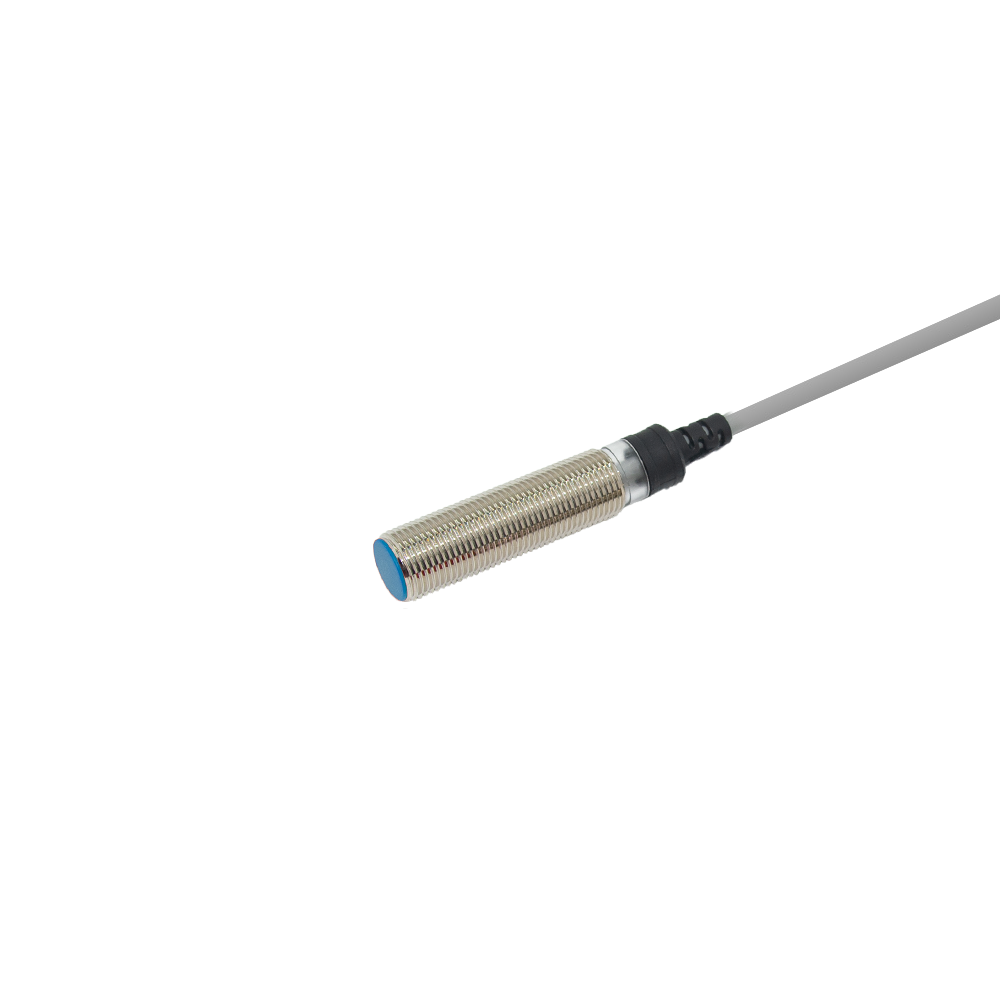
Proximity sensors represent one of the most versatile categories in industrial automation, offering non-contact detection capabilities for metal objects, magnetic fields, and various materials. Inductive proximity sensors excel in detecting ferrous and non-ferrous metals within specific sensing ranges, providing reliable operation in harsh industrial environments. These sensor devices utilize electromagnetic fields to detect metallic targets without physical contact, eliminating mechanical wear and extending operational lifespan significantly.
Capacitive proximity sensors offer broader material detection capabilities, including plastics, liquids, powders, and granular materials. The sensor technology operates by detecting changes in dielectric constant when target materials enter the sensing field. This versatility makes capacitive sensors ideal for level detection in silos, hoppers, and tanks containing non-metallic substances. Understanding the dielectric properties of target materials helps engineers select appropriate sensitivity settings for reliable detection performance.
Optical and Photoelectric Detection Systems
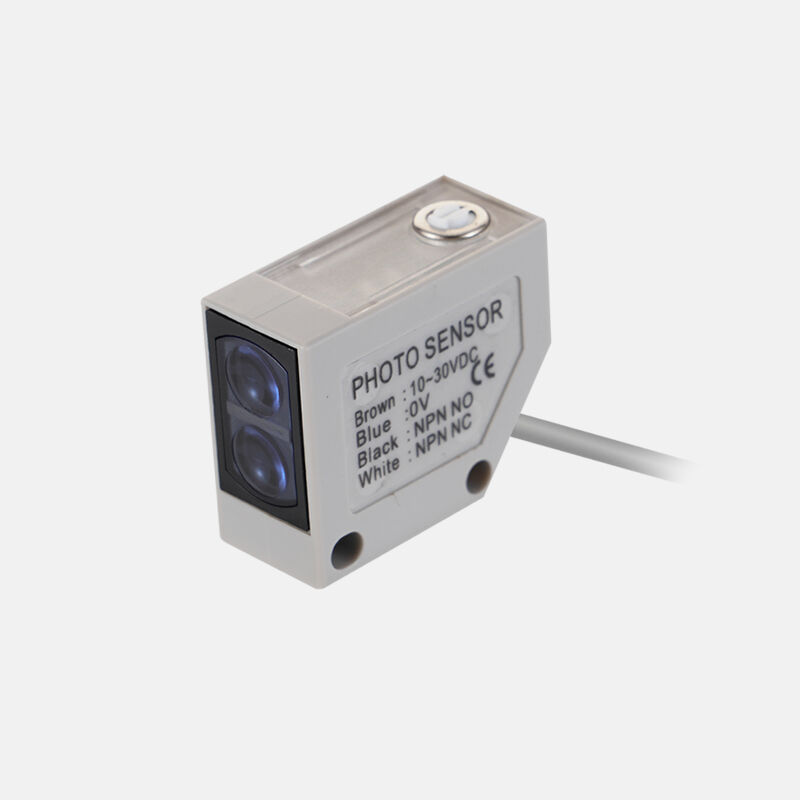
Photoelectric sensors provide precise detection capabilities using light beam technology, offering excellent accuracy and long sensing distances compared to proximity-based alternatives. These sensor systems utilize infrared, visible light, or laser sources to detect objects through beam interruption, reflection, or diffuse reflection methods. Retroreflective photoelectric sensors require reflector targets and excel in applications requiring precise positioning and counting operations with high repeatability.
Diffuse reflection photoelectric sensors detect objects based on light reflection properties, making them suitable for detecting various surface colors, textures, and materials. The sensor response characteristics depend on target reflectivity, surface angle, and ambient lighting conditions. Through-beam photoelectric sensors offer maximum sensing distances and excellent reliability for detecting opaque objects passing through the light beam path, providing consistent performance in dusty or contaminated environments.
Environmental Considerations and Operating Conditions
Temperature and Humidity Requirements
Operating temperature ranges significantly impact sensor performance, accuracy, and longevity across different industrial applications. High-temperature environments require sensors with appropriate thermal compensation and materials capable of maintaining calibration stability under extreme conditions. Temperature coefficients affect sensor output characteristics, and understanding these relationships helps engineers select appropriate models for specific thermal environments while maintaining measurement accuracy.
Humidity exposure can affect electrical properties, mechanical components, and electronic circuits within sensor assemblies. Moisture ingress protection ratings indicate the level of environmental sealing provided by sensor housings. IP67 and IP68 rated sensors offer superior protection against water immersion and dust ingress, making them suitable for outdoor installations, washdown applications, and environments with high humidity levels or occasional liquid exposure.
Chemical Compatibility and Corrosion Resistance
Chemical exposure considerations become critical when selecting sensors for process industries, chemical manufacturing, and food processing applications. Sensor housing materials must demonstrate compatibility with process chemicals, cleaning agents, and sterilization procedures without degrading performance or compromising safety. Stainless steel housings provide excellent corrosion resistance for many chemical environments, while specialized coatings and materials address more aggressive chemical exposure scenarios.
Sealing materials, gaskets, and cable insulation must also demonstrate chemical compatibility to prevent premature failure and maintain long-term reliability. The sensor selection process should include detailed chemical compatibility analysis based on concentration levels, temperature conditions, and exposure duration. Understanding material compatibility charts and chemical resistance data helps engineers avoid costly failures and ensures reliable operation throughout the expected service life.
Technical Specifications and Performance Criteria
Accuracy and Resolution Requirements
Measurement accuracy requirements directly influence sensor selection and system performance in precision applications. Understanding the difference between accuracy, precision, and resolution helps engineers specify appropriate sensor characteristics for their measurement needs. Accuracy represents how close measured values are to true values, while precision indicates measurement repeatability. Resolution defines the smallest measurable change that the sensor can detect reliably.
Calibration stability over time affects long-term accuracy and maintenance requirements for sensor installations. Some applications require periodic recalibration to maintain specified accuracy levels, while others benefit from sensors with excellent long-term stability characteristics. The sensor specification sheets provide detailed accuracy information, including temperature effects, linearity, and hysteresis characteristics that impact overall system performance.
Response Time and Frequency Characteristics
Response time requirements vary significantly across different applications, from slow process monitoring to high-speed manufacturing operations requiring millisecond response times. Fast-responding sensors enable real-time control and precise timing in automated systems, while slower response times may be acceptable for process monitoring and trend analysis applications. Understanding the relationship between response time and measurement accuracy helps optimize sensor selection for specific timing requirements.
Frequency response characteristics determine the sensor's ability to accurately measure rapidly changing signals without distortion or phase delay. Bandwidth specifications indicate the frequency range over which the sensor maintains specified accuracy levels. Applications involving vibration analysis, dynamic pressure measurements, or high-frequency signal monitoring require sensors with appropriate bandwidth characteristics to capture signal content accurately without aliasing or attenuation effects.
Integration and Compatibility Factors
Output Signal Types and Interface Options
Output signal compatibility ensures proper integration with control systems, data acquisition equipment, and monitoring devices. Analog sensors provide continuous signal output proportional to measured parameters, typically using 4-20mA current loops or voltage signals for industrial applications. Digital sensors offer discrete on/off outputs or complex communication protocols for advanced system integration and diagnostic capabilities.
Communication protocol compatibility becomes increasingly important in modern industrial automation systems utilizing fieldbus networks, Ethernet-based protocols, or wireless communication standards. The sensor interface requirements must align with existing system infrastructure and future expansion plans. Protocol selection affects data transmission speed, diagnostic capabilities, and system configuration flexibility while influencing overall implementation costs and complexity.
Power Requirements and Supply Considerations
Power consumption characteristics affect sensor selection in battery-powered applications, energy-conscious installations, and systems with limited power budgets. Low-power sensors extend battery life in remote monitoring applications and reduce heat generation in temperature-sensitive environments. Understanding power consumption during different operating modes helps engineers calculate power budgets and select appropriate power supply solutions.
Supply voltage ranges and power quality requirements influence sensor compatibility with existing electrical infrastructure. Wide supply voltage ranges provide flexibility in power system design and accommodate voltage variations in industrial environments. The sensor power supply specifications should include information about power consumption, inrush current, and acceptable voltage ripple levels to ensure reliable operation and prevent power-related failures.
Cost Analysis and Lifecycle Considerations
Initial Investment and Total Cost of Ownership
Initial sensor costs represent only one component of the total ownership cost over the expected service life. Maintenance requirements, calibration frequency, replacement parts availability, and failure rates significantly impact long-term operational costs. Higher-quality sensors with premium features may justify increased initial investment through reduced maintenance costs, improved reliability, and extended service life in demanding applications.
Installation costs, wiring requirements, and system integration complexity affect overall project budgets beyond the sensor purchase price. Sensors requiring specialized mounting hardware, extensive calibration procedures, or complex configuration may increase installation time and labor costs. The sensor evaluation process should consider total implementation costs including installation materials, labor requirements, and commissioning procedures to accurately assess project economics.
Reliability and Maintenance Factors
Reliability statistics and failure mode analysis help predict sensor performance and maintenance requirements in specific applications. Mean time between failures (MTBF) data provides insights into expected service life and replacement scheduling. Understanding common failure modes enables proactive maintenance strategies and helps identify potential reliability improvements through proper installation and operating procedures.
Maintenance accessibility affects ongoing operational costs and system downtime for sensor replacement or calibration activities. Sensors installed in difficult-to-access locations require careful consideration of maintenance procedures and may justify higher-reliability models to minimize maintenance frequency. The sensor selection process should evaluate maintenance requirements against accessibility constraints and operational scheduling limitations to optimize long-term performance and cost-effectiveness.
Application-Specific Selection Guidelines
Industrial Automation and Manufacturing
Manufacturing applications require sensors with excellent reliability, fast response times, and compatibility with industrial communication networks. Position detection sensors enable precise control of automated machinery, while pressure and temperature sensors monitor process conditions for quality control and safety purposes. The sensor selection criteria must consider production environment characteristics including vibration, electromagnetic interference, and contamination levels that could affect performance.
Quality control applications often require sensors with exceptional accuracy and repeatability to detect small variations in product characteristics. Vision sensors and precision measurement devices enable automated inspection processes that maintain consistent product quality while reducing manual labor requirements. The sensor technology must provide sufficient resolution and accuracy to meet quality specifications while operating reliably in production environments with varying lighting conditions and product orientations.
Process Industries and Chemical Applications
Chemical processing environments present unique challenges requiring sensors with specialized materials, explosion-proof certifications, and chemical compatibility. Process control sensors monitor critical parameters including temperature, pressure, flow rate, and chemical composition to maintain safe and efficient operations. The sensor selection must consider hazardous area classifications and appropriate safety certifications for explosive atmospheres.
Sanitary applications in food and pharmaceutical industries require sensors with smooth surfaces, cleanable designs, and materials approved for direct food contact. CIP (clean-in-place) and SIP (sterilize-in-place) procedures impose additional requirements for temperature resistance and chemical compatibility with cleaning and sterilizing agents. The sensor design must facilitate thorough cleaning while maintaining measurement accuracy and preventing contamination risks.
FAQ
What factors determine sensor accuracy requirements for industrial applications
Sensor accuracy requirements depend on process control needs, quality specifications, and safety considerations specific to each application. Critical processes requiring tight control tolerances need high-accuracy sensors with excellent stability and repeatability. The measurement uncertainty budget should account for sensor accuracy, environmental effects, and calibration uncertainties to ensure overall system performance meets application requirements.
How do environmental conditions affect sensor selection and performance
Environmental conditions including temperature, humidity, vibration, and chemical exposure significantly impact sensor performance and longevity. Extreme temperatures affect accuracy and may require thermal compensation, while humidity and chemicals can cause corrosion or electrical failures. Proper environmental assessment during sensor selection prevents premature failures and ensures reliable long-term operation in challenging conditions.
What communication protocols work best for sensor integration in modern automation systems
Modern automation systems benefit from digital communication protocols that provide diagnostic information and remote configuration capabilities. Ethernet-based protocols like EtherNet/IP and PROFINET offer high-speed communication and integration with enterprise networks. Fieldbus protocols such as DeviceNet and AS-Interface provide cost-effective solutions for discrete sensor networks with moderate data requirements and real-time performance needs.
How can sensor lifecycle costs be minimized while maintaining performance requirements
Minimizing sensor lifecycle costs requires balancing initial investment with long-term operational expenses including maintenance, calibration, and replacement costs. Selecting sensors with appropriate reliability levels for the application prevents unnecessary over-specification while ensuring adequate performance. Proper installation, regular maintenance, and operator training extend sensor life and reduce total ownership costs throughout the equipment lifecycle.
Table of Contents
- Understanding Sensor Types and Technologies
- Environmental Considerations and Operating Conditions
- Technical Specifications and Performance Criteria
- Integration and Compatibility Factors
- Cost Analysis and Lifecycle Considerations
- Application-Specific Selection Guidelines
-
FAQ
- What factors determine sensor accuracy requirements for industrial applications
- How do environmental conditions affect sensor selection and performance
- What communication protocols work best for sensor integration in modern automation systems
- How can sensor lifecycle costs be minimized while maintaining performance requirements