 EN
EN

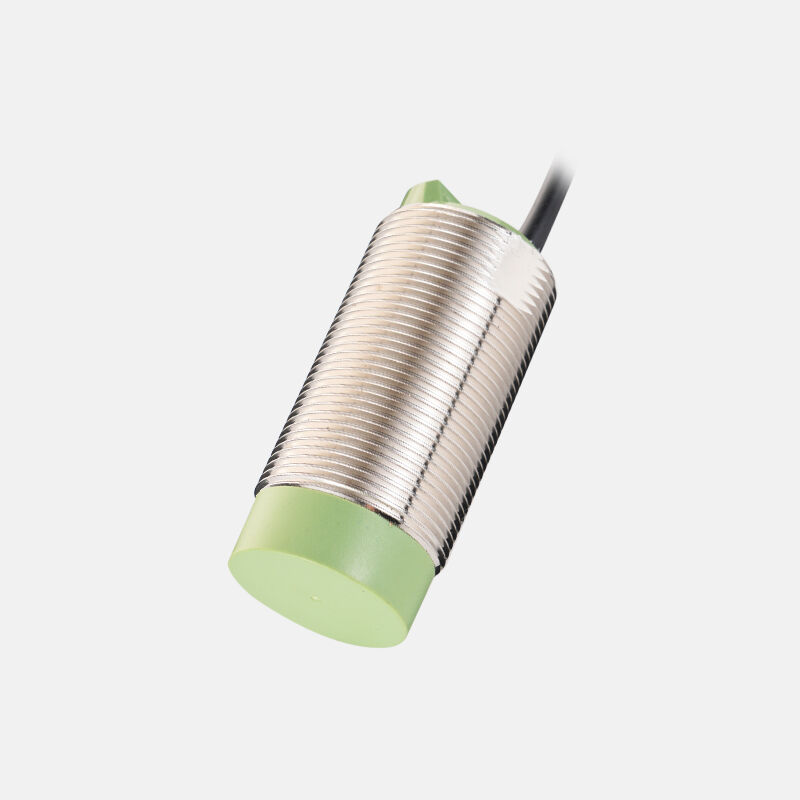
Modern industrial processes rely heavily on precise monitoring and control systems to maintain operational efficiency, safety, and product quality. Among the critical components that enable effective process control, a level sensor stands as one of the most fundamental instruments for monitoring liquid, powder, and granular materials in tanks, vessels, and containers. These sophisticated devices provide real-time data about material levels, enabling automated systems to make informed decisions about flow rates, filling procedures, and inventory management. The integration of advanced level sensor technology into process control systems has revolutionized how industries manage their operations, reducing human error while maximizing productivity and safety standards.
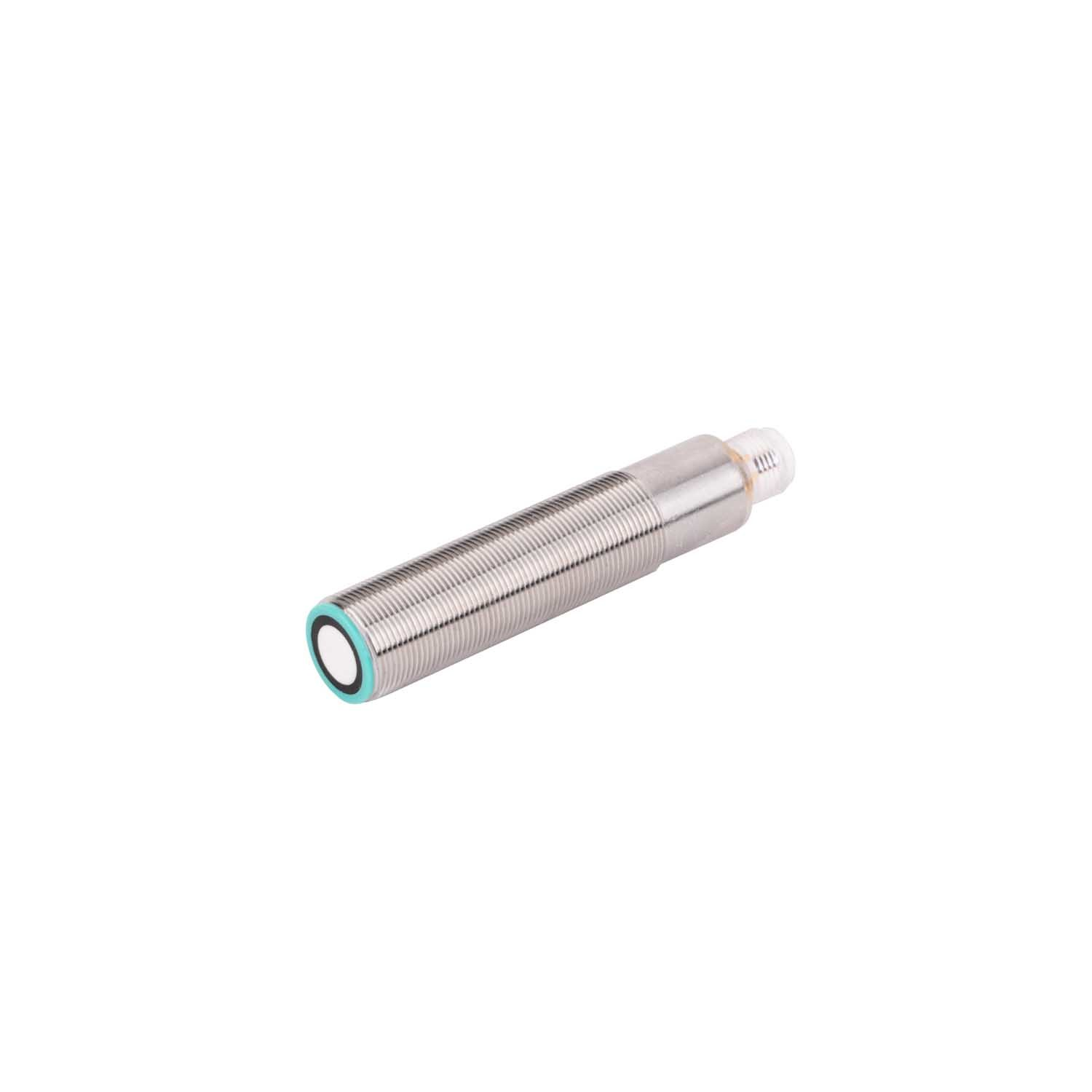
The implementation of reliable level measurement technology extends far beyond simple monitoring, creating comprehensive feedback loops that enhance overall system performance. When properly configured, a level sensor becomes an integral part of automated control strategies that optimize resource utilization, prevent overflow situations, and maintain consistent product quality. Industries ranging from chemical processing and water treatment to food production and pharmaceutical manufacturing depend on accurate level measurement to ensure their processes operate within specified parameters and regulatory compliance requirements.
Understanding Level Sensor Technology in Process Control
Fundamental Principles of Level Detection
Level sensors operate on various physical principles to detect the height or volume of materials within containers and vessels. The most common technologies include ultrasonic, radar, pressure-based, capacitive, and optical methods, each offering distinct advantages depending on the application requirements. Ultrasonic level sensors utilize sound waves to measure distances, while radar systems employ electromagnetic signals for non-contact measurement. Pressure-based sensors calculate level by measuring the hydrostatic pressure exerted by the material column, providing highly accurate readings in many liquid applications.
The selection of appropriate level sensor technology depends on factors such as material properties, environmental conditions, accuracy requirements, and installation constraints. For instance, corrosive chemicals may require sensors with specialized materials or non-contact measurement methods, while high-temperature applications might necessitate sensors designed to withstand extreme thermal conditions. Understanding these technological foundations enables process engineers to select the most suitable level sensor for their specific control requirements, ensuring optimal performance and longevity.
Integration with Control Systems
Modern level sensors are designed to integrate seamlessly with various control system architectures, including distributed control systems, programmable logic controllers, and supervisory control and data acquisition systems. The integration typically involves analog or digital signal transmission, allowing the level sensor to communicate measured values to the central control system for processing and decision-making. Advanced sensors may feature built-in intelligence, providing local processing capabilities and diagnostic functions that enhance overall system reliability.
Communication protocols such as Modbus, HART, and Ethernet-based networks enable sophisticated data exchange between level sensors and control systems. This connectivity allows for remote monitoring, configuration adjustments, and predictive maintenance scheduling, significantly improving operational efficiency. The ability to access real-time level data remotely enables operators to respond quickly to changing conditions and optimize process parameters without physical intervention at the measurement location.
Enhanced Accuracy and Reliability in Process Monitoring
Precision Measurement Capabilities
The accuracy of a level sensor directly impacts the quality and consistency of process control outcomes. High-precision sensors can detect minute changes in material levels, enabling fine-tuned control strategies that maintain optimal operating conditions. This precision is particularly crucial in applications where material ratios must be maintained within tight tolerances, such as chemical mixing processes or pharmaceutical formulations where even small deviations can affect product quality or safety.
Advanced level sensors incorporate temperature compensation, pressure correction, and signal filtering algorithms to minimize measurement errors caused by environmental factors. These features ensure that the sensor provides consistent and reliable readings across varying operational conditions, maintaining process control effectiveness regardless of external influences. The enhanced accuracy translates directly into improved product quality, reduced waste, and more efficient resource utilization throughout the production cycle.
Real-Time Data Acquisition
Continuous monitoring capabilities provided by modern level sensors enable real-time process optimization and rapid response to changing conditions. Unlike manual measurement methods that provide periodic snapshots, automated level sensors deliver constant data streams that allow control systems to detect trends, predict potential issues, and implement corrective actions before problems escalate. This proactive approach significantly reduces the risk of process upsets, equipment damage, and production interruptions.
The real-time nature of level sensor data also supports advanced control strategies such as model predictive control and adaptive control algorithms. These sophisticated approaches use historical and current level data to optimize future process behavior, resulting in improved efficiency, reduced energy consumption, and enhanced product consistency. The continuous availability of accurate level information enables process engineers to fine-tune control parameters and implement optimization strategies that would be impossible with intermittent manual measurements.
Safety Enhancements Through Automated Level Control
Overflow and Underflow Prevention
One of the most critical safety benefits provided by level sensors is the prevention of overflow and underflow conditions that can lead to environmental contamination, equipment damage, or personnel hazards. By continuously monitoring material levels and providing early warning signals, a level sensor enables automated systems to take preventive actions such as stopping feed pumps, opening drain valves, or activating alarm systems. These automated responses occur much faster than human operators could react, significantly reducing the risk of dangerous situations.
In applications involving hazardous materials, the safety implications of reliable level control become even more pronounced. Chemical storage tanks, for example, require precise monitoring to prevent spills that could result in toxic exposure, environmental damage, or fire hazards. The implementation of redundant level sensor systems provides additional safety margins, ensuring that backup measurements are available in case of primary sensor failure, maintaining continuous protection against potentially catastrophic events.
Emergency Response and Alarm Systems
Level sensors play a crucial role in emergency response systems by providing immediate notification of abnormal conditions. Multi-level alarm configurations can trigger different responses based on the severity of the situation, from simple warnings at predetermined thresholds to emergency shutdowns when critical levels are reached. This tiered approach allows operators to take appropriate action based on the urgency of the situation, preventing minor issues from escalating into major incidents.
Advanced level sensors can also contribute to predictive safety measures by analyzing trends and identifying potential failure modes before they occur. By monitoring rate-of-change data and comparing current readings to historical patterns, these intelligent systems can detect anomalies that might indicate equipment malfunctions, leaks, or other developing problems. Early detection of such issues allows maintenance teams to address potential safety concerns proactively, reducing the likelihood of unplanned shutdowns and safety incidents.
Operational Efficiency and Cost Optimization
Inventory Management and Resource Planning
Accurate level measurement enables sophisticated inventory management strategies that optimize material usage and reduce carrying costs. By providing precise information about available quantities, a level sensor supports just-in-time delivery schedules, automated reordering systems, and optimal batch sizing decisions. This level of control helps organizations minimize excess inventory while ensuring adequate supplies are available for continuous production, striking the optimal balance between cost efficiency and operational security.
The data provided by level sensors also supports advanced analytics and forecasting models that predict future material requirements based on production schedules, seasonal variations, and historical consumption patterns. This predictive capability enables procurement teams to negotiate better prices through volume purchasing, optimize transportation schedules, and reduce the risk of production delays due to material shortages. The integration of level sensor data with enterprise resource planning systems creates comprehensive visibility across the supply chain, supporting strategic decision-making at multiple organizational levels.
Energy Efficiency and Process Optimization
Level sensor technology contributes significantly to energy efficiency improvements by enabling optimized pump operation, reducing unnecessary heating or cooling cycles, and minimizing waste generation. By providing precise feedback about material levels, these sensors allow control systems to operate equipment only when needed, avoiding energy waste associated with oversized equipment or inefficient operating cycles. Variable speed drives and other energy-saving technologies can be optimized based on real-time level data, resulting in substantial energy cost reductions.
Process optimization strategies enabled by accurate level measurement often result in reduced cycle times, improved throughput, and higher overall equipment effectiveness. The ability to maintain optimal material levels supports consistent process conditions that minimize variability and reduce the need for reprocessing or quality adjustments. These improvements translate directly into cost savings through reduced energy consumption, lower material waste, and increased production capacity utilization.
Advanced Features and Future Technologies
Wireless and IoT Integration
The evolution of level sensor technology increasingly incorporates wireless communication capabilities and Internet of Things connectivity, enabling new levels of flexibility and functionality. Wireless level sensors eliminate the need for extensive cabling installations, reducing installation costs and enabling measurements in previously inaccessible locations. Battery-powered sensors with long-life capabilities provide monitoring solutions for remote or mobile applications where traditional wired sensors would be impractical.
IoT-enabled level sensors offer cloud-based data storage, remote diagnostics, and advanced analytics capabilities that extend far beyond basic measurement functions. These connected devices can provide predictive maintenance alerts, trend analysis, and performance optimization recommendations based on machine learning algorithms that analyze historical data patterns. The integration of artificial intelligence and machine learning technologies promises even greater capabilities in the future, with sensors that can automatically adapt to changing process conditions and optimize their own performance.
Diagnostic and Maintenance Capabilities
Modern level sensors incorporate sophisticated diagnostic features that monitor their own health and performance, providing early warning of potential failures or calibration drift. Self-diagnostic capabilities can detect issues such as sensor fouling, electrical problems, or mechanical damage, enabling proactive maintenance scheduling that prevents unexpected failures and maintains measurement accuracy. These diagnostic features often include built-in test routines that verify sensor functionality without interrupting normal process operations.
Predictive maintenance strategies supported by intelligent level sensors can significantly reduce maintenance costs and improve equipment availability. By analyzing performance trends and identifying degradation patterns, these systems can recommend optimal maintenance intervals and predict remaining useful life for sensor components. This approach allows maintenance teams to plan activities efficiently, order replacement parts in advance, and minimize unplanned downtime that could disrupt production schedules.
Industry-Specific Applications and Benefits
Chemical and Petrochemical Industries
In chemical processing facilities, level sensors provide critical monitoring for reactor vessels, storage tanks, and separation equipment where precise level control is essential for product quality and safety. The ability to monitor corrosive or hazardous materials remotely reduces operator exposure to dangerous substances while maintaining the level of control necessary for complex chemical processes. Advanced level sensor technologies designed for harsh chemical environments incorporate specialized materials and protective coatings that ensure long-term reliability in challenging operating conditions.
Petrochemical applications benefit from level sensors that can operate effectively in explosive atmospheres and extreme temperature conditions. Intrinsically safe sensor designs and explosion-proof enclosures enable reliable monitoring in hazardous area classifications, supporting safe operations while maintaining the precision required for efficient process control. The integration of level measurement data with advanced process control systems enables optimization of distillation columns, reactor operations, and product storage facilities.
Water and Wastewater Treatment
Water treatment facilities rely on level sensors for monitoring clarifiers, settling tanks, chemical feed systems, and storage reservoirs to ensure consistent water quality and efficient treatment processes. The ability to maintain optimal water levels in various treatment stages directly impacts treatment efficiency, chemical consumption, and effluent quality. Accurate level control in biological treatment systems supports optimal conditions for microbial activity, improving treatment effectiveness while minimizing energy consumption.
Wastewater applications benefit from level sensors designed to operate in challenging environments containing suspended solids, aggressive chemicals, and variable flow conditions. Non-contact measurement technologies such as ultrasonic and radar sensors provide reliable monitoring without exposure to corrosive or contaminated media, ensuring long-term reliability and minimal maintenance requirements. The integration of level sensor data with treatment plant automation systems enables optimized chemical dosing, efficient solids handling, and improved overall plant performance.
FAQ
What factors should be considered when selecting a level sensor for process control applications
The selection of an appropriate level sensor requires careful consideration of multiple factors including the physical and chemical properties of the material being measured, environmental conditions such as temperature and pressure, required accuracy and measurement range, and installation constraints. Material compatibility is crucial, particularly for corrosive or abrasive substances that may damage certain sensor types. Additionally, factors such as vapor presence, foam formation, and material density variations can influence sensor performance and should be evaluated during the selection process. The required output signal type, communication protocol compatibility, and integration requirements with existing control systems also play important roles in determining the most suitable sensor technology.
How do level sensors contribute to regulatory compliance and documentation requirements
Level sensors support regulatory compliance by providing accurate, traceable measurements that can be documented and audited according to industry standards and government regulations. Many industries require detailed records of material usage, inventory levels, and process conditions to demonstrate compliance with environmental, safety, and quality regulations. Modern level sensors often include data logging capabilities, calibration records, and audit trails that satisfy regulatory documentation requirements. The accuracy and reliability of automated level measurement systems help organizations maintain consistent compliance with discharge limits, storage requirements, and safety protocols while reducing the administrative burden associated with manual record-keeping.
What maintenance practices help ensure optimal level sensor performance over time
Effective maintenance of level sensors involves regular calibration verification, physical inspection of sensor components, and cleaning of sensing surfaces to prevent fouling or coating buildup. Preventive maintenance schedules should include checks of electrical connections, cable integrity, and mounting hardware to ensure secure installation and reliable signal transmission. For sensors exposed to harsh environments, protective measures such as purging systems or heating elements may require periodic inspection and maintenance. Diagnostic features available in modern sensors should be utilized to monitor performance trends and identify potential issues before they affect measurement accuracy. Documentation of maintenance activities, calibration results, and performance data helps establish maintenance intervals and supports predictive maintenance strategies.
How can multiple level sensors be integrated to create redundant measurement systems
Redundant level measurement systems typically employ multiple sensors using different measurement principles or installed at various locations to provide backup measurements and enhanced reliability. The integration involves configuring control systems to compare readings from multiple sensors, identify discrepancies that might indicate sensor failure, and automatically switch to backup measurements when necessary. Voting logic systems can be implemented to determine the most accurate reading when sensors provide slightly different values, using algorithms that consider historical performance and diagnostic status. Proper integration of redundant systems requires careful consideration of sensor placement, signal processing methods, and alarm management to ensure that the system provides improved reliability without creating confusion or false alarms during normal operation.
Table of Contents
- Understanding Level Sensor Technology in Process Control
- Enhanced Accuracy and Reliability in Process Monitoring
- Safety Enhancements Through Automated Level Control
- Operational Efficiency and Cost Optimization
- Advanced Features and Future Technologies
- Industry-Specific Applications and Benefits
-
FAQ
- What factors should be considered when selecting a level sensor for process control applications
- How do level sensors contribute to regulatory compliance and documentation requirements
- What maintenance practices help ensure optimal level sensor performance over time
- How can multiple level sensors be integrated to create redundant measurement systems